


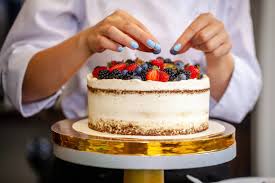
Cakes are made from various combinations of refined flour, some form of shortening, sweetening, eggs, milk, leavening agent, and flavouring. There are literally thousands of cake recipes (some are bread-like and some rich and elaborate), and many are centuries old. Cake making is no longer a complicated procedure.
Baking utensils and directions have been so perfected and simplified that even the amateur cook may easily become an expert baker. Decorated cakes are used to celebrate special occasions, including weddings, birthdays, anniversaries, and agricultural festivals.
Exploring the History of Cakes
The most primitive peoples in the world began making cakes shortly after they discovered flour. In medieval England, the cakes described in writings were not cakes in the conventional sense. They were described as flour-based sweet foods, as opposed to the description of breads, which were just flour-based foods without sweetening.
Bread and cake were somewhat interchangeable words, with the term “cake” being used for smaller breads. The earliest examples were found among the remains of Neolithic villages, where archaeologists discovered simple cakes made from crushed grains, moistened, compacted, and probably cooked on a hot stone. Today’s version of this early cake would be oatcakes, though now they are thought of more as a biscuit or cookie.
Cakes were called “plakous” by the Greeks, from the word for “flat.” These cakes were usually combinations of nuts and honey. They also had a cake called “satura,” which was a flat, heavy cake.
During the Roman period, the name for cake (derived from the Greek term) became “placenta.” They were also called “libum” by the Romans and were primarily used as an offering to their gods. Placenta was more like a cheesecake, baked on a pastry base or sometimes inside a pastry case.
The terms “bread” and “cake” became interchangeable as years went by. The words themselves are of Anglo-Saxon origin, and it’s probable that the term cake was used for the smaller breads. Cakes were usually baked for special occasions because they were made with the finest and most expensive ingredients available to the cook. The wealthier one was, the more likely one might consume cake on a more frequent basis.
By the middle of the 18th century, yeast had fallen into disuse as a raising agent for cakes in favor of beaten eggs. Once as much air as possible had been beaten in, the mixture would be poured into molds, often very elaborate creations, but sometimes as simple as two tin hoops, set on parchment paper on a cookie sheet. It is from these cake hoops that modern cake pans developed.
Cakes were considered a symbol of well-being by early American cooks on the east coast, with each region of the country having their own favorites.
By the early 19th century, due to the Industrial Revolution, baking ingredients became more affordable and readily available because of mass production and the railroads. Modern leavening agents, such as baking soda and baking powder, were invented.
Read Also: The Nutritional Requirements and Deficiency Symptoms for Poultry Chickens
Understanding Cake Ingredients
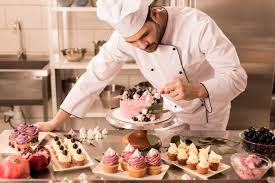
The ingredients used to make shortened (butter) and unshortened (foam) cakes differ. However, the goal is always the same: to create great cake recipes through a delicate balance of ingredients making sure they have the strength to hold the recipe together, but still create a tender, moist, and flavorful cake.
Different mixing methods also result in different cakes, as do the type of pans used and their treatment, timing, temperature, baking, cooling, and storage. Afterwards, cakes can be filled, frosted, or glazed and decorated. A cake’s structure is created mainly from the combination of the flour’s starches, by the proteins in whole eggs, egg whites, and/or in milk.
The melt-in-your-mouth texture comes from tiny air holes left in the cake’s structure, created through mixing, serving as nuclei and enlarged through the carbon dioxide gas from the chemical leaveners, heat, and/or steam during baking.
The sugar and fat in the recipe, as well as any acids, tenderize the cake, as well; they interfere with gluten formation and egg protein coagulation, interrupting the network of gelated starch. But, if the recipe is unbalanced, for example, if there’s too much sugar and fat, the cake’s structure is weakened so much it cannot support its own weight and will collapse. Too much flour and too many eggs may make the cake tough and/or dry.
A. Cake Ingredient Functions
- Tougheners: Flour, Milk Solids, Egg Whites will make the cake tougher or stronger.
- Tenderizers: Sugar, Fats, Egg Yolks, Chocolate, Leavenings, Emulsifiers, Starches, Gums will make the cakes more tender or weaker.
- Moisteners: Water, Liquid Milk, Liquid Eggs, Syrups, Liquid Sugars.
- Driers: Flour, Milk Solids, Instant Starch, Gums, Egg Whites.
- Flavors: Salt, Sugar, Cocoa, Chocolate, Butter, Vanilla, other flavors.
Overall, the flour mixtures that produce cakes and cookies are very similar to those used to make breads, although they are sweeter and often have added flavorings not typically used in breads. Cakes have a higher proportion of sugar, milk, and fat to flour than do breads, and the flour used is usually cake flour.
B. Standard Cake Proportions and Qualities
| Type | Flour (%) | Eggs (%) | Fat (%) | Sugar (%) | Qualities |
|---|---|---|---|---|---|
| Shortened | |||||
| Pound Cake | 100 | 100 | 100 | 100 | Moist, soft, rich |
| Butter Cake | 100 | 40 | 45 | 100 | Moist, soft |
| Foam | |||||
| Genoise | 100 | 150–200 | 20–40 | 100 | Light, springy, somewhat dry |
| Biscuit | 100 | 150–220 | 0 | 100 | Light, springy, dry |
| Sponge Cake | 100 | 225 | 0 | 155 | Light, springy, sweet |
| Angel Food Cake | 100 | 350 (whites) | 0 | 260 | Light, springy, very sweet |
| Chiffon | 100 | 200 | 50 | 135 | Light, moist |
Role of Wheat Flour in Cakes
Used in high-ratio cakes where the sugar is higher than the flour level, by weight. Most cakes with the exception of cheesecakes, foam cakes, and gluten-free cakes contain wheat flour as the main ingredient. It establishes the crumb structure in cakes and is used to bind all of the other ingredients together during the cake-making process.
Wheat flour contains two very important proteins, glutenin and gliadin, which, when mixed with moisture and stirred, create its structural network. The flour’s starches gelatinize or set when baked.
The downside of gluten is that too much creates a tough, dry, and flavorless cake. To help prevent this, cake recipes, especially high-ratio ones, are typically made with chlorinated soft wheat flours, such as bleached cake flour, potentially containing low-gluten-forming proteins.
Other types include Southern bleached all-purpose and pastry flour. It’s gluten from the wheat flour that gives dough its strength and elasticity qualities desired in yeast breads, but not in cakes. Soft wheat flours are generally low in water absorption and do not require harsh mixing or a long mix time.
Chlorination of cake flour provides two great benefits. First is bleaching, which gives a whiter crumb color to cakes, but second and more importantly, it lowers the gelatinization temperature of the starch within the cake flour.
This makes it possible for the cake to set faster and therefore reduces the loss of leavening during baking. Bleaching also gives the cake flour the ability to carry more sugar and fat (as well as water), without their tenderizing (collapsing) effects, balancing the recipe. Bleached flour must be used.
Function of Sweeteners in Cakes
Sugar’s typical role in a cake recipe is to add sweetness, but it also plays other important roles depending on whether it is in crystalline (granulated white or brown) or liquid form (honey or corn syrup).
All sugar acts as a tenderizer by preventing the wheat flour proteins from forming an excessive amount of gluten. It does this because sugar is hygroscopic (ability to absorb or attract moisture from the air); honey and some liquid sugars are better than crystalline sugar, which dissolves readily.
By doing so, sugar essentially absorbs available water in the recipe until saturated, leaving the rest for the wheat’s available gluten-forming proteins.
Gluten is formed when the wheat flour proteins are moistened and agitated or mixed; the higher the flour’s gluten-forming potential, the more available water or liquid, the more mixing (agitation) that takes place, and the fewer tenderizers, such as sugar and fat (and the warmer the ingredients), the more gluten is formed.
Because sugar is also a hygroscopic substance, it helps with a recipe’s moisture retention and thus increases its shelf life by slowing the staling process. Sugar also tenderizes by slowing down the coagulation of the egg white and milk proteins, which also contribute to the structure of the cake when baked.
Crystalline sugar plays an important role by incorporating air into the batter for leavening when beaten with solid, plastic fat, such as stick butter or margarine or solid shortening, called “creaming” (only when the fat is at an optimal temperature).
Role of Fats in Cake Baking
There are two types of fat used in cake baking: solid and liquid. The primary function of solid fat, also known as plastic fat, such as solid shortening, stick butter, or margarine, is to incorporate air bubbles into its malleable mass for volume.
This is done through creaming, or beating the fat with crystalline sugar, also known as white granulated or brown sugar (white granulated sugar combined with molasses). But it can only be done successfully if the right ingredients, ratios, mixing times, temperature, and proper tools are followed.
This makes fat a great tenderizer; expanding air cells help lift the cake’s batter during baking, resulting in eventual cake tenderness. They are also known as shorteners; they shorten the length of the gluten strands when the flour is stirred with that moisture.
Fats also tenderize by readily coating the flour proteins like a raincoat during mixing, preventing moisture from reaching them, helping to reduce their gluten-forming potential. Fat is also a good tenderizer because it slows down the coagulation of the egg, flour, and milk proteins that set the structure of the cake when baked.
As the fat level in a cake goes up, more eggs are required to emulsify the fat. Eggs also add structure and thus increase the volume depending on the part of the egg used, if it is beaten, and when it is added to the recipe; sometimes less flour and chemical leavening agents, such as baking soda or baking powder, are needed.
Fat is a lubricator. It coats the flour particles so the elastic formation slows down; it makes the gluten strands slippery so the gas bubbles can move easily; and it gives the final cake recipe a finer grain.
It also lubricates other ingredients, allowing them to mix and disperse more readily and for the cake to rise more readily. Similarly, fat lubricates the inside of the mouth, giving the perception that a high-fat cake is especially moist when eaten because it glides easily on the tongue. Fat also increases a baked cake’s shelf life by helping to retain the moisture in it.
Some fats, such as butter, add important flavor to a cake recipe, whereas margarine does not have as fine a texture and taste. Shortening does not contribute flavor, unless the “butter-flavored” type is used. Denser oil cakes, such as carrot, zucchini, apple, and pumpkin, are commonly made with vegetable oil, called liquid fat. Cake mixes are also classified as oil cakes.
Read Also: Layers or Broilers which One is More Profitable in Poultry Farming? Find Out!
Importance of Eggs in Cakes
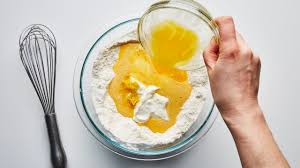
Eggs perform a multitude of important functions in a cake recipe, depending on the part used. Foamed eggs provide leavening, especially separated and beaten whites. Whole eggs and whites contribute to structure. Egg yolk is also a rich source of emulsifying agents and, thus, is a tenderizer; it facilitates the incorporation of air and inhibits wheat starch gelatinization.
Egg yolks also add color, nutrition, and flavor and help to retain moisture in the finished cake. On the other hand, whites can have a drying effect, but they contribute slightly more protein than yolks do, although with far fewer nutrients and without the fat and cholesterol.
Some white cake recipes can use 6 to 8 large egg whites, which have a drying effect on the recipe. When some of the egg whites are substituted with whole eggs, it results in a flavorful and moister cake that does not affect the color of the cake.
Many of the changes from old-fashioned cakes to the recipes seen today started with the development of cake mixes and the addition of emulsifiers (found naturally in egg yolks) to shortenings such as Crisco. Before then, cakes tended to be heavier, more like the pound cake consistency. Shortening used today gives better aeration when mixed and, with the addition of liquids, makes a light and fluffier cake.
Role of Leavening Agents in Cakes
The leavening source used in cakes may serve to produce gas by physical, chemical, or biological methods. It starts with the creation of millions of tiny air bubbles from various mixing methods, trapped in the structural framework of the cake’s batter by the gluten strands.
Air incorporation comes from beating eggs, creaming butter and sugar together, folding ingredients together, and from any agitation. Cakes are then leavened when the air bubbles in their batters expand when heated from water vapor or steam from liquids; carbon dioxide produced from chemical leaveners (baking soda and/or baking powder).
General expansion from heat from the oven; and, in some cakes, from yeast activity. In many baked items, one or more of these agents participate in the leavening process.
A chemical leavening agent (carbon dioxide) provides a source of gas to the recipe. When moistened (baking soda and double-acting baking powder) and/or heated, it expands the millions of air bubbles previously created in a batter or dough from mixing or any agitation made to the cake’s ingredients, trapped in the structural framework by the gluten strands.
If the batter is over-mixed, becomes too warm, or is not baked promptly, the gas will escape, and the final recipe will have poor texture and low volume. One of the biggest failures of a cake recipe is using baking powder or baking soda that has been weakened from being moistened previously in the cabinet or refrigerator from humidity.
Another failure can be caused by pre-wetting a chemical-leavened batter because they start to release carbon dioxide bubbles immediately (double-acting baking powder will again leaven when heated). Refrigeration will slow their release, but not stop it.
Also, when a batter is placed in an oven that has not been preheated, baking powder fails to act until the oven reaches over 120 degrees Fahrenheit. Using the wrong flour can also affect leavening.
Role of Dairy and Liquids in Cakes
Milk is usually the main liquid used in cake recipes. It hydrates the dry ingredients, dissolves the sugar and salt, provides steam for leavening, and allows for the baking powder and/or baking soda to react and produce carbon dioxide gas.
Milk contains proteins (caseins) that set or coagulate from the oven’s heat and help form the structure of the cake, as do flour and eggs.
Other dairy products, such as buttermilk, sour cream, or cream cheese, add more moisture and flavor to a cake; consequently, those made with them keep well.
The acid in buttermilk and sour cream helps tenderize the gluten in the recipe, producing a finer crumb. Sour cream and cream cheese add richness to a recipe, which makes them moist and almost springy.
Incorporating Flavorings in Cakes
Flavorings come in different forms: ground spices, extracts (especially pure vanilla extract), citrus zest (peel), citrus oil, and even liqueurs. Alcohol adds sugar and counts as a liquid ingredient.
Care must be taken with how much is added; too much in proportion to the other ingredients in the mix can cause the cake to fail. Salt is an important ingredient because it is a flavor enhancer.
Steps for Baking a Perfect Cake
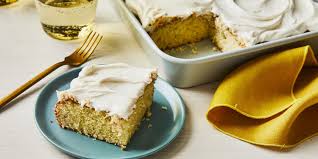
Start by reading the ingredient list and directions before beginning. It is important to have every ingredient needed ready to go. Running to the grocery store during preparation is undesirable. The final product can flop if a key ingredient is left out.
A. Things Needed for Baking
- Cake recipe
- All ingredients listed in the recipe
- Flour
- Butter (or shortening)
- Measuring implements
- Mixer
- Baking pans
- Toothpick (or wooden skewer)
- Butter knife
- Oven
- Oven mitts or protective gloves
- Cooling rack
B. Preparing Cake Pans
Ensure the correct size or shape of the pan is used. Grease pans to avoid sticking. Use about half a tablespoon of butter or vegetable shortening on a paper towel and rub the inside of the pan. Sprinkle about a tablespoon or two of flour on top.
Flour the pans on the sides to help the cake adhere to the sides as it bakes. This will ensure that the top is flatter, which is important for layered cakes. Shake and dump out any excess flour and set the pans to the side.
C. Ensuring Ingredients Are at the Right Temperature
Have all ingredients at room temperature, unless the recipe directs otherwise. Key ingredients such as flour, sugar, vegetable oil, and water are typically stored at room temperature, while others, such as butter and milk, need to be cold prior to using.
Double-check the recipe concerning eggs; while many box mix cakes request cold eggs, other recipes, such as cheesecakes, require eggs to be at room temperature. This is to avoid any curdling and affecting the cake texture.
D. Preheating the Oven
Preheat the oven to the required temperature from the recipe.
E. Measuring Ingredients Accurately
Measure ingredients as accurately as possible and add them in the order specified. Most cake recipes begin by combining dry ingredients (flour, baking powder, cocoa, etc.), then adding wet ingredients (eggs, oil, and milk). Take special prerequisites, such as sifting, whisking, or beating, and packing before adding to the main bowl.
F. Mixing the Cake Batter
Mix the cake batter as specified in the recipe. Some recipes can be mixed with a stand or hand mixer. Be cautious, as steps can instruct to fold in flour or other ingredients with a rubber spatula. While mixing, stop occasionally to scrape down the sides of the bowl with a spatula or spoon to ensure that everything is mixed thoroughly.
G. Pouring Batter into Pans
Pour the batter evenly into the prepared pans. Fill the pans two-thirds of the way full, as the cake will rise during baking. Gently tap the cake pan on the countertop to release any large air bubbles in the batter.
H. Baking the Cake
Place the pans on the center rack of the preheated oven. Do not allow pans to touch each other or the oven wall.
Close the oven door and immediately set a timer to the specified baking time. If there’s a time range, use the median or middle number (bake it for 35 minutes for a range of 34 to 36 minutes or 53 minutes for a range of 50 to 55 minutes).
Using the median will ensure that the cake won’t under- or overcook. Resist the urge to open the oven door during baking, as the heat will escape and may cause the cake to cook unevenly. If applicable, turn the oven light on and view through the oven window.
I. Checking for Doneness
Gently insert a toothpick or wooden skewer in the center of the cake. If it comes out clean or with a few small crumbs on it, the cake is done. If not, place it back in the oven for another 3–4 minutes. Keep testing for the same amount of time until the correct result is achieved.
J. Cooling the Cake
Place the pan on a wire rack to cool for 15 to 30 minutes. Run a butter knife around the pan edges to loosen the sides. Place the wire rack over the top of the pan, invert it, and tap it lightly to remove the cake.
Let it cool completely before decorating, since the heat will melt frosting and icing.
Essential Baking Tips for Perfect Cakes
- When recipes call for cold ingredients, such as butter or cream cheese, to be at room temperature, unwrap the item and leave it in a bowl on the counter for a few hours to soften. Test the softness by poking a fork in it.
- Double-check measurements before adding them to mixing bowls. A few tablespoons of missing or extra flour can have dramatic and undesired effects on the finished cake.
- If a hot cake is removed from the pan, it may crack and fall apart.
- Use high-quality, heavy-duty aluminum baking pans for even heating and best results.
- Always wash hands before baking.
- If moist cakes are preferred, substitute the oil for yogurt.
- If there is salt in the recipe, be very careful. A quarter of a teaspoon of extra salt can make it saltier than it should be.
Do you have any questions, suggestions, or contributions? If so, please feel free to use the comment box below to share your thoughts. We also encourage you to kindly share this information with others who might benefit from it. Since we can’t reach everyone at once, we truly appreciate your help in spreading the word. Thank you so much for your support and for sharing!