


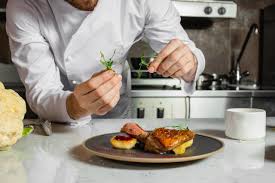
Service in food service operations refers to the manner and method of presenting food to guests. While elaborate protocols were once common, modern practices retain some technical terms and methods. This article explores various service styles and techniques, offering insights for enhancing guest dining experiences.
From French gueridon to buffet self-service, each style has unique characteristics. These methods balance efficiency, elegance, and guest interaction. The following sections detail internationally recognized service styles and practical techniques for professional foodservice delivery.
Read Also: All You Need To Know About Animal Shelters
Exploring Food Service Styles

Foodservice styles vary in presentation, preparation, and guest interaction. Each style caters to different dining experiences, from formal to casual. Understanding these styles enhances the ability to meet guest expectations effectively.
Five internationally recognized service styles shape modern dining. These include French, American, English, Russian, and buffet services. Each offers distinct advantages and challenges, tailored to specific settings and guest preferences.
A. French Service (Gueridon Service)
French service, or gueridon service, involves tableside preparation using a rolling cart. Food is partially prepared in the kitchen and completed in view of guests, showcasing culinary artistry and showmanship.
1. Elegance and Showmanship: The gueridon, equipped with a cloth and alcohol stove, allows chefs to prepare sauces or flambé dishes tableside, creating an entertaining dining experience.
2. Personalized Attention: Guests receive royal treatment, feeling valued as chefs carve meats or prepare crepes suzette with flair, enhancing the meal’s appeal.
3. Higher Costs and Space Needs: This service is expensive, requiring skilled staff and larger dining spaces, but it commands premium pricing for its elegance.
4. Slower Service Pace: The elaborate preparation makes French service slower, which may not suit fast-paced dining environments like coffee shops.
B. American Service (Plate Service)
American service, or plate service, involves pre-plated food from the kitchen. Ideal for quick-service settings like coffee shops, it ensures speed and simplicity in food delivery.
1. Fast and Simple: Pre-plated dishes are served immediately, maintaining proper temperatures and catering to guests seeking quick meals.
2. Cost-Effective: It requires minimal training and no special equipment, allowing one waiter to serve multiple guests efficiently.
3. Limited Showmanship: The lack of tableside preparation reduces personalized attention, making it less engaging compared to French or Russian service.
4. Broad Applicability: American service suits casual dining environments where speed and affordability are prioritized over theatrical presentation.
C. English Service (Family Style)
English service, or family style, involves serving food to the host, who then distributes it to guests. Common in family restaurants, it fosters a communal dining experience.
1. Quick and Efficient: Preheated plates are served promptly, ensuring food remains at the right temperature for an enjoyable meal.
2. Cost-Effective: No specialized equipment is needed, making it an affordable option for casual dining settings like coffee shops.
3. Reduced Personalization: The focus on host distribution limits individual guest interaction, offering less showmanship than other styles.
4. Communal Appeal: Guests enjoy a shared dining experience, with the host serving vegetables or entrees, enhancing the family-oriented atmosphere.
D. Russian Service
Russian service mirrors French service but involves fully prepared, pre-cut food arranged on silver platters. Waiters present platters to guests before serving individual portions.
1. Elegant Presentation: Silver platters add sophistication, and equal portions ensure fairness, enhancing the dining experience with visual appeal.
2. Minimal Space Needs: Only a side stand is required, making it space-efficient compared to French service’s gueridon setup.
3. High Initial Investment: Silver equipment is costly, and heavily loaded trays can challenge waiters when serving diverse dishes.
4. Personalized Service: One waiter per station offers attentive service, ensuring guests feel valued with minimal disruption to dining flow.
E. Buffet Service
Buffet service, or self-service, allows guests to choose from a variety of dishes arranged on a long table. Common in banquets, it emphasizes guest autonomy and visual appeal.
1. Speed and Efficiency: Guests serve themselves, reducing the need for extensive staff and speeding up the dining process.
2. Appetizing Display: Foods are arranged attractively from appetizers to desserts, enhancing visual appeal and enticing guests to explore options.
3. Staffing Efficiency: Fewer staff are needed, as guests handle their own service, making it cost-effective for large gatherings.
4. Risk of Shortages: Early guests may take larger portions, leaving less for latecomers, requiring careful monitoring to ensure fairness.
Read Also: All You Need To Know About Sweet William Flowers
Mastering Service Techniques
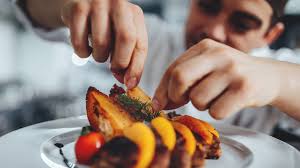
Effective service techniques ensure seamless food and beverage delivery. From handling plates to pouring drinks, these methods enhance efficiency and guest satisfaction in professional settings.
Proper techniques require coordination between hands, precise utensil handling, and adherence to service etiquette. These practices ensure food is presented elegantly and safely, enhancing the dining experience.
A. Serving Food
1. One-Handed Platter Service: Using a long grip, hold utensils in the right hand, sliding the spoon under the food while applying light pressure with the fork.
2. Two-Handed Service: At a buffet or side table, use a spoon in the right hand and a fork in the left, scraping drips to keep plates neat.
3. Arranging Food on Plates: Place meat at the plate’s lower part, sauces to the left, and side dishes for color harmony, ensuring rims remain clean.
4. Plate Handling Techniques: Carry one plate with thumb on the rim, or two plates with one balanced on the forearm, ensuring stability and cleanliness.
B. Beverage Service
1. Pouring Beverages: Hold glasses by the stem, pour from the right, and present wine to the host first, ensuring logos face the guest.
2. Decanting Heavy Wines: Hold the glass slightly slanted with the left hand, pouring slowly with the right to avoid disturbing sediment.
3. Clearing Glasses: Remove aperitif glasses after wine is served, and clear red-wine glasses after coffee or after-dinner drinks are provided.
C. Clearing and Handling
1. Sequence of Clearing: Remove platters first, then dinner plates with flatware, and finally smaller plates, ensuring the table is clear before dessert.
2. Handling Serving Dishes: Use both hands for platters, with a towel to prevent sliding, and carry flatware on a covered tray to avoid clattering.
3. Carrying Multiple Plates: Stack up to four plates, arranging flatware on the first plate, and scrape leftovers away from the guest’s view.
4. General Service Rules: Serve women and distinguished guests first, place food from the left, beverages from the right, and never reach across guests.
Frequently Asked Questions
1. What is the main difference between French and Russian service?
French service involves tableside preparation on a gueridon, while Russian service uses pre-prepared food on silver platters, served directly to guests.
2. Why is American service popular in coffee shops?
American service is fast, simple, and cost-effective, requiring minimal training and no special equipment, ideal for quick-service environments.
3. How does buffet service benefit large gatherings?
Buffet service allows guests to self-serve, reducing staff needs and offering a visually appealing spread, though it risks food shortages for latecomers.
4. What skills are essential for French service?
French service requires technical food preparation expertise and showmanship, as chefs perform tasks like carving or flambéing tableside.
5. How should plates be arranged for elegant service?
Meat is placed at the plate’s lower part, sauces to the left, and side dishes arranged for color harmony, with clean rims and proper plate orientation.
6. Why is beverage service done from the right?
Beverages are poured from the right to ensure free arm action for servers, avoiding bumping into guests and maintaining a smooth service flow.
7. What is the purpose of the long grip in platter service?
The long grip, using a spoon and fork in one hand, allows precise serving from platters, ensuring food is lifted and placed neatly.
Do you have any questions, suggestions, or contributions? If so, please feel free to use the comment box below to share your thoughts. We also encourage you to kindly share this information with others who might benefit from it. Since we can’t reach everyone at once, we truly appreciate your help in spreading the word. Thank you so much for your support and for sharing!