


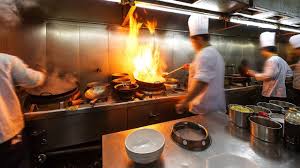
Food production in the kitchen is a blend of art, science, and skill, transforming raw ingredients into delectable dishes. This article examines kitchen operations, exploring cooking history, professional cookery, skills, hygiene, uniforms, kitchen features, layouts, and staffing for efficient food production.
The kitchen is the heart of any foodservice establishment, where creativity meets precision. Understanding its operations, from hygiene to staffing, is essential for delivering high-quality meals consistently. This article provides a comprehensive look at the elements that make a kitchen thrive.
Introduction to Cooking
Cooking is a fundamental human practice, evolving from early fire use to modern culinary arts. This section explores the history and styles of cooking that shape global cuisines.
Cooking enhances food digestibility, making nutrients more accessible while eliminating toxins. Its evolution reflects cultural diversity, with distinct styles emerging worldwide, each with unique techniques and flavors.
A. History of Cooking
Cooking, using heat to prepare food, dates back to early humans mastering fire. This practice made food more digestible, improving nutrient absorption and removing anti-nutrients and toxins, laying the foundation for culinary development across civilizations.
B. Major Culinary Styles
1. Chinese Cuisine: Balances color, aroma, and flavor, with distinct northern and southern styles, emphasizing harmony in dish preparation.
2. Indian Cuisine: Varies regionally, incorporating diverse cultures and traditions, with curry as a staple for cooking vegetables or meat.
3. Italian Cuisine: Features regional variations, from white sauces in the north to red sauces in the south, each with unique specialties.
4. French Cuisine: Known as haute cuisine, it sets a global standard with city-specific styles and favored ingredients.
C. Significance of Cooking
Cooking is both an art and a science, requiring technical knowledge and creativity. Its evolution has shaped culinary traditions, making it a cornerstone of cultural identity and gastronomic innovation.
Read Also: Floribunda Rose Flowers: All You Need To Know About
Professional Cookery
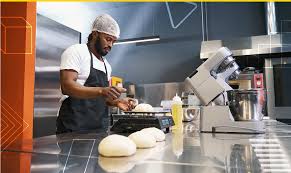
Professional cookery is categorized by the quality of materials used, reflecting craftsmanship. This section details the three main classes of professional cookery.
High-quality cookery demands skilled execution and premium ingredients. Each class of cookery serves different purposes, from simple to luxurious dining experiences.
A. Cuisine Simple/Plain Cookery
Cuisine simple uses basic necessities to prepare high-standard dishes with minimal materials. This approach focuses on efficiency and quality, suitable for everyday dining needs.
B. Cuisine Bourgeoisie
Cuisine bourgeoisie employs better raw materials to produce dishes of superior quality. It strikes a balance between simplicity and refinement, appealing to a broader audience.
C. Haute Cuisine/High Class Cookery
Haute cuisine uses the best possible raw materials to create top-quality dishes. This approach is associated with fine dining, emphasizing luxury and exceptional craftsmanship.
D. Craftsmanship in Cookery
Professional cookery requires skilled decision-making and technical expertise. Craftsmen in each category aim to elevate dishes through careful ingredient selection and preparation techniques.
Skills and Experience Levels
Kitchen roles are divided into supervisory, technical, and entry levels, each requiring specific skills. This section outlines the skills and responsibilities for each level.
Effective kitchen operations rely on a hierarchy of skilled workers. From management to basic tasks, each level contributes to a seamless food production process.
A. Supervisory Level
1. Executive Chef Duties: Organizes and motivates staff, plans menus, controls costs, manages budgets, purchases supplies, schedules production, trains workers, and ensures quality.
2. Management Skills: Requires thorough food production knowledge and strong supervisory abilities to lead the kitchen team effectively.
3. Coordination: Ensures smooth operations by aligning kitchen activities with other departments.
B. Technical Level
Cooks at this level are the backbone of the kitchen, executing food production. They need expertise in cooking techniques, teamwork, and coordination with other departments for efficient service.
C. Entry Level
Entry-level workers handle basic tasks like stewarding or vegetable preparation. With increased knowledge and experience, they take on more complex tasks, progressing toward skilled chef roles.
D. Skill Development
Continuous learning and practice are essential for advancing from entry-level to technical and supervisory roles, ensuring a skilled workforce capable of maintaining high standards.
Attitudes and Behavior in the Kitchen
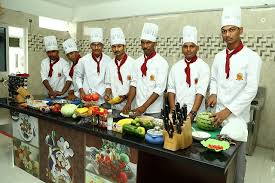
Professionalism in the kitchen hinges on attitudes that foster skill development and teamwork. This section explores the key qualities of successful foodservice workers.
A positive attitude enhances learning and resilience in the fast-paced kitchen environment. These qualities ensure high performance and a cohesive team dynamic.
A. Professionalism
1. Positive Attitude: A chef with a positive attitude works quickly, efficiently, neatly, and safely, enhancing overall kitchen productivity.
2. Staying Power: Requires good health, stamina, and willingness to work long hours to meet kitchen demands.
3. Teamwork: Effective collaboration with colleagues is essential for smooth kitchen operations.
B. Communication and Learning
Effective communication ensures clear instructions and coordination. An eagerness to learn drives skill development, enabling workers to handle diverse tasks and innovate.
C. Creativity and Quality
Chefs must aim for quality, maintain equipment, and adhere to safety rules. Creativity, grounded in a strong understanding of basics, distinguishes exceptional dishes.
D. Experience
Years of practice build irreplaceable experience, enabling chefs to handle complex tasks and maintain consistency in food quality and presentation.
Kitchen Hygiene and Food Handling
Hygiene is critical to prevent foodborne illnesses and ensure food safety. This section covers personal hygiene and food handling practices for kitchen staff.
Proper hygiene and food handling practices protect guests and maintain kitchen standards. Adhering to these rules is essential for safe food production.
A. Personal Hygiene
1. Daily Hygiene: Shower or bathe daily, wear clean clothes and uniforms, and avoid working with communicable diseases.
2. Hand Hygiene: Wash hands before and during work, after using the toilet, or handling raw food to prevent contamination.
3. Behavioral Practices: Avoid touching hair, nose, or mouth, coughing over food, smoking, or sitting on work surfaces.
B. Food Handling Practices
1. Minimize Contact: Handle food as little as possible, using clean spoons for tasting and separate tools for raw and cooked items.
2. Storage Rules: Use airtight containers for dry food, store at -18°C for freezers, keep cold rooms under 5°C, and maintain hot food above 65°C.
3. Clean Equipment: Wash and wipe tools after use, reboil stocks and sauces, and quickly chill high-risk foods.
C. Preventing Contamination
Follow FIFO (first in, first out) for storage, wash ingredients, and keep work areas clean to prevent germs from multiplying and ensure food safety.
D. Health Precautions
Cover open cuts or burns with waterproof dressings. Staff with diarrhea, sore throat, or colds must not handle food to prevent contamination.
Uniforms and Protective Clothing
Uniforms and protective clothing ensure safety and hygiene in the kitchen. This section details the components and their purposes.
Proper attire protects chefs and maintains a professional appearance. Each piece of the uniform serves a specific function in the kitchen environment.
A. Chef Cap
The chef cap covers hair and retains sweat, preventing contamination and maintaining hygiene while handling food in the kitchen.
B. Scarf and Chef Coat
1. Scarf: Retains neck sweat and reduces cold risk in walk-in coolers, adding neatness to the uniform.
2. Chef Coat: Double-breasted cotton protects the chest from heat, with white color showing dirt and absorbing less heat.
3. Apron: Protects the chef coat and trousers but should not be used to wipe hands.
C. Trousers and Shoes
Trousers are typically black or checkered, while ankle-high leather shoes with rubber soles and steel toes ensure safety and hygiene.
D. Maintenance
Uniforms must be clean, with frequent sock changes and proper care to maintain a professional appearance and prevent contamination.
Safety in Handling Equipment
Safe equipment handling prevents accidents and ensures efficient kitchen operations. This section outlines key safety procedures.
Adhering to safety protocols protects staff and maintains equipment functionality. Proper use and maintenance are critical for a safe kitchen environment.
A. Equipment Operation
1. Understanding Equipment: Only use equipment after understanding its operation to avoid accidents.
2. Safety Devices: Use all guards and safety devices, and never touch or remove food from running equipment.
3. Electrical Safety: Unplug equipment before cleaning, avoid wet hands, and ensure switches are off before plugging in.
B. Maintenance Practices
Remove food particles with appropriate tools, wear properly fitting clothing, and stack equipment stably to prevent falls and ensure safety.
C. Proper Use
Use equipment only for its intended purpose, test assembly before use, and ensure proper storage to maintain functionality and safety.
D. Training
Staff must be trained to handle equipment correctly, ensuring they follow safety protocols and understand the risks of improper use.
Kitchen Features
The kitchen’s design and features impact its efficiency and staff well-being. This section explores key elements of a functional kitchen.
A well-designed kitchen enhances workflow and safety. Features like ventilation, layout, and equipment are critical for operational success.
A. Ceiling and Work Range
High ceilings and ample work ranges create a spacious, psychologically beneficial environment, improving staff efficiency and comfort in the kitchen.
B. Ventilation and Movability
1. Ventilation: Proper ventilation manages smoke and steam, ensuring a comfortable and safe working environment.
2. Movability: Uncongested workspaces prevent hindrances, especially during peak hours, allowing smooth staff movement and operations.
3. Location: Kitchens should be remote from main areas to minimize noise and odor disturbances.
C. Utilities
Fuel and water availability are crucial. Modern kitchens require reliable fuel sources and adequate water for cleaning, cooking, and other processes.
D. Flooring and Equipment
Anti-skid flooring and hygienic tiling prevent accidents and ease cleaning. Modern equipment supports convenience foods and efficient operations.
Kitchen Layouts and Shapes
A kitchen’s layout determines its operational efficiency. This section details various layout designs and their applications.
The right layout optimizes workflow and space usage. Different shapes cater to specific needs, from small studios to large restaurants.
A. One-Walled Kitchen
Also called Pullman or straight-line kitchen, it aligns cooking range, sink, and refrigerator along one wall, ideal for small studios or lofts.
B. Square and Rectangular Kitchens
1. Square Kitchen: Rare due to inefficient center space use and hygiene challenges from spillages.
2. Rectangular Kitchen: Common for high-activity kitchens, maximizing space and optimizing the work zone triangle for efficiency.
3. Applications: Rectangular layouts suit hospitals and large restaurants with diverse operations.
C. Parallel and U-Shaped Kitchens
Parallel (galley) kitchens use two opposite walls with a central walkway, while U-shaped kitchens offer efficient, compact workflows with minimal criss-crossing.
D. L-Shaped Kitchen
Used in small canteens and kiosks, this layout places the work zone triangle effectively along two adjoining walls, optimizing small spaces.
Read Also: Mimosa Flowers (Mimosa Pudica): Complete Growing and Care Guide
Kitchen Staffing
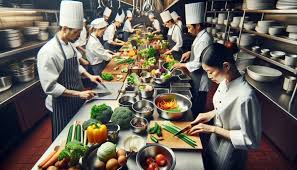
The kitchen’s success relies on its staff, often called the kitchen brigade. This section explores staffing structures and roles.
A skilled and organized team is the lifeblood of a kitchen. Proper staffing ensures efficient operations and high-quality food production.
A. Classical Brigade
1. Structure: Introduced by Chef Auguste Escoffier, it includes executive chef, sous chef, chefs de partie, commis, apprentices, and helpers.
2. Purpose: Divides the kitchen into specialized parties (e.g., grill, roast, vegetarian) to fix duties and responsibilities.
3. Historical Context: Designed when few machines were available, emphasizing manpower allocation.
B. Modern Staffing
Modern hotels employ specialized chefs de partie under the sous chef, each focusing on specific areas like sauces, roasts, or pastries.
C. Executive Chef Roles
1. Menu Planning: Considers factors influencing menus to ensure variety and appeal.
2. Forecasting and Purchasing: Estimates production volumes and manages raw material procurement to avoid waste or shortages.
3. Work Scheduling: Oversees all kitchen activities to ensure smooth operations.
D. Chef Roles and Responsibilities
1. Sous Chef: Manages daily kitchen operations, supporting the executive chef.
2. Chefs de Partie: Include sauce, roast, fish, grill, vegetable, soup, larder, pastry, relief, breakfast, and staff cooks, each specializing in specific tasks.
3. Commis: Assist with mise en place, supporting chefs de partie in daily operations.
Frequently Asked Questions
1. What is the definition of cookery?
Cookery is a chemical process involving heat application and withdrawal, proper ingredient mixing, decision-making, and technical skills, often considered both an art and a science.
2. What are the main culinary styles?
The four major styles are Chinese (balancing color, aroma, flavor), Indian (regionally diverse with curry), Italian (white to red sauces), and French (haute cuisine standard).
3. Why is hygiene critical in the kitchen?
Hygiene prevents foodborne illnesses by minimizing germ multiplication. Practices like hand washing, clean uniforms, and proper food storage ensure safe food production.
4. What is the role of the executive chef?
The executive chef plans menus, forecasts production, purchases supplies, schedules work, trains staff, controls costs, and ensures quality, overseeing all kitchen operations.
5. How does kitchen layout impact operations?
A proper layout optimizes workflow, ensures efficient use of space, and supports water, electricity, and fuel flow, enhancing kitchen competency and staff efficiency.
6. What are the benefits of a U-shaped kitchen?
The U-shaped kitchen is efficient, compact, and step-saving, with a workflow that minimizes criss-crossing and optimizes the work zone triangle for productivity.
7. Why is a positive attitude important for kitchen staff?
A positive attitude enhances efficiency, neatness, and safety, helping chefs learn skills, overcome challenges, and work effectively as a team in the kitchen.
8. How does proper equipment handling ensure safety?
Using equipment only after understanding its operation, employing safety devices, and avoiding wet hands or improper use prevents accidents and maintains functionality.
Do you have any questions, suggestions, or contributions? If so, please feel free to use the comment box below to share your thoughts. We also encourage you to kindly share this information with others who might benefit from it. Since we can’t reach everyone at once, we truly appreciate your help in spreading the word. Thank you so much for your support and for sharing!