



The order of serving meals varies by meal type and time of day. This article details how to serve breakfast, lunch, dinner, and the prestigious five diamond service. It also covers proper cover laying for dishes, from hors d’oeuvres to desserts.
Understanding meal service enhances customer satisfaction. Servers must adapt to different customer needs, ensuring efficiency and courtesy. Proper table setting complements the dining experience, reflecting attention to detail.
Serving Breakfast

Breakfast service requires efficiency, as many customers are in a hurry. A positive server attitude, combined with prompt service, can improve the dining experience. Specific procedures ensure a smooth and satisfying meal.
Breakfast menus often include fruit, cereal, or hot dishes. Servers must prioritize quick delivery and proper presentation. Adhering to a structured service order enhances customer satisfaction during busy mornings.
A. Fruit and Juice Service
1. Initial Serving: Serve fresh fruit or juice first, placed centrally.
2. Clear Dishes: Remove soiled dishes before serving toast and coffee.
3. Presentation: Use an underliner for fruit dishes to maintain neatness.
B. Combination Orders
1. Unified Service: Serve cooked food, toast, and coffee together if requested.
2. Placement: Place fruit dish centrally, toast to the left, coffee to the right.
3. Organization: Ensure proper utensil placement for a balanced cover.
C. Cereal and Hot Dish Service
1. Sequential Service: Place fruit course first, followed by cereal or hot dishes.
2. Clear Courses: Remove each course before presenting the next.
3. Finger Bowl: Provide a finger bowl after fruit that may soil fingers.
D. Final Steps
1. Clear Table: Remove breakfast and bread plates promptly.
2. Present Check: Place the sales check face down on a clean tray.
3. Customer Comfort: Ensure all customer needs are met before departure.
Read Also : Operating Principles and Guide for Proper Fish Hatcheries
Serving Lunch
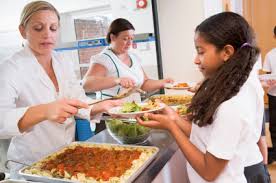
Lunch service caters to diverse groups, such as businesspeople needing quick service or shoppers seeking leisurely dining. Servers must adapt to these preferences to ensure satisfaction.
Proper lunch service involves timely delivery of courses and attention to detail. From appetizers to desserts, each step enhances the dining experience for varied customer needs.
A. Initial Setup
1. Water Service: Fill water glasses three-fourths full with iced water.
2. Butter Service: Place chilled butter on a cold bread-and-butter plate.
3. Appetizer Placement: Serve the appetizer centrally on the cover.
B. Main Course Service
1. Soup Service: Place soup centrally, removing appetizer dishes first.
2. Entree Delivery: Serve the entree plate centrally with vegetables above.
3. Beverage Placement: Position hot or iced beverages appropriately.
C. Dessert and Cleanup
1. Clear Main Course: Remove main-course dishes and unused silver.
2. Dessert Service: Place dessert silver and service centrally.
3. Table Maintenance: Crumb the table if necessary before dessert.
D. Final Touches
1. Finger Bowl: Provide a finger bowl with warm water post-dessert.
2. Present Check: Deliver the check face down for convenience.
3. Customer Care: Ensure all guest needs are addressed promptly.
Serving Dinner
Dinner service focuses on leisurely dining without rushing guests. Servers must balance attentiveness with allowing ample time for each course, ensuring a pleasant experience.
Efficient service and observation of guest needs are critical. Proper timing and presentation of courses, from appetizers to desserts, create a refined dining atmosphere.
A. Appetizer and Soup
1. Appetizer Service: Place hors d’oeuvres centrally from the left.
2. Soup Delivery: Serve soup centrally after clearing appetizers.
3. Clear Courses: Remove each course promptly to maintain flow.
B. Main Course
1. Entree Presentation: Serve entrees on a platter above the cover.
2. Beverage Service: Place beverages to the right of teaspoons.
3. Bread Service: Offer rolls within reach of all guests.
C. Dessert and Beverages
1. Table Maintenance: Crumb the table if needed before dessert.
2. Dessert Service: Place dessert silver and service centrally.
3. Beverage Offer: Offer hot coffee or tea post-dessert.
D. Check Presentation
1. Timely Delivery: Present the check face down after the last course.
2. Guest Courtesy: Inquire about additional needs courteously.
3. Farewell: Express sincere goodbyes and invite guests to return.
Five Diamond Service
Five diamond service represents the pinnacle of dining elegance. It involves a coordinated team effort to deliver exceptional service, ensuring a luxurious experience for guests.
This service style emphasizes attention to detail and personalized care. From seating to dessert, each step is meticulously planned to exceed guest expectations.
A. Initial Guest Interaction
1. Host Welcome: The hostess or maitre d’ seats and welcomes guests.
2. Water Service: The front waiter offers water and lights candles.
3. Cocktail Service: The captain takes cocktail orders and presents the wine list.
B. Course Delivery
1. Amuse Service: The back server delivers and explains the amuse.
2. Menu Presentation: The maitre d’ presents the menu and specials.
3. Wine Service: The captain pours and explains wine selections.
C. Main Course and Beyond
1. Course Setup: The front waiter sets up for up to two courses.
2. Brioche Service: The back waiter provides brioche and butter.
3. Entree Delivery: The runner and back waiter serve entrees precisely.
D. Dessert and Final Service
1. Table Clearing: The back waiter clears and crumbs the table.
2. Dessert Service: The front waiter takes dessert orders and sets up.
3. Final Offerings: The captain offers cognacs, ports, or sherry.
Read Also: Floribunda Rose Flowers: All You Need To Know About
Cover Laying for Various Foods
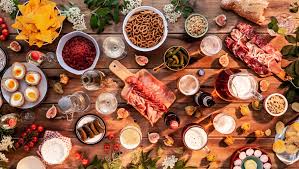
Proper cover laying ensures a polished dining experience. Each dish requires specific utensils and presentation to enhance the meal’s enjoyment and functionality.
From hors d’oeuvres to desserts, the correct cover setup reflects professionalism. Detailed below are the standard utensils and placements for various dishes.
A. Hors d’Oeuvres
1. Grapefruit Cocktail: Use a coupe, doily on sideplate, and grapefruit spoon.
2. Tomato Juice: Serve in a 5oz goblet with a teaspoon.
3. Oysters: Place on a soup plate with crushed ice, oyster fork, and finger bowl.
B. Soups
1. Crème de Tomate: Use a soup spoon, soup plate, and underplate.
2. Consommé: Serve in a cup with a saucer and sweet spoon.
3. Bouillabaisse: Use a soup plate, fish knife, fork, and sweet spoon.
C. Fish Dishes
1. Fried or Grilled Fish: Use a fish knife, fork, and hot fish plate.
2. Crawfish: Include a spare plate for shells and a finger bowl.
3. Cold Lobster: Provide a lobster pick, fish knife, and fork.
D. Meat and Poultry
1. Roast Meats: Use a joint knife, fork, and hot joint plate.
2. Mixed Grill: Serve with a steak knife, fork, and hot joint plate.
3. Poultry: Use a joint knife, fork, and hot joint plate.
E. Desserts and Savories
1. Fruits and Nuts: Use a fruit plate, interlocked knife and fork, and finger bowls.
2. Cheese: Provide a side plate, side knife, and small fork if needed.
3. Savory: Serve on a hot fish plate with a side knife and sweet fork.
Frequently Asked Questions
1. Why does meal service order vary by time of day?
The order varies to accommodate customer needs, such as quick service for breakfast or leisurely dining for dinner, ensuring satisfaction.
2. How should servers handle breakfast customers in a hurry?
Servers should provide prompt, cheerful service, prioritizing quick delivery of fruit, toast, and coffee to meet customer expectations.
3. What distinguishes five diamond service from standard service?
Five diamond service involves a team approach, personalized attention, and meticulous details like amuse service and wine explanations.
4. Why is cover laying important in dining?
Proper cover laying enhances the dining experience by ensuring appropriate utensils and presentation for each dish, reflecting professionalism.
5. How can servers ensure guest satisfaction during dinner?
Servers should provide leisurely service, avoid long waits, and observe guests to promptly serve courses and meet special needs.
6. What should servers do when presenting the check?
Present the check face down promptly after the last course, inquire about additional needs, and thank guests sincerely.
7. How does proper table crumbing improve the dining experience?
Crumbing removes debris, maintaining a clean and polished table, which enhances the overall aesthetic and guest comfort.
Do you have any questions, suggestions, or contributions? If so, please feel free to use the comment box below to share your thoughts. We also encourage you to kindly share this information with others who might benefit from it. Since we can’t reach everyone at once, we truly appreciate your help in spreading the word. Thank you so much for your support and for sharing!