



Order taking in a restaurant is a skillful art that showcases the efficiency of both the waiter and the establishment. This article explores the procedures for receiving guests, attending orders, and the various methods of order taking, ensuring a seamless dining experience.
Effective order taking enhances guest satisfaction and reflects the restaurant’s service quality. Waiters must possess specific skills and follow structured procedures to handle diverse customers efficiently. Below, we detail the key aspects of order taking in a restaurant setting.
Qualities of an Effective Waiter
A waiter’s skills are crucial for smooth order taking and exceptional service. This section outlines the essential qualities that enable waiters to meet guest expectations effectively.
A waiter must excel in multiple areas to ensure a positive dining experience. From memory to communication, these skills help manage orders accurately and enhance guest satisfaction.
A. Memory and Communication
1. Good Memory: A waiter should have a strong memory to recall orders accurately without frequent reference to notes.
2. Oral Communication Skills: Clear and concise communication ensures guests understand menu options and feel confident in their choices.
3. Rapid Writing Skills: Legible handwriting allows subordinates to understand and execute orders efficiently, minimizing errors.
B. Food and Beverage Knowledge
A waiter must be knowledgeable about food and beverage offerings, including garnishes, accompaniments, and matching wines or spirits. Understanding cooking and serving times, along with clear descriptions of dishes, helps guide guests in their selections.
C. Dish Recommendations
Waiters should know which dishes are ready for quick service, suitable for children, or complement main courses. Suggestions for salads, vegetables, and potatoes enhance the dining experience for a la carte guests.
D. Professional Presentation
A waiter’s ability to present dishes lucidly and recommend specialties of the day builds trust with guests. This expertise ensures guests feel informed and valued during the ordering process.
Read Also : Proper Irrigation and Drainage Guide
Receiving Guests

Welcoming guests sets the tone for their dining experience. This section covers the procedures for greeting and seating guests to ensure a positive first impression.
The initial interaction with guests is critical for establishing the restaurant’s service quality. Proper welcoming procedures demonstrate attentiveness and professionalism from the moment guests arrive.
A. Prompt Greeting
Guests must be welcomed at the restaurant’s entrance within 10 seconds. A prompt greeting, even if just eye contact, shows they are acknowledged and valued.
B. Handling Overbooking
1. Overbooking Solution: If tables are overbooked, guests should be invited to sit at the bar while the issue is resolved discreetly.
2. Avoid Waiting at Entrance: Guests should never be left unattended at the entrance, as this creates a poor first impression.
3. Team Coordination: If the hostess or maître d’ is occupied, the head waiter or assistant waiter must acknowledge guests immediately.
C. Seating Guests
The hostess or head waiter accompanies guests to their table, pulling out chairs for them to sit. This gesture ensures guests feel welcomed and comfortable from the start.
D. Immediate Attention
The head waiter or assistant waiter presents themselves at the table immediately after seating to confirm that guests are being attended to promptly.
Attending an Order
Taking orders efficiently requires patience, attentiveness, and knowledge. This section details the steps for engaging with guests during the order-taking process.
Attending an order is a critical interaction that shapes the guest’s dining experience. Waiters must balance efficiency with courtesy to meet guest needs effectively.
A. Presenting Menus
The waiter approaches from the left, places clean menus in front of guests, and enquires, “May I have your order please, sir/madam?” This sets a professional tone for the interaction.
B. Allowing Time for Decisions
For long and varied menus, waiters should give guests a few minutes to decide before taking orders. This ensures guests feel unhurried and comfortable.
C. Order Prioritization
1. Host Instructions: If there is a host, take their instructions first to streamline the process.
2. First-Come, First-Served: When two tables are occupied simultaneously, the waiter prioritizes the first party to maintain fairness.
3. Managing Delays: If busy, the waiter informs guests they will be attended shortly, maintaining clear communication.
D. Knowledge of Offerings
Waiters must know daily specials and recommend dishes, including quick-service options, child-friendly items, and complementary sides, to enhance the guest’s dining experience.
Recording an Order

Accurate order recording ensures smooth communication between the front and back of the house. This section outlines the steps for documenting orders correctly.
Recording orders systematically prevents errors and ensures the kitchen can execute requests efficiently. The process involves clear notation and organization.
A. Order Sheet Details
1. Table Information: The head waiter writes the table number, number of persons, and time the order is taken on the order sheet.
2. Appetizer Orders: Orders for appetizers are noted, indicating the guest number for each selection.
3. Main Dish Orders: Main dishes are recorded with special notes, such as spice preferences, on the right side of the sheet.
B. Handling Non-Orders
If a guest skips an appetizer or main dish, the head waiter notes “no appetizer” or “no main dish” with the corresponding guest number to avoid kitchen confusion.
C. Finalizing the Order
The head waiter tallies the total number of dishes ordered, separates headings for clarity, adds the date, and signs the voucher before passing it to the back waiter.
D. Sample Order Voucher
1. Example Format:
Table No: FA Covers: 4 12h30m
2 Onion soup (1, 3)
1 No (2)
1 White soup (4)
1 No (1)
2 Tournedos (3R, 2wd)
1 Beef pie (4)
2. Purpose: This format ensures clarity for kitchen staff and tracks guest preferences accurately.
Methods of Taking Food and Beverage Orders
Restaurants use various methods to take food and beverage orders, each suited to specific service styles. This section explores the four primary methods.
Understanding order-taking methods helps streamline service and billing processes. Each method is designed to balance efficiency and guest satisfaction.
A. Triplicate Method
1. Process: The waiter takes the order, sending the top copy to the kitchen, the second to the cashier for billing, and retaining the third for reference.
2. Use Case: Common in formal dining settings where separate records are needed for service and billing.
3. Benefit: Ensures accurate tracking of orders across multiple departments.
B. Duplicate Method
The waiter takes the order, sends the top copy to the kitchen, and retains the second for service and billing. This method is simpler and often used in casual dining settings.
C. Service with Order Method
Orders are taken, served, and paid for immediately, as in bar service or take-away. This method prioritizes speed and is ideal for quick-service environments.
D. Pre-Ordered Method
1. Examples: Includes room service breakfast, hospital tray systems, or event catering.
2. Process: Orders are placed in advance, allowing preparation before service.
3. Advantage: Enhances efficiency for large groups or specialized services.
Room Service Operations
Room service is an extension of the restaurant’s offerings, providing meals and beverages directly to guests’ rooms. This section covers its operations and order-taking procedures.
Room service requires precision and discretion to maintain guest satisfaction. It operates within the food and beverage department, distinct from housekeeping.
A. Room Service Setup
1. Location: Room service is often situated near the kitchen and service elevator for quick delivery.
2. Equipment: Includes workstations, toasters, sinks, coffee/tea machines, product shelves, tray storage, and refrigerators.
3. Service Tools: Trays or rolling tables are used, with food covered during transport and uncovered in the room.
B. Order Taking Methods
1. Door Hanger: Guests fill out a document placed on their door knob, collected by night audit for preparation.
2. Telephone Orders: Orders are taken via phone, requiring speed and accuracy to capture guest details.
3. Digital Assistance: Digital phones display guest names and room numbers, improving efficiency.
C. Door Hanger Details
The door hanger includes the desired service time, guest name, number of people, room number, detailed breakfast order, and newspaper preferences, ensuring personalized service.
D. Telephone Order Details
Telephone orders record the room number, guest name, number of persons, detailed order, order time, and service time, ensuring all details are captured accurately.
Read Also : Operating Principles and Guide for Proper Fish Hatcheries
Room Service Procedures
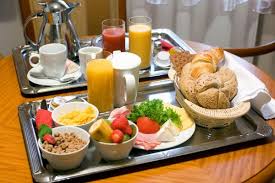
Delivering room service requires careful attention to detail and guest privacy. This section outlines the steps for efficient and discreet service.
Room service enhances the guest experience by providing convenient dining options. Proper procedures ensure meals are delivered promptly and professionally.
A. Service Protocol
1. Verification: Verify the guest’s name on the bill before delivery.
2. Announcement: Knock and announce “room service” before entering.
3. Greeting: Greet the guest by name (e.g., “Good morning, Mr. X”) and ask where to place the tray.
B. Food Presentation
Remove plastic covers from food, list the ordered items for the guest, and ask them to sign the bill. This ensures transparency and guest satisfaction.
C. Tray Clearance
1. Guest Instructions: Explain how to handle the tray after dining, either by placing it outside or calling for pickup.
2. Discretion: Clear trays 20 minutes after service or upon guest request to minimize intrusion.
3. Department Coordination: Avoid conflicts with housekeeping by ensuring trays are cleared promptly.
D. Staff Knowledge
Room service staff must know hotel amenities and technical details to answer guest questions, enhancing the overall guest experience during their stay.
Frequently Asked Questions
1. What makes a waiter effective in order taking?
An effective waiter has a strong memory, clear communication skills, extensive food and beverage knowledge, and the ability to recommend dishes, ensuring accurate and guest-focused service.
2. Why is welcoming guests promptly important?
Prompt welcoming within 10 seconds creates a positive first impression, showing guests they are valued and ensuring the restaurant’s service quality is immediately evident.
3. How does the triplicate method work?
The triplicate method involves taking an order, sending the top copy to the kitchen, the second to the cashier for billing, and retaining the third for reference during service.
4. What is the purpose of the door hanger in room service?
The door hanger allows guests to pre-order room service, specifying service time, breakfast details, and preferences, enabling efficient preparation and timely delivery.
5. How should waiters handle overbooking issues?
Guests should be invited to sit at the bar while the hostess resolves the issue discreetly, ensuring guests are not left waiting at the entrance.
6. Why is tray clearance important in room service?
Prompt tray clearance prevents clutter on hotel floors and minimizes intrusion into guests’ privacy, maintaining a professional and clean environment.
7. What information is recorded in a telephone room service order?
Telephone orders include the room number, guest name, number of persons, detailed order, order time, and service time for accurate and efficient service.
Do you have any questions, suggestions, or contributions? If so, please feel free to use the comment box below to share your thoughts. We also encourage you to kindly share this information with others who might benefit from it. Since we can’t reach everyone at once, we truly appreciate your help in spreading the word. Thank you so much for your support and for sharing!