


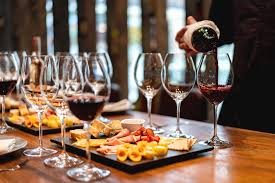
The combination of food and wine is one of life’s great pleasures. It is as old as winemaking. The flavor of wine consumed on its own will taste different from when it is consumed with food. Wine and food pairing is an individual choice.
Every person’s sense of taste is different. In general, each person should decide for themselves what combinations of wine and food taste good. Pairing wine with food is more complicated than “red with beef and white with fish.”
Ultimately, a wine should complement the food and cleanse the palate. Food and its accompanying wine should harmonize well together, with each enhancing the other’s performance.
Read Also: Deep Litter Poultry Production System
Key Characteristics of Wine and Food Pairing
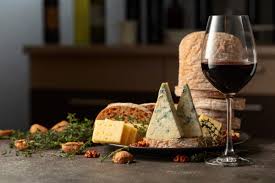
1. Acidity in Wine and Food
Acidity can be used to match or contrast acidity in foods. For example, crisp wine can go well with lemon or tomato.
2. Age and Maturity of Wine
The more a wine matures, the more delicate it becomes with complex and intricate flavors. This goes better with grills and roasts. Stronger-tasting foods could overpower the wine.
3. Oak Influence in Wine
The more oaked wines go better with more robust and flavored foods.
4. Sweetness in Wine and Food
It is expected that the wine should taste sweeter than the food so that it does not taste flat or thin with the food. Sweet foods need to be contrasted to blend well with sweeter wine. For example, acid in foods can harmonize well with sweetness in wine.
5. Tannin in Wine
Tannic wines match well with red meats and semi-hard cheese but not with egg dishes and salty foods.
6. Weight of Wine and Food
Big, rich wines go well with robust, flavorsome meat dishes but not light-flavored foods, which they easily overpower.
Traditional Guidelines for Wine and Food Pairing
Over the years, traditions have developed a how-to approach to the pairing of wines and foods. Generally, the following traditions apply:
- White wine is best served with white meat, shellfish, and fish.
- Red wine is best served with red meat.
- The heavier the food, the more robust the wine should be.
- Champagne can be served throughout the meal.
- Port and red wine go well with cheese.
- Dessert wines best complement desserts and fresh fruits that are not highly acidic.
- When a dish is cooked with wine, it is best served with that wine.
- Regional food is best complemented by wines from the region.
Wines should never accompany salads with vinegar dressings, chocolate dishes, or curries, as the taste will clash or be overpowering. Sweet wines should be served with foods that are not too sweet.
Read Also: Animal Segregation Analysis: Complex Segregation Analysis
Essential Rules for Effective Wine and Food Pairing
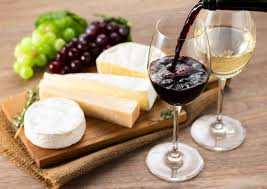
The most important rules when it comes to wine and food pairing are:
1. Choose Preferred Flavors
Choose a wine that one would want to drink, rather than hoping a food match will improve a wine made in a style that is not preferred. That way, even if the pairing is not perfect, what is being drunk will still be enjoyed; at worst, a sip of water or bite of bread might be needed between the dish and the glass. The same holds true for the food. After all, if liver is detested, no wine pairing with it will work.
2. Seek Balance in Pairing
Consider the weight or body, or richness of both the food and the wine. The wine and the dish should be equal partners, with neither overwhelming the other. If the two are balanced by weight, the odds of a successful pairing increase dramatically. This is the secret behind many classic wine and food matches.
3. Match Wine to the Dominant Flavor
This is critical to fine-tuning wine pairings. Identify the dominant character; more often, it is the sauce, seasonings, or cooking method, rather than the main ingredient. Consider two different chicken dishes: chicken Marsala, with its browned surface and a sauce of dark wine and mushrooms, versus a chicken breast poached in a creamy lemon sauce. The caramelized, earthy flavors of the former tilt it toward a soft, supple red, while the simplicity and citrus flavors of the latter call for a fresh white.
4. Consider Structure and Texture
Ideally, a wine’s components are in balance, but the food pairing can affect that balance, negatively or positively. Elements in a dish can accentuate or diminish the acidity and sweetness of a wine, and the bitterness of its tannins.
High levels of acidic ingredients, such as lemon or vinegar, for example, benefit high-acid wines by making them feel softer and rounder in comparison. On the other hand, tart food can turn balanced wines flabby.
Sweetness on the palate can make a dry wine taste sour but pairs well with a bit of sweetness in the wine; as long as a wine balances its sugar with enough natural acidity (such as German Rieslings and demi-sec Champagnes), it can work very well with many dishes.
Tannins interact with fats, salt, and spicy flavors.
Rich, fatty dishes such as steak diminish the perception of tannins, making a robust wine such as a Cabernet seem smoother, as do lightly salty foods like Parmigiano-Reggiano cheese. However, very salty foods increase the perception of tannins and can make a red wine seem harsh and astringent; salt likewise accentuates the heat of a high-alcohol wine.
Very spicy flavors also tend to react badly with tannins and high alcohol, making the wines feel hotter; such dishes fare better with fruity or lightly sweet wines.
5. Find Flavor Connections
This is where pairing can be endless fun. The aromatics of wine often remind one of foods such as fruits, herbs, spices, and butter. A good match can be created by including ingredients in a dish that echo and therefore emphasize the aromas and flavors in a wine. For a Cabernet, for example, currants in a dish may bring out the wine’s characteristic dark fruit flavors, while a pinch of sage could highlight hints of herbs.
On the other hand, similar flavors can have a “cancellation effect” balancing each other out so that other aspects of a wine come out more strongly. Serving earthy mushrooms with an earthy red might end up giving more prominence to the wine’s fruit character.
6. Account for Wine Age
Aged wines present a different set of textures and flavors. As a wine matures, the power of youth eventually subsides; the tannins soften, and the wine may become more delicate and graceful. Fresh fruit flavors may give way to earthy and savory notes, as the wine takes on more complex, secondary characteristics.
When choosing dishes for older wines, tone down the richness and big flavors and look for simpler fare that allows the nuances to shine through. For example, rather than a grilled, spice-rubbed steak with an older Cabernet, try lamb braised for hours in stock.
Frequently Asked Questions (FAQs)
- What makes wine and food pairing a personal choice?
Wine and food pairing is personal because each person’s sense of taste is unique. Individuals should choose combinations that taste good to them, as preferences vary, and the goal is for the wine to complement the food and enhance the dining experience. - How does acidity in wine and food affect pairing?
Acidity in wine can either match or contrast with acidic foods. For example, a crisp wine pairs well with lemon or tomato dishes, as the acidity harmonizes or balances the flavors, creating a cohesive taste experience. - Why is the weight of wine and food important in pairing?
The weight, or richness, of both wine and food should be balanced so neither overpowers the other. Big, rich wines pair well with robust meat dishes, while lighter wines suit delicate, light-flavored foods to ensure harmony. - What role does the dominant flavor in a dish play in wine pairing?
The dominant flavor, often from the sauce, seasonings, or cooking method, guides the wine choice. For example, chicken Marsala’s earthy flavors pair with a soft red, while a creamy lemon chicken dish calls for a fresh white. - How do tannins influence wine and food pairing?
Tannic wines pair well with red meats and semi-hard cheeses, as fats reduce the perception of tannins, making the wine smoother. However, tannins clash with egg dishes, salty foods, or spicy flavors, which can make the wine seem harsh. - What are some traditional guidelines for pairing wine with food?
Traditional guidelines include pairing white wine with white meat, shellfish, and fish; red wine with red meat; robust wines with heavier foods; champagne throughout a meal; and dessert wines with non-acidic desserts or fruits. - How does the age of a wine affect its food pairing?
As wines age, tannins soften, and flavors become more delicate and complex, with earthy, savory notes. Older wines pair better with simpler dishes, like braised lamb, to highlight their nuances rather than rich, bold foods. - Why should wines avoid pairing with certain foods like vinegar salads or chocolate?
Wines should avoid vinegar-based salads, chocolate dishes, or curries because their strong flavors can clash with or overpower the wine, disrupting the harmony and making the wine taste flat or unpleasant.
Do you have any questions, suggestions, or contributions? If so, please feel free to use the comment box below to share your thoughts. We also encourage you to kindly share this information with others who might benefit from it. Since we can’t reach everyone at once, we truly appreciate your help in spreading the word. Thank you so much for your support and for sharing!