


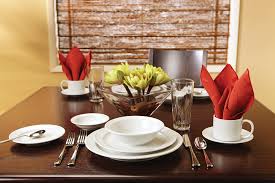
The art of serving meals and setting tables enhances dining experiences. This article explores the proper sequence for serving breakfast, lunch, dinner, and the prestigious five diamond service. It also details how to lay covers for various dishes, from hors d’oeuvres to desserts.
Understanding meal service ensures guests feel valued and comfortable. Each meal breakfast, lunch, dinner has unique pacing and requirements, tailored to the time of day and guest expectations. The following sections provide detailed guidance on service procedures and cover settings.
Breakfast Service
Breakfast service caters to guests often in a hurry. A cheerful attitude and efficient service can set a positive tone. Servers must adapt to guest preferences, ensuring prompt delivery of dishes while maintaining a welcoming demeanor.
A. Serving Fruit and Beverages
1. Fruit or Juice First: When guests order fruit or juice, serve it first, placing it in the center of the cover. Remove soiled dishes before serving toast and coffee to keep the table tidy.
2. Combined Orders: If guests request cooked food, toast, and coffee together, place the fruit dish on an underliner in the center, toast to the left of the forks, and coffee to the right of the teaspoons.
3. Timing Considerations: Serve promptly to accommodate guests in a rush, ensuring a seamless start to their day.
B. Cereal and Hot Dishes
1. Cereal Service: For orders including cereal and a hot dish, place the fruit course in the center of the cover first. Remove it before proceeding.
2. Hot Dish Setup: Place the breakfast plate with eggs or meat in the center, toast to the left of the forks, and coffee to the right of the spoons.
3. Final Steps: Remove the breakfast and bread plates, then place a finger bowl one-third full of warm water for cleanliness.
4. Check Presentation: Present the sales check face down on the right or on a clean change tray.
C. Special Considerations
1. Finger Bowl Timing: Place the finger bowl after the fruit course if fruits that soil fingers are served, ensuring guest comfort.
2. Guest Interaction: Maintain a positive demeanor to uplift guests, especially those not in the best spirits early in the morning.
3. Efficiency Tips: Clear dishes promptly to avoid clutter and ensure a smooth dining experience for hurried guests.
Read Also: Pincushion Flowers (Scabiosa Spp): Complete Growing and Care Guide
Lunch Service
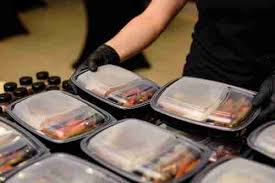
Lunch service accommodates diverse guests, from business professionals needing quick service to leisurely shoppers. Servers must recognize these groups and adjust pacing accordingly to meet their needs effectively.
A. Initial Setup
1. Water and Butter: Fill water glasses three-fourths full with iced water and place chilled butter on a cold bread-and-butter plate.
2. Appetizer Service: Place the appetizer in the center of the cover to start the meal. Remove it once the guest finishes.
3. Soup Course: Serve the soup in the center of the cover, ensuring it’s hot and presented neatly.
B. Main Course and Beverages
1. Entree Placement: Place the entree plate in the center and individual vegetable dishes above the cover for easy access.
2. Beverage Service: Position hot beverages above and slightly to the right of the cup and saucer, with creamer above the cup. Place iced beverages or milk to the right, below the water glass.
3. Table Maintenance: Remove main-course dishes and unused silver, then crumb the table if needed to maintain cleanliness.
C. Dessert and Final Steps
1. Dessert Setup: Place dessert silver to the right, with the fork nearest the dessert plate. If multiple teaspoons are used, place the dessert fork on the left for balance.
2. Dessert Service: Serve the dessert in the center of the cover and remove dishes and silver afterward.
3. Final Touches: Place a finger bowl on an underliner in the center and present the check face down for guest convenience.
Dinner Service
Dinner service prioritizes a relaxed pace, allowing guests to enjoy each course without feeling rushed. Servers must observe guests closely to anticipate needs and ensure timely service, especially for families with children.
A. Appetizer and Soup
1. Starting the Meal: Serve the appetizer or hors d’oeuvre from the left, placing it in the center of the cover. Remove dishes once finished.
2. Soup Service: Place the soup in the center of the cover and remove it promptly after completion to maintain flow.
3. Guest Observation: Monitor guests to serve the next course without long waits, ensuring a pleasant experience.
B. Main Course and Accompaniments
1. Entree Service: For platter-served entrees, place the platter above the cover with serving silver to the right. Set a warm dinner plate in the center.
2. Beverage and Rolls: Place beverages to the right of the teaspoons and offer rolls or place them centrally for all guests.
3. Table Clearing: Remove main-course dishes and crumb the table if necessary to keep it neat.
C. Dessert and Closure
1. Dessert Preparation: Place dessert silver and serve the dessert in the center of the cover. Offer hot coffee or tea to complement the course.
2. Check Presentation: Present the check face down, ensuring no delays after the final course.
3. Guest Interaction: Respond to special requests promptly, enhancing the leisurely dining experience.
Five Diamond Service

Five diamond service elevates dining to a luxurious level, involving a coordinated team effort. From seating to final touches, each step is meticulously executed to create an unforgettable experience for guests.
A. Initial Guest Interaction
1. Welcoming Guests: The hostess or maitre d’ seats and welcomes guests, setting a refined tone for the meal.
2. Beverage Offerings: The front waiter lights a candle and offers mineral or served water, placing a silver coaster under bottles if sold.
3. Cocktail Service: The captain takes cocktail orders, serves them, and provides the wine list, highlighting glass or half-bottle options for couples.
B. Course Delivery
1. Amuse and Menu: The back server delivers and explains the amuse after cocktails, while the maitre d’ or captain presents the menu and specials.
2. Wine and Brioche: The sommelier or captain pours and explains wine selections, while the back waiter provides brioche and butter, maintaining napkin service.
3. First Course: The runner delivers the first course to the front server, who serves it and offers pepper for salads.
C. Main Course and Desserts
1. Entree Service: The runner numbers domes correctly, and entrees are served with the back waiter’s assistance, who knows table positions.
2. Table Maintenance: The back waiter clears the main course, crumbs the table, and takes coffee and dessert orders, explaining cheese and beverage options.
3. Final Touches: The front waiter sets up dessert mis en place, and the captain offers cognacs, ports, or sherry from a cart.
Cover Laying For Various Foods
Proper cover laying ensures each dish is presented with the appropriate utensils and settings. This section details the standard setups for various foods, enhancing the dining experience with precision and elegance.
A. Hors d’Oeuvres
1. Grapefruit Cocktail: Use a coupe doily on a sideplate with a grapefruit spoon or teaspoon for easy consumption.
2. Oysters: Serve on a soup plate or welled silver dish with crushed ice on an underplate, using an oyster fork and providing a finger bowl with lukewarm water and lemon.
3. Smoked Salmon: Use a fish knife and fork with a cold fish plate for a clean presentation.
B. Soups
1. Crème de Tomate: Serve with a soup spoon in a soup plate on an underplate for a classic setup.
2. Consommé: Use a sweet spoon with a consommé cup and saucer on a fish plate for elegance.
3. Bouillabaisse: Provide a soup plate on an underplate with a fish knife, fork, and sweet spoon for versatility.
C. Main Courses
1. Roast Meats: Use a joint knife and fork with a hot joint plate for meats like roast beef or lamb.
2. Poultry: Serve chicken or turkey with a joint knife and fork on a hot joint plate for consistency.
3. Spaghetti: Use a joint fork on a hot fish plate to accommodate the dish’s unique texture.
D. Desserts and Savories
1. Fruits and Nuts: Provide a fruit plate with interlocked fruit knife and fork, two finger bowls (one with lukewarm water and lemon, one with cold water for grapes), and nut crackers with grape scissors.
2. Savory Dishes: Use a hot fish plate with a side knife and sweet fork for a refined finish.
3. Cheese Service: Serve on a side plate with a side knife and small fork if needed for ease of consumption.
Read Also: Economic Importance, Uses, and By-Products of Mushroom Gills
Special Observations and Check Presentation
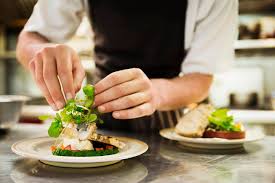
Servers must master specific techniques to ensure efficiency and guest satisfaction. Presenting the check courteously and offering small gestures at departure enhance the dining experience.
A. Service Tips
1. Temperature Control: Serve hot food on heated dishes and cold food on chilled dishes to maintain quality.
2. Customization: Inquire how guests prefer their food cooked (e.g., eggs, steak) and serve toast buttered or dry as requested.
3. Beverage Refills: Refill water and coffee as needed, ensuring guests are satisfied without over-serving.
B. Silver Placement
1. Strategic Timing: Place silver for each course just before serving, such as a soup spoon to the right of teaspoons or a cocktail fork for specific dishes.
2. Accompaniments: Offer crackers or bread with appetizers and soups, and provide iced teaspoons or straws for appropriate beverages.
3. Table Maintenance: Keep the table organized by placing silver thoughtfully to enhance guest convenience.
C. Presenting the Check
1. Timely Delivery: Present the check immediately after the last course or when the guest finishes, using a check cover placed to the right of the host.
2. Courteous Interaction: Ask if additional services are needed and avoid any indication of expecting a tip, thanking guests sincerely for any gratuity.
3. Guest Departure: Assist with small courtesies like pulling out chairs, offering sincere goodbyes, and inviting guests to return, avoiding repetitive phrases.
Frequently Asked Questions
1. What is the correct order for serving breakfast dishes?
Fruit or juice is served first, followed by toast and coffee. For cereal and hot dishes, serve fruit, then the hot plate with toast and coffee, removing dishes between courses.
2. How should a server accommodate lunch guests with different needs?
Recognize business guests needing quick service and leisurely diners like shoppers. Adjust pacing to provide prompt service for the former and relaxed service for the latter.
3. What makes five diamond service unique?
It involves a team effort with roles like hostess, captain, and back waiter, offering personalized touches like candle lighting, wine explanations, and cart-served cognacs for a luxurious experience.
4. Why is cover laying important for different foods?
Proper cover laying ensures guests have the right utensils, enhancing their dining experience. Each dish, from oysters to desserts, requires specific setups for functionality and elegance.
5. How should a server present the check?
Present it face down in a check cover to the right of the host or in the table’s center if the host is unknown, asking if further services are needed.
6. What are key tips for efficient meal service?
Serve hot food on heated dishes, cold food on chilled ones, inquire about cooking preferences, refill beverages as needed, and place silver just before each course.
7. How can servers enhance the guest departure experience?
Assist with courtesies like pulling out chairs, offer sincere goodbyes, and invite guests to return, varying phrases to avoid sounding repetitive.
Do you have any questions, suggestions, or contributions? If so, please feel free to use the comment box below to share your thoughts. We also encourage you to kindly share this information with others who might benefit from it. Since we can’t reach everyone at once, we truly appreciate your help in spreading the word. Thank you so much for your support and for sharing!