



Food borne illness has become a significant issue in society today. It has caused numerous deaths due to the consumption of contaminated food. Foods not properly protected during preparation can lead to food borne illness. Therefore, understanding the causes of food borne illness is essential.
Definition of Food Borne Illness
Food borne illness is a condition resulting from the consumption of contaminated or unprotected food, leading to sickness. It is any illness caused by consuming food contaminated by pathogenic bacteria, viruses, or parasites.
An Educational Foundation textbook (1985) defines foodborne illness as a sickness spread or acquired by humans through food.
According to the author, some items linked to foodborne illnesses, such as certain types of fish or mushrooms, are inherently hazardous. These definitions indicate that any illness resulting from consuming contaminated food or beverages is classified as food borne illness.
Read Also: Cold Weather Poultry Diseases and How to Manage them
Primary Causes of Food Borne Illness
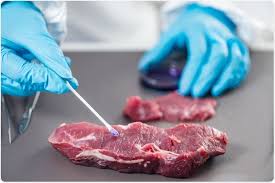
Numerous factors contribute to food borne illness. Some stem from the body’s system, chemicals used in washing and preserving food, and other sources. The following outlines the primary causes of food borne illness.
1. Physical Hazard Risks
Physical hazard occurs when a physical object contaminates food. This involves substances such as hair, fingernails, paperclips, coins, glass, stalks, garbage, plastics, dust, soil, stones, and metals. These objects are harmful when they come into contact with food, potentially causing illness when consumed.
David et al. (2011) note that some of these may be harmful if eaten but are mostly objectionable, leading to customer complaints. High amounts of physical substances in food can result in food poisoning, known as a food hazard.
An Educational Foundation textbook (1985) states that physical pollutants, such as glass chips from broken light fixtures or glassware and metal shards from kitchen and tableware, are clearly dangerous. To reduce these risks, the manager of the food service department must remain vigilant.
Consumption of food tainted with environmental toxins during processing and packing typically results in physical hazards. Potter and Hotchkiss (1995) identify primary materials of concern as physical risks, including glass shards, wood and stone fragments, small metal pieces (such as paper clips), miscellaneous trash, insulating material, and other personal items.
Food processors use electronic metal detectors to test goods for metal impurities, as ingesting these particles poses a health concern, particularly for metal contaminants.
Read Also: Layers or Broilers which One is More Profitable in Poultry Farming? Find Out!
2. Chemical Hazard Risks
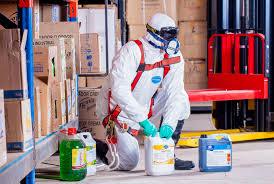
Another risk leading to food poisoning is chemical hazard. This occurs when food quality is compromised by chemicals intended to preserve and protect it, resulting in food poisoning among consumers.
Chemicals used in manufacturing items for the hospitality industry (kitchen) can contaminate food, causing food poisoning. Such chemicals include kitchen cleaning materials, pesticides, agricultural chemicals, disinfectants, and degreasers.
Pesticides used on farm produce, such as vegetables, yams, and cassava, to increase yield can contaminate food during preparation, leading to food poisoning. Chemicals may enter food through leaks, spills, or other food-related mishaps.
David et al. (2011) advise that acidic food should not be cooked or stored in equipment containing metals like antimony, cadmium, lead, zinc, aluminum, or copper unless the metal is specifically designed for that purpose.
Käferstein and Abdulsallam (1999) note that harmful substances discharged into the environment by industrial operations and agricultural practices may impact the human food chain.
They express concern about the rise in industrial waste discharged into the environment and the excessive use of agrochemicals, particularly in developing nations, posing a long-term threat to food safety in such areas.
The manager of a food service establishment should pay particular attention to three categories of chemical dangers:
- Pesticide contamination of foodstuffs
- Overuse of preservatives and additives
- Harmful metal poisoning of food
i. Pesticide-Induced Food Contamination
Chemical dangers, such as pesticides, can easily contaminate food. Pesticides infiltrate the food supply through various pathways, as outlined in an Educational Foundation textbook (1985):
- Food animals and plants may absorb pesticidal chemicals during the growth process, incorporating them into living cells.
- Pesticides and fungicides can be applied directly to growing plants or animals to protect them from insects, fungi, and microbial attack.
- Chemical agents used in food production and at the food service facility have the potential to contaminate food.
ii. Excessive Use of Preservatives and Additives
The excessive use of additives and preservatives is another chemical risk impacting food. Addictive substances include emulsifiers, firming agents, flavorings, artificial sweeteners, dietary supplements, oxidizers, antioxidants, stabilizers, thickeners, and anticaking agents, as well as color additives.
For example, nitrates, used as coloring and preservatives in meat, are toxic in high doses. The increasing use of ingredients to preserve food’s flavor, safety, and consistency is linked to food contamination.
Sulfating agents, preservatives that maintain the freshness and vibrant color of fruits and vegetables (e.g., lettuce, potatoes, and coleslaw), have been connected to fatal allergic reactions in sensitive individuals, particularly asthmatics, causing diarrhea, nausea, asthma episodes, and occasionally unconsciousness (Educational Foundation Textbook, 1985).
iii. Metal-Related Food Contamination
Chemical contamination through metals is another method of food poisoning. Contamination occurs when certain foods contact metals, leading to illness upon consumption. Poisoning may occur when highly acidic foods are prepared or stored in galvanized, copper, brass, or gray enamelware containers coated with antimony or cadmium.
Foods such as sauerkraut, tomatoes, fruit gelatins, lemonade, and fruit punches have been linked to metal poisonings. Instances of chemical food poisoning have involved copper water pipes inadvertently exposed to fizzy beverages in dispensers. Copper poisoning is characterized by rapid and sudden onset of symptoms (Educational Foundation Textbook, 1985).
3. Biological Hazard Risks
According to an Educational Foundation textbook (1985), primary causes of biological risks include noxious plants and fish, as well as hazardous microorganisms such as bacteria, viruses, and parasites. When hazardous bacteria infect food, they cause sickness in consumers. Poor hygienic conditions in the production area allow bacteria to proliferate, leading to food deterioration.
Microorganism contamination includes pathogenic bacteria causing food poisoning or food borne illness, spores, toxins, molds, viruses, parasites, and other microorganisms (Asli et al., n.d.). Sources of these germs include raw materials, food handlers, and poorly ventilated areas. These germs cause hepatitis A, typhoid fever, vomiting, and stomach aches.
An Educational Foundation textbook (1985) explains that when biological risks cause foodborne illnesses, they are typically classified as infections or intoxications. Infection occurs only if these microbes are still alive.
Foodborne intoxication happens when consumed food poisons or toxins make the human body unwell. Certain flora, such as mushrooms, and animals, like puffer fish, may naturally contain toxins, leading to disease upon consumption (Educational Foundation Textbook, 1985).
Examples of Bacterial-Based Food Poisonings and Intoxications
i. Staphylococcal Food Poisoning
One of the most prevalent foodborne illnesses in the United States is staphylococcal food poisoning. A food service worker familiar with the traits of these diseases and the microorganisms causing them can easily understand the precautions needed to prevent them (Educational Foundation Textbook, 1985).
Symptoms include cramps, diarrhea, nausea, and vomiting, starting rapidly (typically 1 to 6 hours after consuming contaminated food) and lasting 28 to 48 hours (Educational Foundation Textbook, 1985).
The causative agent is Staphylococcus aureus, a gram-positive coccal bacterium with a diameter of 0.5 µm (Asli et al., n.d.). It resides in the human body (Bas, 2004), particularly in the nostrils, on hands, skin, hair, scalp, unprotected scrapes, burns, abrasions, nose, and throat (David et al., 2011). Human-to-human interaction can spread the bacterium.
David et al. (2011) note that S. aureus is frequently found in high-risk foods handled and contaminated by food handlers, then left at suitable temperatures for the bacterium to multiply to dangerous levels.
Infections in the food handler’s nose, skin, or throat transfer harmful bacteria to food, contaminating cooked meat, potato salad, milk-based desserts like custard and chicken, as well as fish and other meat salads. Symptoms include vomiting, nausea, stomach soreness, and diarrhea.
ii. Clostridium Perfringens Food Poisoning
First recognized in the 1890s, Clostridium perfringens food poisoning became frequently reported by the 1950s. The illness is difficult to categorize, resembling both an infection and intoxication.
Symptoms appear 8 to 22 hours after consumption, suggesting an infection, but the bacteria release poisonous compounds in the body, indicating intoxication (Educational Foundation Textbook, 1985). Symptoms are milder than staphylococcal intoxication and resolve within 24 hours (Educational Foundation Textbook, 1985).
The causative agent is Clostridium perfringens, a gram-positive, rod-shaped, anaerobic pathogenic bacterium (Adams and Moses, 2008). It is present in humans, animals, and soil (Yigit and Duran, 1999). Many cases are likely subclinical, as antibodies to the toxin are ubiquitous (Asli, n.d.).
Spores proliferate and form new cells when cooked food is improperly served or stored, leading to contamination. Raw meat is a common source, but unclean vegetables can also harbor these bacteria (David et al., 2011). Sources include dust, soil, and the gastrointestinal systems of humans and animals, likely present in raw food products brought into a restaurant.
Affected foods include cooked meat (often beef), poultry (often turkey), and beans left at room temperature or gradually heated, reheated, or cooled in the temperature danger zone (Educational Foundation Textbook, 1985).
iii. Botulism Food Intoxication
Botulism, a bacterial foodborne illness, is highly publicized due to its high fatality rate. It can be lethal when it manifests. Symptoms include nausea, vomiting, headaches, double vision, and gradual respiratory paralysis, appearing 12 to 36 hours after consuming infected food.
The causative agent is Clostridium botulinum, a rod-shaped, spore-forming bacterium that grows only in the absence of oxygen, found in soil, water, and animal intestines, including fish. Affected foods include home-canned, low-acid foods (green beans, mushrooms, corn, beets, spinach, figs, tuna) and smoked vacuum-packed fish (Educational Foundation Textbook, 1985).
iv. Salmonellosis: A Food Infection
Salmonellosis, a major concern for food service managers, results from consuming food contaminated with pathogenic bacteria, classified as an infection. Symptoms, including headache, vomiting, diarrhea, abdominal pains, and fever, appear 6 to 48 hours after ingestion. The causative agent is Salmonella, a rod-shaped bacterium found in water, soil, food plants, and contaminated feces (Asli et al., n.d.).
It is transmitted through contaminated eggs, meat, poultry, milk, and green vegetables contaminated with manure, found in domestic and wild animals and humans. Symptoms include abdominal pain, headaches, nausea, vomiting, fever, and diarrhea (Educational Foundation Textbook, 1985).
v. Shigellosis: A Food Infection
Shigellosis, also known as bacillary dysentery, is another bacterial foodborne illness. Symptoms include diarrhea, cramps, chills, and sometimes fever. The bacteria belong to the Shigella genus.
Humans are the primary reservoir, with many becoming carriers for weeks, excreting Shigella in feces. Improper handwashing by carriers transmits bacteria to food. Roaches, flies, and rodents also spread these bacteria (Educational Foundation Textbook, 1985).
vi. E. coli Food Infection
E. coli is a rod-shaped, gram-negative, facultative anaerobic bacterium (Jay, 1998) thriving in human and animal intestines, with an incubation period of 10 to 72 hours (David et al., 2011; Duyff, 2002).
Major causes of food poisoning include failure to wash hands during preparation or after consuming food, using contaminated utensils, cutting boards, raw meat, vegetables, and unpasteurized milk (David et al., 2011; Pittrangelo, 2015). Person-to-person contact via the oral-fecal pathway is a key transmission mechanism (Asli et al., n.d.).
4. Advance Preparation Risks
Food poisoning outbreaks occur when food is improperly cooled during advance preparation. Food prepared and left in the danger zone for extended periods before serving becomes contaminated. If food remains at room temperature without reheating or proper cooling, staying in the danger zone, it can cause illness in consumers (BC Cook, 2015).
5. Infected Persons as Risks
Many hotel employees unknowingly carry infections in their hands, lips, or noses without displaying symptoms. Those with diarrhea, vomiting, fever, or sore throats can contaminate food with germs during preparation (BC Cook, 2015).
6. Contaminated Raw Ingredients
Some foods served raw, such as eggs used in Caesar salad, vegetables, and hamburgers, may harbor germs. Inspection or tasting cannot reveal infections, requiring extra caution when using raw ingredients in menus (BC Cook, 2015).
7. Cross-Contamination Risks
Cross-contamination occurs when pathogenic bacteria are transferred between individuals, often in food processing areas like kitchens. It happens when raw and cooked foods contact each other, equipment is used for both, or raw meat drips onto cooked, ready-to-eat items, resulting in food poisoning (David et al., 2011).
8. Allergenic Hazard Risks
Food allergies occur when individuals consume foods to which their body is allergic, causing itching, swelling of lips, mouth, and tongue, vomiting, coughing, and other symptoms.
Allergies are unique to each person and can be avoided by understanding substances used in food production, including pre-preparation and meals. Providing sufficient menu information allows customers to choose safe foods (BC Cook, 2015).
In food service facilities, food poisoning has become a critical issue. The causes of food borne illness are linked to several factors, including physical, chemical, biological, and allergenic hazards.
Do you have any questions, suggestions, or contributions? If so, please feel free to use the comment box below to share your thoughts. We also encourage you to kindly share this information with others who might benefit from it. Since we can’t reach everyone at once, we truly appreciate your help in spreading the word. Thank you so much for your support and for sharing!