


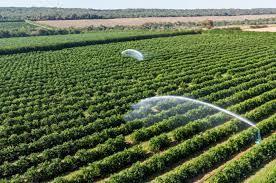
The hierarchical organization of biological systems, often used as a starting point for an ecological study, is the ecosystem. An ecosystem includes living organisms in a specified physical environment, the multitude of interactions between those organisms, and the non-biological factors in the physical environment that limit their growth and reproduction, such as air, water, minerals, and temperature.
Viewed this way, an ecosystem practically means the house of life. The definition of boundaries and the spatial scale of an ecosystem can vary. Simply put, an ecosystem shows the relationships that exist between living organisms, the environment, and the factors that affect them.
An ecosystem can be as small as a pond or as large as the entire Earth. Thus, one may refer to the ecosystem of a pond or the ecosystem of the Earth in its entirety, with the important aspect being the definition of boundaries across which inputs of energy and matter can be measured.
Meaning and Types of Ecosystem
An ecosystem has been defined as the relationship existing between living organisms and their environment. It is an article that includes all the organisms (biological factors) in a given area interacting with the environmental (physical factors) so that a flow of energy can be achieved to a clearly defined trophic (nutrient-requiring) structure, biotic diversity, and material cycles (i.e., exchange of materials between living and non-living sectors).
In a nutshell, an ecosystem is a term applied to the specific relationship between living organisms and their environment. An ecosystem has two main components: abiotic and biotic.
All the non-living components of the environment present in an ecosystem are known as abiotic components; these include the inorganic and organic elements and climatic factors.
In contrast, all the living organisms within an ecosystem are known as its biotic components, which include plants, animals, and micro-organisms. The major components of an ecosystem include the lithosphere (solid earth), atmosphere, hydrosphere (water), biosphere, and cryosphere (ice and snow).
Read Also: Options for Genetic Improvement in Tropical Livestock
Types of Ecosystem
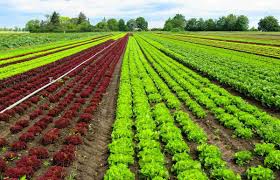
Ecosystems are classified into two major types, namely, aquatic and terrestrial.
A. Aquatic Ecosystems
Aquatic ecosystems are classified into freshwater, marine, coastal, mangrove, and island systems.
1. Freshwater: These ecosystems are highly productive with very rich biological diversity and offer a wide range of habitats. The lifestyle of local populations is often adapted to the nature of the ecosystem. Freshwater ecosystems include the standing waters of ponds and lakes as well as the flowing waters of rivers and streams. They are characterized by the presence of low concentrations of dissolved salts.
2. Marine: Marine ecosystems have high salt content and include large water bodies such as oceans and seas. Coral banks are highly productive, restricted to tropical shallow waters, and harbor rich biological diversity. One of the unique features of marine ecosystems is the sea grasses, which play an important role in maintaining biodiversity and productivity.
3. Coastal: Coastal zones represent very specialized ecosystems that support unique flora and fauna. Development strategies for these zones have a direct impact on the lifestyle of local communities. Some of the main activities in this region include shipping, fishing, oil and gas exploration, and recreational activities.
4. Mangroves: Mangroves are specialized communities inhabiting intertidal zones of sheltered, low-lying, tropical, and subtropical coasts. The mangrove swamp forest forms a belt along the coast of Nigeria from Lagos State across Ondo, Edo, Delta, Bayelsa, Rivers, Cross River, and Akwa Ibom States.
This belt experiences very heavy rainfall, with a mean annual rainfall of over 2500 mm and an average monthly temperature of about 26°C throughout the year. The zone is characterized by the presence of the red mangrove plant (Rhizophora racemosa).
Many mangrove trees have prop roots and breathing roots, which enable them to thrive in soft, swampy areas. Coconuts and reeds (canes) are common plant species found on sandy beaches along the seashore.
Animal species found in the mangrove swamp forest include tilapia, angelfish, bloody clam (area), oysters, barnacles, mangrove crab, lagoon crab, hermit crab, mudskipper fish, mosquitoes, and birds such as heron.
5. Islands: Islands are characterized by significant land–sea interaction, an extensive littoral (coastal) area, and an exclusive economic zone. These features relate to their volcanic origin or coral island formation, their degree of isolation, and the need for transportation and interaction.
Tourism is the mainstay of their economy. Environmentally sound tourism, marine-related employment, relevant human resource development, and agricultural production are required for the development of islands.
B. Terrestrial Ecosystems
Important terrestrial ecosystems include deserts, mountains, hills, forests, and grasslands.
1. Deserts: Deserts are characterized by low moisture levels and rainfall that is both infrequent and unpredictable from year to year. With little moisture available to absorb and store heat, daily and seasonal temperatures can fluctuate from 0°C at night to 30°C by day. Vegetation in this biome is sparse, and plants in this harsh climate require a variety of specializations to conserve water and protect tissues from desiccation.
Seasonal leaf production, water storage tissues, and thick epidermal layers help reduce water loss. Spines and thorns discourage predators while also providing shade. Common desert plants include cactus and acacia; date palms occur around oases. Animals found in deserts include pocket mice, kangaroo rats, and camels.
2. Tundra: Tundra is the coldest of all biomes and is a treeless biome. The word tundra comes from the Finnish “tunturi,” meaning treeless. It is noted for its frost-molded landscapes, extremely low temperatures, minimal precipitation, poor nutrient availability, and short growing seasons.
Dead organic matter functions as a nutrient pool. The two major nutrients are nitrogen, produced by biological fixation, and phosphorus, derived from precipitation.
Characteristics of tundra include an extremely cold climate, low biotic diversity, a simple vegetation structure, limited drainage, a short season for growth and reproduction, energy and nutrients in the form of dead organic material, and large population fluctuations.
3. Mountains: A large part of the forest area and watershed regions is included under this category. There are several types that represent major formations and biomes, including tropical wet evergreen, semi-evergreen, moist deciduous, dry deciduous, subtropical wet evergreen, and temperate forests.
4. Forests: Forest ecosystems are important for humankind. The tropical forests on the Earth’s surface comprise a precious ecosystem with varying habitats, species, and interacting groups.
The world has witnessed major erosion of forest ecosystems due to deforestation in tropical Asia, Africa, and Latin America. Forests contribute to soil fertility and water regulation, which are vital for sustainable agricultural production.
Read Also: All You Need To Know About Animal Shelters
Ecological Goods and Services Rendered by Ecosystems
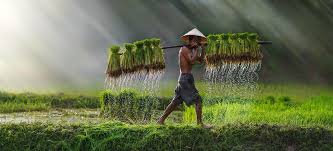
Over the years, human beings have derived direct and free services from the biodiversity inherent in these ecosystems. The services rendered are exemplified by the maintenance of the gaseous quality of the atmosphere, which regulates the climate and biosphere processes.
Apart from carbon (IV) oxide absorption by plants, some species and ecosystems emit trace gases such as methane, which acts as a greenhouse gas for regulating atmospheric temperature. Terrestrial ecosystems directly influence precipitation and the water that infiltrates the soil; groundwater fluxes are controlled by plant processes, with earthworms, for example, influencing the water storage capacity of the soil profile and infiltration rates.
Evapotranspiration by vegetation is the single largest water flux from the biosphere to the atmosphere. Regulation of floods and droughts is also a free ecological service rendered by forests and surface ecosystems.
Coral reefs (banks), sand dune vegetation, and mangroves moderate the energy of water and reduce the erosive action along shorelines, thereby protecting coastal zones. In fact, mangroves act as a buffer against tidal waves, which might otherwise cause catastrophic damage during cyclones and storms.
The generation and conservation of fertile soils, the basis of soil productivity in agriculture and forestry, are also ecological services contributed by ecosystems. The entire process of weathering of rocks (the breaking down of rocks), creation of new soils, and their stabilization is achieved through processes operating at the ecosystem level.
Impact of Human Intervention on Ecosystem Functions
Human-induced interventions have a direct effect on the ecological services rendered by ecosystems. Some of the causative factors are changes in land and water use, which, in turn, have a direct impact on habitat destruction and over exploitation of resources, as well as an indirect impact on the composition of the atmosphere and climate both of which directly affect biodiversity.
Changes in biodiversity modify the functions of populations, ecosystems, and landscapes. Serious consequences arise when land and water use changes occur, particularly major threats to forest ecosystems due to the conversion of forests into agricultural lands, urbanization, overexploitation, overgrazing, shifting cultivation, and biological invasion.
Changes in atmospheric composition occur due to anthropogenic activities such as energy production and use, and deforestation coupled with disruptions in biogeochemical cycles. Various human-induced activities related to land and water use and atmospheric changes ultimately result in climate change.
These disturbances have reduced global species and genetic diversity and have adversely impacted ecosystem functioning. Loss of species and genetic diversity may be irreversible, with new evolutionary processes taking a very long time to occur; however, changes in atmospheric composition, as well as land and water use, are reversible.
In this article, the meaning and types of ecosystems have been presented, along with the ecological goods and services rendered by ecosystems and the impact of human intervention on ecosystem functioning. Understanding these concepts is crucial for agricultural projects, as healthy ecosystems underpin sustainable agricultural production and long-term environmental stability.
Do you have any questions, suggestions, or contributions? If so, please feel free to use the comment box below to share your thoughts. We also encourage you to kindly share this information with others who might benefit from it. Since we can’t reach everyone at once, we truly appreciate your help in spreading the word. Thank you so much for your support and for sharing!