



Fermentation is one of the oldest food preservation methods, deeply rooted in human culture. For thousands of years, communities worldwide have relied on fermentation to create foods like bread, cheese, and wine, preserving traditions and enhancing diets in rural and village settings.
This article explores fermentation, its processes, benefits, and diverse applications. From ancient practices to modern uses, fermentation remains a vital technique, particularly in regions with limited access to advanced preservation technologies.
What is Fermentation?
Fermentation has shaped food culture for millennia, offering both preservation and unique flavors. This biochemical process transforms organic substances, creating foods that are both nutritious and culturally significant.
A. Defining Fermentation
Fermentation is the slow decomposition of organic substances by microorganisms or enzymes. It involves the anaerobic or partially anaerobic oxidation of carbohydrates, converting sugars into ethanol, carbon dioxide, or organic acids using yeasts, bacteria, or both.
B. The Science of Fermentation
The process, known as zymology, is distinct from putrefaction, which degrades proteins. Fermentation typically converts carbohydrates into alcohols or acids, producing beverages like wine and beer or foods like yogurt and sauerkraut with minimal energy use.
C. Historical Context
Natural fermentation predates human history, with evidence of wine-making from 6000 BC in Georgia. Ancient societies in Babylon (3000 BC), Egypt (3150 BC), Mexico (2000 BC), and Sudan (1500 BC) controlled fermentation to create beverages, showcasing its global significance.
D. Why Fermentation Matters
Fermentation is efficient, requiring low energy and extending shelf life without refrigeration. This makes it ideal for developing countries and remote areas, where access to sophisticated equipment is limited, ensuring food security and cultural continuity.
Benefits of Fermentation
Fermentation enhances food beyond preservation, enriching diets with diverse flavors and nutrients. Its purposes are multifaceted, addressing nutritional, cultural, and practical needs across societies.
A. Key Purposes of Fermentation
1. Dietary Enrichment: Fermentation develops diverse flavors, aromas, and textures in foods.
2. Food Preservation: Lactic acid, alcohol, and acetic acid preserve substantial amounts of food.
3. Nutritional Boost: It enriches foods with proteins, amino acids, fatty acids, and vitamins.
4. Anti-Nutrient Removal: Fermentation eliminates compounds that hinder nutrient absorption.
5. Reduced Cooking Needs: It decreases cooking time and fuel requirements.
B. Health Benefits
Fermented foods, rich in lactic acid bacteria like Lactobacillus plantarum, support gut health. They reduce diarrhea in weaning infants, even after cooking, and increase nutrient levels, such as vitamin B12, folacin, and riboflavin in fermented maize flour.
C. Cultural and Practical Relevance
Societies with long lifespans, particularly in Africa, Asia, and old Europe, consume fermented foods regularly. These foods contribute to diets low in intestinal issues, unlike modern societies, and remain accessible in resource-limited regions.
Read Also: The Importance and Uses of Hay
Types of Fermented Foods
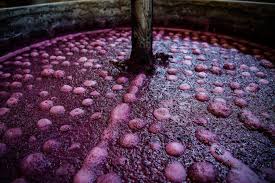
Fermented foods vary widely, reflecting regional ingredients and traditions. From dairy to grains, these foods showcase the diversity of fermentation practices globally.
A. Bean-Based Fermented Foods
Bean-based ferments, like soy sauce, miso, and tempeh, are staples in Asia and Africa. These foods, including natto and iru, are rich in protein and nutrients, often fermented with molds or bacteria.
B. Grain-Based Fermented Foods
1. Beer and Sake: Made from barley or rice, fermented with yeasts and lactic acid bacteria.
2. Bread and Injera: Leavened with yeast or bacteria, common in Europe and Ethiopia.
3. Ogi and Idli: Fermented maize or rice-based foods from Nigeria and India, enhancing nutrition.
C. Vegetable and Fruit-Based Ferments
Vegetable ferments like kimchi and sauerkraut, or fruit-based products like wine and cider, use lactic acid bacteria or yeasts. These preserve nutrients and add unique flavors, popular in Korea, Europe, and beyond.
D. Dairy, Fish, Meat, and Tea Ferments
1. Dairy: Yogurt, kefir, and cheese, fermented with lactic acid bacteria, are global staples.
2. Fish: Fish sauce and surströmming, fermented with bacteria, are common in Asia and Scandinavia.
3. Meat: Salami and chorizo rely on lactic acid bacteria for preservation and flavor.
4. Tea: Kombucha, fermented with bacteria and yeast, is a modern health-focused drink.
Read Also: Grasshoppers: Description, Damages Caused, Control and Preventive Measures
Global Examples of Fermented Foods

Fermented foods reflect cultural diversity, with unique ingredients and microorganisms shaping regional cuisines. Below is a curated list of notable examples.
A. African Fermented Foods
1. Gari (Nigeria): Fermented cassava with Leuconostoc and Lactobacillus.
2. Kenkey (Ghana): Maize-based, fermented with lactic acid bacteria.
3. Dawadawa (West Africa): Locust beans fermented with Bacillus for rich flavor.
B. Asian Fermented Foods
1. Kimchi (Korea): Vegetables fermented with Leuconostoc mesenteroides and Lactobacillus.
2. Idli/Dosa (India): Rice and black gram fermented with Enterococcus faecalis.
3. Soy Sauce (Southeast Asia): Soybeans fermented with molds and bacteria.
C. European and American Ferments
1. Sauerkraut (Europe/North America): Cabbage fermented with lactic acid bacteria.
2. Sourdough Bread (Europe/North America): Wheat or rye with lactic acid bacteria.
3. Cheese (Worldwide): Milk fermented with bacteria and molds for diverse textures.
D. Other Notable Ferments
1. Kefir (Eastern Europe): Milk fermented with Streptococcus and Candida kefyr.
2. Chicha (South America): Maize-based, fermented with local bacteria.
3. Palm Wine (Worldwide): Palm sap fermented with yeasts and bacteria.
Frequently Asked Questions
1. What is fermentation?
Fermentation is the chemical conversion of sugars into ethanol, carbon dioxide, or organic acids by microorganisms like yeasts or bacteria, used to preserve and enhance foods.
2. Why is fermentation important in food preservation?
It extends shelf life through lactic acid, alcohol, or acetic acid production, requiring low energy and no refrigeration, ideal for resource-limited areas.
3. What are some health benefits of fermented foods?
They improve gut health, reduce diarrhea, and increase nutrient levels like vitamin B12, folacin, and riboflavin, supporting overall well-being.
4. How does fermentation enhance food flavors?
Microorganisms create diverse flavors, aromas, and textures, transforming simple ingredients into complex foods like cheese, kimchi, and sourdough bread.
5. Are fermented foods safe to eat?
Yes, when prepared properly, beneficial bacteria like Leuconostoc mesenteroides prevent harmful bacteria growth, but high heat post-fermentation can destroy these benefits.
6. Which regions are known for fermented foods?
Africa, Asia, and old Europe are renowned for fermented foods like gari, kimchi, and sauerkraut, tied to cultural traditions and long lifespans.
7. Can fermentation reduce cooking time?
Yes, fermentation breaks down complex carbohydrates, decreasing cooking time and fuel needs, making it efficient for food preparation.
8. What is the oldest known fermented food?
Wine, with evidence of production dating back to 6000 BC in Georgia, is among the earliest known fermented foods.
Do you have any questions, suggestions, or contributions? If so, please feel free to use the comment box below to share your thoughts. We also encourage you to kindly share this information with others who might benefit from it. Since we can’t reach everyone at once, we truly appreciate your help in spreading the word. Thank you so much for your support and for sharing!