


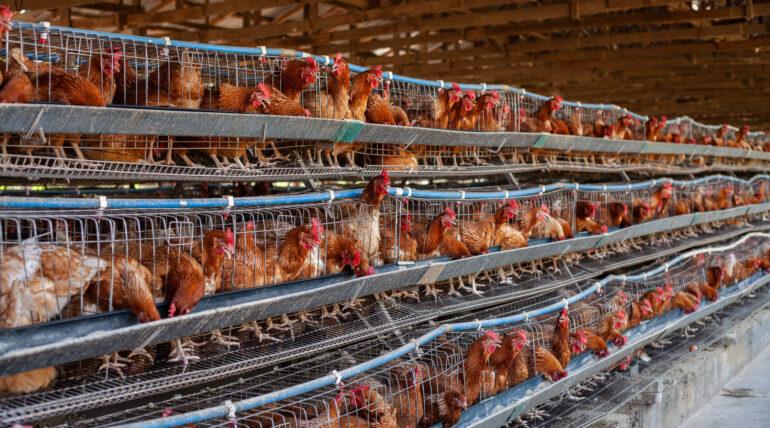
Poultry farming has become one of the most practical ways to produce food for people around the world. When we talk about poultry, we mean domesticated birds that we raise mainly for meat and eggs. This includes chickens, ducks, turkeys, guinea fowl, quails, pigeons, and even ostriches.
Different species and breeds serve different purposes. Some birds are more common than others. For example, guinea fowl, geese, and ostriches play smaller roles in farming. But the domestic chicken (Gallus domesticus) has become important everywhere. You’ll find chicken farms on almost every continent.
The history of poultry goes back thousands of years. People in Asia domesticated chickens around 2500 BC. Egyptians started raising geese around 1500 BC. In Mexico, turkeys were domesticated around the same time as Asian chickens. The Chinese began keeping ducks about 2500 BC. South Americans domesticated Muscovy ducks much later, around the sixteenth century.
Most breeds we see today didn’t exist until the 1850s. That’s when farmers started developing specific types of chickens, ducks, and turkeys for different purposes. The real change came in the 1950s and 1960s. That’s when scientists began creating hybrid birds through careful breeding programs. These hybrids grow faster and produce more eggs than traditional breeds.
Today, poultry farming is a major industry. Small farmers and large operations both raise birds. The methods vary widely depending on climate, resources, and market needs. But the goal stays the same: produce quality meat and eggs efficiently.
Read Also: How to Make Good Money from Africa’s love of Poultry Chicken and Eggs
1. Taxonomy of the Domestic Fowl
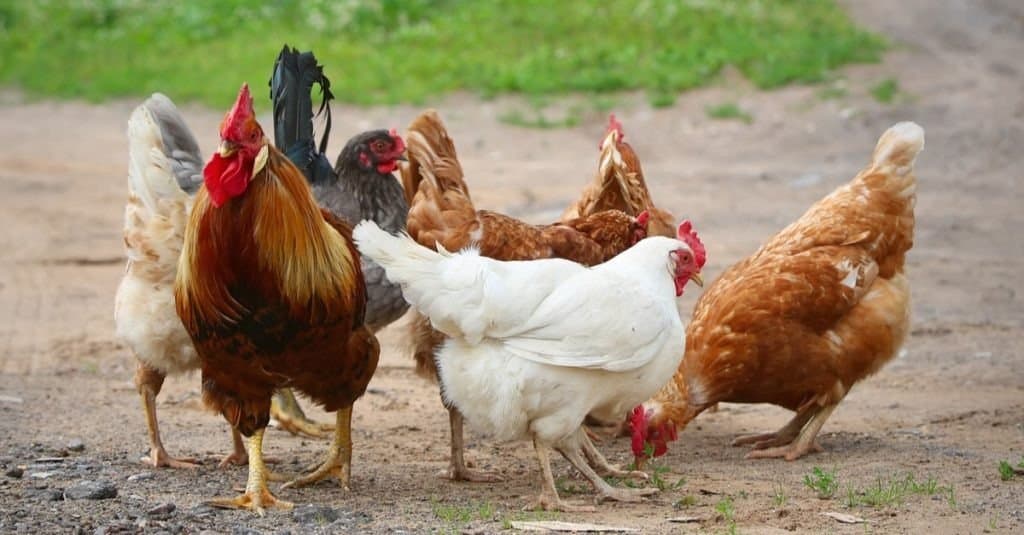
Understanding where chickens fit in the animal kingdom helps us appreciate their role as food producers. The domestic chicken belongs to a specific classification system that scientists use to organize all living things.
Chickens are part of a larger family of birds that includes pheasants and other ground-dwelling species. Their scientific classification shows their evolutionary relationships with other animals.
Here’s how scientists classify the domestic chicken:
- Kingdom: Animalia
- Phylum: Chordata
- Class: Aves
- Subclass: Neornithes
- Order: Galliformes
- Family: Phasianidae
- Genus: Gallus
- Species: Gallus domesticus
This classification places chickens in the bird class (Aves) and specifically in the order Galliformes, which includes game birds. The family Phasianidae contains pheasants, partridges, and chickens. Within the genus Gallus, our domestic chickens are classified as Gallus domesticus.
This scientific naming system helps researchers track genetic traits and breeding characteristics. It also helps veterinarians understand disease patterns and treatment methods specific to chickens.
2. Advantages of Poultry Keeping

Raising poultry offers many practical benefits for farmers. These advantages explain why chicken farming has become so popular worldwide.
A. Small Space Requirements
Birds have compact bodies compared to cattle or pigs. This means you can raise them in smaller areas. A chicken needs far less space than a goat or cow. This makes poultry farming possible even in urban or suburban settings. You can start a small operation in your backyard or expand to a larger commercial setup.
B. Flexible Production Systems
Poultry adapts well to different farming methods. You can raise chickens in cages, on the floor of a barn, or in free-range systems. This flexibility lets farmers choose what works best for their situation. Climate, available land, and budget all factor into the decision. The bird’s adaptability means farming can succeed in hot, cold, wet, or dry environments.
C. Low Investment and Quick Returns
Starting a poultry farm costs less than most other livestock operations. Chickens grow fast. A meat chicken reaches market weight in about 6-8 weeks. Egg layers start producing at around 18-20 weeks. This quick turnaround means you see returns on your investment faster than with cattle or pigs.
D. High-Quality Protein Source
Both chicken meat and eggs provide excellent nutrition. Eggs contain all essential amino acids in the right proportions. They’re one of the most complete protein sources available. Chicken meat is lean and packed with protein. This makes poultry products valuable for fighting malnutrition.
E. Efficient Feed Conversion
Chickens turn feed into meat and eggs better than most animals. They need less feed to produce a pound of meat compared to cattle. This efficiency reduces costs and makes the business more profitable. Feed typically accounts for 60-70% of production costs, so this efficiency matters a lot.
F. Protein Supply for Growing Populations
Countries with protein shortages can benefit from poultry farming. Chicken production can grow quickly to meet increasing demand. This helps address nutrition gaps in communities where people struggle to get enough protein.
G. Wide Market Acceptance
Most cultures and religions accept chicken meat and eggs. Unlike pork or beef, which face religious restrictions in some communities, chicken has broad appeal. This means a ready market exists almost everywhere. You won’t struggle to find buyers for your products.
H. Available Veterinary Support
Modern poultry medicine has developed effective vaccines and treatments. Most common chicken diseases can be prevented or cured. Veterinarians understand poultry health well. This medical support reduces losses from disease and improves success rates.
I. Research Applications
Scientists use chickens extensively in research. Their short generation time makes them ideal for genetic studies. Medical researchers also study chickens to understand disease processes. This research benefits both the poultry industry and human medicine.
J. Valuable By-Products
Poultry farming produces useful materials beyond meat and eggs. Feathers have industrial uses in textiles and insulation. Chicken manure makes excellent fertilizer. It contains higher levels of nitrogen, phosphorus, and potassium than cow or pig manure. Farmers can sell or use this manure to improve soil quality.
K. Fast Genetic Improvement
Chickens mature and reproduce quickly. A hen can start laying eggs at about 5-6 months. This short generation time allows breeders to make rapid improvements. Within a few years, breeders can develop birds with better traits like faster growth, more eggs, or disease resistance.
3. Disadvantages of Keeping Poultry
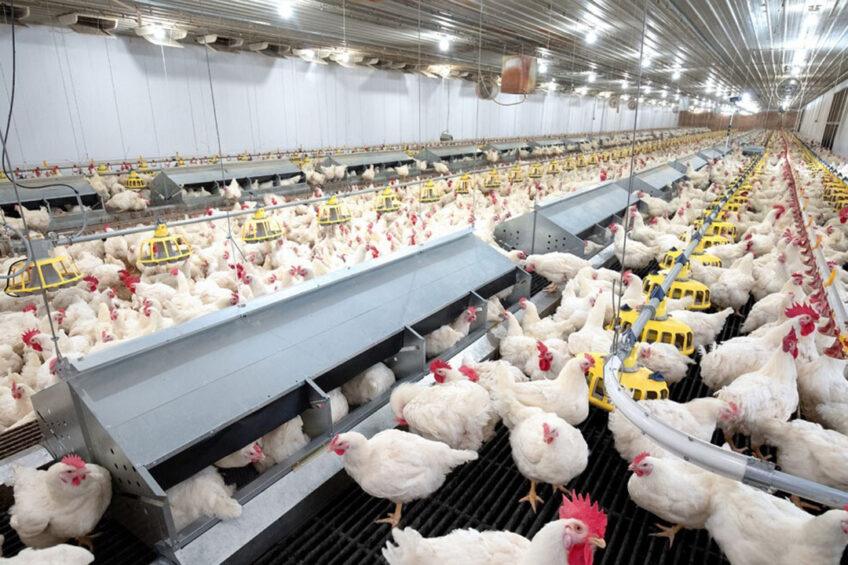
Poultry farming isn’t without challenges. Understanding these problems helps farmers prepare and manage their operations better.
A. High-Quality Feed Requirements
Chickens have short digestive tracts compared to cows or sheep. They can’t digest fibrous plant material well. This means they need concentrated feeds with high nutritional value. These feeds often use grains like corn and soybeans, which people also eat. This creates competition between human food needs and animal feed production. The cost of quality feed can be high, especially when grain prices rise.
B. Vulnerability to Weather and Disease
Birds are sensitive to temperature extremes. Hot weather can kill chickens quickly if they can’t cool down. Cold weather increases energy needs and can reduce egg production. Chickens also catch diseases easily. A single sick bird can infect an entire flock within days. Disease outbreaks can wipe out a farm’s entire investment quickly.
C. Housing and Management Requirements
While birds don’t need as much space as cattle, they do need proper housing. In tropical climates, buildings must provide adequate ventilation to prevent heat stress. The design needs to control temperature, humidity, and airflow. Poor housing leads to sick birds and reduced production.
Construction costs can be high, especially for commercial operations. The building must be strong enough to last for years and protect birds from predators and weather. Equipment for feeding, watering, and waste removal adds to the expense.
D. Feed Management Challenges
Wasting feed cuts into profits quickly. If you overfill feeders or use poorly designed troughs, birds will spill feed. This waste can reduce your profit margin by 20% or more. Good feeder design and proper management are essential. But these take knowledge and attention to detail.
E. Continuous Monitoring Needs
Poultry requires daily attention. You can’t leave birds unattended for days like you might with cattle in a pasture. Someone needs to check on the birds, fill feeders and waterers, and watch for problems. This labor requirement can be demanding.
The key to successful poultry farming is providing the right environment. This means controlling temperature, humidity, ventilation, and lighting. Birds that are comfortable and healthy will produce well throughout their productive life.
Cost management is also important. Buildings should be strong and durable but not unnecessarily expensive. The goal is to create a structure that lasts without breaking your budget.
Proper feeding systems make a big difference. Food troughs shouldn’t be overfilled. Tube feeders shouldn’t open too wide. The design of your feeding equipment matters more than you might think. Good equipment reduces spillage and saves money. Bad equipment can turn a profitable farm into a money-losing operation.
Read Also: How to construct your poultry pen
Summary on Meaning, Taxonomy, Advantages, and Disadvantages of Poultry

| Topic | Key Points |
|---|---|
| Definition | Domesticated birds raised for meat and eggs, including chickens, ducks, turkeys, guinea fowl, quails, and ostriches |
| History | Domesticated in Asia (2500 BC), Egypt (1500 BC), and Mexico (2500 BC). Modern breeds developed from the 1850s. Hybrid programs started in the 1950s-1960s |
| Taxonomy | Kingdom: Animalia, Class: Aves, Order: Galliformes, Family: Phasianidae, Genus: Gallus, Species: Gallus domesticus |
| Main Advantages | Small space needs, flexible systems, low investment, quick returns, high-quality protein, efficient feed conversion, wide market acceptance, available veterinary care, useful by-products |
| Main Disadvantages | Requires high-quality concentrated feeds, vulnerable to weather extremes and diseases, needs proper housing, risk of feed waste, requires continuous monitoring |
| Production Considerations | Must control temperature, humidity, ventilation, and light. Buildings should be durable and cost-effective. Proper feeding systems prevent waste |
Frequently Asked Questions About Poultry Farming
1. What is the difference between poultry and chickens?
Poultry is a broad term that includes all domesticated birds raised for food, such as chickens, ducks, turkeys, geese, and quails. Chickens are just one type of poultry, specifically referring to Gallus domesticus.
2. How long does it take for chickens to start producing eggs?
Most egg-laying hens start producing eggs at around 18-20 weeks of age. Production usually peaks at about 25-30 weeks and continues for 12-18 months at high levels.
3. Why is poultry considered more efficient than other livestock?
Chickens convert feed to meat more efficiently than cattle or pigs. They need about 2 pounds of feed to produce 1 pound of meat, compared to cattle which need 6-8 pounds of feed per pound of meat.
4. Can I raise chickens in a small backyard?
Yes. Chickens need relatively little space compared to other farm animals. A small flock of 5-10 chickens can thrive in a modest backyard setup with proper housing and care.
5. What are the biggest challenges in poultry farming?
The main challenges are disease management, maintaining proper environmental conditions (temperature and humidity), managing feed costs, and preventing feed waste. Disease can spread quickly through a flock if not controlled.
6. Is chicken manure good for gardens?
Yes. Chicken manure is rich in nitrogen, phosphorus, and potassium, making it an excellent fertilizer. However, it should be composted first before using it in gardens because fresh manure can be too strong and may contain harmful bacteria.
7. How much space does a chicken need?
For confined housing, each chicken needs about 2-4 square feet inside the coop and 8-10 square feet in an outside run. Free-range chickens need more space to roam naturally.
8. What do chickens eat?
Chickens need concentrated feed that includes grains (corn, wheat, soybeans), protein sources, vitamins, and minerals. They cannot digest fibrous plant material like grass as efficiently as cattle or sheep.
11. How fast do meat chickens grow?
Meat chickens (broilers) typically reach market weight of 4-6 pounds in just 6-8 weeks. This rapid growth is one reason why chicken farming provides quick returns on investment.
10. Do all cultures accept chicken as food?
Yes. Unlike pork or beef, which face religious restrictions in some cultures, chicken meat and eggs are widely accepted across most religions and cultural traditions worldwide. This broad acceptance creates reliable market demand.
Do you have any questions, suggestions, or contributions? If so, please feel free to use the comment box below to share your thoughts. We also encourage you to kindly share this information with others who might benefit from it. Since we can’t reach everyone at once, we truly appreciate your help in spreading the word. Thank you very much for your support and for sharing!
Read Also: Methods of Livestock Breeding in the Tropical Environment