


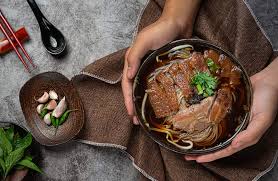
Across the globe, countries possess diverse natural resources and capabilities for livestock production, necessitating varied methods to utilize meat products effectively from cattle, goats, sheep, swine, deer, or other animals.
Whether derived from tender or less tender parts, each cut must be matched with the appropriate cooking method to maximize eating satisfaction and nutritional value.
Loin cuts, generally tender, should be prepared by broiling or other dry-heat methods, while cuts with considerable bone and connective tissue, such as those from the shanks, should be braised or simmered for stews and soups.
Meat animals should be maintained in environments that promote optimal growth and development. Rapidly gaining weight typically results in animals in good condition, yielding meat that is fatter, juicier, and richer in flavor.
Additionally, the proportion of meat relative to hide, bone, and offal is greater. The age at which animals are slaughtered varies based on several factors. The highest quality beef comes from animals under 36 months of age. Older cows can produce highly acceptable beef if properly fattened and processed.
Calves are best slaughtered between three and 16 weeks, depending on the calf and feeding regime. Hogs may be slaughtered after six weeks, but for the most profitable pork production, they may need to be fed for five to ten months. Sheep and goats can be slaughtered after six weeks, with the most desirable age being six to 12 months.
All meat animal carcasses consist of muscle, fat, bone, and connective tissue, with muscle or lean meat being the chief edible and nutritive portion, typically consumed with some attached fat and connective tissue.
Comparative Compositional Aspects of Beef, Pork, and Lamb
Differences in age, weight, fat, and bone content among beef, pork, and lamb used as meat are outlined in Table 1.
Comparative Compositional Aspects of Beef, Pork, and Lamb
| Meat | Average Live Animal Weight (kg) | Age (months) | Dressing Percentage | Carcass Weight (kg) | Carcass Composition (%) | ||
|---|---|---|---|---|---|---|---|
| Lean | Fat | Bone | |||||
| Beef | 454–544 | 36 | 60 | 272–318 | 52 | 32 | 16 |
| Pork | 95–104 | 6 | 70 | 68–73 | 50 | 32 | 18 |
| Lamb | 45 | 8–12 | 50 | 23 | 55 | 28 | 17 |
The lean portion of each animal carcass comprises approximately 300 individual muscles, of which about 25 can be separated and utilized as single muscles or muscle combinations. These muscles vary widely in palatability (tenderness, juiciness, flavor) based on the animal’s maturity or age and the body location of the muscle.
Muscles of locomotion in the extremities or legs are generally less tender but more flavorful than muscles supporting the animal, such as those along the back, which are typically tenderer and less flavorful.
Maturity and body location are among the most critical factors influencing palatability. The color of lean and fat also serves as an important indicator of a normal, wholesome product.
Color Variations in Muscle Tissues of Different Meats
Diseased or unnatural conditions often alter the color from what is considered normal for each species. Typically, fat color ranges from pure white to creamy yellow across all animals. Pink or reddish fat may indicate fever or extreme excitement prior to slaughter. The normal muscle tissue colors for various meats are shown in Table 2:
Normal Muscle Tissue Colors of Different Meats
| Meat | Color |
|---|---|
| Beef | Bright cherry red |
| Goat meat | Light pink to red |
| Lamb | Light pink to red |
| Pork | Greyish pink |
| Veal | Light pink to red |
| Venison | Dark red |
Tissues from older animals are generally darker. In some young animals, fat may appear dark yellow due to breed-specific inability to convert yellow carotene to colorless vitamin A or high consumption of green forage. Aged ruminants often have carcasses with yellow fat.
Stress prior to slaughter can affect carcass appearance. Stressed cattle may produce “dark cutters,” where the muscle is dark red and sticky rather than bright cherry red.
Hogs with porcine stress syndrome (PSS) may yield carcasses that are pale, soft, and exudative (PSE) or dark, firm, and dry (DFD). Exudative carcasses lose water rapidly. While these stress-related conditions do not render the meat inedible, they reduce palatability and visual appeal and may be mistaken for more serious disease conditions.
Read Also: How to Extract and Package Snail Slime (Snail filtrate) for Commercial Use
Understanding Rancidity in Meat

1. Definition and Causes of Rancidity
Rancidity in meat products results from the oxidation of lipid components or microbiological deterioration. Oxidation produces chemical compounds such as peroxides, aldehydes, and free fatty acids.
2. Methods for Measuring Rancidity in Meat
Rancidity is measured using the following methods:
i. Thiobarbituric Acid (TBA) Value: Widely used in meat products, this method determines malonaldehyde levels photometrically. Rancidity begins at 0.4–0.6 mg of malonaldehyde per kilogram of sample. Saturated aldehydes from the termination phase of fat oxidation react with 2-thiobarbituric acid. Higher TBA values indicate advanced rancidity.
ii. Active Oxygen Method (AOM): Measures fat’s resistance to oxidative rancidity during storage. Oil or fat is subjected to conditions that accelerate degradation, with oxygen bubbled into the sample to cause fatty acid oxidation. The peroxide value test monitors oxidation after controlled stress until a specific peroxide value is reached.
iii. Free Fatty Acid (FFA) Content Analysis: Measures hydrolytic rancidity in fat or oil, originating from triglyceride hydrolysis in the presence of moisture, often accelerated by enzymes like lipase. FFA values in meat and meat products above 1.2 indicate rancidity, with values increasing during storage of fatty meats.
iv. Peroxide Value (PV): Assesses the current state of rancidity. Fresh, non-rancid fats have a low PV (usually <5). Peroxides are measured indirectly under standardized conditions, expressed as milliequivalents of peroxide per kilogram of fat. PVs from 0–6 indicate non-rancid fat, 7–10 suggest slight rancidity, and >10 clearly indicate rancidity.
Read Also: The Health Benefits of Using Accent Seasoning on your Cooking
Modern Techniques for Meat Sterilization
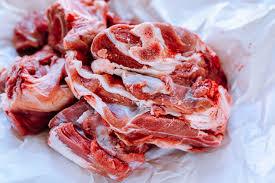
1. Aseptic Packaging for Meat Preservation
Aseptic packaging involves placing an aseptic product into an aseptic container in a sterile environment. The sealed container maintains aseptic conditions until opened, extending the shelf life of products like minced meat.
Compared to conventional sterilization, aseptic packaging offers high product quality, optimized sterilization, minimal energy consumption, and low production costs.
However, it is unsuitable for products with large particles, and shelf life stability is shorter than that of sterilized foods.
2. Ohmic Heating for Meat Processing
Ohmic heating involves thermal processing using heat generated when an electric current passes through a food acting as an electrical resistance. The food serves as a conductor between a ground and a charged electrode, sometimes immersed in a conducting liquid.
Heating follows Ohm’s law, with the food’s conductivity determining the current flow. Ohmic heating can be used for cooking, pasteurization, and sterilization of meat products.
Do you have any questions, suggestions, or contributions? If so, please feel free to use the comment box below to share your thoughts. We also encourage you to kindly share this information with others who might benefit from it. Since we can’t reach everyone at once, we truly appreciate your help in spreading the word. Thank you so much for your support and for sharing!