


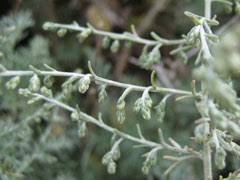
Artemisia maritima, commonly known as Sea Wormwood or Maritime Wormwood, is a fascinating herbaceous plant that thrives in coastal regions and is known for its unique botanical characteristics.
Artemisia maritima is a perennial herb that typically grows to a height of 30 to 80 centimeters (12 to 31 inches). It has an upright and bushy growth habit, with multiple stems emerging from a central base.
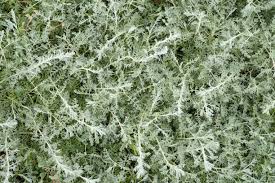
The leaves of Artemisia maritima are a defining feature of the plant. They are finely divided and deeply lobed, giving them a feathery appearance. The leaves are usually gray-green in color and emit a distinct aromatic fragrance when crushed.
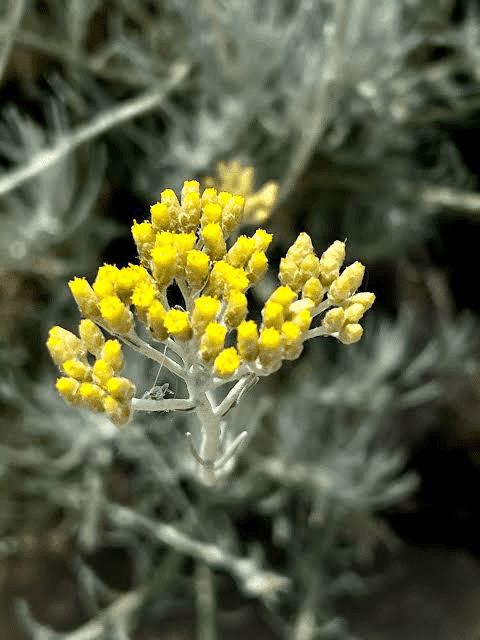
The plant produces small, inconspicuous flowers that are grouped in dense, elongated clusters or spikes. These flower clusters are often yellowish or greenish in color and lack showy petals. They bloom in the summer months.
Artemisia maritima has a fibrous root system that anchors the plant in sandy or rocky soils. The roots are not typically harvested for medicinal purposes.
The stems of Artemisia maritima are slender and branched, with a woody base. They are covered in fine, silvery hairs that contribute to the plant’s overall grayish appearance.
One of the most distinctive characteristics of Artemisia maritima is its strong aromatic scent. The leaves and stems emit a pungent, camphor-like aroma, which is a key indicator of its medicinal properties.
Artemisia maritima is commonly found in coastal areas, especially along shorelines and salt marshes. It thrives in well-drained, sandy soils and is often exposed to salt spray and coastal winds.
This plant is distributed in various parts of the world, including coastal regions of Europe, Asia, and North America. It has adapted to diverse environments and can be found in both temperate and subarctic climates.
Artemisia maritima follows a perennial growth cycle, meaning it regrows from the same roots year after year. It can also reproduce via seeds.
Throughout history, Artemisia maritima has been used for its medicinal properties. It has been employed in traditional herbal medicine to treat various ailments, including digestive issues, respiratory problems, and skin conditions.
Read Also: Tangerine and Mandarin Segments: Economic Importance, Uses and By-Products
The Medicinal Health Benefits of Artemisia maritima (Sea Wormwood)
1. Immune System Booster Artemisia maritima contains compounds that can enhance your immune system’s response. Regular consumption can help your body defend itself against infections and illnesses.
2. Digestive Aid This plant has been used to alleviate digestive issues for centuries. It can relieve indigestion, bloating, and stomach discomfort. You can prepare a soothing tea by steeping its leaves.
3. Anti-Inflammatory Properties Artemisia maritima possesses anti-inflammatory properties, making it effective for reducing inflammation in various parts of the body. This can be particularly beneficial for those with arthritis or other inflammatory conditions.
4. Pain Relief If you’re experiencing pain, whether it’s due to headaches or muscle aches, Artemisia maritima can offer relief. It works as a natural painkiller when consumed or applied topically.
5. Respiratory Health For individuals with respiratory problems, this plant can be a game-changer. It can help alleviate symptoms of asthma, bronchitis, and coughs. Inhaling steam infused with Artemisia maritima can provide quick relief.
6. Antioxidant Rich Artemisia maritima is packed with antioxidants that combat free radicals in your body. These antioxidants help protect your cells from damage, which can lead to various health issues.
7. Stress Reduction This medicinal plant has calming properties that can help reduce stress and anxiety. A warm cup of Artemisia maritima tea before bedtime can promote relaxation and improve sleep quality.
8. Menstrual Pain Relief Women experiencing menstrual cramps can find relief in Artemisia maritima. It can help ease the discomfort and reduce the severity of cramps.
9. Skin Health Artemisia maritima can be used topically to improve skin health. It can soothe skin irritations, reduce acne, and promote a clearer complexion.
10. Antimalarial Potential Recent studies have shown that Artemisia maritima may have antimalarial properties. While more research is needed, this potential benefit could be crucial in regions affected by malaria.
Read Also: 5 Medicinal Health Benefits of Scutellaria nana (Dwarf Skullcap)
The Methods of Usage to Achieve the Provided Health Benefits of Artemisia maritima (Sea Wormwood)
1. Tea: Prepare a soothing tea by steeping Artemisia maritima leaves in hot water. Drink it regularly to enjoy its immune-boosting and digestive benefits.
2. Topical Application: For skin issues or pain relief, you can create a poultice or salve using Artemisia maritima leaves and apply it to the affected area.
3. Inhalation: Inhaling steam infused with Artemisia maritima leaves can help with respiratory issues. Boil water, add the leaves, and inhale the steam.
4. Tincture: You can make a tincture by steeping Artemisia maritima in alcohol. This concentrated form allows for precise dosing.
5. Capsules or Tablets: Artemisia maritima supplements are available in capsule or tablet form, providing a convenient way to incorporate it into your daily routine.
6. Essential Oil: The essential oil extracted from Artemisia maritima can be used for aromatherapy. It has a calming effect and can help reduce stress and anxiety.
7. Compress: Create a warm compress by soaking a cloth in a diluted Artemisia maritima infusion. Apply it to sore muscles or inflamed areas for relief.
8. Culinary Use: In some regions, Artemisia maritima leaves are used as a culinary herb to flavor dishes. However, it should be used sparingly due to its strong flavor.
The Side Effects of Using Artemisia maritima Medicinal Plant
1. Allergic Reactions: Some individuals may be hypersensitive to Artemisia maritima and could experience allergic reactions. These reactions may manifest as skin rashes, itching, hives, or redness. In severe cases, allergic reactions can lead to difficulty breathing and swelling of the face and throat, which require immediate medical attention.
2. Gastrointestinal Distress: Excessive consumption of Artemisia maritima may lead to gastrointestinal discomfort. This can include symptoms such as nausea, vomiting, diarrhea, abdominal cramps, and bloating. It’s important to use this plant in moderation to avoid these issues.
3. Photosensitivity: In some individuals, exposure to Artemisia maritima, especially when applied topically, may increase sensitivity to sunlight. This can result in sunburn or skin irritation when exposed to UV rays. If you plan to use Artemisia maritima topically, be cautious when spending time outdoors in the sun.
4. Liver Concerns: There have been reports of Artemisia maritima affecting liver function in some cases. Prolonged or excessive use may lead to elevated liver enzymes, which could indicate liver stress or damage. If you have existing liver issues or are taking medications that affect the liver, consult a healthcare professional before using this plant.
5. Kidney Issues: Although rare, there have been instances of kidney-related problems associated with Artemisia maritima usage. These may include kidney pain, changes in urine color or frequency, or difficulty in passing urine. If you experience such symptoms, discontinue use and seek medical advice.
6. Interaction with Medications: Artemisia maritima can interact with certain medications, including anticoagulants (blood thinners) and medications that affect the liver or kidneys. If you’re taking any medications, consult with a healthcare provider before using this plant to avoid potential complications.
7. Central Nervous System Effects: Some individuals may experience mild central nervous system effects when using Artemisia maritima, such as dizziness, headache, or mild confusion. These effects are usually temporary and subside with reduced usage.
8. Stomach Ulcers: Prolonged or excessive use of Artemisia maritima may exacerbate existing stomach ulcers or potentially contribute to the development of new ulcers. If you have a history of stomach ulcers or gastritis, use this plant cautiously and discontinue if you experience worsening symptoms.
9. Hormonal Effects: Some compounds in Artemisia maritima may have hormonal effects. Pregnant and breastfeeding women should avoid using this plant, as it could potentially impact hormone levels and fetal development.
10. Interaction with Blood Pressure Medications: Artemisia maritima may have a mild impact on blood pressure. If you’re taking medication to manage your blood pressure, monitor your levels closely and consult with a healthcare professional for guidance on incorporating this plant into your routine.
Nutritional Value of Artemisia maritima (Sea Wormwood)
1. Crude Protein: Artemisia maritima leaves contain approximately 13.17% crude protein, providing essential amino acids that support tissue repair, enzyme production, and overall growth in traditional dietary uses.
2. Crude Fat: With about 4.11% crude fat, the plant offers healthy lipids that contribute to energy provision and may aid in the absorption of fat-soluble vitamins.
3. Carbohydrates: The herb has around 49.63% carbohydrates, serving as a primary energy source and supporting metabolic functions when incorporated into meals or infusions.
4. Dietary Fiber: At 21.06% dietary fiber, it promotes digestive health, regulates blood sugar levels, and helps maintain healthy cholesterol by aiding bowel regularity.
5. Minerals: Rich in minerals such as magnesium (9.472 mg/g), calcium (4.152 mg/g), and iron (4.112 mg/g), these elements support bone health, muscle function, and oxygen transport in the body.
6. Phenolics: Containing 17.64 mg/g phenolics, these compounds act as potent antioxidants, protecting cells from oxidative damage and reducing inflammation.
7. Flavonoids: With 7.67 mg/g flavonoids, they neutralize free radicals, support cardiovascular health, and enhance immune function through their anti-inflammatory effects.
8. Polyunsaturated Fatty Acids (PUFAs): Includes omega-3 fatty acids like linolenic acid, which promote heart health, reduce inflammation, and balance omega-6 to omega-3 ratios for optimal nutrition.
9. Ash Content: Approximately 6.32% ash indicates a mineral-rich profile, contributing to electrolyte balance and basic physiological processes.
10. Terpenoids: These bioactive compounds, including sesquiterpenes, provide antimicrobial properties and support digestive health as part of the plant’s essential oil content.
Artemisia maritima, often used in traditional remedies rather than as a staple food, offers a balanced nutritional profile with significant macronutrients, minerals, and antioxidants, making it a potential functional food for enhancing dietary health in moderation.
Scientific Evidence and Case Studies on Artemisia maritima
1. Zaman et al. (2022): This pharmacognostic study evaluated the nutritional and bioactive profile of Artemisia maritima, revealing high phenolic (17.64 mg/g) and flavonoid (7.67 mg/g) content with strong antioxidant activity (DPPH IC50 45.2 µg/mL), alongside antidiabetic effects (12.61% alpha-amylase inhibition), supporting its potential for managing oxidative stress and diabetes (Zaman, K., et al., 2022).
2. Rocha et al. (2021): Researchers analyzed the essential oil and hydrodistillation water from Artemisia campestris subsp. maritima (closely related to A. maritima), identifying compounds like borneol and camphor with potent antimicrobial activity against dermatophytes (MIC 0.32 µL/mL), indicating benefits for skin infections (Rocha, M. I., et al., 2021).
3. Janbaz & Gilani (1995): An aqueous methanol extract of Artemisia maritima (500 mg/kg) demonstrated hepatoprotective effects in rats against acetaminophen and carbon tetrachloride-induced liver damage, significantly reducing serum enzyme elevations, validating its traditional use for liver disorders (Janbaz, K. H., & Gilani, A. H., 1995).
4. Aumeeruddy et al. (2018): Infusions and tinctures from Artemisia campestris subsp. maritima showed alpha-glucosidase inhibition (IC50 0.12 mg/mL) and tyrosinase inhibition (IC50 0.08 mg/mL), highlighting antidiabetic and skin-lightening potential due to polyphenolic content (Aumeeruddy, M. Z., et al., 2018).
Frequently Asked Questions About Artemisia maritima
1. What is Artemisia maritima used for?
It is traditionally used as a digestive tonic, to stimulate appetite, treat intermittent fevers, and as a vermifuge for expelling intestinal worms.
2. Is Artemisia maritima safe to consume?
In small amounts as tea or infusion, it is generally safe, but excessive use may cause nervous disorders; consult a healthcare provider due to its bitterness and potential toxicity.
3. Can Artemisia maritima help with digestion?
Yes, its carminative and stomachic properties aid digestion, reduce spasms, and promote appetite, similar to milder effects of common wormwood.
4. What are the active compounds in Artemisia maritima?
Key components include phenolics, flavonoids, terpenoids like borneol, and minerals such as magnesium, calcium, and iron, contributing to its bioactivity.
5. How is Artemisia maritima prepared?
Leaves and flowering tops are harvested, dried, and used in infusions, decoctions, or tinctures; occasionally as a flavoring in small amounts.
6. Where does Artemisia maritima grow?
Native to coastal Europe, from France to Germany, it thrives in salt marshes, sandy soils, and temperate coastal areas with good drainage.
7. Are there side effects of Artemisia maritima?
Possible side effects include insomnia, convulsions, or digestive upset in large doses; avoid during pregnancy due to emmenagogue effects.
8. Can Artemisia maritima support liver health?
Studies suggest its extracts protect against chemical-induced liver damage, supporting traditional uses for hepatoprotection.