


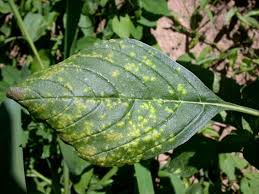
Balanites wilsoniana, commonly known as African Desert Date or Balanites fruit, is a fascinating plant that thrives in the arid regions of Africa. This botanical marvel belongs to the Zygophyllaceae family and is characterized by its unique features that allow it to thrive in harsh and challenging environments.
Balanites wilsoniana is a deciduous, thorny shrub or small tree that can reach heights of up to 6 meters. It boasts a distinctive crown with a spreading canopy of foliage. The plant’s growth pattern is well-adapted to withstand the arid conditions of its habitat. Its deep root system allows it to tap into water sources deep within the soil, ensuring its survival in regions with limited water availability.
The leaves of Balanites wilsoniana are compound, pinnate, and arranged alternately along the stems. Each leaf is composed of numerous leaflets, usually numbering between 6 and 10. These leaflets are lance-shaped, pointed at the tip, and possess a glossy green color. The leaf surface features a smooth texture, and the arrangement allows for optimal sunlight capture while reducing water loss through transpiration.
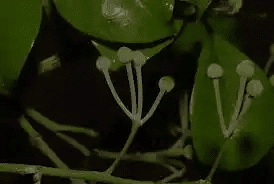
The plant produces small, inconspicuous flowers that are typically greenish-yellow in colour. These flowers are borne in clusters or cymes at the leaf axils. Despite their modest appearance, the flowers play a crucial role in the plant’s reproductive cycle, attracting pollinators such as bees and other insects.
One of the most distinctive features of Balanites wilsoniana is its fruit. The fruit closely resembles dates, with a greenish-yellow skin and a fleshy pulp surrounding a hard, woody pit. The fruit is highly nutritious and contains valuable compounds that contribute to its medicinal properties. It serves as a crucial food source for both humans and wildlife in the regions where it grows.
The plant is adorned with sharp, robust thorns that serve as a defence mechanism against herbivores. These thorns deter animals from browsing on the leaves and fruits, ensuring the plant’s survival in challenging environments where resources are limited. The thorns also contribute to the plant’s distinctive appearance, making it easily recognizable in its habitat.
Balanites wilsoniana is native to arid and semi-arid regions of Africa, particularly in countries like Sudan, Kenya, Ethiopia, and Somalia. It is well-adapted to thrive in harsh conditions, including sandy soils and drought-prone areas. Its ability to endure such challenging environments highlights its ecological significance in supporting local ecosystems.
The Botanical Description of Balanites wilsoniana
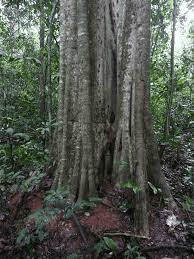
1. Morphology: Balanites wilsoniana, an intriguing member of the Balanitaceae family, is a deciduous tree known for its distinctive morphology. Growing to heights of 10 to 15 meters, it boasts a spreading crown and a thick, rough bark that aids in resisting the harsh conditions of its native habitats.
2. Leaves: The compound leaves of Balanites wilsoniana are alternately arranged, with an odd number of leaflets. These leaflets, elliptical and glossy green, contribute to the tree’s aesthetic appeal. The arrangement enhances the tree’s ability to capture sunlight, a crucial adaptation in its natural environment.
3. Flowers: Small, greenish-yellow flowers grace the branches of Balanites wilsoniana. These inconspicuous blooms form in clusters, playing a pivotal role in the reproductive cycle of the tree. Balanites wilsoniana exhibits dioecious characteristics, meaning individual trees are either male or female.
4. Fruits: The fruit of Balanites wilsoniana is a key feature, often referred to as “desert dates.” These fruits are round and turn from green to a golden yellow when ripe. The hard outer shell protects the sweet and edible pulp inside, making them a valuable food source for both humans and wildlife.
The Geographic Distribution of Balanites wilsoniana
1. Native Range: Balanites wilsoniana is native to various regions in Africa, including countries like Sudan, Kenya, Tanzania, and Ethiopia. It thrives in arid and semi-arid landscapes, showcasing its adaptability to challenging environmental conditions.
2. Habitat Preferences: This tree demonstrates a preference for well-drained soils in areas with minimal rainfall. Balanites wilsoniana is often found in savannas, dry woodlands, and on the fringes of deserts, where it plays a vital role in local ecosystems.
3. Ecological Importance: The geographic distribution of Balanites wilsoniana contributes significantly to its ecological importance. The tree aids in preventing soil erosion, provides shade for other plant species, and serves as a valuable food source for various animals, supporting biodiversity in its habitat.
The Chemical Composition of Balanites wilsoniana
1. Phytochemicals: Balanites wilsoniana boasts a rich array of phytochemicals, including saponins, flavonoids, alkaloids, and tannins. These compounds have potential therapeutic benefits, such as anti-inflammatory and antioxidant properties, making the tree significant in traditional medicine practices.
2. Nutritional Components: The fruit of Balanites wilsoniana, commonly known as desert dates, is not only tasty but also nutritionally valuable. Rich in carbohydrates, essential vitamins, and minerals, it provides a vital food source for both local communities and wildlife.
3. Medicinal Uses: Traditional medicine in many African communities incorporates various parts of Balanites wilsoniana. The bark, leaves, and roots are believed to have medicinal properties, with applications ranging from treating digestive issues to addressing skin conditions.
4. Economic Importance: Beyond its ecological and medicinal value, Balanites wilsoniana holds economic significance. The fruit, with its nutritious pulp, is consumed locally, and the oil extracted from the seeds has industrial applications. Additionally, the tree’s wood is used for various purposes, including fuel and construction material.
Nutritional Value of Balanites wilsoniana (African Desert Date)
1. Protein: The seeds of Balanites wilsoniana are a rich source of protein, containing approximately 27-30% crude protein on a dry weight basis. This makes them a valuable dietary component for populations in regions where protein-rich foods are scarce, supporting muscle growth and repair.
2. Lipids (Fats): The kernel of the fruit is notably high in oil content, with studies reporting up to 30% oil by dry weight. The oil is rich in essential fatty acids like linoleic and oleic acids, which are crucial for heart health and energy provision.
3. Carbohydrates: The fruit pulp contains significant amounts of carbohydrates, primarily sugars, contributing to its caloric value. These provide a quick source of energy, making it a staple during food scarcity periods in rural communities.
4. Minerals (Potassium): The fruit pulp and seeds contain trace amounts of potassium, which supports heart health by regulating blood pressure and fluid balance in the body.
5. Dietary Fiber: The pulp of Balanites wilsoniana offers dietary fiber, promoting digestive health by aiding regular bowel movements and supporting a healthy gut microbiome.
6. Vitamin C: While specific data on vitamin C content in B. wilsoniana is limited, related species like Balanites aegyptiaca have shown high ascorbic acid levels in their fruit pulp, suggesting potential immune-boosting properties.
7. Saponins: The seeds and fruit mesocarp are rich in saponins, bioactive compounds with potential antioxidant and antimicrobial properties, which may support immune health and combat infections.
8. Phenolic Compounds: The fruit contains phenolic acids and flavonoids, which act as antioxidants, helping to neutralize free radicals and reduce oxidative stress in the body.
9. Amino Acids: The seeds contain essential and non-essential amino acids, with glutamic acid being notably high. These amino acids are vital for protein synthesis and overall metabolic health.
10. Low-Calorie Pulp: The fruit pulp is relatively low in calories compared to the seed oil, making it suitable for diets aimed at weight management while still providing essential nutrients.
Read Also: 10 Medicinal Health Benefits of Amaranthus dubius (Slender Amaranth)
The Medicinal Health Benefits of Balanites wilsoniana (African Desert Date)
1. Anti-inflammatory Effects: The extracts from Balanites wilsoniana have shown potent anti-inflammatory properties, which can help in reducing inflammation-related ailments such as arthritis and skin conditions.
2. Antioxidant Power: The plant’s antioxidant compounds, including flavonoids and polyphenols, help combat oxidative stress, protecting the body’s cells from damage and reducing the risk of chronic diseases.
3. Gastrointestinal Health: Balanites wilsoniana is known to have gastroprotective effects, aiding in digestion and soothing gastrointestinal discomfort.
4. Immune System Boost: Rich in nutrients like vitamins C and E, the plant supports the immune system, enhancing the body’s ability to fend off infections.
5. Skin Care: Balanites wilsoniana extracts possess moisturizing and nourishing properties, making them beneficial for skin hydration and addressing skin issues.
6. Antibacterial and Antifungal: The plant’s compounds exhibit antibacterial and antifungal activities, offering a natural way to combat infections.
7. Fever Reduction: In traditional medicine, parts of the Balanites wilsoniana plant are used to manage fevers and reduce temperatures.
8. Pain Relief: The plant’s extracts can act as natural analgesics, helping to alleviate various types of pain.
9. Cardiovascular Support: Compounds in Balanites wilsoniana may contribute to heart health by supporting proper blood circulation and managing cholesterol levels.
10. Anti-diabetic Potential: Research suggests that Balanites wilsoniana may have antidiabetic effects, assisting in blood sugar regulation.
Read Also: 5 Medicinal Health Benefits of Djenkol (Archidendron Pauciflorum)
The Methods of Usage to Achieve the Provided Health Benefits of Balanites wilsoniana (African Desert Date)
1. Infusions and Teas: Creating an infusion or tea from Balanites wilsoniana leaves, fruits, or even bark is a common and simple method. Boil a handful of dried or fresh leaves or fruits in water, then strain the liquid. This herbal tea can be consumed daily to enjoy its antioxidant, anti-inflammatory, and immune-boosting properties.
2. Topical Applications: Balanites wilsoniana extracts can be used topically to address various skin issues. For skin moisturization, mix a few drops of Balanites wilsoniana oil extract with a carrier oil and apply it to dry or irritated skin. Additionally, balms or creams containing Balanites wilsoniana extracts can help with wound healing, reducing inflammation, and soothing skin discomfort.
3. owders and Supplements: Dried Balanites wilsoniana parts, such as leaves or fruits, can be ground into a fine powder. This powder can be added to foods, smoothies, or beverages for a convenient way to incorporate its health benefits into your diet. Alternatively, encapsulated Balanites wilsoniana powder can be taken as a supplement, offering a concentrated dose of its medicinal properties.
4. Oil Extracts: Extracting oil from Balanites wilsoniana seeds provides a versatile solution. The oil can be used for massage to relieve muscle pain and tension. It can also be applied to the hair and scalp for nourishment and hydration. To create the oil extract, crush and grind the seeds, then extract the oil using a carrier oil and the infusion method.
5. Traditional Poultices: In some traditional practices, Balanites wilsoniana leaves or fruits are used to create poultices. Crush the plant parts and apply them directly to the affected area, such as wounds, burns, or insect bites. This method can promote healing, alleviate pain, and prevent infections.
6. Decoctions for Oral Health: For oral health benefits, prepare a decoction by boiling Balanites wilsoniana leaves or bark in water. Let it cool and use it as a mouthwash or gargle to address oral discomfort, inflammation, or infections.
7. Cooking and Culinary Uses: In regions where Balanites wilsoniana is part of the local cuisine, its fruits can be included in various dishes. Incorporating the fruits into your diet can provide a milder form of the plant’s medicinal benefits while adding a unique flavor to your meals.
The Side Effects of Using Balanites wilsoniana Medicinal Plant
1. Gastrointestinal Discomfort: In some individuals, excessive consumption of Balanites wilsoniana or its extracts can lead to gastrointestinal discomfort such as nausea, vomiting, or diarrhea. This may be more pronounced in those with sensitive digestive systems.
2. Allergic Reactions: Allergic reactions to Balanites wilsoniana can manifest as skin rashes, itching, redness, or swelling. If you are prone to allergies or have a history of allergic reactions, it’s recommended to perform a patch test before using the plant topically or internally.
3. Interaction with Medications: Balanites wilsoniana might interact with certain medications or medical conditions. If you are currently taking medications, especially for diabetes or blood pressure, or if you have any underlying health conditions, consult a healthcare professional before using Balanites wilsoniana for medicinal purposes.
4. Pregnancy and Breastfeeding: Pregnant or breastfeeding women should exercise caution when using Balanites wilsoniana. Limited research is available on its safety during these periods, and it’s best to consult a healthcare provider before incorporating it into your routine.
5. Dosage Considerations: As with any herbal remedy, proper dosage is crucial. Overconsumption of Balanites wilsoniana can lead to adverse effects. It’s recommended to follow dosing guidelines provided by healthcare professionals or traditional medicine practitioners.
6. Nutritional Imbalance: While Balanites wilsoniana is nutritious, relying solely on it for health benefits could lead to an imbalance in your overall diet. It’s important to maintain a varied and well-rounded diet to ensure all nutritional needs are met.
7. Children and Elderly Individuals: Special care should be taken when administering Balanites wilsoniana to children or elderly individuals. Their bodies might react differently, and it’s advisable to seek guidance from a healthcare provider.
8. Quality and Source: The quality and source of Balanites wilsoniana products matter. Ensure that you obtain the plant or its products from reputable sources to reduce the risk of contamination or improper processing.
9. Individual Sensitivity: Just as with any natural remedy, individual sensitivity plays a role. Some individuals may experience side effects that are not common among others. Listen to your body’s response and adjust usage accordingly.
Scientific Research and Studies of Balanites wilsoniana
1. Antimicrobial Properties: Research has looked into the antimicrobial potential of Balanites wilsoniana, revealing its effectiveness against various microorganisms. This property suggests potential applications in the development of antimicrobial agents.
2. Anti-inflammatory Effects: Scientific studies have explored the anti-inflammatory effects of Balanites wilsoniana extracts, indicating its potential in managing inflammatory conditions and related health issues.
3. Antioxidant Activity: Investigations have shown that Balanites wilsoniana possesses antioxidant properties, suggesting its role in neutralizing free radicals and potentially contributing to overall health.
4. Cytotoxicity Against Cancer Cells: Some studies have examined the cytotoxic effects of Balanites wilsoniana on cancer cells, indicating a potential role in cancer treatment or prevention.
5. Hepatoprotective Potential: Research suggests that Balanites wilsoniana may have hepatoprotective effects, protecting the liver from damage and supporting liver health.
6. Analgesic Properties: Scientific investigations have explored the analgesic (pain-relieving) properties of Balanites wilsoniana, suggesting its possible use in managing pain and discomfort.
7. Antidiabetic Effects: Preliminary studies have indicated that Balanites wilsoniana may have antidiabetic effects, showing promise in managing blood sugar levels. Further research is needed to understand its mechanisms and potential applications in diabetes management.
Safety Precautions and Recommendations In Using Balanites wilsoniana Medicinal Plant
1. Dosage and Administration: Adhere to recommended dosages, as excessive intake may lead to adverse effects. Follow guidelines provided by healthcare practitioners or on product labels.
2. Pregnancy and Breastfeeding: Pregnant or breastfeeding individuals should exercise caution or avoid Balanites wilsoniana due to potential risks. Consultation with a healthcare professional is crucial before use.
3. Allergic Reactions: Individuals with known allergies to plants should use Balanites wilsoniana with caution to prevent potential allergic reactions.
4. Interaction with Medications: Consult a healthcare professional before using Balanites wilsoniana if taking medications, as it may interact with certain drugs.
5. Duration of Use: Prolonged use without medical supervision should be avoided to prevent potential side effects or complications.
6. Quality and Source: Ensure the quality and source of the Balanites wilsoniana product, as variations can impact safety and efficacy.
7. Side Effects: Be vigilant for possible side effects such as digestive discomfort, allergic reactions, or skin irritation. Discontinue use if any adverse reactions occur.
FAQs About Balanites wilsoniana Medicinal Plant
1. Is Balanites wilsoniana safe to eat?
The fruit pulp and seeds are edible after proper preparation, such as boiling seeds to remove bitterness. However, due to saponin content, excessive consumption may cause digestive irritation, so moderation is advised. Consult a healthcare professional if unsure.
2. What are the health benefits of Balanites wilsoniana?
It provides proteins, healthy fats, and antioxidants, potentially supporting muscle health, heart function, and infection resistance. Its fiber content aids digestion, though more research is needed to confirm specific benefits.
3. How is Balanites wilsoniana used in traditional medicine?
In tropical Africa, particularly Uganda and Angola, the fruit and seed oil are used to treat skin conditions, digestive issues, and as a general tonic, often applied as poultices or consumed as infusions.
4. Can Balanites wilsoniana be grown in non-tropical climates?
It thrives in humid, tropical environments like rainforests and river valleys. In colder climates, it would require greenhouse conditions with high humidity and well-draining soil to survive.
5. Are there risks associated with consuming Balanites wilsoniana?
The seeds contain saponins, which can be toxic in large amounts, potentially causing stomach upset. Proper preparation, like boiling, reduces this risk. Avoid consumption if allergic to Zygophyllaceae plants.
6. How do you prepare Balanites wilsoniana for consumption?
The fruit pulp can be eaten fresh or dried, while seeds are typically boiled to reduce bitterness and extract oil. The oil can be used in cooking or applied topically for medicinal purposes.
7. Does Balanites wilsoniana support ecological benefits?
Yes, its deep roots help stabilize soil in humid forest environments, and its fruits provide food for wildlife, supporting biodiversity in regions like Ghana and DR Congo.
8. Can Balanites wilsoniana be propagated easily?
It can be propagated from seeds or cuttings, though seeds require scarification due to their hard coat. Propagation is most successful in warm, humid conditions typical of its native range.
Do you have any questions, suggestions, or contributions? If so, please feel free to use the comment box below to share your thoughts. We also encourage you to kindly share this information with others who might benefit from it. Since we can’t reach everyone at once, we truly appreciate your help in spreading the word. Thank you very much for your support and for sharing!
Disclaimer: This article is for educational and informational purposes only. The health benefits described are based on scientific research and traditional knowledge. They are not a substitute for professional medical advice, diagnosis, or treatment. Always consult a healthcare professional before using any herb or natural remedy for medical purposes.
Read Also: Strategies for Reducing Water Pollution