


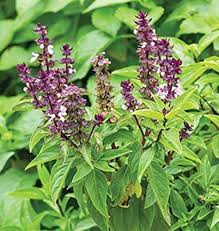
Basil (Ocimum basilicum) is not only a popular culinary herb but also a medicinal plant that has been used for its potential health benefits for centuries. Different varieties of basil, including Sweet Basil, Holy Basil (Tulsi), and other basil cultivars, have been studied for their medicinal properties.
Holy Basil, also known as Tulsi, is a sacred plant in Hinduism and is highly revered for its spiritual, medicinal and cultural significance. It’s a different species of basil (Ocimum sanctum or Ocimum tenuiflorum) and is distinct from the culinary basil (Ocimum basilicum).
Holy Basil is considered an adaptogen, which means it may help the body adapt to stress and balance physiological processes. It is believed to support the body’s response to various stressors, whether physical, emotional or environmental.
Basil, especially Holy Basil, contains compounds like flavonoids, polyphenols and essential oils that have strong antioxidant properties. Antioxidants help neutralize free radicals in the body, potentially reducing oxidative stress and cellular damage.
Basil compounds, including eugenol, have shown anti-inflammatory properties. These properties could contribute to reducing inflammation in the body, which is often associated with chronic diseases.
Holy Basil is traditionally used as a natural remedy to support the immune system. Its immunomodulatory effects are believed to help strengthen the body’s defense mechanisms.
Nutritional Value of Basil (Ocimum Basilicum)
Basil is not only a flavorful herb but also a nutrient-packed addition to your diet. Below are 10 key nutritional components of basil, with explanations of their benefits:
1. Vitamin K: Basil is rich in vitamin K, which supports blood clotting and bone health. A small serving (about 2 tablespoons of fresh basil) provides nearly 100% of the daily recommended intake, helping maintain strong bones and prevent excessive bleeding.
2. Vitamin A: Through its beta-carotene content, basil contributes to vitamin A needs, promoting healthy vision, skin, and immune function. The antioxidants in beta-carotene also protect cells from damage.
3. Vitamin C: This vitamin in basil boosts immunity, supports collagen production for skin and joints, and acts as an antioxidant to combat free radicals. A handful of fresh basil leaves offers a modest but valuable dose.
4. Iron: Basil contains small amounts of iron, essential for oxygen transport in the blood and preventing anemia. While not a primary source, it adds to overall iron intake when combined with other foods.
5. Calcium: Important for bone and teeth health, calcium in basil also aids muscle function and nerve signaling. Fresh basil provides a small but helpful contribution to daily calcium needs.
6. Magnesium: This mineral supports muscle relaxation, nerve function, and energy production. Basil’s magnesium content, though modest, complements a balanced diet.
7. Potassium: Basil offers potassium, which helps regulate blood pressure, fluid balance, and muscle contractions. Regular consumption can support heart health.
8. Antioxidants (Eugenol): Basil contains eugenol, a powerful antioxidant with anti-inflammatory properties. It helps reduce oxidative stress and may protect against chronic diseases.
9. Fiber: While consumed in small amounts, basil’s dietary fiber aids digestion and supports gut health, contributing to a healthy digestive system.
10. Omega-3 Fatty Acids: Basil seeds, in particular, contain alpha-linolenic acid (ALA), a plant-based omega-3 that supports heart and brain health. These are less common but valuable in certain basil varieties.
Incorporating basil into meals, whether fresh, dried, or as seeds, provides a range of nutrients that support overall health. Its versatility makes it easy to add to salads, soups, or smoothies for a nutritional boost.
Read Also: Chickpea/Gram Pea Roots: Economic Importance, Uses and By-Products
The Medicinal Health Benefits of Basil ( Ocimum Basillicum)
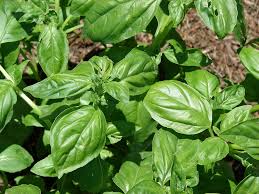
1. Antioxidant Protection: Basil contains powerful antioxidants like flavonoids and polyphenols that help protect cells from oxidative stress and damage caused by free radicals. These antioxidants may help reduce the risk of chronic diseases like cancer and heart disease. Consuming basil regularly in your diet can contribute to overall antioxidant intake, promoting cellular health.
2. Anti-Inflammatory Effects: Basil’s compounds, including eugenol, exhibit anti-inflammatory properties that can help alleviate inflammation in the body, potentially benefiting conditions like arthritis or inflammatory bowel disease. Drinking basil tea or adding fresh basil to meals might help manage joint pain in individuals with arthritis.
3. Immune System Support: Basil’s immunomodulatory effects may enhance immune system function and improve the body’s ability to fight infections and illnesses. Including basil leaves in your diet during cold and flu season can provide an extra boost to your immune system.
4. Respiratory Health: Basil’s aromatic compounds can have a soothing effect on the respiratory system, potentially easing coughs and congestion. Inhaling steam infused with basil essential oil may help relieve respiratory discomfort during a cold.
5. Digestive Aid: Basil can support digestion by promoting the secretion of digestive enzymes and reducing gastrointestinal discomfort. Drinking basil-infused water after a heavy meal might help ease bloating and indigestion.
6. Stress Reduction: Basil, especially Holy Basil, is considered an adaptogen that can help the body cope with stress and promote a sense of calm and relaxation. Drinking Holy Basil tea before bedtime might help reduce stress and improve sleep quality.
7. Blood Sugar Regulation: Basil’s compounds may improve insulin sensitivity and help regulate blood sugar levels, benefiting individuals with diabetes or those at risk of developing the condition. Incorporating basil into meals can be part of a balanced diet for managing blood sugar.
8. Cardiovascular Support: Basil’s antioxidants and anti-inflammatory properties may help reduce the risk factors for heart disease, such as high blood pressure and high cholesterol. Using basil as a flavorful seasoning instead of excessive salt can contribute to heart-healthy eating habits.
9. Antimicrobial Activity: Basil extracts have shown antibacterial and antimicrobial effects, potentially helping to combat infections. Applying diluted basil essential oil to minor cuts might help prevent infection.
10. Skin Health: Basil’s antibacterial and anti-inflammatory properties can benefit skin health by soothing irritations and promoting healing. Creating a basil-infused skin toner could help with acne-prone skin by reducing inflammation.
11. Oral Health: Basil’s antimicrobial properties may contribute to oral health by fighting bacteria that cause bad breath and dental issues. Using basil-infused mouthwash could provide a natural way to maintain oral hygiene.
12. Basil’s antioxidants and potential anti-inflammatory effects may contribute to brain health and cognitive function. Including basil in your diet might be part of a brain-boosting regimen, along with other cognitive activities.
13. Hormonal Balance: Holy Basil (Tulsi) is known in Ayurvedic medicine for its potential to balance hormones and alleviate symptoms of hormonal imbalances. Incorporating Holy Basil tea into your routine could help support hormonal health during menstruation.
The Method of Usage to Achieve the Provided Health Benefits of Basil (Ocimum Basillicum)
Read Also: Aloe Vera Roots: Economic Importance, Uses and By-Products
Here’s a detailed explanation of how to use Basil to achieve the provided medicinal health benefits:
1. Antioxidant Protection: Incorporate fresh basil leaves into your diet. Add fresh basil to salads, sandwiches, pasta dishes, and soups. You can also make a basil pesto sauce using basil, olive oil, garlic, pine nuts and Parmesan cheese. Consuming basil regularly provides a source of antioxidants that protect cells from oxidative stress.
2. Anti-Inflammatory Effects: Include basil in your meals. Use basil as a seasoning in a variety of dishes. For example, add chopped basil to tomato sauces, stir-fries, or omelets. The anti-inflammatory compounds in basil, like eugenol, can help reduce inflammation in the body when consumed consistently.
3. Immune System Support: Consume basil leaves or extracts. Make basil tea by steeping fresh basil leaves in hot water for about 5 minutes. You can sweeten it with honey or lemon if desired. Drinking basil tea regularly may enhance immune function and improve the body’s defenses against infections.
4. Respiratory Health: Use basil essential oil. Inhale steam infused with a few drops of basil essential oil. Boil water, pour it into a bowl, add the essential oil, and inhale the steam while covering your head with a towel. The aromatic compounds can help soothe respiratory discomfort.
5. Digestive Aid: Consume basil-infused water or meals. Make basil-infused water by adding fresh basil leaves to a pitcher of water and letting it infuse for a few hours. Sip on this water throughout the day to promote digestion. Alternatively, add fresh basil leaves to salads, soups, or sauces to aid digestion.
6. Stress Reduction: Consume Holy Basil (Tulsi) tea. Brew Holy Basil tea by steeping dried Holy Basil leaves in hot water for about 5 minutes. Drink this tea before bedtime or during stressful moments to promote relaxation and reduce stress levels.
7. Blood Sugar Regulation: Incorporate basil into meals. Use basil as a flavorful seasoning in various dishes. Basil’s compounds may help regulate blood sugar levels, so adding it to meals can contribute to managing blood sugar.
8. Cardiovascular Support: Replace excessive salt with basil as a seasoning. Instead of using excessive salt to flavor your meals, use chopped fresh basil or dried basil to add flavor. This can help reduce the intake of sodium and contribute to heart-healthy eating habits.
9. Antimicrobial Activity: Apply basil-infused solutions to minor cuts or wounds. Create a diluted solution by mixing a few drops of basil essential oil with a carrier oil (such as coconut oil). Apply this solution to minor cuts or wounds to potentially help prevent infection and promote healing.
10. Skin Health: Apply diluted basil essential oil to the skin. Mix a few drops of basil essential oil with a carrier oil (such as jojoba oil) and apply it to the skin. This can help soothe minor skin irritations and support overall skin health.
11. Oral Health: Use basil-infused mouthwash. Steep dried basil leaves in warm water to create a basil-infused mouthwash. Swish this solution in your mouth for a minute or two to potentially benefit from basil’s antimicrobial properties.
12. Cognitive Support: Include basil in your diet. Consume basil as part of your meals or snacks. The antioxidants and potential anti-inflammatory effects in basil may contribute to brain health and cognitive function.
13. Hormonal Balance: Drink Holy Basil (Tulsi) tea. Brew Holy Basil tea using dried Tulsi leaves. Drink this tea regularly to potentially support hormonal balance, especially during menstrual cycles.
Scientific Evidence and Case Studies on Basil (Ocimum Basilicum)
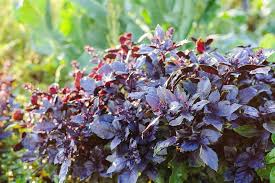
1. Anti-inflammatory Effects: A 2017 study by Kadan et al. demonstrated that basil’s eugenol content significantly reduces inflammation in animal models. The study showed reduced swelling and pain, suggesting potential for managing inflammatory conditions like arthritis (Kadan, S., Rayan, M., & Rayan, A., 2017).
2. Antibacterial Properties: Research by Moghaddam et al. in 2014 found that basil essential oil effectively inhibits bacterial growth, including strains like E. coli and Staphylococcus aureus. This supports its use as a natural antimicrobial agent in food preservation and health (Moghaddam, M., Pourbaige, M., & Tabar, H. K., 2014).
3. Antioxidant Activity: A 2019 study by Jayasinghe et al. confirmed that basil extracts are rich in antioxidants, particularly rosmarinic acid, which protects cells from oxidative stress. This may lower the risk of chronic diseases like cancer and heart disease (Jayasinghe, C., Gotoh, N., & Wada, S., 2019).
4. Blood Sugar Regulation: Widjaja et al. in 2018 explored basil’s role in managing blood glucose. Their study on diabetic rats showed that basil leaf extract improved insulin sensitivity, suggesting potential benefits for type 2 diabetes management (Widjaja, S., Rusdiana, & Savira, M., 2018).
5. Stress Reduction: A 2015 clinical trial by Sampath et al. found that holy basil (a related variety, Ocimum tenuiflorum) reduced stress and anxiety in humans. While not identical to sweet basil, the similar compounds suggest potential mental health benefits (Sampath, S., Mahapatra, S. C., & Padhi, M. M., 2015).
The Side Effects of Using Basil Medicinal Plant
Basil is generally considered safe for consumption and external use in moderate amounts. However, like many herbs, it can cause side effects in some individuals, particularly if consumed or used excessively. Here are some potential side effects of using basil:
1. Allergic Reactions: Some individuals may be allergic to basil. Allergic reactions can range from mild skin irritation to more severe symptoms like itching, rash, swelling, or difficulty breathing. If you have known allergies to other herbs in the mint family (Lamiaceae), you might be at a higher risk of being allergic to basil.
2. Skin Sensitivity: Applying undiluted basil essential oil directly to the skin can cause skin irritation or allergic reactions. It’s important to dilute essential oils with a carrier oil before topical application.
3. Gastrointestinal Distress: Consuming large amounts of basil, especially basil essential oil, may lead to gastrointestinal discomfort, including nausea, vomiting, or diarrhea.
4. Blood Clotting: Basil contains compounds that can have antiplatelet effects, meaning they can potentially inhibit blood clotting. Individuals taking blood-thinning medications or with bleeding disorders should use basil cautiously and consult a healthcare professional.
5. Hormonal Effects: Holy Basil (Tulsi) is considered an adaptogen and may influence hormone levels. While this is generally seen as beneficial, individuals with hormone-sensitive conditions (such as hormone-dependent cancers) should consult a doctor before using Holy Basil in significant amounts.
6. Drug Interactions: Basil, particularly Holy Basil, may interact with certain medications, including anticoagulants, antidiabetic drugs, and medications that affect hormone levels. Consult a healthcare provider before using basil if you’re on medication.
7. Photosensitivity: Some essential oils, including basil essential oil, can increase sensitivity to sunlight and potentially cause skin reactions when exposed to the sun.
Frequently Asked Questions About Basil (Ocimum Basilicum)
1. What are the health benefits of eating basil?
Basil supports bone health, immunity, and heart health due to its vitamins, minerals, and antioxidants. It may also reduce inflammation and help regulate blood sugar, as shown in scientific studies.
2. Can you eat basil raw?
Yes, fresh basil leaves are safe and commonly eaten raw in salads, pestos, or as garnishes. They’re nutritious and flavorful when consumed fresh.
3. Is basil good for weight loss?
Basil is low in calories and contains fiber, which can support digestion and satiety. While not a direct weight-loss tool, it can be part of a healthy, balanced diet.
4. Are there any side effects of eating too much basil?
Excessive consumption may cause issues for some, as basil contains eugenol, which can thin blood. People on blood-thinning medications should consult a doctor.
5. How do I store fresh basil to keep it fresh?
Store fresh basil like a bouquet: trim the stems, place in a glass of water, and cover loosely with a plastic bag. Keep it at room temperature or refrigerate for up to a week.
6. Can basil be used for skin health?
Yes, basil’s antioxidants and antibacterial properties may help with acne or skin inflammation when applied topically (e.g., in masks) or consumed.
7. Is basil safe during pregnancy?
In culinary amounts, basil is generally safe. However, pregnant women should avoid large medicinal doses or essential oils, as they may affect hormone levels.
8. What’s the difference between sweet basil and holy basil?
Sweet basil (Ocimum basilicum) is used in cooking, while holy basil (Ocimum tenuiflorum) is often used in herbal medicine for stress relief. They have similar but distinct flavors and benefits.
Do you have any questions, suggestions, or contributions? If so, please feel free to use the comment box below to share your thoughts. We also encourage you to kindly share this information with others who might benefit from it. Since we can’t reach everyone at once, we truly appreciate your help in spreading the word. Thank you very much for your support and for sharing!
Disclaimer: This article is for educational and informational purposes only. The health benefits described are based on scientific research and traditional knowledge. They are not a substitute for professional medical advice, diagnosis, or treatment. Always consult a healthcare professional before using any herb or natural remedy for medical purposes.
Read Also : Roles of Environmental Management Services