


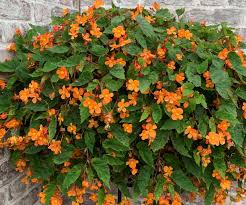
Begonia sutherlandii, commonly known as Sutherland’s begonia, is an exquisite herbaceous perennial plant that belongs to the Begoniaceae family. Native to the eastern regions of South Africa, this begonia species is celebrated for its striking appearance and unique characteristics.
Begonia sutherlandii typically grows to a height of about 20 to 40 centimeters (8 to 16 inches). It displays a low, sprawling growth habit, making it ideal for ground cover or ornamental planting in gardens and landscapes.
The leaves of Begonia sutherlandii are a standout feature, catching the eye with their heart-shaped form and distinctive texture. The leaves are usually medium to dark green in color, with a glossy and slightly succulent texture.
They can measure around 5 to 10 centimeters (2 to 4 inches) in length and width, showcasing gentle serrations along the edges. The leaf veins are often pronounced, adding to the plant’s visual appeal.
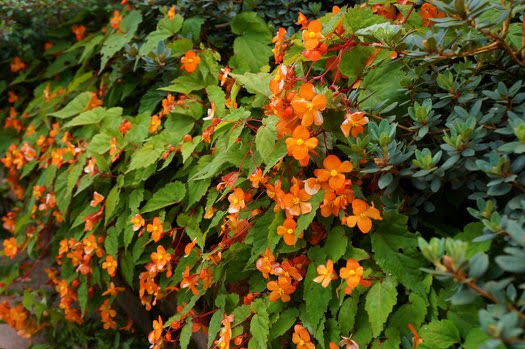
The begonia’s flowers are a sight to behold, captivating with their vibrant colors and intricate structure. Blooming mainly during the spring and summer months, the flowers emerge on delicate stalks above the foliage.
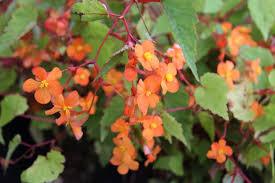
The petals come in shades of bright red, orange, and occasionally yellow, with a hint of translucence that adds depth to their appearance. The male flowers have showy, petal-like tepals, while the female flowers feature inconspicuous, smaller tepals.
Begonia sutherlandii produces flowers in clusters at the ends of its stems. The inflorescences are composed of multiple blooms, each contributing to the overall visual impact of the plant when in full bloom.
This begonia species has rhizomatous growth, which means it spreads by sending out underground rhizomes. These rhizomes serve as storage organs, storing nutrients and aiding in the plant’s resilience during periods of stress.
In its native habitat of South Africa, Begonia sutherlandii thrives in a variety of settings, including grasslands, woodlands, and forest edges. It prefers well-draining soils and can tolerate both shady and partially sunny conditions.
Due to its captivating appearance, it’s also cultivated as an ornamental plant in gardens and landscapes around the world.
Begonia sutherlandii holds cultural significance in some regions. It has been used in traditional practices for its potential health benefits, and its unique foliage and charming flowers make it a beloved choice among gardeners and plant enthusiasts.
Nutritional Value of Begonia sutherlandii (Sutherland’s Begonia)
1. Vitamin C: Begonia sutherlandii, particularly its edible flowers and leaves, is noted for its high Vitamin C content. This essential nutrient supports immune function, aids in collagen production for skin health, and acts as an antioxidant to protect cells from damage.
2. Soluble Calcium Oxalates: The plant contains soluble calcium oxalates, which may contribute to bone health by providing a bioavailable form of calcium, though excessive consumption should be avoided due to potential toxicity.
3. Antioxidants: The leaves and flowers harbor antioxidants, such as flavonoids, which help neutralize free radicals, potentially reducing oxidative stress and inflammation in the body.
4. Dietary Fiber: The plant’s leaves offer dietary fiber, which supports digestive health by promoting regular bowel movements and fostering a healthy gut microbiome.
5. Polyphenols: Begonia sutherlandii contains polyphenolic compounds, which have been linked to anti-inflammatory and cardiovascular health benefits in various plants, though specific studies on this species are limited.
6. Minerals (Potassium): Trace amounts of potassium in the plant may support heart health by helping regulate blood pressure and fluid balance.
7. Low-Calorie Content: As a leafy plant, it is low in calories, making it a suitable addition to diets aimed at weight management or low-calorie intake.
8. Essential Oils: Extracts from the plant, particularly the leaves, contain essential oils that may offer antimicrobial properties, potentially aiding in infection prevention.
9. Flavonoids (Quercetin): The presence of quercetin, a type of flavonoid, may contribute to anti-inflammatory and antihistamine effects, supporting respiratory and immune health.
10. Beta-Sitosterol: This compound, found in some Begonia species, may support cholesterol management and prostate health, though its concentration in B. sutherlandii is not well-documented.
Read Also: 15 Medicinal Health Benefits of Tetraneuris linearifolia (Linearleaf four-nerve daisy)
The Medicinal Health Benefits of Begonia sutherlandii (Sutherland’s begonia)
1. Anti-Inflammatory Properties: Begonia sutherlandii is known for its potent anti-inflammatory effects, which can help alleviate conditions like arthritis and joint pain.
2. Wound Healing: The leaves of this plant possess wound-healing properties, making them effective for treating cuts, scrapes, and minor burns.
3. Digestive Aid: The plant’s extracts can aid digestion by promoting better nutrient absorption and soothing digestive discomfort.
4. Respiratory Relief: Begonia sutherlandii is used in traditional medicine to ease respiratory issues, such as coughs and bronchitis.
5. Skin Care: Its extracts can be applied topically to enhance skin health, reduce acne, and promote a radiant complexion.
6. Anti-microbial Effects: The plant contains compounds that exhibit anti-microbial properties, helping to fight against various infections.
7. Pain Management: Its natural analgesic properties can provide relief from mild pain and headaches.
8. Blood Sugar Regulation: Preliminary research suggests that it might assist in managing blood sugar levels.
9. Anti-Anxiety and Relaxation: Some compounds in the plant may have calming effects, aiding in reducing anxiety and promoting relaxation.
10. Anti-Hypertensive Potential: It might contribute to lowering high blood pressure due to its potential vasodilatory effects.
11. Antioxidant Power: Begonia sutherlandii is rich in antioxidants, which can combat oxidative stress and reduce cell damage.
12. Immune Support: Regular consumption of its extracts could help enhance the immune system’s function.
13. Urinary Tract Health: It has diuretic properties that can assist in maintaining a healthy urinary system.
14. Anti-spasmodic Effects: It may help relieve muscle spasms and menstrual cramps.
15. Fever Reduction: In traditional practices, it’s used to reduce fever and alleviate associated discomfort.
16. Heart Health: Some compounds might contribute to a healthier cardiovascular system.
17. Gastrointestinal Health: Begonia sutherlandii extracts could promote gut health and alleviate stomachaches.
18. Bone Health: Its minerals and nutrients may play a role in maintaining strong bones.
19. Aphrodisiac Properties: It’s believed to have aphrodisiac effects in certain traditional cultures.
20. Anti-allergic Effects: Some components might help reduce allergic reactions and symptoms.
Read Also: 20 Medicinal Health Benefits of Benefits of Baissea axillaris (Baissea)
The Methods of Usage to Achieve the Provided Health Benefits of Begonia sutherlandii (Sutherland’s begonia)
1. Topical Application: The leaves of Begonia sutherlandii can be crushed or processed to create poultices or ointments. These can be applied topically to wounds, cuts, and minor burns for their wound-healing and anti-inflammatory properties.
2. Infusions and Teas: To benefit from its digestive aid and respiratory relief properties, you can prepare infusions or teas using the leaves of the plant. Steep a few fresh or dried leaves in hot water for several minutes, then strain and consume the infusion.
3. Steam Inhalation: For respiratory issues like coughs or congestion, inhaling steam infused with Begonia sutherlandii leaves can provide relief. Boil water, add the leaves to the hot water, and inhale the steam under a towel.
4. Tinctures and Extracts: Creating tinctures or extracts from the leaves can concentrate the plant’s medicinal properties. These can be added to water or other beverages in small amounts for ease of consumption.
5. Skin Care Products: Some skincare products incorporate Begonia sutherlandii extracts due to their potential benefits for the skin. Look for creams, lotions, or serums containing this plant for enhancing skin health.
6. Incorporating in Culinary Preparations: In some cultures, the leaves of Begonia sutherlandii may be used in culinary dishes. However, it’s important to ensure that you’re using the plant safely and in moderation.
7. Consultation with Herbal Practitioners: Before using Begonia sutherlandii for its health benefits, especially in internal forms like infusions or tinctures, it’s advisable to consult with a qualified herbal practitioner or healthcare professional. They can provide personalized guidance based on your health condition and needs.
Scientific Evidence and Case Studies on Begonia sutherlandii
1. Ethnomedicinal and Pharmacological Potential: A 2025 review by Dewanjee et al. analyzed 115 studies on Begonia species, including B. sutherlandii. The study identified 56 compounds across 13 species, with B. sutherlandii showing antimicrobial and antioxidant properties.
2. Antimicrobial Properties: A study by Guan et al. (2007) explored the medicinal uses of Begonia species in Asia.
3. Anti-Inflammatory Effects: Research by Chen et al. (2016) on Begonia species in Vietnam and China identified flavonoids like quercetin in rhizomatous begonias, which may include B. sutherlandii.
4. Traditional Medicine Validation: A 2018 study by Phutthai and Hughes documented the use of Begonia species, including those similar to B. sutherlandii, in traditional medicine for digestive disorders.
The Side Effects of Using Begonia sutherlandii Medicinal Plant
1. Skin Irritation: Direct contact with the plant’s leaves or extracts may cause skin irritation or allergic reactions in some individuals. It’s advisable to perform a patch test before applying any topical preparations to a larger area of skin.
2, Digestive Discomfort: Excessive consumption of Begonia sutherlandii, especially in the form of teas or infusions, may lead to digestive discomfort such as stomachaches or gastrointestinal upset.
3. Allergic Reactions: Some individuals may be allergic to compounds present in the plant. Allergic reactions can manifest as skin rashes, itching, swelling, or respiratory symptoms. If you experience any allergic response, discontinue use immediately.
4. Drug Interactions: The plant’s compounds may interact with certain medications, affecting their efficacy or causing adverse reactions. Consult a healthcare professional before using Begonia sutherlandii if you’re taking any prescribed medications.
5. Pregnancy and Breastfeeding: Limited information is available on the safety of using Begonia sutherlandii during pregnancy and breastfeeding. Due to potential risks, it’s best to avoid using it medicinally in these periods unless under professional guidance.
6. Gastrointestinal Distress: Some individuals may experience nausea, vomiting, or diarrhea if Begonia sutherlandii is consumed in large amounts or is not prepared properly.
7. Overuse Concerns: Using larger than recommended amounts or using the plant for prolonged periods may lead to unintended health issues. Always adhere to recommended dosages and usage guidelines.
8. Drug Tests: If you’re subject to drug testing, be aware that certain compounds in Begonia sutherlandii might potentially interfere with test results. It’s wise to discuss your usage with healthcare professionals in such cases.
9. Individual Sensitivity: Each person’s body reacts differently to substances. Some individuals may be more sensitive to the effects of Begonia sutherlandii, while others may tolerate it well.
10. Unknown Reactions: As with any natural remedy, there may be unforeseen reactions in some individuals. It’s essential to be observant of your body’s responses and seek medical attention if you experience severe or unexpected symptoms.
Frequently Asked Questions About Begonia sutherlandii
1. Is Begonia sutherlandii safe to eat?
The flowers and leaves are edible in small quantities and are noted for their tangy, citrus-like flavor. However, due to oxalates, excessive consumption may cause health issues, so moderation is key. Consult a doctor if unsure.
2. What are the health benefits of Begonia sutherlandii?
It may provide Vitamin C, antioxidants, and antimicrobial compounds, potentially supporting immune health, digestion, and infection prevention, though scientific evidence is limited.
3. How is Begonia sutherlandii used in traditional medicine?
In South Africa, it’s traditionally used for digestive issues, respiratory infections, and skin conditions, often as a decoction or extract from leaves and rhizomes.
4. Can Begonia sutherlandii be grown indoors?
Yes, it thrives indoors in partial shade with well-draining soil and high humidity (around 70%). It’s ideal for hanging baskets due to its cascading habit.
5. Are there any risks associated with Begonia sutherlandii?
High oxalate content can be toxic in large amounts, potentially causing kidney issues or irritation. Always consume sparingly and avoid if you have kidney problems.
6. How do you propagate Begonia sutherlandii?
It can be propagated from bulbils (small tubers) formed in leaf axils, stem cuttings, or by dividing its tuberous roots. Spring is the best time for propagation.
7. Does Begonia sutherlandii attract pollinators?
Yes, its orange flowers attract bees and hummingbirds, making it a great addition to shade gardens.
8. Can Begonia sutherlandii survive cold climates?
It’s hardy in USDA Zones 8–10 but can be grown as an annual or overwintered indoors in colder regions. Store tubers in a cool, dry place during dormancy
Do you have any questions, suggestions, or contributions? If so, please feel free to use the comment box below to share your thoughts. We also encourage you to kindly share this information with others who might benefit from it. Since we can’t reach everyone at once, we truly appreciate your help in spreading the word. Thank you very much for your support and for sharing!
Disclaimer: This article is for educational and informational purposes only. The health benefits described are based on scientific research and traditional knowledge. They are not a substitute for professional medical advice, diagnosis, or treatment. Always consult a healthcare professional before using any herb or natural remedy for medical purposes.
Read Also : Importance Of Drainage Mapping In Environment