


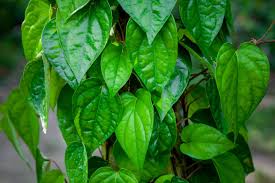
The betel plant (Piper betle) is a medicinal plant with a long history of traditional use in various cultures across Southeast Asia and the Indian subcontinent. While it’s primarily known for its use in betel chewing, the plant itself also possesses certain medicinal properties that have been recognized and utilized for centuries.
The betel plant is a climbing vine that belongs to the Piperaceae family.It has heart-shaped leaves that are glossy and aromatic, often measuring around 7-15 cm in length.
The leaves are typically green but can vary in color based on the cultivar and environmental conditions.The plant produces small, white flowers in spiked clusters, and these flowers are followed by small, round fruits that turn red when mature.
The leaves of the betel plant are aromatic and contain essential oils that contribute to their distinct flavor and fragrance. These oils are known to have mild stimulant effects, which is one of the reasons betel chewing is practiced in some cultures.
In traditional medicine, betel leaves have been used as digestive aids. They are believed to help stimulate the digestive system, ease indigestion, and alleviate flatulence.
Betel leaves are known to possess antibacterial and antifungal properties. Extracts from the leaves have been used in various topical applications to treat minor infections and skin conditions.
Some studies have indicated that betel leaf extracts might have anti-inflammatory properties. They may be used topically to soothe minor skin irritations and inflammation.
Betel leaves have been traditionally used for wound healing due to their antimicrobial and anti-inflammatory properties. Crushed leaves or extracts may be applied to wounds to promote healing and prevent infections.
Betel leaves are often used as poultices, wraps, or compresses for various purposes. They might be applied topically to wounds, cuts or skin irritations to promote healing.In traditional medicine systems like Ayurveda and traditional Chinese medicine, betel leaves are sometimes used as ingredients in herbal formulations for various ailments.
Nutritional Value of Betel (Piper betle)
1. Carbohydrates: Betel leaves contain carbohydrates (0.5–6.1%), providing a quick source of energy for the body. These carbs support daily activities and metabolic functions.
2. Protein: With approximately 3–4.5% protein content, betel leaves contribute to muscle repair and growth, making them a modest but valuable protein source.
3. Fiber: Betel leaves offer 2–2.5% dietary fiber, aiding digestion, promoting gut health, and helping to prevent constipation.
4. Vitamin C: Containing 0.005–0.01% vitamin C, betel leaves support immune function, skin health, and act as an antioxidant to combat free radicals.
5. Vitamin A: With 2–3 mg per 100 g, betel leaves promote healthy vision, skin, and immune system function.
6. Riboflavin: Betel leaves provide 4.5–15.5 μg/100 g of riboflavin (vitamin B2), which is essential for energy metabolism and maintaining healthy skin and eyes.
7. Nicotinic Acid: Also known as niacin, betel leaves contain 0.65–0.9 mg/100 g, supporting energy production and healthy skin.
8. Potassium: With 1.5–4.5% potassium, betel leaves help regulate blood pressure, support muscle function, and maintain fluid balance.
9. Calcium: Betel leaves have 2.5–3.5% minerals, including calcium, which supports strong bones and teeth, as well as muscle and nerve function.
10. Iron: The iron content in betel leaves aids in oxygen transport in the blood, helping to prevent anemia and support energy levels.
Read Also: The Origin and Development of Soil (Soil Genesis)
The Medicinal Health Benefits of Betel (Piper Betle)
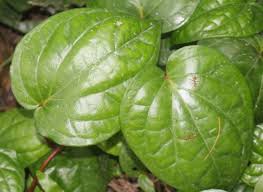
1. Anti-Inflammatory Properties: Betel leaves contain compounds that exhibit anti-inflammatory effects, which can help reduce inflammation and swelling. They can be used as a poultice or paste to soothe inflamed skin or minor injuries.
2. Wound Healing: The antimicrobial properties of betel leaves can aid in wound healing by preventing infections. Applying crushed betel leaves directly to minor wounds can promote faster healing.
3. Antibacterial and Antifungal Effects: Betel leaves have shown antimicrobial properties against bacteria and fungi. They can be used to create natural topical treatments for minor skin infections or irritations.
4. Oral Health Benefits: Betel leaves’ antibacterial properties can help combat harmful bacteria in the mouth, potentially aiding in maintaining oral hygiene. However, this benefit is often overshadowed by the risks associated with betel quid chewing.
5. Respiratory Health: Inhalation of steam from boiled betel leaves might help relieve respiratory congestion and soothe irritated airways.
6. Digestive Aid: Traditional medicine suggests that chewing a small piece of betel leaf post-meal might aid digestion by stimulating digestive enzymes.
7. Skin Disorders: The anti-inflammatory and antimicrobial properties of betel leaves may assist in managing certain skin disorders like eczema or acne when applied topically.
8. Mouth Ulcers and Sores: Betel leaves’ potential antimicrobial and wound-healing properties could offer relief when applied as a paste to mouth ulcers or sores.
9. Joint Pain Relief: Topical application of betel leaf paste on inflamed joints might provide temporary relief from pain and discomfort.
10. Minor Cuts and Scrapes: Crushed betel leaves applied to minor cuts and scrapes can help prevent infection and speed up healing.
11. Anti-Insect Properties: Betel leaves’ natural compounds could act as insect repellents or soothe insect bites when applied to the affected area.
12. Stress and Anxiety Relief: Some traditional practices involve inhaling the aroma of betel leaves, which might have a calming effect on the mind.
13. Skin Brightening: Betel leaf extracts are sometimes used in cosmetic products for their potential to promote a brighter complexion.
14. Anti-Aging Potential: Betel leaf extracts’ antioxidant content might contribute to skin health and potentially slow down the signs of aging.
15. Hair Health: Betel leaf extracts could be used in hair care formulations due to their purported benefits for hair growth and scalp health.
Read Also: 15 Medicinal Health Benefits of Barringtonia Macrostachya (Powder-puff Mangrove)
The Methods of Usage to Achieve the Medicinal Health Benefits of Betel (Piper Betle)
Here are six methods of using Betel to achieve some of the medicinal health benefits mentioned earlier:
1. Betel Leaf Poultice for Wound Healing: Wound healing, antibacterial, and anti-inflammatory effects. Take fresh betel leaves and wash them thoroughly. Crush or grind the leaves to form a paste. Apply this paste directly onto minor cuts, wounds, or skin irritations. Secure it with a clean cloth or bandage. The antimicrobial and anti-inflammatory properties of the betel leaf can aid in preventing infections and promoting healing.
2. Betel Leaf Steam Inhalation for Respiratory Health: Respiratory congestion relief. Boil a few betel leaves in water until the steam is released. Carefully inhale the steam, covering your head with a towel to trap the steam. This can help soothe irritated airways and provide temporary relief from congestion. However, be cautious not to burn yourself with the steam.
3. Betel Leaf Mouth Rinse for Oral Health: Potential oral hygiene improvement.Method: Boil betel leaves in water to create a concentrated infusion. Allow it to cool to room temperature. Use this infusion as a mouth rinse after brushing your teeth. The antimicrobial properties of betel leaves may help combat harmful bacteria in the mouth. However, remember that betel quid chewing is associated with oral health risks.
4. Betel Leaf Paste for Skin Disorders: Anti-inflammatory and antimicrobial effects on skin disorders. Grind fresh betel leaves to create a smooth paste. Apply this paste to areas affected by skin disorders like eczema or acne. Leave it on for a short period (about 15-20 minutes) and then rinse with lukewarm water. The anti-inflammatory and antimicrobial properties might offer relief and aid in managing the condition.
5. Betel Leaf Aroma Inhalation for Stress Relief: Potential stress and anxiety relief. Gently crush a betel leaf and hold it close to your nose. Inhale deeply, taking in the aroma. Some traditional practices suggest that inhaling the aroma of betel leaves might have a calming effect on the mind, potentially helping with stress and anxiety.
6. Betel Leaf Hair Rinse for Scalp Health: Potential benefits for scalp health and hair growth. Prepare a betel leaf infusion by boiling betel leaves in water and letting it cool. After shampooing, use this infusion as a final hair rinse. Massage the infusion into your scalp and hair, then rinse with water. The infusion’s properties might promote scalp health and potentially contribute to hair growth.
Scientific Evidence and Case Studies on Betel (Piper betle)
1. Antioxidant Activity: Alam et al. (2023) demonstrated that betel leaf extracts exhibit strong antioxidant properties by triggering autophagy and downregulating tyrosinase, reducing oxidative stress in vitro and in vivo. This suggests potential for skin health and anti-aging applications.
2. Antibacterial Properties: Nayaka et al. (2021) found that betel leaf extracts and essential oils effectively inhibit Gram-negative bacteria like Escherichia coli and Pseudomonas aeruginosa, as well as Gram-positive bacteria like Staphylococcus aureus. The study highlights betel’s potential as a natural antimicrobial agent.
3. Anti-Obesity Effects: Abdul Ghani et al. (2019) used a metabolomics approach to show that Piper betle leaf extract inhibited body weight gain in rats fed a high-fat diet without affecting food intake. This points to its potential in obesity management.
4. Gastroprotective Activity: Arawwawala et al. (2014) showed that hot aqueous and cold ethanolic extracts of betel leaves provided dose-dependent protection against ethanol-induced gastric ulcers in rats, supporting its traditional use for digestive health.
5. Antidiabetic Potential: Tutu et al. (2022) reported that betel leaf extracts exhibited antidiabetic activity in rats, suggesting its potential as a nutraceutical for managing diabetes mellitus.
6. Anticancer Properties: Gupta et al. (2023) reviewed the anticancer effects of betel leaf, noting that its bioactive compounds, such as eugenol and hydroxychavicol, inhibit tumor growth in models like Ehrlich ascites carcinoma.
The Side Effects of Using Betel Medicinal Plant
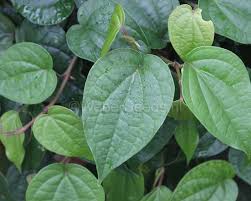
The use of betel, especially in the form of betel quid chewing, is associated with several potential side effects and health risks. It’s important to note that many of these side effects are primarily linked to the combination of betel leaves with areca nut, slaked lime, and sometimes tobacco. Here are some of the common side effects and health risks of using Betel medicinal plant:
1. Oral Health Issues: Betel quid chewing is a major risk factor for oral health problems, including tooth decay, gum disease (gingivitis), and oral cancers. The combination of betel leaves with areca nut and slaked lime can cause irritation, inflammation, and damage to oral tissues over time.
2. Oral Cancers: Long-term use of betel quid, especially when combined with tobacco, increases the risk of oral cancers, including mouth, tongue, and throat cancers. The areca nut contains compounds that are known to be carcinogenic.
3. Staining and Discoloration: Betel quid chewing can lead to discoloration and staining of teeth, gums, and oral tissues, resulting in an unsightly appearance.
4. Addiction: Areca nut contains alkaloids that can have addictive properties. Regular betel quid chewing may lead to physical and psychological dependence.
5. Digestive Issues: While betel leaves on their own may have digestive benefits in moderation, excessive betel quid chewing can lead to digestive issues like indigestion and constipation.
6. High Blood Pressure: The areca nut contains compounds that can increase blood pressure, which may pose a risk for individuals with hypertension or cardiovascular conditions.
7. Nausea and Vomiting: Some individuals may experience nausea and vomiting as a result of betel quid consumption, particularly if the body is not accustomed to the combination of ingredients.
8. Mouth and Throat Irritation: The combination of betel leaves with slaked lime can be caustic and cause irritation to the mucous membranes of the mouth and throat.
9. Increased Salivation: Betel quid chewing can lead to excessive salivation (hypersalivation), which can be uncomfortable and socially undesirable.
10. Negative Impact on Pregnancy: Pregnant women are advised to avoid betel quid chewing due to potential adverse effects on fetal development and pregnancy outcomes.
11. Interaction with Medications: The compounds in betel leaves and areca nut can potentially interact with certain medications, leading to unwanted effects or reduced efficacy.
Frequently Asked Questions About Betel (Piper betle)
1. What are the main health benefits of betel leaves?
Betel leaves offer antioxidant, antimicrobial, anti-inflammatory, antidiabetic, and gastroprotective benefits, supported by scientific studies. They aid digestion, oral health, and may help manage conditions like obesity and diabetes.
2. Is it safe to consume betel leaves daily?
In moderation, betel leaves are generally safe and considered non-toxic, with a median lethal dose above 5,000 mg/kg in mice. However, excessive consumption, especially with areca nut, may cause oral irritation or increase cancer risk.
3. How are betel leaves typically consumed?
Betel leaves are often chewed as part of betel quid (paan) with ingredients like areca nut, slaked lime, and spices. They can also be used in extracts, essential oils, or as a culinary flavoring agent.
4. Can betel leaves help with oral health?
Yes, betel leaves have antimicrobial properties that combat bacteria like Streptococcus species, reducing plaque and supporting dental hygiene. They are traditionally used as a mouth freshener.
5. Are there any side effects of betel leaves?
While betel leaves alone are relatively safe, combining them with areca nut or tobacco in betel quid is linked to oral cancer and other health risks. Overuse may also cause irritation or allergic reactions in some individuals.
6. Can betel leaves aid in weight loss?
Studies suggest betel leaf extracts may inhibit body weight gain in high-fat diet models, indicating potential for weight management, though human studies are limited.
7. How do betel leaves benefit skin health?
Betel leaves have antioxidant and depigmenting properties, potentially reducing skin damage and hyperpigmentation. They are also used in wound healing due to their antimicrobial effects.
8. Are betel leaves used in modern medicine?
While not widely used in modern pharmaceuticals, betel leaf extracts are being researched for their antimicrobial, antioxidant, and anticancer properties, with potential applications in drugs and nutraceuticals.
9. What nutrients are found in betel leaves?
Betel leaves contain carbohydrates, protein, fiber, vitamins (A, C, riboflavin, niacin), and minerals like calcium, iron, and potassium, contributing to their nutritional value.
10. Can betel leaves be used for digestive issues?
Yes, betel leaves are traditionally used to aid digestion, relieve constipation, and protect against gastric ulcers, with studies confirming their gastroprotective effects.
Do you have any questions, suggestions, or contributions? If so, please feel free to use the comment box below to share your thoughts. We also encourage you to kindly share this information with others who might benefit from it. Since we can’t reach everyone at once, we truly appreciate your help in spreading the word. Thank you very much for your support and for sharing!
Disclaimer: This article is for educational and informational purposes only. The health benefits described are based on scientific research and traditional knowledge. They are not a substitute for professional medical advice, diagnosis, or treatment. Always consult a healthcare professional before using any herb or natural remedy for medical purposes.