


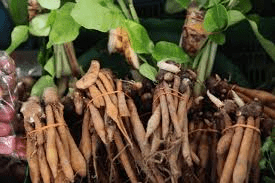
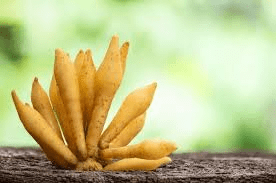
Boesenbergia rotunda, known as fingerroot or Chinese ginger, is a perennial herb belonging to the Zingiberaceae family, native to Southeast Asia. Its name derives from the finger-like appearance of its underground rhizomes, which are utilized both for culinary and medicinal purposes. The rhizomes, with their pale yellowish-white to pinkish hues, possess a distinctive flavor profile that combines spiciness and an aromatic quality reminiscent of ginger.
In traditional medicine across countries like Thailand, Malaysia, and Indonesia, fingerroot has been valued for its potential medicinal properties. It’s believed to harbor anti-inflammatory, antioxidant and antimicrobial characteristics due to its rich content of bioactive compounds, including flavonoids, phenolic acids and essential oils.
These properties have led to its historical use in alleviating inflammation, aiding digestion, and potentially addressing ailments such as arthritis and joint discomfort. Moreover, preliminary studies have hinted at fingerroot’s potential in cancer prevention due to certain compounds showing anti-cancer effects.
Fingerroot’s rhizomes are widely employed in Southeast Asian culinary traditions, imparting a unique and zesty flavor to dishes like curries, soups, and stir-fries. Beyond its culinary applications, fingerroot’s potential medicinal benefits continue to attract attention, with ongoing research aiming to uncover its mechanisms of action and potential in modern healthcare.
Nutritional Value of Boesenbergia Rotunda (Fingerroot)
1. Flavonoids: Fingerroot is rich in flavonoids like pinostrobin, pinocembrin, and cardamonin. These compounds act as antioxidants, neutralizing free radicals to protect cells from oxidative stress, which may reduce the risk of chronic diseases like cancer and heart disease.
2. Phenolic Compounds: The phenolic content in fingerroot contributes to its antioxidant properties. These compounds help reduce inflammation and may protect against cardiovascular issues by improving blood vessel health.
3. Essential Oils: Fingerroot contains essential oils that provide its distinctive aroma and antimicrobial properties. These oils can support digestive health by inhibiting harmful bacteria like Helicobacter pylori, which is linked to stomach issues.
4. Alkaloids: Alkaloids in fingerroot have been associated with anti-inflammatory and antibacterial effects, supporting its traditional use for treating infections and promoting wound healing.
5. Gingerol-like Compounds: Similar to ginger, fingerroot contains gingerol-like compounds that aid digestion, reduce nausea, and may alleviate symptoms of gastrointestinal disorders like dyspepsia.
6. Vitamin C: Fingerroot provides vitamin C, an essential nutrient that boosts immune function, supports collagen formation, and enhances the body’s ability to fight infections.
7. Minerals (Iron, Potassium, Sodium): Fingerroot contains trace minerals such as iron, which supports red blood cell production, and potassium, which helps regulate blood pressure and muscle function.
8. Chalcones (Panduratin A): Panduratin A, a unique chalcone in fingerroot, has shown anti-inflammatory and anticancer properties in studies, potentially inhibiting tumor growth and reducing inflammation.
9. Antioxidants: The high antioxidant content in fingerroot, including boesenbergin and krachaizin, helps combat oxidative stress, which may slow aging processes and protect against chronic diseases.
10. Fiber: The rhizome contains dietary fiber, which supports healthy digestion, promotes regular bowel movements, and may help manage blood sugar levels.
Read Also: Aloe Vera Rhizomes: Economic Importance, Uses and By-Products
The Medicinal Health Benefits of Boesenbergia Rotunda ( Fingerroot)
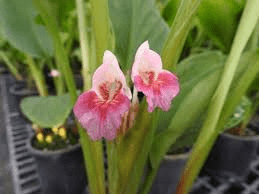
Boesenbergia rotunda, or fingerroot, is a plant with a lot of medicinal benefits rooted in traditional practices. Here are nine health benefits of Boesenbergia rotunda, along with relatable examples:
1. Anti-Inflammatory Effects: Fingerroot contains bioactive compounds like flavonoids and phenolic acids that exhibit anti-inflammatory properties. This can potentially aid in reducing inflammation-related conditions, such as arthritis. For instance, fingerroot’s anti-inflammatory properties might help alleviate joint pain and discomfort in individuals with rheumatoid arthritis.
2. Digestive Aid: Traditional medicine employs fingerroot as a digestive aid. Its compounds may stimulate digestion and alleviate gastrointestinal discomfort. Consuming fingerroot-infused tea might provide relief from indigestion, bloating, and gastric distress.
3. Antioxidant Protection: Rich in antioxidants, fingerroot may combat oxidative stress and cellular damage caused by free radicals. This could contribute to skin health and potentially reduce the risk of chronic diseases. Regular consumption might help improve skin complexion and protect against premature aging.
4. Antimicrobial Activity: Fingerroot’s antimicrobial properties, attributed to its essential oils, could inhibit the growth of harmful bacteria. Preparing fingerroot extract and using it as a natural mouthwash may aid in maintaining oral hygiene by reducing bacteria responsible for dental issues like plaque and bad breath.
5. Potential Anti-Cancer Properties: Certain compounds in fingerroot, such as pinostrobin, have exhibited anti-cancer effects in preliminary studies. Although more research is needed, incorporating fingerroot into the diet might contribute to overall cancer prevention strategies.
6. Nausea Relief: Similar to its close relative ginger, fingerroot may help alleviate nausea and vomiting. Chewing on a small piece of fresh fingerroot or consuming fingerroot tea could provide relief to individuals experiencing motion sickness or nausea related to pregnancy.
7. Immune Support: The plant’s immune-boosting potential, attributed to its bioactive compounds, could aid in maintaining a healthy immune system. Including fingerroot in soups or stews might enhance the body’s defense mechanisms against infections.
8. Cardiovascular Health: The antioxidant and anti-inflammatory properties of fingerroot might contribute to cardiovascular health. By helping reduce oxidative stress and inflammation, fingerroot could potentially support overall heart health and contribute to lower risk factors for heart disease.
9. Cognitive Health: Fingerroot’s potential neuroprotective effects may support cognitive function and brain health. Consuming fingerroot as part of a balanced diet might contribute to maintaining cognitive abilities as individuals age.
Read Also: The Different Crop Storage Methods
The Methods of Usage to Achieve the Provided Health Benefits of Boesenbergia Rotunda (Fingerroot)
Here’s a detailed explanation of how to use Boesenbergia rotunda (fingerroot) to achieve the provided medicinal health benefits:
1. Anti-Inflammatory Effects: To harness fingerroot’s anti-inflammatory properties for conditions like arthritis, you can prepare fingerroot-infused oil. Grind dried fingerroot into a powder and mix it with a carrier oil like coconut oil. Warm the mixture gently and strain it. Massage this oil onto affected joints for relief.
2. Digestive Aid: For digestive benefits, create fingerroot tea. Slice fresh fingerroot and steep it in hot water for about 10-15 minutes. Strain and drink the tea before or after meals to aid digestion and alleviate gastrointestinal discomfort.
3. Antioxidant Protection: Utilize fingerroot in smoothies or juices to enjoy its antioxidant benefits. Blend fresh fingerroot with fruits and vegetables rich in vitamins and minerals. Regular consumption can contribute to overall antioxidant protection.
4. Antimicrobial Activity: To benefit from fingerroot’s antimicrobial properties for oral health, prepare a mouthwash. Boil sliced fingerroot in water, let it cool, and strain. Use the cooled infusion as a mouthwash to help combat oral bacteria and maintain fresh breath.
5. Potential Anti-Cancer Properties: Incorporate fingerroot into your daily diet. Add grated or chopped fresh fingerroot to salads, soups, or stir-fries. While the specific dosage for potential anti-cancer effects isn’t established, consuming fingerroot regularly may contribute to overall health.
6. Nausea Relief: For nausea relief, carry dried fingerroot slices with you. When experiencing nausea, chew on a small piece of dried fingerroot. Alternatively, prepare fingerroot tea by steeping dried slices in hot water and sipping it slowly to alleviate nausea.
7. Immune Support: Include fingerroot in soups or stews. Slice or grate fresh fingerroot and add it to your cooking. Regular consumption of fingerroot-infused dishes can provide immune-boosting compounds and contribute to overall wellness.
8. Cardiovascular Health: Integrate fingerroot into your cooking as a flavorful spice. Incorporate it into curries, sauces, or marinades. By using fingerroot regularly in your meals, you can potentially benefit from its anti-inflammatory and antioxidant properties for heart health.
9. Cognitive Health: Enjoy the cognitive health benefits of fingerroot by adding it to your diet. You can include grated fingerroot in smoothies, soups, or even baked goods. Regular consumption may support brain health due to its potential neuroprotective properties.
The Side Effects of Using Boesenbergia Rotunda Medicinal Plant
Boesenbergia rotunda (fingerroot) is generally considered safe when used in moderate culinary amounts. However, like any herbal remedy or dietary ingredient, there can be potential side effects, especially when consumed in excessive amounts or by certain individuals. Here are some potential side effects and considerations to keep in mind:
1. Allergic Reactions: Some individuals may be allergic to Boesenbergia rotunda or other plants in the Zingiberaceae family. Allergic reactions can manifest as skin rashes, itching, hives or even more severe reactions. If you are allergic to ginger, turmeric or other similar plants, you might also be sensitive to fingerroot.
2. Gastrointestinal Distress: Consuming large quantities of fingerroot, especially on an empty stomach, might lead to gastrointestinal discomfort, including upset stomach, bloating, and diarrhea.
3. Interaction with Medications: Fingerroot’s compounds could potentially interact with certain medications. If you’re taking blood-thinning medications, anticoagulants, or medications for diabetes, it’s important to consult a healthcare professional before using fingerroot, as it may affect blood clotting or blood sugar levels.
4. Pregnancy and Breastfeeding: Pregnant and breastfeeding women should exercise caution when using fingerroot, as its effects during these stages are not well-studied. It’s advisable to consult a healthcare provider before incorporating fingerroot into the diet during these periods.
5. Not Suitable for Certain Medical Conditions: Individuals with gallstones, bleeding disorders, and those undergoing surgery should avoid fingerroot due to its potential effects on blood clotting and other physiological processes.
6. Interaction with Other Herbs or Supplements: Combining fingerroot with other herbal supplements or remedies might lead to unexpected interactions or adverse effects. It’s best to consult a healthcare professional before using multiple herbal products simultaneously.
7. Unsafe Dosages: Excessive consumption of fingerroot might lead to adverse effects. While fingerroot is used in traditional medicine and cooking, excessive amounts can overwhelm the body’s tolerance and lead to discomfort.
Scientific Evidence and Case Studies on Boesenbergia Rotunda (Fingerroot)
1. Anti-inflammatory Effects (Isa et al., 2012): A study published in the Brazilian Journal of Medical and Biological Research found that boesenbergin A, a chalcone from fingerroot, exhibited significant anti-inflammatory and antioxidant activities in vitro. It reduced inflammation markers in cell models, supporting its traditional use for conditions like arthritis.
2. Anticancer Potential (Cheah et al., 2011): Research in Molecules demonstrated that panduratin A from fingerroot inhibited the growth of A549 lung cancer cells by inducing apoptosis and blocking NF-kappaB translocation, suggesting its potential as an anticancer agent.
3. Anti-ulcer Activity (Abdelwahab et al., 2011): Published in the Journal of Ethnopharmacology, this study showed that the methanolic extract of fingerroot, rich in pinostrobin, had anti-ulcerogenic effects in rats by reducing gastric mucosal damage and enhancing antioxidant defenses.
4. Functional Dyspepsia Relief (Chitapanarux et al., 2021): A randomized, placebo-controlled trial in Digestion found that fingerroot extract (350 mg, three times daily) significantly reduced symptoms of functional dyspepsia in patients, with no serious adverse effects, indicating its safety and efficacy for digestive issues.
5. Anti-obesity Effects (Promsan et al., 2022): A study in PLoS One showed that fingerroot extract reduced blood glucose and triglyceride levels in obese mice, suggesting its potential in managing type 2 diabetes and obesity-related complications.
6. Cardioprotective Properties (Mohan et al., 2023): Research in Scientific Reports found that fingerroot extract mitigated doxorubicin-induced cardiotoxicity in rats by reducing oxidative stress and cardiac injury markers like troponin T and creatine kinase-MB, highlighting its heart-protective potential.
7. Antiviral Activity (Kanjanasirirat et al., 2020): A preprint study on Research Square reported that fingerroot extract and panduratin A inhibited SARS-CoV-2 main protease activity, suggesting potential antiviral applications against coronaviruses.
8. Antimicrobial Effects (Chander et al., 2016): Published in Natural Product Research, this study confirmed fingerroot’s antibacterial activity against pathogens like Bacillus cereus and Staphylococcus aureus, supporting its use in preventing infections.
Frequently Asked Questions About Boesenbergia Rotunda (Fingerroot)
1. What is fingerroot, and where does it come from?
Fingerroot, or Boesenbergia rotunda, is a rhizome from the ginger family, native to Southeast Asia and southern China. It’s used as a culinary spice and medicinal herb.
2. How can I use fingerroot in cooking?
Fingerroot can be sliced, grated, or ground and added to curries, soups, stir-fries, or salads. Its spicy, citrusy flavor enhances Southeast Asian dishes like kaeng tai pla.
3. Is fingerroot safe to consume?
Yes, fingerroot is generally safe when used in moderation. A 2024 study found no adverse effects in rats at doses up to 100 mg/kg/day. Always consult a healthcare provider if you have health conditions or take medications.
4. What are the main health benefits of fingerroot?
Fingerroot offers anti-inflammatory, antioxidant, anticancer, and antimicrobial benefits. It may also support digestion, heart health, and male fertility, based on scientific studies.
5. Can fingerroot help with weight loss?
Some evidence suggests fingerroot, particularly pinostrobin, may reduce fat accumulation and improve metabolic health, as shown in studies on obese mice.
6. Does fingerroot have side effects?
Fingerroot is generally well-tolerated, but excessive use may cause mild digestive upset. Start with small amounts and consult a professional if you’re unsure.
7. Can fingerroot be used for skin health?
Yes, fingerroot extract has been shown to improve skin hydration and reduce wrinkling in a 2017 study, likely due to its antioxidant properties.
8. Is fingerroot effective against infections?
Fingerroot has antimicrobial properties, effective against bacteria like Helicobacter pylori and Staphylococcus aureus, as confirmed by research.
9. How should I store fingerroot?
Store fresh fingerroot in a cool, dry place or refrigerate to maintain its flavor and potency. Dried or powdered forms should be kept in airtight containers.
10. Can fingerroot be taken as a supplement?
Yes, fingerroot is available as capsules, tinctures, or powders. Consult a healthcare provider for appropriate dosage and to avoid interactions with medications.
Do you have any questions, suggestions, or contributions? If so, please feel free to use the comment box below to share your thoughts. We also encourage you to kindly share this information with others who might benefit from it. Since we can’t reach everyone at once, we truly appreciate your help in spreading the word. Thank you very much for your support and for sharing!
Disclaimer: This article is for educational and informational purposes only. The health benefits described are based on scientific research and traditional knowledge. They are not a substitute for professional medical advice, diagnosis, or treatment. Always consult a healthcare professional before using any herb or natural remedy for medical purposes.
Read Also: Waste Management Services Camarillo Recycling inc. Offers