


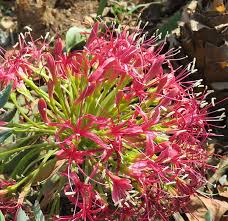
Boophone, scientifically known as Boophone disticha, is a fascinating plant with a range of medicinal properties that have been recognized for centuries. This resilient plant, also known as “Bushman’s Poison” or “Hottentot’s Bread,” holds a wealth of health benefits that make it a valuable resource in traditional medicine.
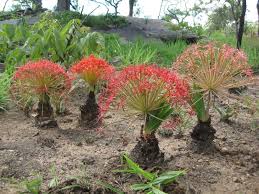
Boophone boasts a robust and bulbous structure that serves as its reservoir of vital nutrients and bioactive compounds. The bulb is large and covered with layers of papery tunics that protect and store valuable resources.
The leaves of Boophone are elongated and strap-like, arising directly from the bulb. These leaves can vary in length, reaching up to 60 centimeters or more, and they possess a deep green hue that contrasts beautifully with the surrounding landscape.
The inflorescence emerges from the center of the bulb, producing a tall and sturdy stalk that can reach impressive heights. This stalk bears a dense cluster of flowers with intricate details that draw the eye. The flowers exhibit a range of colors, from pale pinks to deep purples, adding a splash of vibrancy to the plant’s overall appearance.
The individual flowers of Boophone are characterized by their six-petaled structure, forming a star-like shape. These petals surround a central corona, which is often a contrasting color, further enhancing the visual allure of the plant.
Boophone’s flowers are not only visually appealing but also emit a delicate and captivating fragrance, attracting pollinators and curious admirers alike.
Boophone thrives in arid and semi-arid regions, often found in grasslands, savannas, and rocky terrains. Its ability to endure harsh conditions is a testament to its resilience.
The plant is well adapted to survive prolonged periods of drought, thanks to its ability to store water and nutrients within its bulb. This survival strategy enables Boophone to bloom even in challenging environments.
Boophone holds cultural significance among indigenous communities. The plant has been utilized in traditional rituals and ceremonies, often as a symbol of protection and healing.
The toxic alkaloids found in the plant’s bulb were historically used for hunting, as they could be applied to arrowheads to immobilize or weaken prey.
Due to its traditional uses and ecological importance, Boophone faces threats related to overharvesting and habitat degradation.
Efforts are being made to raise awareness about the conservation of this species, advocating for sustainable practices that preserve both the plant and its habitat.
Nutritional Value of Boophone (Boophone disticha)
1. Alkaloids (Lycorine): Lycorine, a prominent alkaloid, exhibits analgesic and potential anticancer properties but is toxic in high doses, limiting its nutritional use.
2. Alkaloids (Buphanidrine): Buphanidrine has shown affinity for serotonin transporters, suggesting antidepressant effects, though it is not a dietary nutrient due to its toxicity.
3. Alkaloids (Buphanamine): This alkaloid contributes to the plant’s anxiolytic and analgesic properties, used traditionally for pain relief, but it is not consumed as food.
4. Alkaloids (Distichamine): Distichamine has antimicrobial and potential anticancer effects, adding to the plant’s medicinal value rather than nutritional.
5. Phenolic Compounds: Phenolics in Boophone disticha provide antioxidant activity, which may protect against cellular damage, though they are not a primary nutritional source.
6. Flavonoids: Flavonoids contribute to the plant’s antioxidant and anti-inflammatory effects, supporting its medicinal use but not dietary consumption.
7. Coumarins: Coumarins, detected in bulb and root extracts, have anticoagulant and antimicrobial properties, used medicinally rather than nutritionally.
8. Tannins: Tannins offer astringent and antimicrobial effects, traditionally used for wound healing, but they are not a significant nutritional component.
9. Steroids: Steroids in Boophone disticha may contribute to its anti-inflammatory effects, though their role is primarily pharmacological.
10. Terpenoids: Terpenoids, present in small amounts, may support antimicrobial activity, but like other compounds, they are not used for nutrition due to the plant’s toxicity.
Read Also: 15 Medicinal Health Benefits of Barringtonia Macrostachya (Powder-puff Mangrove)
The Medicinal Health Benefits of Boophone (Boophone disticha)

1. Pain Relief: Boophone has been used to alleviate pain, including headaches, joint pain, and muscle aches. The alkaloids in the plant possess analgesic properties that can offer comfort to those in pain.
2. Anti-inflammatory Effects: The anti-inflammatory properties of Boophone make it valuable in managing inflammatory conditions like arthritis and inflammation-related discomfort.
3. Respiratory Health: Boophone has been used to address respiratory issues such as coughs, colds, and congestion. It can help soothe irritated airways and promote easier breathing.
4. Digestive Support: Traditional medicine utilizes Boophone to aid digestion and relieve digestive problems like indigestion and bloating.
5. Wound Healing: The plant’s medicinal properties extend to wound healing. Boophone extracts have been applied topically to promote the healing of cuts, wounds, and skin infections.
6. Antibacterial Properties: Boophone has demonstrated antibacterial effects against various bacterial strains, which may contribute to its traditional use in managing infections.
7. Fever Reduction: Boophone has been employed to reduce fevers by promoting sweating and aiding the body’s natural fever-reducing mechanisms.
8. Nervous System Support: Traditional healers have used Boophone to address nervous system disorders, such as anxiety and nervous tension.
9. Heart Health: Some studies suggest that Boophone extracts may have potential benefits for heart health by supporting cardiovascular function.
10. Anti-parasitic Effects: The plant’s alkaloids have been investigated for their potential anti-parasitic properties, making Boophone a subject of interest in the field of parasitology.
Read Also: 6 Mistakes to Avoid when using Tarpaulin Fish Ponds for Profitable Fish Farming
The Methods of Usage to Achieve the Provided Health Benefits of Boophone (Boophone disticha)
1. Decoction: Creating a decoction involves simmering the dried or fresh bulb of Boophone in water to extract its beneficial compounds. This method is commonly used to prepare teas or infusions.
To make a Boophone decoction, slice or chop the bulb into smaller pieces. Add the bulb pieces to a pot of water. Bring the water to a gentle boil and let it simmer for about 15-20 minutes. Strain the liquid and allow it to cool before consumption.
2. Tincture: A tincture is a concentrated liquid extract of Boophone that can be taken in small doses. Tinctures are often made using alcohol or a mixture of alcohol and water. To prepare a Boophone tincture chop or grind the dried bulb of Boophone.
Place the chopped bulb in a glass jar. Add alcohol (such as vodka or brandy) to cover the plant material completely. Seal the jar tightly and let it sit in a cool, dark place for several weeks, shaking it gently daily.
After the maceration period, strain the liquid and transfer it to a tinted glass dropper bottle for easy dosing.
3. Topical Application: For wound healing and skin-related issues, Boophone extracts can be applied topically. However, caution is necessary due to the plant’s toxicity. To use Boophone topically prepare a poultice or ointment by mixing powdered Boophone bulb with a carrier oil or natural base.
Apply the poultice or ointment to the affected area, ensuring it doesn’t come into contact with open wounds. Monitor the skin for any adverse reactions and discontinue use if irritation occurs.
4. Traditional Remedies: In some traditional practices, Boophone may be used in specific ways, such as incorporating it into herbal formulations or combining it with other herbs to create synergistic effects. It’s important to seek guidance from experienced herbalists or practitioners familiar with traditional uses.
5. Dosage Considerations: Dosage recommendations for Boophone can vary based on factors such as the individual’s health, age, and the specific health concern being addressed.
Due to the plant’s toxic nature, it’s crucial to start with very small doses and gradually increase as needed while closely monitoring for any adverse reactions.
6. Professional Guidance: Given the potential toxicity of Boophone, it’s highly recommended to consult with a qualified healthcare practitioner or herbalist before using it for medicinal purposes. They can provide personalized advice based on your health profile and guide you on safe and effective usage.
Scientific Evidence and Case Studies on Boophone (Boophone disticha)
1. Antioxidant and Anticancer Activity: Tonisi et al. (2020) Tonisi, S., Okaiyeto, K., Mabinya, L. V., & Okoh, A. I. evaluated bulb extracts (chloroform, acetone, ethanol) from Eastern Cape, South Africa. The extracts showed significant antioxidant activity against DPPH, ABTS, hydrogen peroxide, and nitric oxide radicals, with dose-dependent inhibition. They also exhibited cytotoxicity against HeLa cells (IC50: 1.5–1.9 µg/mL), suggesting potential as an anticancer agent.
2. Antibacterial Effects (Cheesman et al., 2012): Cheesman, L., Nair, J. J., & van Staden, J. tested ethanolic bulb extracts and found activity against methicillin-sensitive Staphylococcus aureus, supporting traditional use for wound treatment. The study identified crinane alkaloids like buphanidrine as key contributors to antibacterial effects.
3. Anxiolytic Activity (Pote et al., 2018): Pote, W., Tagwireyi, D., & Gadaga, L. L. investigated a hydroethanolic bulb extract in BALB/c mice. At 10 mg/kg, the extract showed significant anxiolytic effects in the elevated plus maze, comparable to diazepam, supporting its traditional use for anxiety-related conditions.
4. Antidepressant Effects (Bonokwane et al., 2023): Bonokwane, M. B., Lekhooa, M., Struwig, M., & Aremu, A. O. found that Boophone disticha extracts increased brain-derived neurotrophic factor (BDNF) expression and reduced corticosterone levels in mice subjected to forced swim stress, indicating antidepressant-like effects via serotonin transporter interactions.
5. Serotonin Transporter Affinity (Neergaard et al., 2009): Neergaard, J. S., Andersen, J., & Stafford, G. I. identified buphanidrine and buphanamine in bulb extracts, showing affinity for the serotonin transporter (SERT) in binding assays, suggesting potential for treating anxiety and depression.
The Side Effects of Using Boophone Medicinal Plant
1. Toxicity: Boophone contains alkaloids, including buphanidrine and buphanisine, which can be toxic in higher concentrations. Ingesting or applying large amounts of Boophone can lead to poisoning and severe health complications. The toxic effects primarily affect the digestive, nervous, and cardiovascular systems.
2. Nausea and Vomiting: Ingesting Boophone in excessive amounts or without proper preparation can cause nausea and vomiting. These symptoms may be accompanied by abdominal discomfort and gastrointestinal distress.
3. Diarrhea and Abdominal Pain: Consuming Boophone in toxic quantities may result in diarrhea, loose stools, and abdominal pain. The plant’s toxic compounds can irritate the gastrointestinal tract, leading to digestive disturbances.
4. Cardiovascular Effects: Boophone’s alkaloids can have an impact on the cardiovascular system, potentially causing irregular heartbeats, increased heart rate, and changes in blood pressure. These effects can be dangerous and may require medical attention.
5. Nervous System Effects: Toxic doses of Boophone can affect the nervous system, leading to symptoms such as dizziness, confusion, and even seizures in severe cases. Extreme caution is warranted when using Boophone, especially if you have a history of neurological disorders.
6. Skin Irritation: Topical application of Boophone extracts may cause skin irritation, redness, and itching, especially in individuals with sensitive skin. It’s important to perform a patch test before applying Boophone products to larger areas of the skin.
7. Allergic Reactions: Some individuals may be allergic to certain components of Boophone. Allergic reactions can manifest as skin rashes, hives, swelling, and respiratory symptoms like difficulty breathing.
8. Pregnancy and Breastfeeding: Pregnant and breastfeeding women should avoid using Boophone due to the potential risks associated with its toxic compounds. The plant’s effects on developing fetuses and infants are not well understood and could pose serious health threats.
9. Drug Interactions: Boophone’s alkaloids may interact with certain medications, including those that affect the cardiovascular system, nervous system, or liver. It’s crucial to consult a healthcare professional before using Boophone alongside prescription medications.
10. Sensitivity Variability: Individual sensitivity to Boophone can vary. Some people may experience adverse effects even with small doses, while others may tolerate moderate amounts without immediate symptoms. It’s essential to approach the plant with caution and respect its toxic nature.
FAQs on Boophone disticha (Century Plant/Sore-Eye Flower)
1. Is Boophone disticha safe to consume for nutritional purposes?
No, Boophone disticha is not safe for consumption as a food source due to its high toxicity. The plant contains alkaloids like lycorine and buphanidrine, which can cause severe side effects if ingested orally. It is primarily used in traditional medicine under controlled conditions.
2. What are the main bioactive compounds in Boophone disticha?
The plant contains alkaloids (lycorine, buphanidrine, buphanamine, distichamine), phenolic compounds, flavonoids, coumarins, tannins, steroids, and terpenoids. These compounds contribute to its medicinal properties, such as antioxidant and antimicrobial effects, but are not nutritional.
3. Can Boophone disticha be used to treat infections?
Yes, studies show that ethanolic bulb extracts have antibacterial activity against Staphylococcus aureus, supporting its traditional use for wound treatment and infections.
4. Does Boophone disticha have antioxidant benefits?
Yes research found that bulb extracts exhibit significant antioxidant activity against radicals like DPPH and ABTS, which may help reduce oxidative stress and protect against cellular damage.
5. Is Boophone disticha effective for mental health conditions?
Research, such as indicates that Boophone disticha has anxiolytic and antidepressant-like effects in animal models, supporting its traditional use for anxiety and stress-related conditions.
6. Are there any cancer-related benefits of Boophone disticha?
The bulb extracts have cytotoxic effects against HeLa cells, suggesting potential anticancer properties, though further research is needed to confirm clinical applications.
7. Why is Boophone disticha not used as a dietary supplement?
Due to its toxic alkaloids, such as lycorine and buphanidrine, Boophone disticha is not suitable as a dietary supplement. Its traditional medicinal uses involve topical applications or controlled doses, as oral ingestion can lead to poisoning.
8. What precautions should be taken when using Boophone disticha medicinally?
Due to its toxicity, it should only be used under professional supervision. Studies highlight the need for careful handling, as alkaloids can cause adverse effects if misused, particularly in oral preparations.
Do you have any questions, suggestions, or contributions? If so, please feel free to use the comment box below to share your thoughts. We also encourage you to kindly share this information with others who might benefit from it. Since we can’t reach everyone at once, we truly appreciate your help in spreading the word. Thank you very much for your support and for sharing!
Disclaimer: This article is for educational and informational purposes only. The health benefits described are based on scientific research and traditional knowledge. They are not a substitute for professional medical advice, diagnosis, or treatment. Always consult a healthcare professional before using any herb or natural remedy for medical purposes.
Read Also : Fly Ash Complete Management Guide