


Borututu, scientifically known as Cochlospermum angolense, is an intriguing deciduous tree that boasts both distinctive visual features and a wealth of traditional medicinal uses. Native to various parts of Africa, this tree stands as a testament to the intricate relationship between nature and human health.
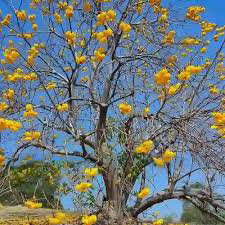
Borututu is characterized by its remarkable height, often reaching up to 25 meters, and its umbrella-like crown that provides ample shade. The tree’s bark is a significant point of interest, as it holds the key to its medicinal properties.
The outer layer of the bark is rough, with a grayish-brown color, while the inner bark reveals a more vibrant orange hue when exposed.
Cochlospermum angolense is large, showy, yellow flowers add to its visual appeal, contrasting beautifully against the backdrop of its lush green leaves.
As the flowering season transitions to fruiting, elongated seed pods containing numerous seeds emerge, adding an interesting dynamic to the tree’s appearance.
Borututu’s bark is the part of the tree that has captured the attention of traditional healers and modern researchers alike. The bark contains an array of bioactive compounds, including flavonoids, terpenes, and alkaloids, which contribute to its wide-ranging medicinal properties.
While the inner bark’s vibrant color may catch the eye, it’s the chemical constituents within that truly make Borututu a valuable botanical specimen.
Throughout African cultures, Borututu has held a significant place in traditional medicine systems. Indigenous communities have recognized its potential to address a plethora of health issues, ranging from digestive ailments to skin conditions.
The bark is skillfully harvested and prepared to create various herbal remedies, demonstrating the intricate knowledge these communities have about their natural surroundings.
As Borututu’s popularity grows beyond traditional practices, there’s an increasing need to consider sustainable harvesting methods to ensure the plant’s long-term survival.
Collaborative efforts between local communities, researchers, and conservationists are crucial to strike a balance between benefiting from Borututu’s medicinal properties and preserving its natural habitat.
Nutritional Value of Borututu (Cochlospermum angolense)
1. Phenolic Compounds: Borututu bark and roots are rich in phenolic compounds like gallic acid and ellagic acid, which provide potent antioxidant effects, helping to neutralize free radicals and reduce oxidative stress linked to chronic diseases.
2. Flavonoids: The plant contains flavonoids, such as taxifolin derivatives, which support anti-inflammatory and antioxidant activities, promoting cardiovascular and immune health.
3. Quinones: Quinones in borututu contribute to its antimicrobial properties, traditionally used to combat infections and support liver function.
4. Catechins: These polyphenolic compounds enhance antioxidant activity, potentially aiding in detoxification and protecting cells from damage.
5. Apocarotenoids: Compounds like cochloxanthin and dihydrocochloxanthin, found in the bark, add to its antioxidant capacity, supporting overall cellular health.
6. Saponins: Present in the roots, saponins may support immune function and cholesterol regulation, contributing to cardiovascular health.
7. Tannins: Tannins provide astringent properties, aiding in wound healing and gastrointestinal health by reducing inflammation and diarrhea.
8. Minerals: Borututu likely contains trace minerals like calcium and iron, based on related species, supporting bone health and oxygen transport in the body.
9. Carbohydrates: The roots contain carbohydrates, providing energy in traditional decoctions used for vitality and recovery.
10. Vitamins: While specific vitamin content is not well-documented, borututu may contain small amounts of vitamin C, supporting immune function and tissue repair, as seen in similar plants.
Read Also: A Guide to Growing and Caring for Cotton Candy Grass (Muhlenbergia Capillaris)
The Medicinal Health Benefits of Borututu (Cochlospermum angolense)
1. Liver Support: Borututu is renowned for its hepatoprotective properties, helping to maintain a healthy liver function.
2. Digestive Aid: It assists in promoting healthy digestion and can alleviate digestive discomforts like bloating and indigestion.
3. Detoxification: Borututu supports the body’s natural detoxification processes, aiding in the elimination of toxins.
4. Anti-Inflammatory: The plant contains compounds that possess anti-inflammatory effects, potentially reducing inflammation-related issues.
5. Diuretic Action: It can act as a diuretic, supporting kidney function and aiding in the removal of excess fluids.
6. Antioxidant Power: Borututu is rich in antioxidants that combat free radicals, promoting overall well-being.
7. Cholesterol Regulation: It may contribute to maintaining healthy cholesterol levels within the body.
8. Blood Sugar Balance: Borututu might aid in stabilizing blood sugar levels, beneficial for those with diabetes.
9. Immune Boost: The plant’s properties can support the immune system, enhancing the body’s natural defenses.
10. Anti-malarial Effects: Traditionally, Borututu has been used to manage malaria due to its potential anti-malarial properties.
11. Wound Healing: It may aid in wound healing and alleviate skin conditions due to its antimicrobial properties.
12. Respiratory Health: Borututu could offer relief from respiratory issues by promoting clearer airways.
13. Bone Health: The plant’s nutrients may contribute to maintaining strong and healthy bones.
14. Cardiovascular Support: Borututu might have a positive impact on heart health and blood circulation.
15. Anti-Ulcer Properties: It could protect against gastric ulcers and support stomach health.
16. Pain Management: Borututu may help manage pain and discomfort, thanks to its potential analgesic effects.
17. Anti-allergic Effects: It might alleviate allergic reactions and provide relief from associated symptoms.
18. Anti-Aging Benefits: Borututu’s antioxidants may contribute to skin health and a youthful appearance.
19. Anti-anxiety Support: The plant might have mild anxiolytic properties, promoting relaxation.
20. Cancer Prevention: Preliminary studies suggest that Borututu’s compounds could have anti-cancer potential.
Read Also: 15 Healing Powers of Scent Leaf (Ocimmum gratissimum)
The Methods of Usage to Achieve the Provided Health Benefits of Borututu (Cochlospermum angolense)
1. Decoctions and Teas: The most common method involves preparing a decoction or tea from Borututu bark. To create a decoction, the inner bark is boiled in water until the liquid reduces, extracting the valuable compounds.
This concentrated liquid can then be consumed as a therapeutic drink. Similarly, by steeping the bark in hot water, you can create a soothing Borututu tea. Drinking this tea can help support digestive health, detoxification, and overall well-being.
2, Tinctures and Extracts: Tinctures and extracts are concentrated forms of Borututu’s active compounds. These liquid preparations are often more potent and can be easily added to water or other beverages.
A few drops of a Borututu tincture can provide a convenient way to incorporate its health benefits into your daily routine.
3, Powdered Form: The dried Borututu bark can be ground into a fine powder. This powdered form can be encapsulated or mixed into smoothies, juices, or other foods. It’s a versatile option for those who prefer a more discreet method of consumption.
4, Topical Applications: Borututu’s antimicrobial and wound-healing properties make it suitable for topical applications.
A poultice or paste made from powdered bark can be applied to wounds, minor skin irritations, or inflammatory skin conditions. Always ensure that the paste is properly sterilized before applying.
5. Incorporation into Culinary Dishes: Some cultures incorporate Borututu bark into culinary dishes as a flavorful addition. While this may not provide the same concentrated dose as other methods, it can still contribute to overall health when used in moderation.
6. Supplements: Borututu supplements, available in capsule or tablet form, offer a convenient way to obtain its health benefits. When opting for supplements, be sure to choose reputable brands that source their ingredients responsibly.
Scientific Evidence and Case Studies on Borututu (Cochlospermum angolense)

1. Antioxidant Activity: Abourashed et al. (2017) conducted an activity-guided fractionation of borututu bark using a DPPH free radical scavenging assay. They identified gallic acid and protocatechuic acid as the main antioxidant constituents, with the extract showing significant free-radical scavenging activity, supporting its use as an antioxidant herbal supplement.
2. Anti-malarial Effects: Presber et al. (1991) tested borututu root extract in a mouse malaria suppression test against Plasmodium berghei. The extract significantly reduced parasite growth, supporting its traditional use for malaria treatment in African communities.
3. In Vitro Antiparasitic Activity: Presber et al. (1992) evaluated borututu root extract against Plasmodium falciparum and Plasmodium berghei in vitro. The extract inhibited parasite DNA replication and protein expression, with a 50% reduction in P. falciparum multiplication, confirming its anti-malarial potential.
4. Phenolic Content and Antioxidant Activity: Fernandes et al. (2023) explored pressurized liquid extraction (PLE) of borututu roots, finding a total phenolic content (TPC) of 343.80 mg/g using 50% ethanol:water at 150°C. The extract showed high antioxidant activity (1488 µmol Trolox/g by DPPH assay), significantly outperforming conventional decoction methods.
The Side Effects of Using Borututu Medicinal Plant
1. Gastrointestinal Discomfort: In some cases, excessive consumption of Borututu preparations, particularly in high doses, may lead to gastrointestinal discomfort. This could include symptoms like nausea, vomiting, diarrhea, or abdominal cramps. It’s crucial to follow recommended dosages and not exceed them.
2. Allergic Reactions: As with any natural product, there’s a possibility of allergic reactions, although they are rare. If you notice any signs of an allergic response such as skin rash, itching, swelling, or difficulty breathing after using Borututu, discontinue use immediately and seek medical attention.
3. Drug Interactions: Borututu may interact with certain medications. If you’re currently taking prescription drugs or have underlying medical conditions, consult a healthcare professional before using Borututu-based remedies.
This is especially important to ensure there are no adverse interactions with medications you’re already taking.
4. Pregnancy and Breastfeeding: Pregnant and breastfeeding individuals should exercise caution when considering Borututu. Limited research is available regarding its safety during these periods, so it’s advisable to consult a healthcare provider before use.
5, Children and Elderly: The safety of Borututu for children and the elderly is not well-established. It’s best to avoid using it in these populations without proper medical guidance.
6. Liver Health: While Borututu is often touted for its potential liver benefits, excessive or prolonged use might affect liver health in some individuals.
If you have a pre-existing liver condition or are using medications that impact liver function, consult a healthcare professional before using Borututu.
7. Quality and Source: The quality and source of Borututu products can vary. Ensure you obtain Borututu products from reputable sources that follow proper harvesting and manufacturing practices to minimize the risk of contamination or adulteration.
8. Long-Term Effects: Due to the limited scientific research available, the long-term effects of consistent and prolonged use of Borututu are not fully understood. As a precaution, it’s advisable not to use Borututu-based remedies continuously without breaks.
9. Individual Variability: Every individual’s body reacts differently to natural remedies. What works well for one person might not work the same way for another. Pay attention to how your body responds and discontinue use if you experience any negative effects.
It’s essential to approach the use of Borututu with caution, respect for its potential benefits, and a thorough understanding of its possible side effects.
Frequently Asked Questions About Borututu (Cochlospermum angolense)
1. What is Borututu used for in traditional medicine?
Borututu is traditionally used in African medicine to support liver health, aid detoxification, treat malaria, and improve digestion. Its bark and roots are commonly prepared as teas or tinctures for these purposes.
2. How do you prepare Borututu tea?
Place 1 tablespoon of borututu root or bark in 300 ml of boiled water, steep for 5–10 minutes, strain, and drink hot or cold. It’s recommended to consume up to 3 cups daily before meals
3. Is Borututu safe for everyone to use?
Borututu should not be used by pregnant women or young children. Consult a physician if nursing or taking medications, as it may interact with certain drugs or cause allergic reactions.
4. What are the main health benefits of Borututu?
Research supports its antioxidant, anti-malarial, and hepatoprotective effects. It may help reduce oxidative stress, support liver function, and combat infections like malaria.
5. Can Borututu help with detoxification?
Yes, borututu’s phenolic compounds and antioxidant properties support the body’s natural detoxification processes, particularly for the liver and kidneys.
6. Are there any side effects of using Borututu?
While generally safe when used as directed, excessive consumption may cause digestive upset due to its bitter compounds. Always follow dosage guidelines and consult a healthcare provider.
7. How does Borututu taste?
Borututu tea has a particular, mildly bitter taste. It can be balanced with herbs like peppermint or fennel to improve flavor.
8. Can Borututu help with cholesterol or blood pressure?
Some traditional uses and preliminary studies suggest borututu may help regulate cholesterol and normalize blood pressure due to its antioxidant and blood-purifying properties, but more research is needed.
Do you have any questions, suggestions, or contributions? If so, please feel free to use the comment box below to share your thoughts. We also encourage you to kindly share this information with others who might benefit from it. Since we can’t reach everyone at once, we truly appreciate your help in spreading the word. Thank you very much for your support and for sharing!
Disclaimer: This article is for educational and informational purposes only. The health benefits described are based on scientific research and traditional knowledge. They are not a substitute for professional medical advice, diagnosis, or treatment. Always consult a healthcare professional before using any herb or natural remedy for medical purposes.
Read Also: Adaptive Means of Animals Coping with the Environment