


Bridelia Micrantha, scientifically known as Bridelia ferruginea, is an intriguing plant that belongs to the Euphorbiaceae family. This family encompasses a wide array of flowering plants, and Bridelia Micrantha is no exception to the diversity found within this group.
Bridelia Micrantha is a deciduous shrub or small tree that typically reaches a height of about 3 to 5 meters, although some specimens can grow taller, reaching up to 10 meters. The plant’s growth habit can vary depending on factors such as environmental conditions and available space.
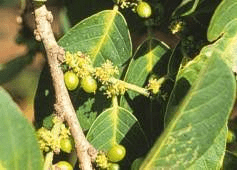
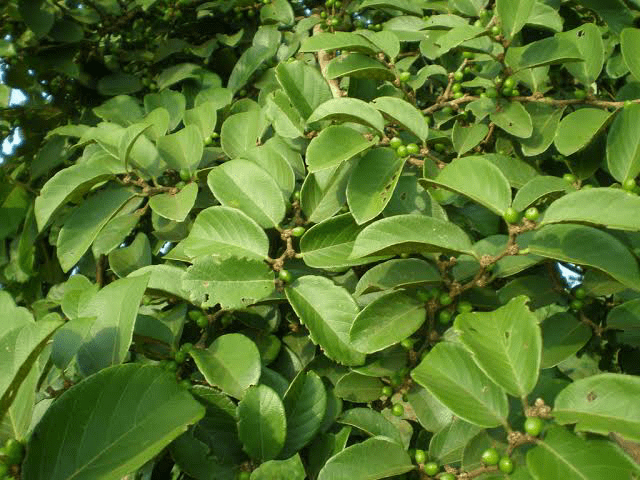
The leaves of Bridelia Micrantha are alternate, simple, and characterized by their oblong to elliptical shape. They are typically dark green and glossy on the upper surface, with a lighter green or yellowish hue on the underside.
The leaves have distinctive veins that are often prominent, adding to the plant’s aesthetic appeal.
The flowers of Bridelia Micrantha are small and inconspicuous, yet they hold a unique charm. They are borne in clusters or inflorescences and are typically greenish-yellow in color.
The flowers may not be showy, but they play a crucial role in the plant’s reproductive process, giving rise to the development of its fruits.
The fruit of Bridelia Micrantha is a small, round drupe that measures approximately 1 to 2 centimeters in diameter. Initially green, the fruit matures into an attractive shade of orange or reddish-brown as it ripens.
The outer surface of the fruit may be smooth or slightly textured, adding to its visual appeal.
The bark of Bridelia Micrantha is an important botanical feature. It is rough, often characterized by vertical furrows and ridges. The color of the bark can vary, ranging from grayish-brown to dark brown. When the bark is damaged or crushed, it may release a resinous aroma.
Bridelia Micrantha is native to various regions of Africa, including countries such as Nigeria, Ghana, Senegal, and Cameroon.
It can be found in a variety of habitats, ranging from savannas and grasslands to open woodlands and forest edges. The plant’s adaptability to different environments contributes to its wide distribution.
Throughout its native range, Bridelia Micrantha has been recognized for its medicinal properties and has been used in traditional medicine to address various health issues.
Its bark, leaves, and other plant parts are often utilized in herbal preparations for their potential healing effects.
Nutritional Value of Bridelia Micrantha (Mitzeeri)
1. Polyphenols: Bridelia micrantha contains polyphenols, which are antioxidants that help neutralize free radicals in the body, potentially reducing oxidative stress and inflammation. These compounds are found in the bark, leaves, and berries, contributing to its traditional use in promoting general health.
2. Flavonoids: The plant is rich in flavonoids, particularly in its leaves and bark, which support cardiovascular health and may reduce the risk of chronic diseases by improving blood vessel function and reducing inflammation.
3. Tannins: Tannins in Bridelia micrantha, especially in the bark, have astringent properties that may aid in wound healing and reduce diarrhea by tightening mucosal tissues and reducing fluid loss.
4. Alkaloids: Alkaloids present in the roots and bark exhibit potential antimicrobial and antimalarial properties, which contribute to the plant’s traditional use in treating infections and fevers.
5. Saponins: Found in the leaves and roots, saponins may support immune function and have shown potential in reducing cholesterol levels by binding to dietary fats in the gut.
6. Carbohydrates: The berries of Bridelia micrantha provide simple carbohydrates, offering a quick source of energy, especially for communities where the fruit is consumed by children.
7. Fiber: The edible berries contain dietary fiber, which supports digestive health by promoting regular bowel movements and feeding beneficial gut bacteria.
8. Vitamin C: The berries are a source of vitamin C, which supports immune function, skin health, and tissue repair, though exact quantities are not well-documented in research.
9. Minerals (Iron and Zinc): Trace amounts of iron and zinc in the berries and leaves may contribute to blood health and immune support, though specific concentrations require further study.
10. Terpenoids: Terpenoids in the plant, particularly in the leaves, have shown anti-inflammatory and antimicrobial effects, which may support its use in traditional medicine for treating infections and inflammation.
Read Also: 10 Medicinal Health Benefits of Balanites pedicellaris (Desert Date)
The Medicinal Health Benefits of Bridelia Micrantha (Mitzeeri)
1. Antimicrobial Properties: Bridelia Micrantha possesses compounds that exhibit potent antimicrobial effects, making it valuable in treating infections.
2. Anti-inflammatory Action: The plant’s extracts have anti-inflammatory properties, aiding in the management of inflammatory conditions such as arthritis.
3. Wound Healing: Bridelia Micrantha accelerates wound healing due to its regenerative and antibacterial qualities.
4. Digestive Aid: It aids digestion by promoting gastric motility and reducing gastrointestinal discomfort.
5. Pain Relief: Traditional medicine employs Bridelia Micrantha to alleviate various types of pain, including headaches and muscle aches.
6. Antioxidant Benefits: Rich in antioxidants, this plant helps combat oxidative stress and supports overall health.
7. Fever Reduction: It has been used to lower fevers due to its fever-reducing properties.
8. Respiratory Support: Bridelia Micrantha’s extracts can provide relief from respiratory issues like coughs and bronchitis.
9. Hypertension Management: Some compounds in the plant are believed to contribute to blood pressure regulation.
10. Diabetes Control: Traditional uses suggest that Bridelia Micrantha may help manage diabetes by assisting in blood sugar control.
11. Skin Care: The plant’s antimicrobial and anti-inflammatory properties make it useful for various skin conditions.
12, Immune Booster: Regular consumption of Bridelia Micrantha might strengthen the immune system.
13. Antispasmodic Effects: It has been used to alleviate muscle spasms and cramps.
14. Liver Health: Traditional practitioners have used it to support liver health and function.
15. Anti-diarrheal Effects: It can help manage diarrhea and related digestive disturbances.
16. Cardiovascular Support: Compounds in the plant could contribute to heart health and circulation.
17. Anti-allergic Properties: Some constituents might help reduce allergic reactions.
18. Anti-parasitic Action: Bridelia Micrantha has been used traditionally to address parasitic infections.
19. Bone Health: It may play a role in maintaining strong and healthy bones.
20. Stress Relief: The plant’s calming properties can aid in managing stress and anxiety.
Read Also: 15 Medicinal Health Benefits of Barringtonia Macrostachya (Powder-puff Mangrove)
The Methods of Usage to Achieve the Provided Health Benefits of Bridelia Micrantha (Mitzeeri)
1. Herbal Infusion: Herbal infusions, commonly known as teas, are a popular way to extract the medicinal compounds from Bridelia Micrantha.
To prepare an infusion, boil water and let it cool slightly. Add dried Bridelia Micrantha leaves or bark to a cup. Pour the hot water over the plant material. Allow it to steep for about 10-15 minutes. Strain and drink the infused liquid.
2. Decoction: Decoctions involve boiling plant parts to extract their beneficial components. To make a Bridelia Micrantha decoction, add dried Bridelia Micrantha bark to a pot of water.
Bring the water to a boil and then reduce the heat to a simmer. Allow the mixture to simmer for about 15-20 minutes. Strain the liquid and consume.
3. Topical Applications: For skin-related issues, you can create topical applications using Bridelia Micrantha extracts, prepare a paste by grinding dried leaves or bark with a small amount of water. Apply the paste directly to the affected area. Leave it on for a short period before washing it off.
4. Tincture: Tinctures are concentrated liquid extracts that provide an efficient way to preserve and deliver the plant’s medicinal properties, combine dried Bridelia Micrantha plant parts with a high-proof alcohol, such as vodka or rum, in a glass jar.
Seal the jar and let it sit in a cool, dark place for several weeks, shaking it occasionally. After the steeping period, strain the liquid and store it in a dark glass bottle. Use a dropper to administer the tincture in small doses, as recommended by an herbalist.
5. Powdered Form: Bridelia Micrantha bark can be dried and ground into a fine powder, which can then be used in various ways.
To add the powdered bark to smoothies, juices, or herbal teas. Incorporate it into culinary dishes as a natural flavor enhancer. Consume the powder by mixing it with honey or yogurt.
6. Capsules and Tablets: Commercially available capsules or tablets containing Bridelia Micrantha extracts offer a convenient way to incorporate the plant’s benefits into your routine. Follow the manufacturer’s recommended dosage guidelines.
7. Herbal Combinations: In traditional medicine systems, Bridelia Micrantha may be combined with other herbs to enhance its effects. Consult an experienced herbalist to create customized herbal blends suited to your specific needs.
8. External Washes: For skin irritations or infections, you can prepare an herbal wash using Bridelia Micrantha. To prepare Bridelia boil Bridelia Micrantha leaves or bark in water. Allow the mixture to cool down. Use the cooled herbal infusion to wash the affected area.
The Side Effects of Using Bridelia Micrantha Medicinal Plant
1. Gastrointestinal Discomfort: Excessive consumption of Bridelia Micrantha or its extracts may lead to gastrointestinal discomfort, including stomach upset, nausea, and vomiting. It’s crucial to follow recommended dosages and consult a healthcare professional or herbalist for proper guidance.
2. Allergic Reactions: Individuals with a history of allergies to plants in the Euphorbiaceae family, such as rubber trees or cassava, may be more prone to allergic reactions when using Bridelia Micrantha.
If you experience itching, redness, or swelling after using this plant, discontinue use and seek medical attention if necessary.
3. Interactions with Medications: Bridelia Micrantha, like many herbal remedies, can potentially interact with certain medications. If you are taking prescription medications, consult your healthcare provider before incorporating Bridelia Micrantha into your regimen to ensure there are no adverse interactions.
4. Pregnancy and Breastfeeding: Pregnant and breastfeeding individuals should exercise caution when using Bridelia Micrantha. Limited research is available on its safety during these periods, and it’s advisable to consult a healthcare professional before using the plant to avoid any potential risks to the developing fetus or nursing infant.
5. Overdose Risk: While Bridelia Micrantha has beneficial properties, excessive consumption can lead to adverse effects. Follow the recommended dosage guidelines provided by a qualified herbalist or healthcare professional to avoid the risk of overdose.
6. Skin Sensitivity: When using Bridelia Micrantha extracts topically, it’s wise to do a patch test first to check for any skin sensitivities or allergic reactions. Apply a small amount of the prepared extract to a small area of skin and monitor for any adverse reactions over 24 hours.
7. Not a Substitute for Professional Medical Care: Bridelia Micrantha should not be used as a substitute for professional medical care. If you have a serious medical condition or are seeking treatment for a specific ailment, it’s essential to consult a qualified healthcare provider before relying solely on herbal remedies.
8. Individual Variability: Keep in mind that individual responses to herbal remedies can vary. What works well for one person may not have the same effect on another. It’s crucial to pay attention to your body’s responses and seek guidance if you experience any unexpected or adverse effects.
9. Quality and Source: Ensure that you obtain Bridelia Micrantha from a reputable source to ensure its authenticity and quality. Poorly sourced or adulterated products may not provide the intended benefits and could potentially lead to negative effects.
Scientific Evidence and Case Studies on Bridelia Micrantha (Mitzeeri)

1. Maroyi (2017): A comprehensive review by Maroyi explored the ethnopharmacology and therapeutic value of Bridelia micrantha in tropical Africa. The study confirmed its traditional use for treating diarrhea, infections, and inflammation, with pharmacological tests showing antibacterial and anti-inflammatory effects from leaf and bark extracts. The review highlighted the presence of flavonoids and tannins as key bioactive compounds.
Maroyi, A. (2017). Ethnopharmacology and therapeutic value of Bridelia micrantha (Hochst.) Baill. in tropical Africa: A comprehensive review. Molecules, 22(9), 1493.
2. Bosch (2010): Bosch’s research documented the traditional use of Bridelia micrantha across 57.3% of tropical African countries where it is indigenous. The study validated its antidiarrheal and antimicrobial properties through in vitro tests, particularly noting the efficacy of bark extracts against bacterial infections.
Bosch, C. H. (2010). Bridelia micrantha (Hochst.) Baill. In PROTA (Plant Resources of Tropical Africa). Wageningen, Netherlands.
3. Ngueyem et al. (2009): This study investigated the phytochemistry of Bridelia micrantha and identified saponins and alkaloids as key compounds with antimalarial and anticonvulsant properties. Tests on root extracts showed significant activity against Plasmodium species, supporting its traditional use in malaria treatment.
Ngueyem, T. A., Brusotti, G., Caccialanza, G., & Finzi, P. V. (2009). The genus Bridelia: A phytochemical and ethnopharmacological review. Journal of Ethnopharmacology, 124(3), 339–349.
4. Adesegun et al. (2013): Adesegun and colleagues conducted pharmacological studies on Bridelia micrantha leaf extracts, confirming antidiabetic effects in animal models. The study showed that flavonoids and polyphenols in the leaves reduced blood glucose levels, supporting its use in managing diabetes in traditional settings.
Adesegun, S. A., Elechi, N. A., & Coker, H. A. B. (2013). Antioxidant and antidiabetic activities of Bridelia micrantha. African Journal of Pharmacy and Pharmacology, 7(22), 1498–1505.
Frequently Asked Questions About Bridelia Micrantha (Mitzeeri)
1. What is Bridelia micrantha used for in traditional medicine?
It is used to treat conditions like diarrhea, infections, malaria, diabetes, and inflammation, with the bark, leaves, and roots being the primary parts used.
2. Are the berries of Bridelia micrantha safe to eat?
The berries are commonly eaten, especially by children, and provide carbohydrates, fiber, and vitamin C. However, overconsumption should be avoided due to limited data on safety.
3. Can Bridelia micrantha lower blood sugar?
Studies, such as Adesegun et al. (2013), suggest that leaf extracts may help reduce blood glucose levels, supporting its use in managing diabetes.
4. Is Bridelia micrantha safe for everyone?
It may be unsafe during pregnancy due to potential uterine stimulation and should be avoided by people with low blood pressure or bleeding disorders, as it may affect blood clotting.
5. How is Bridelia micrantha prepared for medicinal use?
The bark, leaves, or roots are typically boiled to make decoctions or infusions, which are consumed or applied topically, depending on the condition being treated.
6. Are there any side effects of using Bridelia micrantha?
Some studies suggest potential toxicity, including genetic damage, and it may lower blood pressure or slow blood clotting, so caution is advised until more research is available.
7. Can Bridelia micrantha interact with medications?
Yes, it may interact with estrogen-based medications or antihypertensives, potentially reducing their effectiveness or causing adverse effects.
8. Where is Bridelia micrantha commonly found?
It is native to tropical Africa, found in over half of the region’s countries, and has been introduced to places like Réunion Island.
9. Is Bridelia micrantha supported by scientific research?
Yes, studies like Maroyi (2017) and Ngueyem et al. (2009) confirm its antibacterial, antimalarial, and antidiabetic properties, though more clinical research is needed.
10. Can Bridelia micrantha be used for skin conditions?
Its tannin content suggests it may aid in wound healing and skin infections due to its astringent and antimicrobial properties, though direct evidence is limited.
Do you have any questions, suggestions, or contributions? If so, please feel free to use the comment box below to share your thoughts. We also encourage you to kindly share this information with others who might benefit from it. Since we can’t reach everyone at once, we truly appreciate your help in spreading the word. Thank you very much for your support and for sharing!
Disclaimer: This article is for educational and informational purposes only. The health benefits described are based on scientific research and traditional knowledge. They are not a substitute for professional medical advice, diagnosis, or treatment. Always consult a healthcare professional before using any herb or natural remedy for medical purposes.
Read Also: Collective Farming: The Key to Sustainable Food Systems