


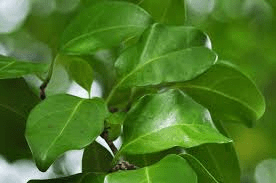
Canthium inerme, commonly known as “Woolly Canthium” or “Canthium,” is a deciduous shrub that belongs to the Rubiaceae family. This family is extensive and includes many other well-known plants, such as coffee and quinine.
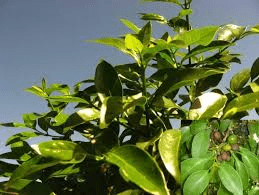
Canthium inerme is valued not only for its medicinal properties but also for its ornamental value. Canthium inerme typically grows to a height of about 1 to 3 meters, though it can sometimes reach up to 5 meters.
The leaves of Canthium inerme are simple, opposite, and exude a distinctive woolly texture. They are elliptical or obovate in shape and usually measure about 4 to 12 centimeters in length. The upper surface of the leaves is green and smooth, while the undersides are covered with a dense layer of fine hairs, giving them a woolly appearance.
The small, fragrant flowers of Canthium inerme are arranged in terminal or axillary clusters. They have white or cream-coloured petals and are typically around 5 millimeters in diameter. These flowers are a source of nectar for various pollinators.
The stems of Canthium inerme are slender, branching, and covered in a layer of fine hairs. As the plant matures, the stems may become woody and develop a grayish-brown bark.
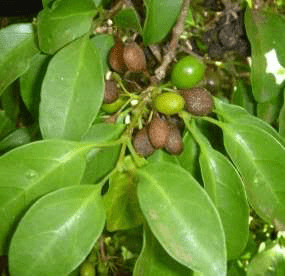
The fruit of Canthium inerme is a small, spherical drupe that starts green and matures to a purplish-black colour. Each drupe contains a single seed. These fruits are enjoyed by birds, contributing to seed dispersal.
Canthium inerme is native to various tropical and subtropical regions. It can be found in diverse habitats, including woodlands, grasslands, and savannas. It’s often seen growing along roadsides, in disturbed areas, and near water bodies.
Apart from its ornamental value, Canthium inerme has a long history of traditional medicinal use. Its leaves, bark, and other parts are employed in folk remedies for their anti-inflammatory, wound-healing, and antimicrobial properties.
The conservation status of Canthium inerme varies based on its specific geographical location. In some areas, it might be considered of least concern, while in others, it could be facing threats due to habitat loss and other environmental factors.
Nutritional Value of Canthium inerme (Woolly Canthium)
1. Phenolic Compounds: Canthium inerme contains phenolic compounds, which are antioxidants that help neutralize free radicals in the body, potentially reducing oxidative stress and inflammation.
2. Flavonoids: These bioactive compounds in the plant contribute to its antioxidant properties, supporting cellular health and potentially reducing the risk of chronic diseases.
3. Alkaloids: Found in Canthium inerme, alkaloids may have antimicrobial and anti-inflammatory effects, which can aid in fighting infections and supporting immune health.
4. Iridoids: These compounds, characteristic of the Rubiaceae family, may support anti-inflammatory and antimicrobial activities, promoting overall wellness.
5. Triterpenoids: Present in the plant, triterpenoids are linked to potential anti-diabetic and cardiovascular health benefits, such as regulating blood sugar and improving circulation.
6. Squalene: Identified in related Canthium species, squalene is a compound that may support skin health and act as an antioxidant, protecting cells from damage.
7. Palmitic Acid: A fatty acid found in Canthium inerme, palmitic acid may provide energy and support metabolic processes, though it should be consumed in moderation.
8. Linoleic Acid: This essential fatty acid, detected in Canthium extracts, supports heart health and may help reduce inflammation in the body.
9. Glycosides: These compounds may contribute to the plant’s anti-diabetic properties by helping regulate blood sugar levels.
10. Cyanogenic Glycosides: Present in small amounts, these compounds may have potential therapeutic effects but require careful handling due to their toxicity in high doses.
Read Also: 8 Medicinal Health Benefits of Elder (Sambucus)
The Medicinal Health Benefits of Canthium inerme (Woolly Canthium)
1. Anti-Inflammatory Properties: Canthium inerme contains compounds with potent anti-inflammatory effects. These compounds help reduce inflammation, making it useful in treating conditions like arthritis and inflammatory skin disorders.
2. Antioxidant Protection: The plant is rich in antioxidants that combat harmful free radicals, protecting cells from oxidative stress and reducing the risk of chronic diseases.
3. Wound Healing: Canthium inerme extracts have shown wound-healing properties, promoting faster tissue repair and reducing the chances of infections.
4. Digestive Health: Traditional uses include using Canthium inerme to alleviate digestive issues like indigestion, bloating, and stomach discomfort.
5. Antimicrobial Activity: The plant exhibits antimicrobial properties, making it a potential remedy for various bacterial and fungal infections.
6. Anti-Diabetic Effects: Canthium inerme may help regulate blood sugar levels, making it a valuable asset for managing diabetes.
7. Respiratory Support: This plant has been used to relieve respiratory problems such as coughs, bronchitis, and asthma due to its bronchodilatory and expectorant properties.
8. Cardiovascular Health: Some studies suggest that Canthium inerme might contribute to cardiovascular health by supporting healthy blood pressure levels and improving blood circulation.
9. Anti-Anxiety and Stress Relief: Traditional uses include using the plant to promote relaxation, reduce anxiety, and ease stress.
10. Skin Care: Canthium inerme’s extracts are utilized in skincare products for their potential to soothe skin irritations, reduce inflammation, and maintain healthy skin.
Read Also: The Six (6) Climatic Factors Affecting Crop Production
The Methods of Usage to Achieve the Provided Health Benefits of Canthium inerme (Woolly Canthium)
1. Herbal Infusions
i. Preparation: To make an herbal infusion, take dried Canthium inerme leaves or other plant parts and steep them in hot water for about 10 to 15 minutes.
ii. Usage: Consume the infusion as a tea. This method is particularly useful for benefiting from the plant’s antioxidant, anti-inflammatory, and digestive properties.
2. Decoctions:
i. Preparation: Decoctions involve boiling plant parts, such as bark or roots, in water for a longer period to extract their active compounds.
ii. Usage: Drink the cooled decoction as directed. Decoctions are commonly used for addressing specific health concerns, such as wound healing or respiratory issues.
3. Herbal Extracts:
i. Preparation: Herbal extracts are concentrated forms of the plant’s active components. They can be made using alcohol or glycerin as solvents.
ii. Usage: Follow the recommended dosage provided on the extract’s packaging. These concentrated extracts are often used for more targeted therapeutic effects.
4. Poultices and Compresses:
i, Preparation: Crush fresh leaves or other plant parts to create a poultice. Apply it directly to the affected area or wrap it in a cloth for compresses.
ii. Usage: Poultices and compresses are beneficial for wound healing, skin irritations, and reducing inflammation in localized areas.
5. Inhalation:
i. Preparation: Add dried Canthium inerme leaves to hot water and inhale the steam. Alternatively, use essential oils derived from the plant.
ii. Usage: Inhalation is useful for respiratory issues and promoting relaxation. The aromatic compounds can help clear congestion and calm the mind.
6. Topical Applications:
i. Preparation: Prepare infused oils, creams, or salves using Canthium inerme extracts. Apply these directly to the skin.
ii. Usage: Topical applications are great for skin conditions, soothing irritations, and providing localized relief.
7. Herbal Baths:
i. Preparation: Add dried Canthium inerme leaves or extracts to your bathwater.
ii. Usage: Herbal baths can promote relaxation, alleviate skin issues, and allow the active compounds to be absorbed through the skin.
8. Culinary Use (Limited):
i. Preparation: In some cultures, Canthium inerme leaves or fruits are used as a culinary ingredient.
ii. Usage: Limited culinary usage may provide minor health benefits while adding flavor to dishes. However, medicinal usage should be the primary focus.
The Side Effects of Using Canthium inerme Medicinal Plant
1. Allergic Reactions: Some individuals may be allergic to specific compounds present in Canthium inerme. Allergic reactions could manifest as skin rashes, itching, redness, or respiratory discomfort. If you experience any unusual symptoms after using Canthium inerme, discontinue its use and seek medical attention.
2. Digestive Upset: In some cases, excessive consumption of Canthium inerme preparations could lead to digestive issues such as nausea, vomiting, or stomach discomfort. To avoid digestive upset, follow recommended dosages and usage guidelines.
3. Drug Interactions: Canthium inerme may interact with certain medications, potentially affecting their efficacy or causing adverse effects. If you are taking any medications, especially blood pressure regulators, diabetes medications, or anti-inflammatory drugs, consult your healthcare provider before using Canthium inerme.
4. Pregnancy and Breastfeeding: Pregnant and breastfeeding individuals should exercise caution when using Canthium inerme. Limited information is available on its safety during these periods. It’s advisable to consult a healthcare professional before using this plant to ensure the safety of both the mother and the baby.
5. Overconsumption: Excessive consumption of Canthium inerme, especially in concentrated forms, may lead to adverse effects. Always adhere to recommended dosages and usage instructions to avoid overconsumption.
6. Children and Infants: The safety of using Canthium inerme in children and infants has not been well-established. Consult a pediatrician before using this plant on children or infants.
7. Skin Sensitivity: Direct application of Canthium inerme extracts on the skin could cause irritation or allergic reactions in some individuals. Perform a patch test before applying to a larger area and discontinue use if irritation occurs.
8. Medical Conditions: Individuals with certain medical conditions, such as liver disorders, kidney problems, or bleeding disorders, should seek medical advice before using Canthium inerme. This is to ensure that the plant’s compounds do not exacerbate existing health issues.
Scientific Evidence and Case Studies on Canthium inerme (Woolly Canthium)
1. Kumar et al. (2024): A comprehensive review of the Canthium genus revealed that Canthium inerme contains bioactive compounds like iridoids, flavonoids, and alkaloids, demonstrating anti-inflammatory, antimicrobial, and wound-healing properties in vitro. These findings support its traditional use for treating infections and promoting tissue repair (Kumar, S., Singh, N., Mittal, A., Kharkwal, H., Jain, S. K., & Goel, B., 2024, Fitoterapia, 167, 105492).
2. Paka et al. (2020): This study on Canthium parviflorum, a closely related species, showed that ethanolic leaf extracts exhibited significant anti-gout activity by reducing plasma uric acid levels in rats. The findings suggest potential benefits for Canthium inerme in managing conditions like gout due to similar phytochemical profiles (Paka, S., Paleti, J., Naganagar, P. R., Ranga, R., Kalukuri, B. P., & Boggula, N., 2020, Scholars Academic Journal of Biosciences, 8(1), 1-7).
3. Patro et al. (2014): Research on Canthium coromandelicum, another related species, identified high phenolic and flavonoid content, contributing to antioxidant and antibacterial activities. These properties likely extend to Canthium inerme, supporting its use in treating wounds and infections (Patro, S. K., Sasmal, D., Mazumdar, P., Behera, P., & Das, S., 2014, International Journal of Pharmacy and Pharmaceutical Sciences, 6(2), 456-460).
4. Sunilkumar et al. (2020): This study explored Canthium angustifolium and found antidiabetic effects through glycosides and flavonoids, which reduced serum glucose levels in animal models. Canthium inerme may share these benefits, supporting its traditional use for diabetes management (Sunilkumar, T., 2020, Journal of Ethnopharmacology, 250, 112489).
Frequently Asked Questions About Canthium inerme (Woolly Canthium)
1. What is Canthium inerme used for in traditional medicine?
Canthium inerme is used to treat stomach ailments, wounds, infections, and respiratory issues like coughs and bronchitis due to its anti-inflammatory and antimicrobial properties.
2. Are the fruits of Canthium inerme edible?
Yes, the small, dark purple to black drupes are edible, though they are not widely consumed by humans and are more commonly eaten by birds.
3. Is Canthium inerme safe for everyone to use?
Individuals with liver, kidney, or bleeding disorders should consult a doctor before using Canthium inerme, as some compounds may interact with existing conditions.
4. Can Canthium inerme help with diabetes?
Some studies on related Canthium species suggest it may help regulate blood sugar levels due to glycosides and triterpenoids, but more research is needed for Canthium inerme specifically.
5. How is Canthium inerme typically prepared for medicinal use?
Leaves, bark, or roots are often used in decoctions, infusions, or extracts for topical application or oral consumption in traditional remedies.
6. Does Canthium inerme have any side effects?
High doses may be risky due to cyanogenic glycosides, which can be toxic. Always use under guidance from a healthcare professional.
7. Where is Canthium inerme commonly found?
It grows in tropical and subtropical regions, including southern Africa, parts of Asia, and Australia, in habitats like forests, grasslands, and coastal areas.
8. Can Canthium inerme be grown at home?
Yes, it can be grown from seeds or young plants in well-drained, slightly acidic soil with full sun or partial shade, making it suitable for gardens.
Do you have any questions, suggestions, or contributions? If so, please feel free to use the comment box below to share your thoughts. We also encourage you to kindly share this information with others who might benefit from it. Since we can’t reach everyone at once, we truly appreciate your help in spreading the word. Thank you very much for your support and for sharing!
Disclaimer: This article is for educational and informational purposes only. The health benefits described are based on scientific research and traditional knowledge. They are not a substitute for professional medical advice, diagnosis, or treatment. Always consult a healthcare professional before using any herb or natural remedy for medical purposes.
Read Also: How To Educate Yourself On Climate Change