


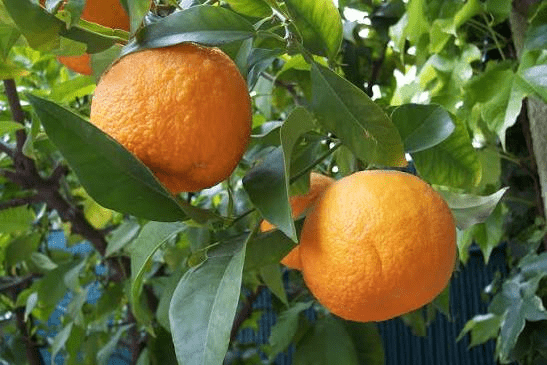
Citropsis articulata, commonly known as Bitter Orange, is a perennial shrub that belongs to the Rutaceae family. This fascinating plant is characterized by its distinct features, which contribute to both its aesthetic appeal and its medicinal significance.
Bitter Orange typically grows to a height of around 2 to 3 meters, although some specimens can reach greater heights under optimal conditions.
The plant boasts a well-branched structure with multiple slender stems emerging from a central base. The stems are covered in glossy, dark green leaves that exude a subtle citrus fragrance when crushed.
The leaves of Citropsis articulata are alternate, simple, and elliptical in shape. They are arranged along the stems in an alternating pattern, enhancing the plant’s overall visual appeal.
The leaves have distinct venation and a smooth texture, contributing to their ornamental value. Their glossy surface reflects sunlight, creating a shimmering effect that adds to the plant’s allure.
Bitter Orange produces small, fragrant flowers that are white and star-shaped. These flowers typically bloom in clusters at the tips of the branches. The petals are delicate and emit a pleasant, citrus-like aroma, enhancing the overall sensory experience when near the plant.
The flowers are hermaphroditic, containing both male and female reproductive organs, facilitating self-pollination.
The most notable feature of Citropsis articulata is its fruit, which closely resembles that of its close relative, the sweet orange (Citrus sinensis). The fruit is spherical and approximately the size of a golf ball.
When mature, the fruit’s skin turns from green to a bright orange hue, lending the plant its common name, Bitter Orange. Despite its enticing appearance, the fruit’s flavor is intensely bitter, distinguishing it from the sweet orange.
Bitter Orange develops a network of fibrous roots that aid in anchoring the plant and absorbing nutrients and water from the soil. These roots play a vital role in supporting the plant’s growth and overall health.
Citropsis articulata is native to certain regions of Africa and is well adapted to subtropical and tropical climates.
It thrives in well-drained soils and can often be found in savannas, woodlands, and open areas. Its ability to tolerate various soil types and environmental conditions contributes to its resilience and widespread distribution.
Read Also: 6 Mistakes to Avoid when using Tarpaulin Fish Ponds for Profitable Fish Farming
The Medicinal Health Benefits of Citropsis articulata (Bitter Orange)
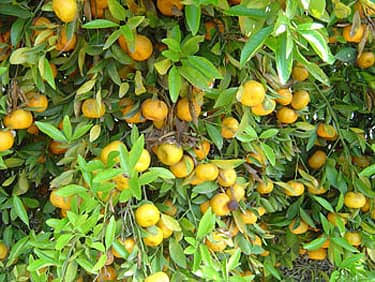
1. Digestive Aid: Bitter Orange has been traditionally employed to support digestion. Its compounds can stimulate the secretion of digestive enzymes, aiding in the breakdown of food and alleviating digestive discomfort such as indigestion and bloating.
2. Weight Management: The presence of synephrine in Bitter Orange has led to its use in weight management. Synephrine is believed to enhance metabolic rate and energy expenditure, potentially assisting in weight loss efforts.
3. Cardiovascular Support: Bitter Orange may contribute to heart health by promoting healthy blood circulation. Compounds found in the plant could help maintain optimal blood pressure levels and support healthy cholesterol profiles.
4. Antioxidant Properties: Rich in antioxidants, Bitter Orange can help combat oxidative stress by neutralizing harmful free radicals in the body. This antioxidant activity may contribute to reducing the risk of chronic diseases and supporting overall health.
5. Anti-Inflammatory Effects: Bitter Orange contains compounds with anti-inflammatory properties. These properties may help reduce inflammation in the body, potentially alleviating symptoms of conditions related to inflammation.
6. Diabetes Management: Bitter Orange may assist in managing diabetes by regulating blood sugar levels. Its potential to improve insulin sensitivity can contribute to better glucose control.
7. Respiratory Relief: Traditional uses of Bitter Orange include its application in respiratory ailments. The plant’s properties may help ease symptoms of respiratory conditions such as coughs, colds, and bronchitis.
8. Skin Health: Bitter Orange extracts have been used topically for various skin conditions. Its potential antiseptic and anti-inflammatory qualities could aid in the treatment of skin issues.
9. Anxiety and Stress Reduction: Bitter Orange essential oil is believed to have calming effects on the nervous system. Its aromatic properties can help reduce feelings of anxiety and stress.
10. Gastrointestinal Comfort: Bitter Orange has been used traditionally to address gastrointestinal discomfort. Its properties may help soothe digestive issues and promote gut health.
Read Also: 15 Medicinal Health Benefits of Gamochaeta purpurea (Purple Cudweed)
The Methods of Usage to Achieve the Provided Health Benefits of Citropsis articulata (Bitter Orange)
1. Herbal Tea:Method: Prepare a soothing herbal tea using dried Bitter Orange peel. Boil water and add a teaspoon of dried Bitter Orange peel. Let it steep for about 10 minutes, allowing the beneficial compounds to infuse into the water.
Strain the tea and enjoy it warm. This tea can support digestion, ease respiratory discomfort, and offer antioxidant benefits.
2. Topical Applications:Method: Dilute Bitter Orange essential oil before applying it to the skin. Mix a few drops of Bitter Orange essential oil with a carrier oil (such as coconut oil or jojoba oil). Gently massage the diluted oil onto the skin, targeting areas of concern.
Perform a patch test before applying to larger areas to ensure there are no adverse reactions. Topical application can help address skin conditions and provide a relaxing aromatherapy experience.
3. Aromatherapy:Method: Use Bitter Orange essential oil in aromatherapy. Add a few drops of Bitter Orange essential oil to a diffuser or aromatherapy burner. Allow the aroma to fill the room and create a calming environment. Aromatherapy with Bitter Orange oil can promote relaxation, reduce stress, and uplift your mood.
4. Supplements:Method: Incorporate Bitter Orange supplements into your daily routine. Choose high-quality supplements in the form of capsules, tablets, or liquid extracts. Follow the recommended dosage provided on the supplement packaging.
Consult a healthcare professional before starting any new supplement regimen. Supplements offer a convenient way to ensure consistent intake of Bitter Orange’s health benefits.
5. Culinary Uses:Method: Integrate Bitter Orange peel into culinary creations. Grate or finely chop the dried peel and use it as a flavorful addition to dishes and beverages. Incorporate it into marinades, desserts, and sauces for a hint of citrusy bitterness. Culinary use adds a unique flavor profile while potentially supporting digestion and providing antioxidants.
6. Tinctures:Method: Prepare a Bitter Orange tincture for easy consumption. Combine dried Bitter Orange peel with alcohol (such as vodka) in a glass jar. Allow the mixture to infuse for a few weeks, shaking the jar regularly.
Strain the tincture and store it in a dark glass bottle. Take a few drops diluted in water as recommended by a herbalist or healthcare professional. Tinctures offer a concentrated form of Bitter Orange’s medicinal properties.
The Side Effects of Using Citropsis articulata Medicinal Plant
1. Cardiovascular Effects: Bitter Orange contains compounds such as synephrine that can stimulate the cardiovascular system. High doses of synephrine might lead to increased heart rate, elevated blood pressure, and palpitations.
Individuals with heart conditions, hypertension, or those taking medications that affect the cardiovascular system should exercise caution when using Bitter Orange.
2. Interactions with Medications: Bitter Orange can interact with certain medications, particularly those used to manage cardiovascular issues, mental health disorders, and other health conditions. It’s crucial to consult a healthcare professional before using Bitter Orange, especially if you’re taking prescription medications.
3. Photosensitivity: Some individuals may experience increased sensitivity to sunlight after using Bitter Orange or its essential oil topically. This can lead to skin reactions, such as rash or burns, when exposed to sunlight. Avoid sun exposure after applying Bitter Orange essential oil to the skin.
4. Gastrointestinal Distress: In some cases, excessive consumption of Bitter Orange or its supplements may lead to gastrointestinal discomfort, including nausea, vomiting, and stomach upset. Start with small amounts to gauge your body’s response.
5. Allergic Reactions: Individuals with citrus allergies may be at risk of experiencing allergic reactions when using Bitter Orange. Allergic responses can range from skin irritation to more severe symptoms like difficulty breathing. If you have known allergies to citrus fruits, exercise caution.
6. Drug Testing Concerns: Some substances found in Bitter Orange, such as synephrine, resemble banned substances in certain athletic organizations’ drug testing programs. Athletes and individuals subject to drug testing should be cautious about using Bitter Orange products.
7. Pregnancy and Breastfeeding: Pregnant and breastfeeding individuals should avoid using Bitter Orange in any form due to the potential risks to the developing fetus or infant.
8. Liver Health: Although rare, there have been reports of Bitter Orange supplements causing adverse effects on liver health. If you have a history of liver conditions, consult a healthcare professional before using Bitter Orange.
Nutritional Value of Citropsis articulata (Bitter Orange)
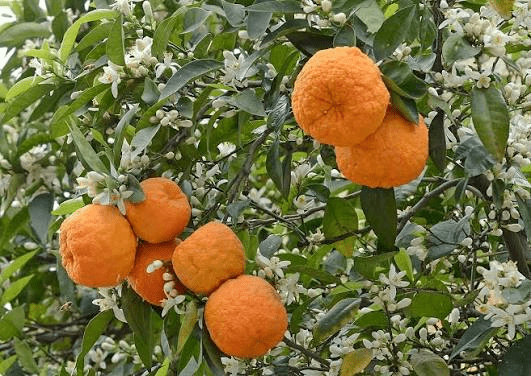
1. Vitamin C: Citropsis articulata fruit is a rich source of vitamin C, providing approximately 5% of the daily recommended value per serving. This vitamin supports immune function, promotes collagen synthesis, and acts as an antioxidant to neutralize free radicals.
2. Vitamin A: The fruit contains vitamin A, contributing about 5% of the daily value per serving. Vitamin A is essential for vision, immune health, and skin maintenance, enhancing overall wellness.
3. Iron: Each serving of Citropsis articulata provides around 2% of the daily iron requirement. Iron is critical for oxygen transport in the blood, helping to prevent anemia and support energy levels.
4. Phytochemicals: The fruit is rich in phytochemicals, such as flavonoids and limonoids, which have antioxidant properties. These compounds may reduce oxidative stress and inflammation in the body.
5. Fiber: The fruit and its peel contain dietary fiber, which supports digestive health, aids in regular bowel movements, and may help regulate blood sugar levels.
6. Calcium: Trace amounts of calcium are present in Citropsis articulata, contributing to bone health and muscle function, though specific quantities are not well-documented.
7. Potassium: The fruit provides small amounts of potassium, which supports heart health, muscle contraction, and fluid balance in the body.
8. Polyphenols: Polyphenolic compounds in Citropsis articulata may offer anti-inflammatory and antioxidant benefits, potentially protecting against chronic diseases when consumed as part of a balanced diet.
9. Limonoids: The fruit contains limonoids, terpenoid compounds responsible for its bitter taste. These may have potential health benefits, including antioxidant and anti-inflammatory effects, as seen in related citrus species.
10. Flavonoids: Flavonoids in Citropsis articulata may support cardiovascular health and improve insulin sensitivity, based on studies of related citrus fruits, though specific data for this species is limited.
Scientific Evidence and Case Studies on Citropsis articulata
1. Vudriko et al. (2014): A study by Vudriko et al. investigated crude ethanolic leaf extracts of Citropsis articulata in male rats with testosterone deficiency. The extracts improved erectile function, suggesting potential use in treating male sexual dysfunction associated with low testosterone levels (Vudriko, P., Baru, M., Kateregga, J., & Ndukui, J. (2014). Crude ethanolic leaf extracts of Citropsis articulata: A potential phytomedicine for treatment of male erectile dysfunction associated with testosterone deficiency. International Journal of Basic & Clinical Pharmacology, 3(1), 120-323).
2. Oloro et al. (2015): Oloro et al. examined the effects of aqueous root bark extract of Citropsis articulata on sexual function in male rats. The study found enhanced sexual behavior and increased testosterone levels, supporting its traditional use as an aphrodisiac (Oloro, J., Alele, P. E., Amanya, M., Tanayen, J. K., Ezeonwumelu, J. O. C., & Agaba, A. G. (2015). Effects of aqueous root bark extract of Citropsis articulata on sexual function in male rats. African Journal of Pharmacy and Pharmacology, 9(23), 723-729).
3. Kenneth (2016): Research by Kenneth explored the methanolic extract of Citropsis articulata fruit bark in male Wistar rats. The study showed no adverse effects on testicular tissue, indicating potential safety for reproductive health applications (Kenneth, Y. L. (2016). Effect of the methanolic extract of fruit bark of Citropsis articulata on the testes of male Wistar rats. Journal of Cytology & Histology, 7(4, Suppl)).
4. Eze et al. (2017): Eze et al. studied the aqueous root extract of Citropsis articulata in male rabbits, finding increased levels of cAMP and cGMP-dependent protein kinase-I in penile tissue. This suggests a mechanism for its aphrodisiac effects, supporting traditional uses for male reproductive health (Eze, E. D., Nganda, P., Okpanachi, O. A., Sheu, O. S., & Ayikobua, E. T. (2017). Effect of aqueous root extract of Citropsis articulata on the levels of cAMP and cGMP-dependent protein kinase-I in penile tissue of New Zealand white male rabbits. American Journal of Medicine and Medical Sciences, 7(10), 345-349).
Frequently Asked Questions About Citropsis articulata
1. Is Citropsis articulata safe to eat?
The fruit is edible and consumed in some African regions, but its bitter taste limits its appeal. The roots and leaves, used medicinally, require careful preparation to avoid potential toxicity.
2. What is Citropsis articulata used for traditionally?
It is widely used in Uganda and other parts of Africa as an aphrodisiac, particularly for male sexual dysfunction, and for boosting energy and vitality.
3. Can Citropsis articulata help with sexual health?
Studies in rats and rabbits suggest that root and leaf extracts may enhance male sexual function and testosterone levels, supporting its traditional use as an aphrodisiac.
4. Where does Citropsis articulata grow?
It is native to tropical Africa, including Ghana, DR Congo, and Uganda, thriving in rainforest and semi-deciduous forest environments.
5. Is Citropsis articulata endangered?
Yes, overharvesting for its medicinal roots has made it threatened in some Ugandan forests, prompting conservation efforts like seedling restoration.
6. How is Citropsis articulata prepared for consumption?
The fruit can be eaten fresh or dried, while roots and leaves are typically processed into powders or extracts for medicinal use after boiling or drying to reduce bitterness.
7. Are there side effects of using Citropsis articulata?
No significant side effects have been reported in animal studies, but human data is limited. Overuse of root extracts may cause digestive discomfort if not properly processed.
8. Can Citropsis articulata be grown outside Africa?
It can be cultivated in tropical climates with similar conditions to its native rainforest habitats, but it requires careful management due to its specific environmental needs.