


Gamochaeta purpurea, commonly known as purple everlasting or purple cudweed, is a medicinal plant belonging to the Asteraceae family. It is a perennial herbaceous plant native to North America, particularly found in regions with well-drained soils, open areas, and disturbed habitats.
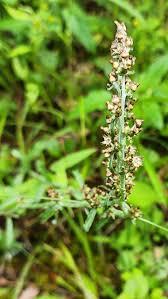
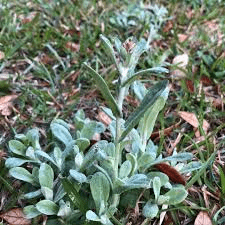
The plant is characterized by its distinctive appearance. It typically grows to a height of around 20 to 40 centimeters (8 to 16 inches) and has basal rosettes of lance-shaped leaves that are covered in fine hairs, giving them a silvery-gray appearance. The leaves are alternate and have a slightly toothed margin.
One of the notable features of Gamochaeta purpurea is its flowering structure. The flowers are small and tubular, arranged in dense clusters at the tips of the stems. These flower clusters are surrounded by purplish bracts, giving the plant its common name “purple everlasting.” The bracts retain their color even after the flowers have dried out, making them appear as if they are in bloom indefinitely.
In traditional herbal medicine, Gamochaeta purpurea has been used for various therapeutic purposes. It is believed to possess anti-inflammatory, diuretic, and wound-healing properties. The plant’s leaves and flowering tops are often used to prepare infusions or poultices for external application to wounds, cuts, and minor skin irritations. Some herbal practitioners also suggest its use for respiratory conditions like coughs and bronchitis.
While there is some anecdotal evidence of its traditional uses, scientific research on the medicinal properties of Gamochaeta purpurea is limited and further studies are needed to validate its efficacy and safety.
As with any medicinal plant, it’s important to exercise caution and consult with a healthcare professional before using Gamochaeta purpurea or any other herbal remedy, especially if you’re already taking medications or have underlying health conditions.
Nutritional Value of Gamochaeta purpurea (Purple Cudweed)
1. Flavonoids: Purple Cudweed contains flavonoids, which are antioxidants that may help combat oxidative stress in the body. These compounds are known to support cellular health by neutralizing free radicals.
2. Phenolic Compounds: The plant may contain phenolic compounds, which contribute to its anti-inflammatory properties. These can support overall health by reducing inflammation-related damage.
3. Terpenoids: Terpenoids in Purple Cudweed may have antimicrobial effects, potentially aiding in fighting infections when used in herbal preparations.
4. Alkaloids: Some species in the Asteraceae family, including Gamochaeta, may contain alkaloids, which can have mild stimulating or therapeutic effects, though specific alkaloid content in Purple Cudweed is not well-documented.
5. Volatile Oils: The plant may contain small amounts of volatile oils, which could contribute to its traditional use for respiratory relief, as these oils can have soothing effects when inhaled or consumed as tea.
6. Tannins: Tannins, which are astringent compounds, may be present and could aid in digestive health by reducing irritation in the gastrointestinal tract.
7. Saponins: Saponins, potentially found in Purple Cudweed, may support immune function and have mild anti-inflammatory effects.
8. Minerals: The plant likely contains trace minerals like potassium and magnesium, absorbed from the soil, which could contribute to electrolyte balance if consumed in small amounts.
9. Polysaccharides: Polysaccharides in the plant may support immune health by acting as prebiotics or immunomodulators, though specific evidence for Purple Cudweed is limited.
10. Fiber: The leaves and stems may provide dietary fiber when consumed as a tea or poultice, aiding in digestion and gut health.
Read Also: 9 Medicinal Health Benefits of Bosch’s Pitcher-plan (Nepenthes Boschiana)
The Medicinal Health Benefits of Gamochaeta purpurea (Purple Cudweed)
While Gamochaeta purpurea (purple everlasting or purple cudweed) has been used in traditional medicine for various purposes, it’s important to note that scientific research on its medicinal benefits is limited. Many of its reported health benefits are based on traditional knowledge and anecdotal evidence.
1. Anti-Inflammatory: Gamochaeta purpurea is believed to have anti-inflammatory properties that may help reduce inflammation in the body. For example, it could potentially be used topically as a poultice to soothe inflamed skin conditions like minor burns or insect bites.
2. Wound Healing: The plant’s purported wound-healing properties could make it useful for promoting the healing of cuts and wounds. A poultice made from its leaves might be applied to a minor wound to aid in the healing process.
3. Respiratory Support: Traditionally, Gamochaeta purpurea has been used to address respiratory issues like coughs and bronchitis. Infusions or teas made from the leaves might be consumed to provide relief from respiratory discomfort.
4. Diuretic: It’s believed that Gamochaeta purpurea could act as a diuretic, promoting increased urine production and potentially aiding in the elimination of toxins from the body.
5. Anti-Microbial: Some suggest that the plant’s constituents might possess antimicrobial properties that could help combat certain types of infections.
6. Anti-Catarrhal: In traditional medicine, Gamochaeta purpurea has been used to address excess mucus or phlegm in the respiratory tract.
7. Digestive Aid: It’s possible that the plant’s compounds could offer digestive support and help alleviate mild gastrointestinal discomfort.
8. Anti-Spasmodic: The plant might have anti-spasmodic effects that could be beneficial for relieving muscle spasms and cramps.
9. Anti-Anxiety: Although not extensively studied, some herbalists propose that Gamochaeta purpurea could have mild calming effects, potentially helping to reduce anxiety.
10. Hemostatic: Traditional use includes applying the plant to minor bleeding wounds due to its supposed hemostatic properties, which could help control bleeding.
11. Skin Irritations: The silvery leaves of Gamochaeta purpurea could be applied topically to soothe minor skin irritations like rashes or itching.
12. Minor Burns: Its reported anti-inflammatory and wound-healing properties might make it suitable for applying to minor burns to promote healing and reduce discomfort.
13. Cuts and Scrapes: A poultice made from the leaves could potentially be used on small cuts or scrapes to aid in healing and prevent infection.
14. Throat Irritation: Infusions of Gamochaeta purpurea might be used as a mild gargle to help alleviate throat irritation or discomfort.
15. Mild Pain Relief: Some herbalists propose that the plant could offer mild pain relief, making it useful for minor aches and pains.
Read Also: 7 Medicinal Health Benefits of Houttuynia cordata (Chameleon plant)
The Methods of Usage to Achieve the Provided Health Benefits of Gamochaeta purpurea (Purple Cudweed)
1. Anti-Inflammatory & Wound Healing: Apply crushed fresh leaves as a poultice directly to the affected area to help reduce inflammation and promote wound healing.
2. Respiratory Support: Prepare an infusion by steeping dried Gamochaeta purpurea leaves in hot water. Drink the herbal tea to potentially alleviate respiratory discomfort, such as coughs or bronchitis.
3. Diuretic: Make an herbal infusion by steeping dried leaves in hot water. Consume the tea to encourage increased urine production and promote the elimination of toxins.
4. Anti-Microbial: Crush the leaves and apply the paste to minor wounds to potentially help prevent infection and promote healing.
5. Anti-Catarrhal: Inhale the steam from a bowl of hot water infused with Gamochaeta purpurea leaves to potentially help relieve excess mucus in the respiratory tract.
6. Digestive Aid: Consume a cup of Gamochaeta purpurea leaf tea before or after meals to potentially support mild digestive discomfort.
7. Anti-Spasmodic: Prepare an infusion with the leaves and consume it to potentially help alleviate muscle spasms and cramps.
8. Anti-Anxiety: Consume an infusion or tea made from Gamochaeta purpurea leaves to potentially experience mild calming effects.
9. Hemostatic: Apply crushed fresh leaves directly to a minor bleeding wound to help control bleeding and promote clotting.
10. Skin Irritations: Crush fresh leaves and apply them as a poultice to soothe minor skin irritations like rashes or itching.
11. Minor Burns: Gently apply a poultice made from crushed fresh leaves to minor burns to potentially promote healing and reduce discomfort.
12. Cuts and Scrapes: Create a paste from crushed leaves and apply it to small cuts or scrapes to help with healing and prevent infection.
13. Throat Irritation: Gargle with a cooled infusion or tea made from Gamochaeta purpurea leaves to potentially alleviate throat irritation.
14. Mild Pain Relief: Consume the herbal infusion to potentially experience mild pain relief for minor aches and pains.
15. Minor Pain Relief: Create a warm compress by soaking a cloth in a hot infusion of Gamochaeta purpurea leaves. Apply the compress to areas experiencing mild pain, such as muscle aches or soreness, for potential relief.
The Side Effects of Using Gamochaeta purpurea Medicinal Plant
1. Allergic Reactions: Individuals with allergies to plants in the Asteraceae family (which includes daisies, marigolds, and sunflowers) might be more prone to allergic reactions when using Gamochaeta purpurea. These reactions could include skin irritation, rash, itching, or swelling.
2. Skin Sensitivity: Applying Gamochaeta purpurea preparations directly to the skin might cause irritation or sensitivity in some individuals, especially those with sensitive skin.
3. Gastrointestinal Upset: There is a possibility that consuming Gamochaeta purpurea in large quantities or as a potent preparation might lead to digestive discomfort, upset stomach, or mild gastrointestinal disturbances.
4. Interaction with Medications: Herbal remedies, including Gamochaeta purpurea, can potentially interact with certain medications. It’s advised to consult a healthcare professional before using it, especially if you’re taking other medications.
5. Phototoxicity: While not widely reported, some plants can cause skin sensitivity when exposed to sunlight. Although there’s no strong evidence of phototoxicity associated with Gamochaeta purpurea, it’s wise to be cautious when using it on skin exposed to sunlight.
6. Pregnancy and Breastfeeding: The safety of using Gamochaeta purpurea during pregnancy and breastfeeding is not well established. Pregnant or breastfeeding individuals should avoid its use unless advised by a healthcare provider.
7. Individual Variability: People’s responses to herbal remedies can vary widely. What is safe and effective for one person might not be the same for another.
Scientific Evidence and Case Studies on Gamochaeta purpurea
1. Antibacterial and Cytotoxic Effects (Cilia-López et al., 2021): In the study “Ethnopharmacology of the Asteraceae family in Mexico,” Cilia-López and colleagues noted that Gamochaeta purpurea (referred to as Gnaphalium purpureum in older nomenclature) demonstrated antibacterial activity against certain pathogens and cytotoxic effects in preliminary tests. These properties suggest potential for infection control and possible anti-cancer applications, though further research is needed.
2. Wound Healing (Mora, 2018): Carlos Alcedo Mora’s 2018 thesis, “Efecto cicatrizante del extracto hidroalcohólico de las hojas de Gamochaeta purpurea (L.) Cabrera ‘keto keto’, en ungüento aplicados en ratones Mus musculus Balb c,” showed that hydroalcoholic leaf extracts of Purple Cudweed promoted wound healing in mice. The study provided statistical evidence of improved healing rates, supporting its traditional use for cuts and minor burns.
Frequently Asked Questions About Gamochaeta purpurea
1. What is Purple Cudweed used for traditionally?
Purple Cudweed has been used by indigenous groups, like the Houma people, to treat colds, flu, respiratory issues, and menstrual discomfort. It’s also applied topically for minor wounds, burns, and skin irritations.
2. Is Purple Cudweed safe to consume?
There’s insufficient scientific evidence to confirm its safety for consumption. It may cause allergic reactions in people sensitive to Asteraceae plants (e.g., ragweed). Consult a healthcare professional before use.
3. Can Purple Cudweed help with respiratory problems?
Traditional uses suggest it may ease coughs and bronchitis when consumed as a tea or smoked. However, scientific evidence is limited, and it should not replace medical treatments.
4. Is Purple Cudweed invasive?
While native to North America, it’s considered a weed in some regions outside its native range due to its wind-borne seeds. It’s not aggressively invasive but can spread in disturbed areas.
5. Can I use Purple Cudweed for skin issues?
Its leaves have been used in poultices for minor cuts, burns, and rashes due to potential anti-inflammatory and antimicrobial properties. Always test on a small skin area first to avoid allergic reactions.
6. How do I identify Purple Cudweed?
It’s a low-growing annual or biennial with fuzzy, gray-green leaves forming a basal rosette. Its small, tubular flowers are purple or white, clustered at the stem tips, with purplish bracts.
7. Is Purple Cudweed endangered?
It’s listed as endangered in states like Massachusetts and New York and possibly extirpated in Maine and Connecticut. Its decline is often due to competition from non-native weeds.
8. Can Purple Cudweed interact with medications?
It may lower blood sugar, potentially interacting with diabetes medications. Limited data exists, so consult a doctor if you’re on medication or have health conditions.
Do you have any questions, suggestions, or contributions? If so, please feel free to use the comment box below to share your thoughts. We also encourage you to kindly share this information with others who might benefit from it. Since we can’t reach everyone at once, we truly appreciate your help in spreading the word. Thank you very much for your support and for sharing!
Disclaimer: This article is for educational and informational purposes only. The health benefits described are based on scientific research and traditional knowledge. They are not a substitute for professional medical advice, diagnosis, or treatment. Always consult a healthcare professional before using any herb or natural remedy for medical purposes.
Read Also: 14 Healthy Reasons To Eat Mangoes