


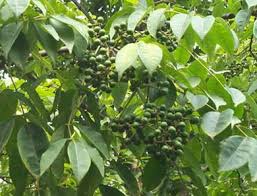
In the verdant tapestry of Earth’s flora, one can find a treasure trove of botanical wonders that have been cherished for centuries for their medicinal and cultural significance. Among these botanical gems, Huang Bai, scientifically known as Phellodendron amurense, stands out as a remarkable example, weaving together its historical importance, distinctive appearance, and multifaceted uses. This article delves into the world of Huang Bai, exploring its origins, appearance, uses, and impact on traditional medicine.
Huang Bai is a deciduous tree belonging to the Rutaceae family, hailing from the temperate regions of East Asia, particularly China, Korea, Japan, and Russia. The name “Huang Bai” translates to “yellow fir” or “yellow cypress” in English, referring to its distinctive yellow bark. It is revered not only for its remarkable appearance but also for its extensive use in traditional medicine systems across various cultures.
One of the defining characteristics of Huang Bai is its distinctive bark. The outer layer of the bark exhibits a vivid yellow hue, which is the source of its common name. The inner bark, on the other hand, boasts a rich golden color. This vibrant contrast contributes to its visual allure, making it a captivating sight against the backdrop of a forested landscape.
The tree itself can grow to impressive heights, often reaching up to 20 meters or more. Its branches are adorned with pinnate leaves that feature numerous leaflets. During the flowering season, clusters of small, inconspicuous flowers grace the branches, followed by the development of small fruit containing seeds. However, it’s the bark that remains the focal point of Huang Bai’s appeal, drawing the attention of botanists, herbalists, and curious onlookers alike.
Huang Bai holds a storied history in traditional medicine systems, particularly in Chinese and Korean herbal practices. The bark of the tree is the most commonly utilized part, prized for its potent medicinal properties. It is traditionally known for its bitter taste, a characteristic that often denotes the presence of active compounds with therapeutic potential.
In Traditional Chinese Medicine (TCM), Huang Bai is classified as a “cold” herb, indicating its use in addressing “heat” imbalances in the body. It is often used to support the health of the urinary system and has historically been employed to address issues related to dampness, heat, and inflammation. It is believed to have properties that can clear heat, dry dampness, and eliminate toxins from the body. Its traditional uses extend to conditions such as urinary tract infections, diarrhea, jaundice, and skin disorders.
Modern scientific exploration has unveiled the rich array of bioactive compounds present in Huang Bai, shedding light on the mechanisms underlying its traditional uses. Isoquinoline alkaloids, flavonoids, and lignans are some of the key components identified in the bark, contributing to its therapeutic potential. Berberine, a well-studied isoquinoline alkaloid found in Huang Bai, has shown antimicrobial, anti-inflammatory, and antidiabetic properties in various studies. This compound, along with others, has garnered attention for its potential to support overall health and wellness.
Beyond its medicinal uses, Huang Bai also holds cultural significance in the regions where it is found. It has been integrated into various aspects of life, from traditional ceremonies to artistic endeavors. Its vibrant bark color has led to its inclusion in cultural rituals, symbolizing vitality, prosperity, and renewal. Artists have drawn inspiration from its striking appearance, incorporating its imagery into paintings, pottery, and other forms of creative expression.
As with many valuable botanical resources, the increased demand for Huang Bai has raised concerns about sustainability. Overharvesting and habitat loss have led to a decline in natural populations. Efforts are being made to promote sustainable harvesting practices, cultivation, and habitat preservation to ensure the continued availability of this valuable resource for generations to come.
Huang Bai stands as a testament to the interconnectedness of nature, culture, and medicine. Its vibrant yellow bark and rich history have woven it into the tapestry of East Asian traditions and practices. From its role in traditional medicine to its visual allure, Huang Bai continues to captivate the world with its unique characteristics. As modern research uncovers the secrets hidden within its bark, the legacy of Huang Bai evolves, ensuring its place as a bridge between ancient wisdom and contemporary understanding.
Nutritional Value of Huang Bai (Phellodendron Amurense)
1. Berberine: This isoquinoline alkaloid is a primary constituent of Huang Bai, known for its antimicrobial, anti-inflammatory, and blood sugar-lowering effects, supporting its use in managing infections and metabolic disorders.
2. Palmatine: Another alkaloid, palmatine exhibits antibacterial and antiviral properties, contributing to Huang Bai’s effectiveness against infections like dysentery and urinary tract issues.
3. Jatrorrhizine: This alkaloid supports cardiovascular health by potentially reducing blood pressure and cholesterol levels, enhancing Huang Bai’s role in heart health.
4. Phellodendrine: This compound has shown immune-modulating and anti-inflammatory effects, making it useful for conditions involving excessive inflammation, such as arthritis.
5. Flavonoids (Quercetin): Quercetin, a flavonoid, provides antioxidant benefits, protecting cells from oxidative stress and potentially reducing the risk of coronary heart disease.
6. Limonoids (Limonin, Obakunone): These compounds contribute to anti-inflammatory and neuroprotective effects, supporting brain health and reducing inflammation in conditions like atopic dermatitis.
7. Phenolic Compounds: Phenolic acids, such as chlorogenic acid, offer antioxidant and anti-inflammatory properties, aiding in the prevention of chronic diseases like cancer and liver damage.
8. Saponins: Saponins in Huang Bai may support cholesterol reduction and immune health, contributing to cardiovascular wellness.
9. Glycosides: These compounds enhance the plant’s antimicrobial activity, supporting its traditional use for treating infections and skin conditions.
10. Campesterol: A phytosterol, campesterol may help lower cholesterol levels and support cardiovascular health, aligning with Huang Bai’s traditional applications.
The Medicinal Health Benefits of Huang Bai (Phellodendron Amurense)
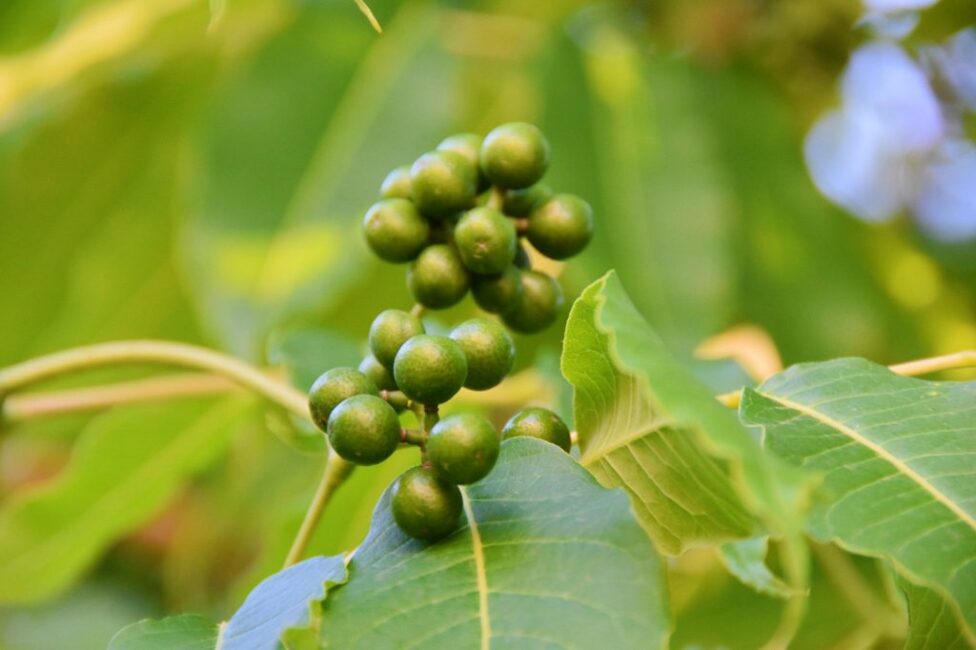
Huang Bai, has been a cornerstone of traditional medicine in East Asia for centuries. Its bark contains a rich array of bioactive compounds that contribute to its various medicinal properties.
Here are some significant health benefits associated with Huang Bai:
1. Anti-Inflammatory Properties: Huang Bai contains berberine, an alkaloid with potent anti-inflammatory effects. Berberine has been shown to inhibit pro-inflammatory signaling pathways and reduce the production of inflammatory cytokines. This makes Huang Bai a valuable herbal remedy for addressing chronic inflammatory conditions, such as arthritis, and inflammatory bowel diseases.
2. Antibacterial and Antimicrobial Activity: Berberine in Huang Bai exhibits broad-spectrum antibacterial and antimicrobial properties. It can help combat bacterial infections, including those caused by drug-resistant strains. It has been used to address infections of the urinary tract, gastrointestinal system, and skin.
3. Antioxidant Protection: The flavonoids and other compounds in Huang Bai act as antioxidants, helping to neutralize harmful free radicals and reduce oxidative stress in the body. This antioxidant activity contributes to its potential for preventing chronic diseases, supporting overall health, and slowing down the aging process.
4. Support for Gastrointestinal Health: Huang Bai has been traditionally used to address gastrointestinal issues such as diarrhea and infections. Its antimicrobial properties can help control harmful bacteria while promoting a balanced gut microbiome, aiding digestion, and alleviating discomfort.
5. Urinary Tract Health: In Traditional Chinese Medicine, Huang Bai is often used to support urinary tract health. Its diuretic properties can help alleviate symptoms of urinary tract infections and promote the elimination of excess fluids from the body.
6. Blood Sugar Regulation: Research suggests that berberine, a major compound in Huang Bai, can help regulate blood sugar levels by improving insulin sensitivity and reducing glucose production in the liver. This makes it potentially beneficial for managing type 2 diabetes and the metabolic syndrome.
7. Liver Protection: Huang Bai’s hepatoprotective properties make it useful for maintaining liver health. It has been shown to reduce liver inflammation, protect liver cells from damage, and support the liver’s detoxification functions.
8. Cardiovascular Support: Berberine in Huang Bai has been studied for its potential to lower cholesterol levels and improve lipid metabolism. This can contribute to a healthier cardiovascular system by reducing the risk of heart disease and improving overall heart function.
9. Anti-Cancer Potential: Some studies suggest that Huang Bai’s bioactive compounds may have anti-cancer effects. Berberine, for example, has shown potential for inhibiting the growth and spread of cancer cells. While more research is needed, these findings hint at Huang Bai’s potential role in cancer prevention and adjunctive treatment.
10. Anti-Allergic Effects: Huang Bai has been used in traditional medicine to address allergies and allergic reactions. Its anti-inflammatory and immune-modulating properties may help alleviate symptoms associated with allergic conditions, such as asthma and skin allergies.
Read Also: 10 Medicinal Health Benefits of Bauhinia petersiana (Camel’s Foot)
The Methods of Usage to Achieve the Provided Health Benefits of Huang Bai (Phellodendron Amurense)
1. Anti-Inflammatory Properties: To harness Huang Bai’s anti-inflammatory effects, it can be consumed as an herbal infusion. Prepare a decoction by simmering Huang Bai bark in water for around 20–30 minutes. Drink the decoction daily. Alternatively, Huang Bai supplements, available in capsule or tablet form, can provide standardized doses of berberine for consistent anti-inflammatory benefits.
2. Antibacterial and Antimicrobial Activity: To utilize Huang Bai’s antibacterial properties, make a tea by steeping the bark in hot water for 10–15 minutes. Drink this tea several times a day. For topical use, a tincture made from Huang Bai can be diluted and applied to minor cuts, wounds, or skin infections to help prevent bacterial growth.
3. Antioxidant Protection: Regular consumption of Huang Bai tea or extracts can provide a steady intake of antioxidants. Incorporate it into your daily routine to help counteract oxidative stress and protect cells from damage caused by free radicals.
4. Support for Gastrointestinal Health: Prepare a soothing Huang Bai tea by steeping the bark in hot water for 10-15 minutes. Drink this tea after meals to aid digestion and support gastrointestinal health. For acute issues like diarrhea, consult a healthcare professional for the appropriate dosage and duration.
5. Urinary Tract Health: To support urinary tract health, consume Huang Bai tea or supplements regularly. The diuretic properties can help flush out toxins and bacteria from the urinary system. However, avoid excessive consumption, especially if you’re prone to dehydration.
6. Blood Sugar Regulation: If using Huang Bai for blood sugar control, consult with a healthcare professional to determine the appropriate dosage. Typically, standardized berberine supplements derived from Huang Bai can be taken before or with meals. Follow the recommended dosage instructions on the product label.
7. Liver Protection: Incorporate Huang Bai into your routine through regular consumption of tea or extracts. This can contribute to overall liver health. For specific liver conditions or detoxification support, consult a healthcare practitioner for personalized guidance.
8. Cardiovascular Support: Consider adding Huang Bai supplements to your daily regimen for cardiovascular benefits. Ensure you follow recommended dosages and consult a healthcare provider, especially if you’re taking medications for heart-related conditions.
9. Anti-Cancer Potential: While the anti-cancer effects of Huang Bai are still being researched, incorporating it into your wellness routine can be beneficial. Consider discussing its use with a healthcare professional, especially if you’re undergoing cancer treatment or have a history of cancer.
10. Anti-Allergic Effects: For allergic reactions or respiratory issues, consult with a healthcare provider before using Huang Bai. Traditional methods involve consuming Huang Bai tea, but individual responses can vary. It’s essential to work with a professional to determine the right approach.
Remember that the quality of the Huang Bai product matters. Choose reputable sources to ensure you’re getting a safe and effective product. Furthermore, before incorporating any herbal remedy, including Huang Bai, into your healthcare routine, it’s advisable to consult with a healthcare provider, particularly if you have pre-existing health conditions or are taking medications. Herbal remedies can interact with medications and have varying effects on different individuals. Consulting a healthcare professional ensures that you’re using Huang Bai safely and effectively to achieve the desired health benefits.
Scientific Evidence and Case Studies on Huang Bai (Phellodendron Amurense)
1. Anti-Inflammatory Effects (Choi et al., 2014): A study by Choi, Y. Y. demonstrated that Huang Bai extracts reduced nitric oxide and iNOS expression in vivo and in vitro by suppressing NF-κB and MAPK pathways. This supports its use in managing inflammatory conditions like arthritis and skin disorders.
2. Antimicrobial Activity (Wang et al., 2009): Research by Wang, W. found that Phellodendron amurense bark exhibited antioxidant, antimicrobial, and anti-herpes simplex virus type 1 activity in vitro, attributed to alkaloids like berberine, supporting its traditional use for infections such as dysentery and urinary tract infections.
3. Neuroprotective Potential (Xian et al., 2013): Xian, Y. F. showed that Huang Bai protected PC12 cells against beta-amyloid-induced neurotoxicity, suggesting potential benefits in preventing Alzheimer’s disease by reducing oxidative stress and neuronal damage.
4. Anti-Tumor Effects (James et al., 2011): A study by James, M. A. found that dietary administration of Phellodendron amurense extract or berberine inhibited lung tumor growth in mice by inducing G1 cell cycle arrest, indicating potential anti-cancer properties.
5. Anti-Diabetic Foot Ulcer Effects (Liu et al., 2020): Liu, Y. conducted multicenter clinical trials showing that topical Phellodendron compound fluid improved healing rates in diabetic foot ulcers, likely due to its antimicrobial and anti-inflammatory properties.
Read Also: Cucumber Roots: Economic Importance, Uses and By-Products
The Side Effects of Using Huang Bai Medicinal Plant
While Huang Bai (Phellodendron amurense) has a long history of traditional use and potential health benefits, it’s important to be aware of potential side effects and interactions that can occur when using this medicinal plant. Here are some of the possible side effects and considerations:
1. Gastrointestinal Upset: In some cases, the use of Huang Bai can lead to gastrointestinal discomfort, including nausea, vomiting, and diarrhea. This is more likely to occur when using high doses or if you’re sensitive to its compounds.
2. Allergic Reactions: Individuals with allergies to plants in the Rutaceae family (which includes citrus fruits) may also be sensitive to Huang Bai. Allergic reactions can manifest as skin rashes, itching, or respiratory symptoms like sneezing and congestion.
3. Interactions with Medications: Huang Bai contains berberine, which can interact with certain medications. It may enhance the effects of medications that lower blood sugar levels or affect the cardiovascular system. This includes antidiabetic drugs, antihypertensive medications, and blood thinners. Always consult your healthcare provider before using Huang Bai if you’re taking any medications.
4. Pregnancy and Breastfeeding: The safety of Huang Bai during pregnancy and breastfeeding is not well established. It’s advisable to avoid using it during these periods unless recommended by a qualified healthcare professional.
5. Hormonal Effects: Huang Bai may have hormonal effects, including potential effects on estrogen levels. If you have hormone-sensitive conditions, such as hormone-related cancers or endometriosis, consult with a healthcare provider before using Huang Bai.
6. Liver and Kidney Function: Individuals with liver or kidney conditions should exercise caution when using Huang Bai. Berberine, a major compound in Huang Bai, can affect liver enzymes and kidney function. Consult a healthcare professional before use.
7. Drug Interactions: Huang Bai can interact with various medications, including antibiotics, antifungal drugs, and drugs that affect the liver. It’s essential to discuss any potential interactions with your healthcare provider before using Huang Bai alongside other medications.
8. Digestive Disorders: People with certain digestive disorders, such as irritable bowel syndrome (IBS) or inflammatory bowel disease (IBD), may experience exacerbated symptoms when using Huang Bai. Consult a healthcare provider if you have these conditions.
9. Dosage and Duration: Like any herbal remedy, the dosage and duration of use are crucial factors. Taking excessively high doses or using Huang Bai for extended periods may increase the risk of side effects. Follow recommended dosages provided by healthcare professionals or reputable sources.
10. Quality and Sourcing: Ensure that you’re using high-quality Huang Bai products from reputable sources. Poor-quality products may not provide the expected benefits and could increase the risk of adverse reactions.
To mitigate potential side effects and ensure safe usage, it’s highly recommended to consult with a qualified healthcare professional before incorporating Huang Bai or any herbal remedy into your healthcare regimen, especially if you have pre-existing health conditions, are taking medications, or are pregnant or breastfeeding. A healthcare provider can help assess your individual health status, provide personalized guidance, and ensure that your use of Huang Bai is appropriate and safe for your specific circumstances.
Frequently Asked Questions About Huang Bai (Phellodendron Amurense)
1. What is Huang Bai used for in Traditional Chinese Medicine?
Huang Bai is used to clear heat, dry dampness, and relieve toxicity, commonly addressing conditions like dysentery, urinary tract infections, jaundice, and skin inflammations such as eczema and boils.
2. Is Huang Bai safe to use?
Huang Bai is possibly safe when used short-term in combination with other herbs, but its berberine content can cause gastrointestinal upset or toxicity if overdosed. It’s not recommended during pregnancy or breastfeeding. Consult a healthcare provider before use.
3. Can Huang Bai help with diabetes?
Some studies suggest that berberine in Huang Bai may lower blood sugar levels, supporting its potential use in diabetes management. However, clinical evidence is limited, and it should not replace standard treatments without medical advice.
4. How is Huang Bai typically administered?
Huang Bai is used as a dried bark decoction (3–10 grams), tincture, topical ointment, or in combination formulas. The method depends on the condition being treated, such as oral intake for infections or topical use for skin issues.
5. Are there any side effects of Huang Bai?
Possible side effects include nausea, vomiting, diarrhea, or allergic reactions, particularly in those sensitive to the Rutaceae family. Berberine may interact with medications like metformin or cyclosporin.
6. Can Huang Bai treat skin conditions like psoriasis or acne?
Preliminary studies and traditional use suggest Huang Bai’s antimicrobial and anti-inflammatory properties may help with psoriasis and acne when applied topically, but robust clinical trials are lacking.
7. Does Huang Bai have anti-cancer properties?
Research indicates that Huang Bai extracts, particularly berberine, may inhibit tumor growth, such as in lung cancer, by inducing cell cycle arrest. However, these findings are primarily from animal studies, and human evidence is needed.
8. How does Huang Bai support brain health?
Huang Bai’s neuroprotective effects, shown in studies, may help protect against Alzheimer’s disease by reducing beta-amyloid toxicity and supporting cognitive function through its antioxidant properties.
Do you have any questions, suggestions, or contributions? If so, please feel free to use the comment box below to share your thoughts. We also encourage you to kindly share this information with others who might benefit from it. Since we can’t reach everyone at once, we truly appreciate your help in spreading the word. Thank you very much for your support and for sharing!
Disclaimer: This article is for educational and informational purposes only. The health benefits described are based on scientific research and traditional knowledge. They are not a substitute for professional medical advice, diagnosis, or treatment. Always consult a healthcare professional before using any herb or natural remedy for medical purposes.
Read Also: Adaptive Means of Animals Coping with the Environment