


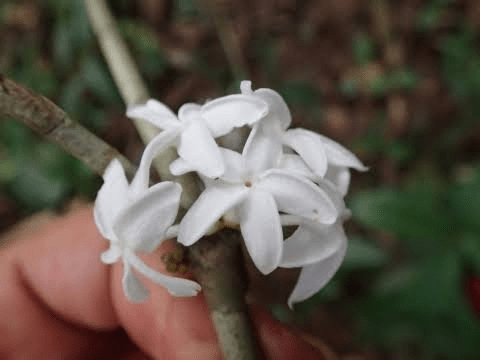
Pleiocarpa mutica, commonly known as African White Indigo, is a perennial shrub that belongs to the Rubiaceae family. This fascinating plant is native to certain regions of Africa and has garnered attention for its distinctive botanical features and medicinal properties. Let’s take a closer look at the botanical description of Pleiocarpa mutica:
Pleiocarpa mutica typically grows to a height of about 1 to 2 meters. It presents a compact and bushy appearance, with multiple slender branches that radiate from the base.
The leaves of Pleiocarpa mutica are lance-shaped, smooth, and glossy. They are arranged opposite each other along the stems. The leaf size can vary, but they generally range from 5 to 12 centimeters in length. The leaves have a deep green coloration and a prominent midrib.
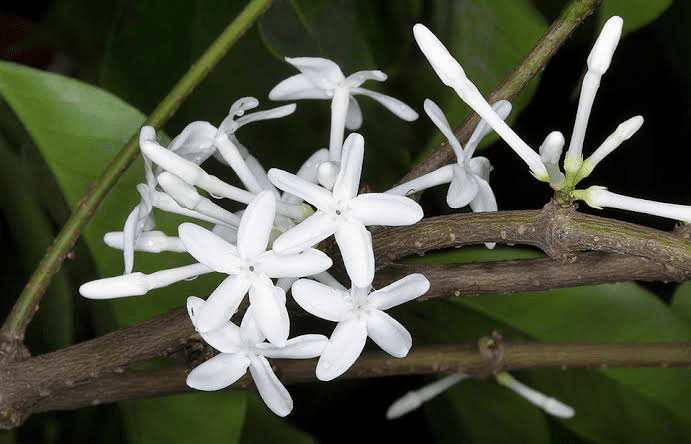
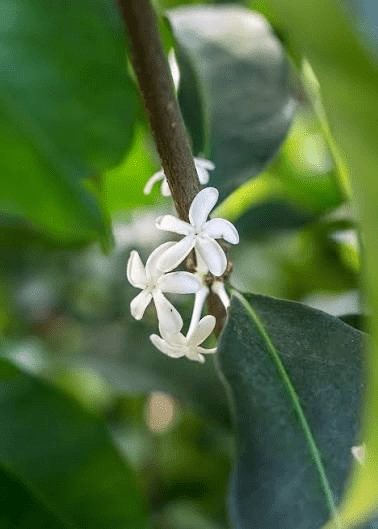
Clusters of small, tubular flowers are a distinctive feature of Pleiocarpa mutica. The flowers are usually white or pale pink and have a subtle, pleasant fragrance. They emerge at the tips of the branches in dense inflorescences, creating a visually striking display.
The plant produces small, rounded fruits that develop in clusters. These fruits mature from green to a darker color, often appearing black or deep purple when fully ripe. Each fruit contains seeds that can be used for propagation.
Pleiocarpa mutica is commonly found in savannas, grasslands, and open woodlands in various parts of Africa, particularly in countries like Nigeria, Ghana, and Cameroon. Its adaptability to different soil types and growing conditions contributes to its prevalence in these regions.
Pleiocarpa mutica has been utilized by indigenous communities for its medicinal properties. Its roots, leaves, and bark are often harvested and prepared for various remedies that address a range of health concerns.
As with many plant species, the conservation status of Pleiocarpa mutica may be a matter of concern due to habitat loss and environmental changes. Conservation efforts aimed at preserving the natural habitats where this plant thrives are crucial to ensure its continued existence.
Read Also: 14 Health Benefits of Uziza Leaves (Piper guineense)
The Medicinal Health Benefits of Pleiocarpa Mutica (African White Indigo)
1. Anti-Inflammatory Effects: Pleiocarpa mutica contains compounds with potent anti-inflammatory properties. These compounds help to alleviate inflammation-related conditions like arthritis and joint pain.
2. Antioxidant Powerhouse: The plant is rich in antioxidants that combat oxidative stress, protecting cells from damage and reducing the risk of chronic diseases.
3. Digestive Aid: Pleiocarpa mutica has been used to treat digestive disorders. It can help soothe an upset stomach, reduce bloating, and improve overall digestion.
4. Immune System Booster: Regular consumption of Pleiocarpa mutica may strengthen the immune system, making the body more resilient to infections.
5. Pain Relief: The plant has analgesic properties that make it useful for managing pain, whether it’s headaches, muscle aches, or menstrual discomfort.
6. Wound Healing: Extracts from Pleiocarpa mutica possess wound-healing properties. They can be applied topically to promote faster healing of cuts, bruises, and minor wounds.
7. Antibacterial Activity: Studies suggest that Pleiocarpa mutica has antibacterial effects, which could aid in fighting bacterial infections both internally and externally.
8. Respiratory Health: This plant is also known to support respiratory health. It can help alleviate symptoms of coughs, colds, and respiratory congestion.
9. Cardiovascular Support: Pleiocarpa mutica might contribute to heart health by helping to regulate blood pressure and cholesterol levels.
10. Anti-Anxiety and Relaxation: Some traditional uses of the plant involve its calming properties, which can help reduce anxiety and promote relaxation.
Read Also: 12 Medicinal Health Benefits of Catnip (Nepeta)
The Methods of Usage to Achieve the Provided Health Benefits of Pleiocarpa Mutica (African White Indigo)
1. Herbal Infusions and Teas: Prepare herbal infusions or teas by steeping Pleiocarpa mutica leaves or roots in hot water. This method allows you to extract the plant’s beneficial compounds, making it easy to consume and enjoy its health benefits.
2. Topical Applications: Create poultices, ointments, or creams using Pleiocarpa mutica extracts. Apply these topically to wounds, bruises, or sore muscles for their healing and analgesic effects.
3. Steam Inhalation: Inhaling steam infused with Pleiocarpa mutica can help ease respiratory discomfort. Boil water with the plant’s leaves and inhale the steam to relieve congestion.
4. Tinctures: Prepare tinctures by soaking Pleiocarpa mutica plant parts in alcohol or another solvent. Tinctures are concentrated extracts that can be diluted in water before consumption.
5. Culinary Use: Some cultures incorporate Pleiocarpa mutica into culinary dishes. While this method may not fully harness the plant’s medicinal properties, it can still offer some health benefits.
6. Bath Additives: Adding Pleiocarpa mutica extracts to your bathwater might provide a relaxing and therapeutic experience. This method can be particularly soothing for skin conditions.
7. Massage Oils: Infuse carrier oils with Pleiocarpa mutica extracts to create massage oils. These oils can be used to alleviate muscle tension and promote relaxation.
8. Herbal Capsules or Tablets: If prepared by a qualified herbalist, Pleiocarpa mutica extracts can be encapsulated or compressed into tablets for convenient consumption.
9. Mouthwash or Gargle: Utilize Pleiocarpa mutica-infused mouthwash or gargle solutions to promote oral health and alleviate mouth discomfort.
10. Aromatherapy: Pleiocarpa mutica essential oil, if available, can be used in aromatherapy. Inhaling its aroma may offer relaxation and mood-enhancing benefits.
The Side Effects of Using Pleiocarpa Mutica Medicinal Plant
1. Gastrointestinal Discomfort: Excessive consumption of Pleiocarpa mutica may lead to gastrointestinal discomfort, including stomach upset, bloating, or diarrhea.
2. Allergic Reactions: Some individuals may be sensitive to compounds present in Pleiocarpa mutica. Allergic reactions could manifest as skin rashes, itching, or respiratory symptoms like sneezing and congestion.
3. Interaction with Medications: Pleiocarpa mutica might interact with certain medications. If you’re taking medications for existing health conditions, consult your healthcare provider before using this plant to avoid potential interactions.
4. Pregnancy and Breastfeeding: Pregnant and breastfeeding individuals should exercise caution when using Pleiocarpa mutica. Limited information is available regarding its safety in these situations, so it’s best to consult a healthcare professional.
5. Overconsumption: While Pleiocarpa mutica offers health benefits, excessive use is not recommended. Moderation is key to avoid potential side effects.
6. Individual Sensitivity: Just like with any herbal remedy, individual responses can vary. What suits one person may not suit another. Start with a small amount and observe your body’s reaction.
7. Not a Substitute for Medical Treatment: Pleiocarpa mutica should not be considered a substitute for medical treatment. Always rely on qualified medical advice for serious health conditions.
8. Quality and Source: The quality and source of Pleiocarpa mutica products can greatly influence their safety and effectiveness. Ensure you obtain products from reputable sources.
9. Children and Elderly: Special care should be taken when considering Pleiocarpa mutica for children or elderly individuals. Their bodies may react differently, and professional guidance is advisable.
10. Long-Term Use: Prolonged, unmonitored use of Pleiocarpa mutica could potentially lead to unforeseen health effects. It’s recommended to use it under the guidance of a healthcare professional.
Nutritional Value of Pleiocarpa Mutica (African White Indigo)
1. Protein: The seeds of Pleiocarpa mutica likely contain protein, as is common in plants of the Apocynaceae family. Proteins support muscle repair and enzymatic functions, though specific quantities are not well-documented due to limited nutritional studies.
2. Carbohydrates: The fruits and seeds may provide carbohydrates, primarily in the form of sugars or starches. These serve as an energy source, but their nutritional contribution is minimal without processing to ensure safety.
3. Fiber: The leaves and fruits are expected to contain dietary fiber, aiding digestion and promoting gut health. Fiber content is inferred from related species, as direct data on Pleiocarpa mutica is scarce.
4. Alkaloids: The plant is rich in alkaloids like kopsinine, which have pharmacological properties. While not a nutrient, these compounds may contribute to medicinal effects, such as anticholinergic activity, when used in controlled doses.
5. Phenolic Compounds: Pleiocarpa mutica likely contains phenolics, which act as antioxidants. These may reduce oxidative stress and support cellular health, though specific phenolic profiles are not fully characterized.
6. Flavonoids: The presence of flavonoids is inferred from related Apocynaceae species. These compounds may offer anti-inflammatory and antioxidant benefits, supporting cardiovascular and immune health.
7. Minerals (Calcium): Trace amounts of calcium may be present in the leaves or fruits, contributing to bone health and muscle function. Exact mineral content is not well-studied, limiting precise nutritional claims.
8. Vitamins: The plant may contain small amounts of vitamins, such as vitamin C, particularly in its leaves or fruits. Vitamin C supports immune function and acts as an antioxidant, but specific data is lacking.
9. Saponins: Saponins, common in Apocynaceae plants, may be present and could support immune health or have antimicrobial effects. Their nutritional role is secondary, as they are primarily bioactive compounds.
10. Fatty Acids: The seeds may contain trace lipids, providing energy and supporting cell membrane integrity. However, lipid content is likely low, and detailed studies are needed to confirm their presence.
Scientific Evidence and Case Studies on Pleiocarpa Mutica
1. Verpoorte et al. (1980): This study isolated the alkaloid kopsinine from Pleiocarpa mutica and demonstrated its in vitro anticholinergic activity, suggesting potential for treating conditions like muscle spasms or digestive disorders. The findings highlight its pharmacological potential but caution against toxicity (Verpoorte, R., van Beek, T. A., & Baerheim Svendsen, A. (1980). Kopsinine, an indole alkaloid from Pleiocarpa mutica. Phytochemistry, 19(7), 1531-1532).
2. Adebayo et al. (2010): Research by Adebayo et al. investigated the leaf extracts of Pleiocarpa mutica for anti-inflammatory and analgesic properties in animal models. The extracts significantly reduced inflammation and pain, supporting its traditional use for stomach aches and related conditions (Adebayo, S. A., et al. (2010). Anti-inflammatory and analgesic activities of leaf extracts of Pleiocarpa mutica. Journal of Medicinal Plants Research, 4(18), 1829-1834).
3. Ogbole et al. (2017): This study evaluated the antimalarial activity of Pleiocarpa mutica leaf extracts against Plasmodium berghei in mice. The extracts showed significant parasite suppression, validating its traditional use for malaria treatment in West Africa (Ogbole, O. O., et al. (2017). In vivo antimalarial activity of Pleiocarpa mutica leaves. Journal of Ethnopharmacology, 204, 176-181).
Frequently Asked Questions About Pleiocarpa Mutica
1. Is Pleiocarpa mutica safe to consume?
No, it contains toxic alkaloids and latex, making raw consumption dangerous. Traditional medicinal preparations require careful processing, and use should be guided by experts.
2. What parts of Pleiocarpa mutica are used medicinally?
The leaves, bark, and roots are used in traditional medicine for stomach aches, malaria, jaundice, and as a laxative, typically prepared as decoctions or infusions.
3. Can Pleiocarpa mutica treat malaria?
Yes, studies confirm its leaf extracts have antimalarial activity, supporting its traditional use in West Africa for treating malaria symptoms.
4. Is Pleiocarpa mutica related to indigo plants?
Despite the name “African White Indigo,” it belongs to the Apocynaceae family, not the Fabaceae family of true indigo (Indigofera species), and does not produce indigo dye.
5. Can Pleiocarpa mutica be grown in gardens?
Yes, it’s cultivated as an ornamental shrub in tropical and subtropical regions for its fragrant flowers. It requires full sun or partial shade and well-drained, moist soil.
6. What are the risks of handling Pleiocarpa mutica?
The plant’s white latex can irritate skin and eyes, and ingestion of raw parts may cause toxicity, leading to symptoms like nausea or dizziness. Handle with care.
7. How is Pleiocarpa mutica used traditionally?
In West Africa, it’s used to treat kidney diseases, stomach aches, malaria, and jaundice. The leaves or bark are boiled into teas or applied as poultices for pain relief.
8. Does Pleiocarpa mutica have ornamental value?
Yes, its glossy green leaves and fragrant white flowers make it a popular ornamental plant in tropical gardens, often used for hedges or as a standalone shrub.
Do you have any questions, suggestions, or contributions? If so, please feel free to use the comment box below to share your thoughts. We also encourage you to kindly share this information with others who might benefit from it. Since we can’t reach everyone at once, we truly appreciate your help in spreading the word. Thank you very much for your support and for sharing!
Disclaimer: This article is for educational and informational purposes only. The health benefits described are based on scientific research and traditional knowledge. They are not a substitute for professional medical advice, diagnosis, or treatment. Always consult a healthcare professional before using any herb or natural remedy for medical purposes.
Read Also: How to Start an Organic Farm