


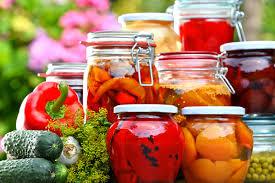
Food preservation is a critical practice that ensures food remains safe, edible, and nutritious for extended periods. By controlling microbial growth and other spoilage factors, preservation techniques maintain food quality and safety, addressing the threat posed by microbes that cause bad taste, unpleasant smells, and dangerous toxins.
This article explores the science of food preservation, its methods, and their impact on food safety and quality. From ancient techniques like drying to modern innovations like high-pressure processing, these methods help reduce waste, enhance food security, and preserve nutritional value.
What is Food Preservation?
Food preservation involves treating and handling food to prevent or slow spoilage, maintaining its quality, edibility, and nutritional value. It focuses on inhibiting microbial growth, such as bacteria, yeasts, and fungi, and preventing fat oxidation, which causes rancidity.
Preservation also minimizes visual deterioration, like enzymatic browning in cut apples. Preservation methods often combine techniques to achieve optimal results. For instance, making jam involves boiling to reduce moisture, sugaring to prevent microbial regrowth, and sealing to avoid contamination.
These processes not only extend shelf life but also aim to retain flavor, texture, and nutritional content. Historically, some preservation methods altered food significantly, creating desirable qualities. Foods like cheese, yogurt, and pickled onions exemplify how preservation can enhance flavor, making these changes a valued part of culinary traditions.
A. Importance of Food Preservation
1. Safety: Preservation prevents harmful microbial growth, reducing the risk of foodborne illnesses caused by toxins.
2. Extended Storage: It allows food to be stored longer, reducing waste and ensuring availability during scarcity.
3. Nutritional Retention: Many methods maintain or enhance nutritional value, ensuring food remains beneficial for consumption.
4. Flavor and Texture: Preservation can improve sensory qualities, making foods like cheeses and pickled products more appealing.
Read Also : Methods of Fish Hormone Administration
Traditional Food Preservation Methods
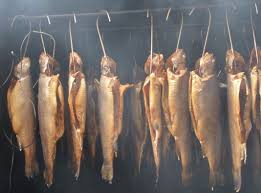
Traditional preservation methods have been used for centuries, relying on simple, low-energy techniques to extend food shelf life. These methods, such as drying, salting, and smoking, remain effective and are valued for their minimal environmental impact and ability to preserve food naturally.
A. Drying
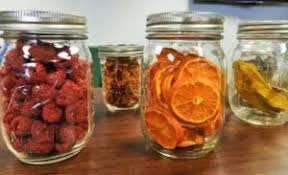
Drying, one of the oldest preservation techniques, reduces water activity to inhibit bacterial growth. By removing moisture, foods like fruits, vegetables, and meats become less hospitable to microbes.
This method is energy-efficient and widely used for preserving foods like herbs, fruits, and jerky. It ensures long-term storage without compromising basic nutritional content. Drying can be done naturally under the sun or using modern dehydrators, making it versatile for both traditional and commercial applications.
B. Salting
Salting, or curing, removes moisture from meat through osmosis, preventing microbial growth. Salt, sugar, or nitrates are used to cure meats, giving them a distinctive flavor and pink color.
This method inhibits dangerous bacteria like Clostridium botulinum, ensuring food safety. Cured meats like bacon and ham are popular examples of salting’s effectiveness. Salting is often combined with other methods, such as smoking, to enhance preservation and flavor, making it a cornerstone of traditional food storage.
C. Sugaring
Sugaring preserves fruits by creating a high-sugar environment that inhibits microbial growth. Fruits are preserved in syrup or crystallized through cooking in sugar.
Examples include candied citrus peels and glacé cherries, where sugar maintains preservation even after extraction from syrup.
Sugaring is often paired with alcohol for luxury products. This method enhances sweetness and texture, making preserved fruits a popular ingredient in desserts and confections worldwide.
D. Smoking
Smoking extends the shelf life of perishable foods like meats and fish by exposing them to smoke from burning wood. This process adds flavor while inhibiting microbial growth.
Fruits, vegetables, and spices like paprika are also smoked, primarily for flavor. Smoking is one of the oldest preservation methods, likely developed after cooking with fire.
The combination of curing and smoking ensures robust preservation, making it ideal for long-term storage of protein-rich foods.
Read Also: Feed Lot Fattening of Rams Practice
Modern Food Preservation Techniques
Modern preservation methods leverage technology to enhance food safety and quality. Techniques like refrigeration, freezing, and irradiation provide efficient, scalable solutions for preserving a wide range of foods, meeting the demands of global food systems.
A. Refrigeration
Refrigeration slows microbial growth and enzyme activity, preserving fresh foods like fruits, salads, and dairy. It significantly improves diets by allowing safe storage during warm weather. Domestic and commercial refrigerators have transformed food storage, making perishable items accessible year-round.
This method maintains food’s natural texture and flavor effectively. Refrigeration is widely used due to its simplicity and ability to preserve food without altering its fundamental characteristics significantly.
B. Freezing
Freezing is a common preservation method for both raw and prepared foods, slowing microbial and enzymatic activity to near standstill. It preserves a wide range of foods, from vegetables to ready meals.
Unlike root vegetables, which store well in cool, dark places, prepared foods like potato waffles require freezing to maintain quality. Cold stores support large-scale strategic food reserves. Freezing retains nutritional value and flavor, making it a preferred choice for both home and industrial food preservation.
C. Vacuum-Packing
Vacuum-packing removes oxygen from food packaging, slowing bacterial growth and oxidation. It is commonly used for nuts to preserve flavor and prevent rancidity. This method extends shelf life by creating an airtight environment, typically using bags or bottles.
It is effective for both perishable and non-perishable foods. Vacuum-packing is valued for its ability to maintain food quality without the need for chemical preservatives, appealing to health-conscious consumers.
D. Canning and Bottling
Canning involves cooking food, sealing it in sterile containers, and boiling to eliminate bacteria. High-acid foods like strawberries require minimal processing, while low-acid foods need pressure canning.
Improper canning can lead to contamination by pathogens like Clostridium botulinum, producing dangerous toxins. Proper techniques ensure safety and long-term storage. This method is widely used for fruits, vegetables, and meats, providing shelf-stable products that remain edible for years.
Advanced Preservation Technologies
Advanced preservation techniques use cutting-edge science to enhance food safety and quality. Methods like irradiation, pulsed electric field processing, and high-pressure preservation offer innovative solutions for modern food challenges.
A. Irradiation
Irradiation uses ionizing radiation to kill bacteria, molds, and pests, extending shelf life and reducing spoilage. It is often called “cold pasteurization” as it does not heat the food. This method is effective for spices, condiments, and fresh fruits, particularly for quarantine purposes.
About 500,000 tons of food are irradiated annually worldwide. While safe and endorsed by organizations like WHO, irradiation remains controversial due to consumer concerns about its impact on food quality.
B. Pulsed Electric Field Processing
Pulsed electric field (PEF) processing uses strong electric pulses to kill cells by enlarging their membrane pores. It serves as a low-temperature alternative to pasteurization. PEF is primarily used for fruit juices and is still under research for broader applications.
It preserves flavor and nutrients better than traditional heat-based methods. This technology shows promise for industrial use but is limited by its current developmental stage and high equipment costs.
C. High-Pressure Food Preservation
High-pressure preservation processes food at pressures up to 70,000 pounds per square inch, disabling harmful microbes while retaining freshness, flavor, and nutrients.
Used for products like orange juice and deli meats, this method is gaining popularity for its ability to produce minimally processed, high-quality foods. By 2005, high-pressure processing was widely adopted, offering a balance of safety and sensory quality for premium food products.
Bio-Preservation and Hurdle Technology
Bio-preservation and hurdle technology represent sustainable approaches to food preservation. By leveraging natural microorganisms or combining multiple preservation methods, these techniques ensure safety while maintaining quality and reducing environmental impact.
A. Bio-Preservation
Bio-preservation uses beneficial bacteria, like lactic acid bacteria (LAB), to produce antimicrobials such as nisin, which inhibit spoilage and pathogens. This method is eco-friendly and effective.
LABs compete for nutrients, creating an environment toxic to harmful microbes through lactic acid, hydrogen peroxide, and bacteriocins. This approach is gaining attention for its natural appeal. Bio-preservation is used in products like fermented foods, enhancing shelf life while maintaining nutritional and sensory qualities naturally.
B. Hurdle Technology
Hurdle technology combines multiple preservation methods, like heat, acidity, and bio-preservatives, to eliminate or control pathogens effectively. Each method acts as a “hurdle” to microbial growth. This approach ensures microbial safety, sensory quality, and nutritional value.
Common hurdles include high temperatures, low water activity, and preservatives like sorbates. Hurdle technology is adaptable, allowing adjustments based on pathogen risk and consumer preferences, making it economically viable and widely used.
1. High Temperature: Heating kills microbes during processing.
2. Low Temperature: Chilling or freezing slows microbial activity.
3. Reduced Water Activity: Drying or curing limits moisture for microbes.
4. Increased Acidity: Acid addition or fermentation inhibits growth.
5. Preservatives: Sorbates, sulfites, or bio-preservatives control pathogens.
Do you have any questions, suggestions, or contributions? If so, please feel free to use the comment box below to share your thoughts. We also encourage you to kindly share this information with others who might benefit from it. Since we can’t reach everyone at once, we truly appreciate your help in spreading the word. Thank you so much for your support and for sharing!