


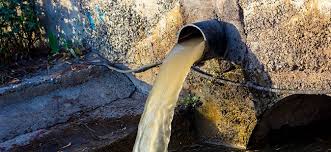
Water is an essential resource for human survival. Safe drinking-water is essential to health. Water contamination is a common problem worldwide. There are many contaminating elements of water which make water unsafe for drinking. Microbial contaminants are one of the commonest of these elements.
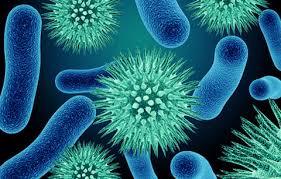
The microbial contaminants include pathogens like bacteria, viruses, and parasites such as microscopic protozoa and worms. These living organisms can be spread by human and animal wastes knowingly or unknowingly.
Some contaminants can be easily identified by assessing color, odor, turbidity, and the taste of the water. However, most cannot be easily detected and require testing to reveal whether water is contaminated or not. As a result of this, the contaminants may result in unappealing taste or odor, staining, as well as health effects.
Biological Contamination in Water Supplies
Biological contamination of water is caused by the presence of living organisms, such as algae, bacteria, protozoa, or viruses. Each of these can cause distinctive problems in water. Algae are generally single-celled and microscopic.
These are quite abundant and depend on nutrients in water. The nutrients are generally from domestic runoff or industrial pollution. Excess algae growth not only imparts taste and odor problems in water; it clogs filters and produces unwanted slime growths on the carriers.
Numerous pathogenic bacteria can contaminate water. They can result in typhoid, dysentery, cholera, and gastroenteritis. Although not harmful, some nonpathogenic bacteria may cause taste and odor problems.
Protozoans are also single-celled and microscopic organisms, such as Giardia and Cryptosporidium, commonly found in rivers, lakes, and streams contaminated with animal feces or which receive wastewater from sewage treatment plants.
These may cause diarrhea, stomach cramps, nausea, fatigue, dehydration, and headaches. Viruses are the smallest living organisms capable of producing infection and causing diseases. Hepatitis and polio viruses are commonly reported in contaminated water.
Read Also: Sheep Production Guide
Health Risks of Waterborne Pathogens
The greatest risk to public health from microbes in water is associated with consumption of drinking-water that is contaminated with human and animal excreta, although other sources and routes of exposure may also be significant.
Infectious diseases caused by pathogenic bacteria, viruses, and parasites are the most common and widespread health risk associated with drinking-water.
The public health burden is determined by the severity and incidence of the illnesses associated with pathogens, their infectivity, and the population exposed. Waterborne pathogens have several properties that distinguish them from other drinking-water contaminants.
These include:
- Organisms can cause acute and also chronic health effects.
- Some pathogens can grow in the environment.
- Pathogens are discrete.
- Pathogens are often clustered and adhere to suspended solids in water, and pathogen concentrations vary in time, so that the likelihood of acquiring an infective dose cannot be predicted from their average concentration in water.
- Exposure to a pathogen resulting in disease depends upon the dose, invasiveness, and virulence of the pathogen, as well as the immune status of the individual.
- If infection is established, pathogens multiply in their host.
- Certain waterborne pathogens are also able to multiply in food, beverages, or warm water systems, perpetuating or even increasing the likelihood of infection.
Unlike many chemical agents, pathogens do not exhibit a cumulative effect.
Transmission Routes of Waterborne Infections
The pathogens that may be transmitted through contaminated drinking-water all differ in properties, behavior, and resistance. Fecal–oral transmitted pathogens in drinking-water are only one vehicle of transmission.
Contamination of food, hands, utensils, and clothing can also play a role, particularly when domestic sanitation and hygiene are poor. Improvements in the quality and availability of water, excreta disposal, and general hygiene are all important in reducing fecal–oral disease transmission.
Microbial drinking-water safety is not related only to fecal contamination. Although consumption of contaminated drinking-water represents the greatest risk, other routes of transmission can also lead to disease, with some pathogens transmitted by multiple routes.
Certain serious illnesses result from inhalation of water droplets in which the causative organisms have multiplied because of warm waters and the presence of nutrients. These include legionellosis, caused by Legionella spp., and illnesses caused by the amoebae Naegleria fowleri and Acanthamoeba spp.
Schistosomiasis is a major parasitic disease of tropical and subtropical regions that is transmitted when the larval stage (cercariae), which is released by infected aquatic snails, penetrates the skin.
It is primarily spread by contact with water. Ready availability of safe drinking-water contributes to disease prevention by reducing the need for contact with contaminated water resources.
Parasitic Contamination in Water
It is conceivable that unsafe drinking-water contaminated with soil or feces could serve as a carrier of other infectious parasites, such as Balantidium coli and certain helminths such as Fasciola, Fasciolopsis, Echinococcus, Ascaris, Trichuris, Necator, and Taenia solium.
Most of these have their normal mode of transmission as ingestion of the eggs in food contaminated with feces or fecally contaminated soil.
If water used by immunocompromised persons, such as the elderly, the very young, patients with burns or extensive wounds, those undergoing immunosuppressive therapy, or those with acquired immunodeficiency syndrome (AIDS), for drinking or bathing contains sufficient numbers of these organisms, they can produce various infections of the skin and the mucous membranes of the eye, ear, nose, and throat.
Examples of such agents are Pseudomonas aeruginosa and species of Flavobacterium, Acinetobacter, Klebsiella, Serratia, Aeromonas, and certain “slow-growing” (non-tuberculous) mycobacteria.
Read Also: Fattening of Sheep and Goats Guide
Public Health Impacts of Waterborne Disease Outbreaks
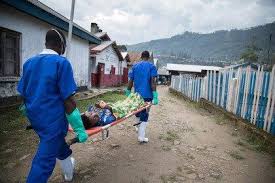
Outbreaks of waterborne disease may affect large numbers of persons, and the first priority in developing and applying controls on drinking-water quality should be the control of such outbreaks. Available evidence also suggests that drinking-water can contribute to background rates of disease in non-outbreak situations, and control of drinking-water quality should therefore also address waterborne disease in the general community.
Experience has shown that systems for the detection of waterborne disease outbreaks are typically inefficient in countries at all levels of socioeconomic development, and failure to detect outbreaks is not a guarantee that they do not occur; nor does it suggest that drinking-water should necessarily be considered safe.
Some of the pathogens that are known to be transmitted through contaminated drinking-water lead to severe and sometimes life-threatening disease. Examples include typhoid, cholera, infectious hepatitis (caused by hepatitis A virus or hepatitis E virus), and disease caused by Shigella spp. and E. coli O157. Others are typically associated with less severe outcomes, such as self-limiting diarrheal disease (e.g., noroviruses, Cryptosporidium).
Variability in Pathogen Effects and Immunity
The effects of exposure to pathogens are not the same for all individuals or, as a consequence, for all populations. Repeated exposure to a pathogen may be associated with a lower probability or severity of illness because of the effects of acquired immunity.
For some pathogens (e.g., hepatitis A virus), immunity is lifelong, whereas for others (e.g., Campylobacter), the protective effects may be restricted to a few months to years. In contrast, vulnerable subpopulations (e.g., the young, the elderly, pregnant women, the immunocompromised) may have a greater probability of illness or the illness may be more severe, including mortality.
Not all pathogens have greater effects in all vulnerable subpopulations. Not all infected individuals will develop symptomatic disease.
The proportion of the infected population that is asymptomatic (including carriers) differs between pathogens and also depends on population characteristics, such as prevalence of immunity. Those with asymptomatic infections as well as patients during and after illness may all contribute to secondary spread of pathogens.
Frequently Asked Questions (FAQs)
- What are the primary sources of microbial contamination in drinking water?
Microbial contamination in drinking water primarily comes from human and animal excreta, domestic runoff, industrial pollution, and contact with contaminated soil, water sources, or infected aquatic organisms. - Which types of microorganisms are commonly found in contaminated water supplies?
Common microorganisms include algae, pathogenic bacteria (causing typhoid, dysentery, cholera, gastroenteritis), protozoa (e.g., Giardia, Cryptosporidium), and viruses (e.g., hepatitis, polio viruses). - What health risks are associated with waterborne pathogens?
Waterborne pathogens can cause acute and chronic health effects, including severe diseases like typhoid, cholera, and infectious hepatitis, as well as less severe outcomes like self-limiting diarrheal diseases. Vulnerable populations, such as the young, elderly, or immunocompromised, face higher risks. - How do waterborne pathogens differ from chemical contaminants in water?
Unlike chemical contaminants, waterborne pathogens can cause acute and chronic effects, grow in the environment, are discrete, often cluster in water, vary in concentration over time, multiply in hosts, and do not exhibit cumulative effects. - What diseases can be transmitted through routes other than drinking contaminated water?
Diseases like legionellosis (caused by Legionella spp.) and illnesses from Naegleria fowleri and Acanthamoeba spp. can result from inhaling water droplets. Schistosomiasis is transmitted through skin contact with water containing infected larval stages from aquatic snails. - Why are immunocompromised individuals more susceptible to infections from contaminated water?
Immunocompromised individuals, such as the elderly, young, or those with AIDS or undergoing immunosuppressive therapy, are more susceptible because pathogens like Pseudomonas aeruginosa, Acinetobacter, and certain mycobacteria can cause infections of the skin and mucous membranes when present in sufficient numbers. - How does fecal–oral transmission contribute to waterborne diseases?
Fecal–oral pathogens in drinking water are transmitted through contaminated water, food, hands, utensils, or clothing, especially in areas with poor sanitation and hygiene, leading to diseases like diarrhea, typhoid, and cholera. - What challenges exist in detecting waterborne disease outbreaks?
Detection systems are often inefficient across all levels of socioeconomic development, meaning failure to detect outbreaks does not guarantee water safety. Outbreaks can affect large populations, and background disease rates in non-outbreak situations also pose risks.
Do you have any questions, suggestions, or contributions? If so, please feel free to use the comment box below to share your thoughts. We also encourage you to kindly share this information with others who might benefit from it. Since we can’t reach everyone at once, we truly appreciate your help in spreading the word. Thank you so much for your support and for sharing!