


Microorganisms play a critical role in food processing, influencing spoilage, safety, and production. This article explores the key genera of moulds, yeasts, viruses, and bacteria significant in agricultural food processing, highlighting their impact on spoilage, fermentation, and food safety.
Key Mould Genera in Food Processing
Moulds are significant in food due to their ability to grow in conditions inhospitable to many bacteria, such as low pH, low water activity (Aw), and high osmotic pressure. They are major spoilage microorganisms, produce mycotoxins, and are used in food bioprocessing and enzyme production. The most common genera of moulds found in food are detailed below.
1. Aspergillus in Food Spoilage and Processing: Widely distributed, Aspergillus includes many species with septate hyphae and black-colored asexual spores on conidia. Many are xerophilic, thriving in low Aw environments, causing spoilage in grains, jams, cured ham, nuts, fruits, and vegetables (rot). Some strains, like Aspergillus flavus, produce aflatoxins. Others, such as A. oryzae, hydrolyze starch with α-amylase in sake production, while A. niger processes citric acid from sucrose and produces enzymes like β-galactosidase.
2. Alternaria and Food Deterioration: Members have septate hyphae and form dark-colored spores on conidia, causing rot in tomatoes and rancid flavors in dairy products. Some strains, such as Alternaria tenuis, produce mycotoxins.
3. Fusarium and Crop Rot: Many types cause rot in citrus fruits, potatoes, and grains, forming cottony growth with septate, sickle-shaped conidia, e.g., Fusarium solani.
4. Geotrichum as Dairy Mold: Members are septate, forming rectangular arthrospores and yeast-like, cottony, creamy colonies. They establish easily in equipment and grow on dairy products, e.g., Geotrichum candidum.
5. Mucor in Fermentation and Spoilage: Widely distributed, Mucor has nonseptate hyphae and produces sporangiophores, forming cottony colonies. Some species are used in food fermentation and enzyme production, while others, like Mucor rouxii, spoil vegetables.
6. Penicillium in Cheese and Spoilage: Widely distributed, Penicillium species have septate hyphae and form conidiophores on blue-green, brush-like conidia heads. Some, like Penicillium roquefortii and P. camembertii, are used in cheese production, while others cause fungal rot in fruits, vegetables, grains, breads, and meat. Some strains produce mycotoxins, e.g., Ochratoxin A.
7. Rhizopus and Bread Mold: With aseptate hyphae and sporangiophores in sporangium, Rhizopus species spoil fruits and vegetables. Rhizopus stolonifer is the common black bread mold.
Read Also: Goats Farming Complete Practical Guide
Significant Yeast Genera in Food
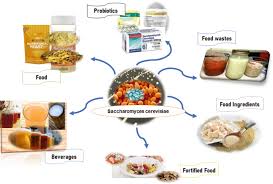
Yeasts are crucial in food due to their spoilage potential and use in bioprocessing and food additive production.
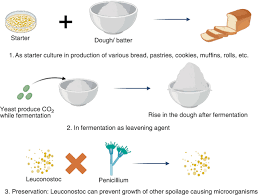
1. Saccharomyces in Baking and Fermentation: With round, oval, or elongated cells, Saccharomyces cerevisiae variants are used in baking for leavening bread and in alcoholic fermentation. They also cause spoilage by producing alcohol and CO2.
2. Pichia and Food Spoilage: Oval to cylindrical cells form pellicles in beer, wine, and brine, causing spoilage. Some, like Pichia membranaefaciens, are used in oriental food fermentation.
3. Rhodotorula and Discoloration: Pigment-forming yeasts, such as Rhodotorula glutinis, cause discoloration in foods like meat, fish, and sauerkraut.
4. Torulopsis and Dairy Spoilage: Spherical to oval cells, such as Torulopsis versatilis, spoil milk by fermenting lactose and affect fruit juice concentrates and acid foods.
5. Candida and High-Acid Food Spoilage: Many species spoil high-acid, high-salt, or high-sugar foods, forming pellicles on liquid surfaces. Some, like Candida lipolyticum, cause rancidity in butter and dairy products.
6. Zygosaccharomyces in Condiment Spoilage: Spoil high-acid foods like sauces, ketchups, pickles, mustards, mayonnaise, and salad dressings, particularly those with less acid, salt, or sugar, e.g., Zygosaccharomyces bailii.
Impact of Viruses in Food Safety
Viruses are significant in food for three reasons: they can cause enteric diseases, serve in pathogen identification, and affect fermentation. Hepatitis A and Norwalk-like viruses have been implicated in foodborne outbreaks. Other enteric viruses, like poliovirus, echovirus, and Coxsackie virus, can contaminate foods in areas with low sanitation, causing disease.
Bacterial viruses (bacteriophages) are used to identify pathogens like Salmonella spp. and Staphylococcus aureus based on cell sensitivity to specific bacteriophages. Bacteriophages also transfer genetic traits via transduction in bacteria like Escherichia coli or Lactococcus lactis.
Additionally, bacteriophages can cause fermentation failure by infecting and destroying starter-culture bacteria, such as those in Lactococcus, Streptococcus, Leuconostoc, and Lactobacillus, though no bacteriophages of Pediococcus are known.
Read Also: Introduction to Ruminant Animals Production
Key Bacterial Groups in Food Processing
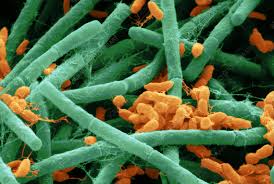
Bacteria are among the most significant microorganisms in foods due to their diversity, rapid growth, nutrient utilization, and adaptability to various temperatures, aerobiosis, pH, and water activity. Their spores can survive high temperatures. They are divided into groups based on shared characteristics, without taxonomic significance.
1. Lactic Acid Bacteria in Fermentation: Produce large quantities of lactic acid from carbohydrates. Includes species from Lactococcus, Leuconostoc, Pediococcus, Lactobacillus, and Streptococcus thermophilus.
2. Acetic Acid Bacteria and Vinegar Production: Produce acetic acid, e.g., Acetobacter aceti.
3. Propionic Acid Bacteria in Dairy: Produce propionic acid, used in dairy fermentation, e.g., Propionibacterium freudenreichii.
4. Butyric Acid Bacteria and Spoilage: Produce butyric acid in large amounts, e.g., Clostridium butyricum.
5. Proteolytic Bacteria and Protein Breakdown: Hydrolyze proteins with extracellular proteinases, including genera Micrococcus, Staphylococcus, Bacillus, Clostridium, Pseudomonas, Alteromonas, Flavobacterium, Alcaligenes, some Enterobacteriaceae, and Brevibacterium.
6. Lipolytic Bacteria and Fat Breakdown: Hydrolyze triglycerides with extracellular lipases, including Micrococcus, Staphylococcus, Pseudomonas, Alteromonas, and Flavobacterium.
7. Saccharolytic Bacteria and Carbohydrate Breakdown: Hydrolyze complex carbohydrates, including Bacillus, Clostridium, Aeromonas, Pseudomonas, and Enterobacter.
8. Thermophilic Bacteria and High-Temperature Growth: Grow at 50°C and above, including Bacillus, Clostridium, Pediococcus, Streptococcus, and Lactobacillus.
9. Psychrotrophic Bacteria and Cold Storage: Grow at refrigerated temperatures (≤5°C), including Pseudomonas, Alteromonas, Alcaligenes, Flavobacterium, Serratia, Bacillus, Clostridium, Lactobacillus, Leuconostoc, Carnobacterium, Brochothrix, Listeria, Yersinia, and Aeromonas.
10. Thermoduric Bacteria and Pasteurization Survival: Survive pasteurization temperatures, including Micrococcus, Enterococcus, Lactobacillus, Pediococcus, Bacillus (spores), and Clostridium (spores).
11. Halotolerant Bacteria and High-Salt Environments: Survive high salt concentrations (≥10%), including Bacillus, Micrococcus, Staphylococcus, Pediococcus, Vibrio, and Corynebacterium.
12. Aciduric Bacteria and Low-pH Tolerance: Survive low pH (<4.0), including Lactobacillus, Pediococcus, Lactococcus, Enterococcus, and Streptococcus.
13. Osmophilic Bacteria and High-Osmotic Environments: Grow in high-osmotic environments, including Staphylococcus, Leuconostoc, and Lactobacillus, though less osmophilic than yeasts and moulds.
14. Gas-Producing Bacteria and Spoilage: Produce gases (CO2, H2, H2S) during metabolism, including Leuconostoc, Lactobacillus, Propionibacterium, Escherichia, Enterobacter, Clostridium, and Desulfotomaculum.
15. Slime-Producing Bacteria and Texture Issues: Synthesize polysaccharides, causing slime, including Xanthomonas, Leuconostoc, Alcaligenes, Enterobacter, Lactococcus, and Lactobacillus.
16. Spore-Forming Bacteria and Resilience: Produce spores, including Bacillus, Clostridium, and Desulfotomaculum, divided into aerobic, anaerobic, flat sour, thermophilic, and sulfide-producing sporeformers.
17. Aerobic Bacteria and Oxygen Dependence: Require oxygen for growth, including Pseudomonas, Bacillus, and Flavobacterium.
18. Anaerobic Bacteria and Oxygen Intolerance: Cannot grow in oxygen, e.g., Clostridium species.
19. Facultative Anaerobes and Versatility: Grow with or without oxygen, including Lactobacillus, Pediococcus, Leuconostoc, enteric pathogens, and some Bacillus, Serratia, and coliforms.
20. Coliform Bacteria as Sanitation Indicators: Include Escherichia, Enterobacter, Citrobacter, and Klebsiella, used as sanitation indices.
21. Fecal Coliforms and Hygiene Monitoring: Primarily Escherichia coli, used as a sanitation index.
22. Enteric Pathogens and Food Safety Risks: Include Salmonella, Shigella, Campylobacter, Yersinia, Escherichia, Vibrio, Listeria, and hepatitis A, causing gastrointestinal infections. Laboratory and control methods target specific groups for detection and prevention.
Do you have any questions, suggestions, or contributions? If so, please feel free to use the comment box below to share your thoughts. We also encourage you to kindly share this information with others who might benefit from it. Since we can’t reach everyone at once, we truly appreciate your help in spreading the word. Thank you so much for your support and for sharing!