


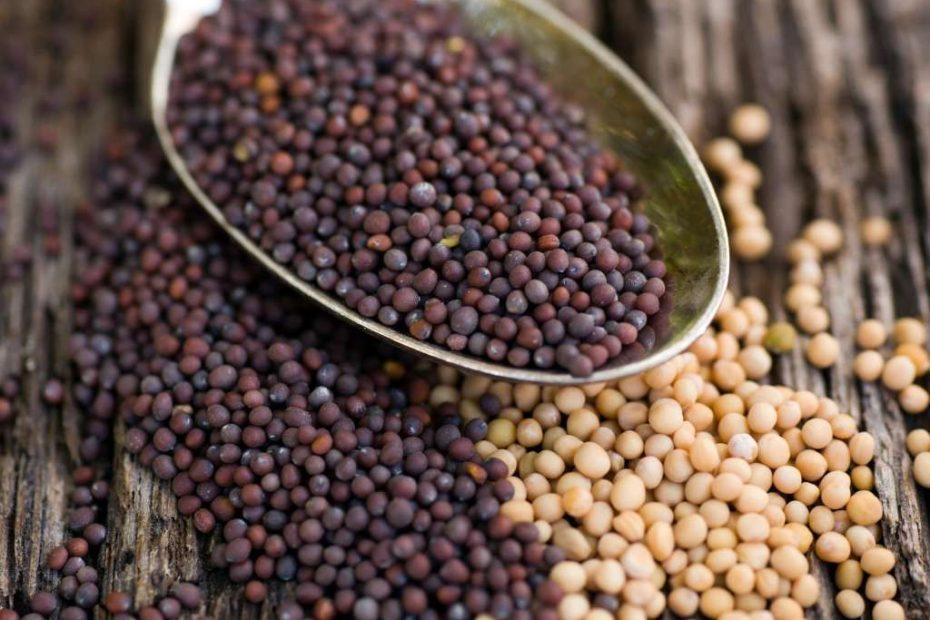
Mustard seeds, scientifically known as “Brassica nigra” are recommended for our health. They have been used as a part of a range of ayurvedic drugs for better digestive health. In this article, we’ll be sharing facts and helpful tips about the mustard seed and also the benefits associated with adding the mustard plant to your diet.
According to medical experts, here are a few reasons why you must consider including them in your diet:
1. Prevents Cancer and Ageing
The mustard seeds are packed with antioxidants which play a main position in maintaining your skin younger and glowing. Antioxidants bind with free radicals in the body.
These free radicals can be very harmful if they are existing in excess in the body. These free radicals are linked with a couple of ailments like diabetes, cardiac issues, and cancer.
They are rich in glucosinolates and myrosinase which inhibit the boom of most cancer cells in the body. Certain research also claims that it helps to wreck the current cancerous cells in the body.
2. It Promotes Healthy Skin
Mustard has more than a few skincare benefits. A mustard paste can be used as an outstanding exfoliator. It can additionally be used as a face pack with the aid of those who go through acne, as it has antibacterial properties.
Mustard pack and scrub additionally help in keeping your pores and skin moist and lightening tan. Mustard seeds are used by those suffering from psoriasis. It can assist in treating some skin infections in the physique like ringworms.
Read Also: Achi Seed (Brachystegia Eurycoma): All You Need to Know About
3. Mustard Seeds Aids Digestion
Muatard seeds can come to the rescue for some instantaneous remedy for digestive issues. It is very helpful for constipation because it incorporates the proper quantity of fibre.
Mustard seeds are packed with nutrients that enhance gut fitness and bowel movement. Not solely digestion, however, it is additionally very properly for our metabolism.
4. It Is Essential and Good For Coronary Heart Health
Mustard seeds are additionally packed with soluble fibre that helps a lot in enhancing LDL cholesterol levels. High cholesterol levels in the physique increase the chance of heart attack.
Mustard oil, which is extensively used for cooking in Indian households is very good for our coronary heart fitness and it helps in the prevention of cardiac arrest.
5. Mustard Seeds Helps In Strengthening Bones, Teeth, and Gums
They have very exquisite nutritional value. They are rich in a variety of vitamins and minerals.
It carries Vitamin A, and C and minerals like calcium, iron, phosphorus, magnesium, and potassium. It additionally has anti-inflammatory properties.
Mustard seed powder can be used alongside salt to massage enamel and gums as soon as a week.
Read Also: Ofor Seed (Soup thickener): All You Need to Know About
6. Treats ache mustard seeds
Mustard seeds can be used to remedy stiff muscle tissues and joint pain. Massaging mustard oil on joints can be very wonderful for joint pain in old age. Mustard seeds are additionally beneficial in the remedy of headaches and migraine.
It can be used to cure menstrual cramps. It can be beneficial for girls going through menopause. It can also assist in replenishing calcium in the body, which is continuously depleted from the backbone in women.
Mustard seeds nutritional data According to a research conducted by medical experts, the dietary information of mustard seeds are:
Below are the nutritional values contained in a 100g of a mustard seed plant:
(1) Calories 508
(2) Total Fat 36 g
(3) Cholesterol zero mg
(4) Total Carbohydrate 28 g
(5) Sugar 7 g
(6) Protein 26 g
Mustard Seeds Side Effects (Brassica nigra)
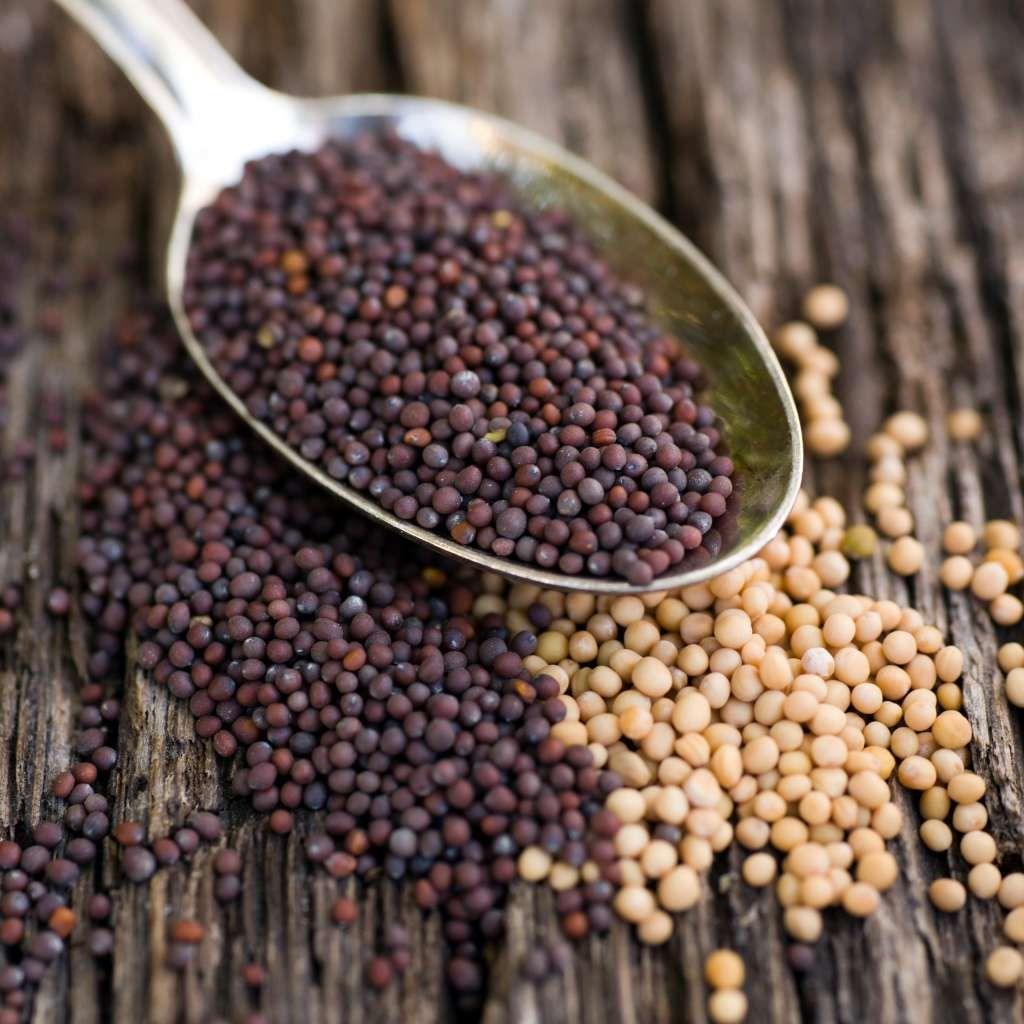
Mustard seeds might also or may also no longer have facet effects. You have to reveal the volume of seeds you eat.
You should be cautious while using mustard paste on your skin as it no longer has any interaction with the eyes. Mustard seeds can cause inflammation and tears in the eyes.
Here are some feasible side effects of overconsuming mustard seeds:
Abdominal ache It is protected to consume mustard seeds but it can motivate hypersensitive reactions in positive people. If you go through belly pain after consuming mustard seeds, you must seek advice from your doctor.
These infections would possibly irritate and motivate infection in the gut. Excessive use can lead to bleeding from the internal linings of the stomach and intestines.
Diarrhea Excess consumption of mustard can also cause diarrhea as it carries a lot of fibre. Diarrhea can be accompanied by way of other symptoms like nausea and gas. It can be a result of an allergic reaction. It can also lead to gut inflammation in some people.
Mustard seeds can be very right for our health and one has to eat them in very small quantities. It is very effortless to include them in your diet.
Another way to eat mustard is to sprout them till little leaflets begin to show. You can use these in salads and as garnish.
Microgreens are more healthy than seeds and it additionally enhances the look of a dish. Add black mustard seeds today to your diet to tap into the immense benefits that it has to offer.
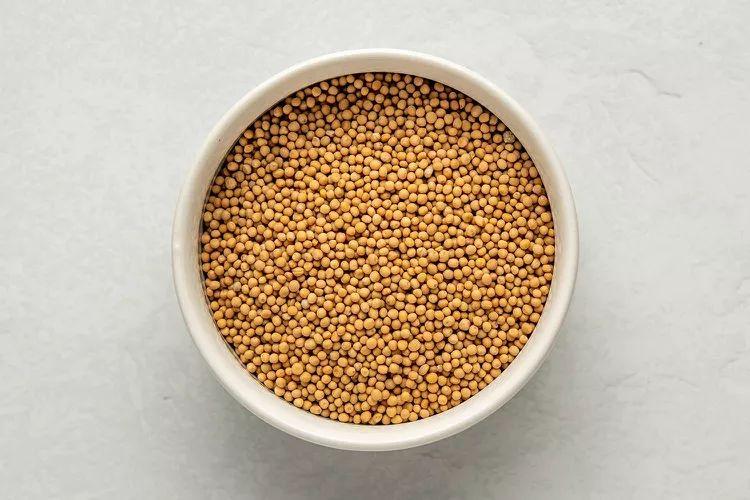
Scientific Evidence and Case Studies on Mustard Seeds (Brassica nigra)
1. Anticancer effects: Mustard seed extracts from Brassica nigra exhibit antiproliferative activity against human lung cancer cells by inducing apoptosis, cell cycle arrest, DNA damage, and inhibiting migration and invasion.
2. Antioxidant properties: Black mustard seeds demonstrate strong antioxidant capacity through phenolic compounds, glucosinolates, and other bioactive elements, reducing oxidative stress and free radical damage in various models.
3. Anti-inflammatory and pain relief: Compounds like allyl isothiocyanate and selenium provide anti-inflammatory effects, helping alleviate joint pain, arthritis, rheumatism, and muscle stiffness in traditional and preliminary studies.
4. Antimicrobial and antifungal activity: Extracts show potent antibacterial, antifungal, and antimicrobial effects against pathogens, attributed to glucosinolates and isothiocyanates, supporting traditional uses for infections.
5. Metabolic and cardiovascular support: Seeds help regulate blood sugar, lower cholesterol and triglycerides, improve lipid profiles, and reduce heart disease risk through fiber, omega-3s, and glucosinolates.
Nutritional Value Of Mustard Seeds (Brassica nigra)
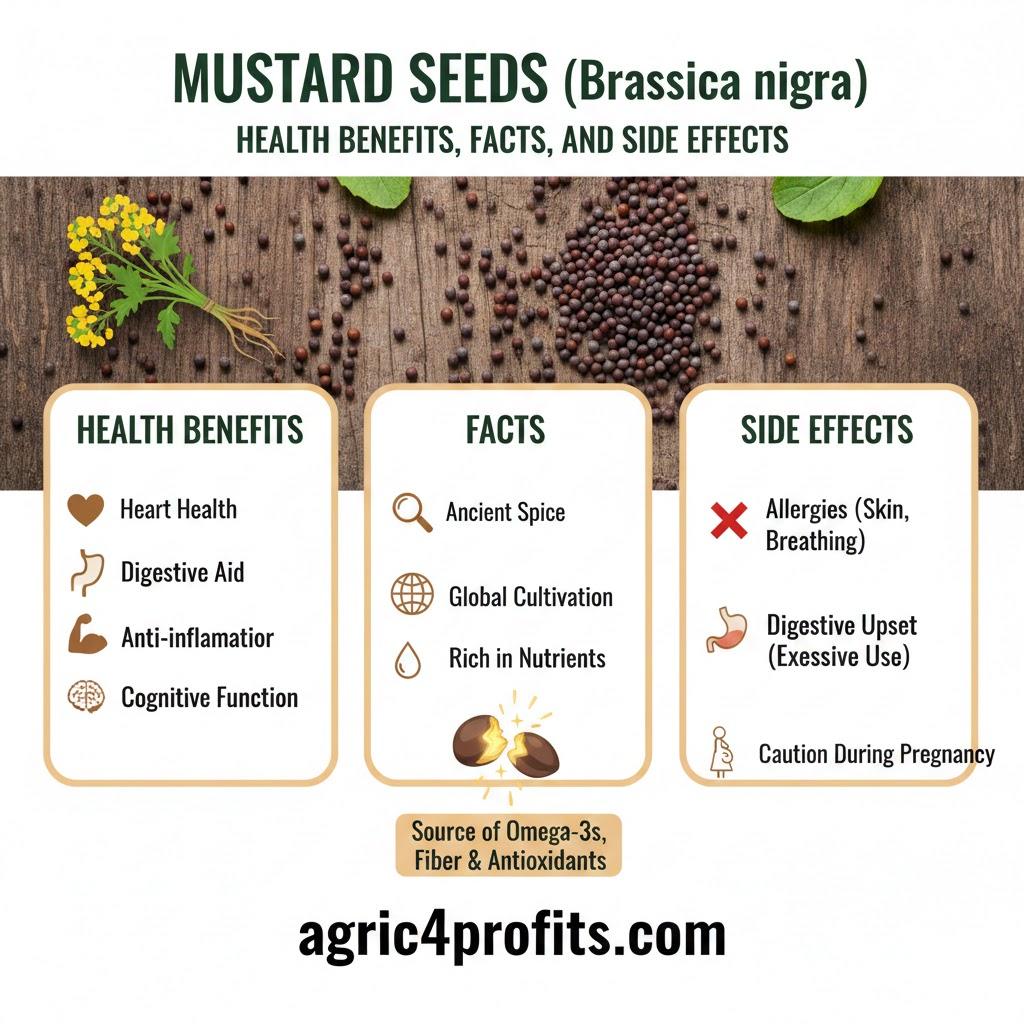
Black mustard seeds (Brassica nigra) are calorie-dense and nutrient-rich (approximate values per 100g):
1. Protein: Around 26-30g, providing high-quality complete proteins with essential amino acids for muscle repair and growth.
2. Healthy fats: About 36g total fat, including omega-3 fatty acids and erucic acid, supporting heart health and anti-inflammatory effects.
3. Dietary fiber: Significant levels (around 10-28g), aiding digestion, promoting satiety, and regulating blood sugar/cholesterol.
4. Minerals: Rich in selenium, magnesium (high %), calcium, iron, phosphorus, potassium, manganese, and zinc for antioxidant defense, bone health, and metabolism.
5. Vitamins: Includes vitamin C (around 7mg), vitamin A, and B-complex vitamins (niacin, thiamin, riboflavin, pyridoxine) for immunity, energy, and skin health.
6. Glucosinolates and antioxidants: High in sinigrin and other glucosinolates that convert to isothiocyanates (e.g., allyl isothiocyanate) for potent anticancer, antimicrobial, and anti-inflammatory benefits.
7. Calories: Approximately 508 kcal, mainly from fats and carbs, with low cholesterol and sugars.
Summary of Mustard Seeds (Brassica nigra)
| Aspect | Description |
|---|---|
| What are Mustard Seeds (Brassica nigra) | Small, round, dark black seeds from the black mustard plant (Brassica nigra), most pungent variety; part of Brassicaceae family; used as spice, oil source, and in traditional medicine. |
| Key Active Compounds | Glucosinolates (sinigrin), allyl isothiocyanate (AITC), omega-3 fatty acids, selenium, fiber, proteins, phenolics, antioxidants. |
| Main Health Benefits | Prevents cancer/aging (antioxidants/glucosinolates inhibit cancer cells), promotes skin health (exfoliates, treats acne/psoriasis/ringworm), aids digestion (fiber relieves constipation, boosts metabolism), supports heart health (lowers cholesterol, prevents cardiac issues), strengthens bones/teeth/gums (minerals like calcium/iron), treats pain (joint/muscle/arthritis/menstrual/migraine), boosts immunity, regulates blood sugar/pressure, reduces inflammation, aids weight loss (satiety/fat burning), antimicrobial/antifungal. |
| Common Uses | Culinary: Tempered in oil for curries/pickles/sauces/marinades; ground for paste/condiments; sprouted/microgreens in salads; Medicinal: Oil for massage (joints/pain), paste/scrub for skin, powder with salt for gums/teeth; Ayurvedic remedies for digestion/health. |
| Nutritional Highlights | High protein/fats/fiber, omega-3s, selenium, calcium, iron, magnesium, vitamins A/C/B; calorie-dense (508 kcal/100g) with low cholesterol. |
| Precautions | Monitor intake; excess may cause abdominal pain/diarrhea/nausea/gas; skin/eye irritation from paste; potential allergies (rashes/breathing issues/anaphylaxis); goitrogenic—caution for thyroid; avoid large medicinal doses in pregnancy/breastfeeding; consult doctor for interactions. |
| Overall | Potent, pungent spice with strong traditional/Ayurvedic value and scientific support for antioxidant, anticancer, anti-inflammatory, digestive, and heart benefits; versatile in food/medicine when used moderately. |
Frequently Asked Questions About Mustard Seeds (Brassica nigra)
1. What makes black mustard seeds (Brassica nigra) different from other mustards?
Black mustard seeds are the smallest, most pungent, and spiciest; brown (Brassica juncea) and yellow/white (Sinapis alba) are milder and commonly used in prepared mustards.
2. What are the main health benefits of mustard seeds?
They provide antioxidant protection against cancer/aging, aid digestion/constipation, support heart health (lower cholesterol), relieve pain/inflammation (joints/arthritis/menstrual), promote skin health (acne/psoriasis), boost immunity/metabolism, and offer antimicrobial effects.
3. How do mustard seeds help prevent cancer?
Glucosinolates and myrosinase convert to isothiocyanates that inhibit cancer cell growth, induce apoptosis, and prevent tumor formation, as shown in studies on various cancers including lung.
4. Can mustard seeds improve skin health?
Yes, pastes exfoliate, treat acne/psoriasis/ringworm with antibacterial properties, lighten tan, and moisturize; use cautiously to avoid eye irritation.
5. Are mustard seeds good for digestion?
Yes, fiber promotes bowel movement/constipation relief, stimulates digestive juices/bile, reduces bloating, and boosts metabolism.
6. How is mustard oil beneficial for heart health?
It lowers cholesterol, improves lipid profiles, and prevents cardiac issues when used in cooking; rich in healthy fats and fiber.
7. What nutrients are prominent in mustard seeds?
High in protein, omega-3 fats, fiber, selenium, calcium, iron, magnesium, potassium, vitamins A/C/B-complex, and glucosinolates.
8. Are there side effects from consuming mustard seeds?
Excess may cause stomach pain/diarrhea/nausea/gas/irritation; allergies possible (rashes/breathing issues); goitrogenic—caution for thyroid; skin irritation from topical use.
9. How should I use mustard seeds in cooking?
Temper whole seeds in oil for aroma, add to curries/pickles/sauces; grind for paste/condiments; sprout for salads; use oil for cooking/massage.
10. Is it safe to use mustard seeds daily?
Yes in small culinary amounts; monitor for allergies/irritation; consult doctor for high medicinal doses, pregnancy, or conditions like thyroid issues.
Do you have any questions, suggestions, or contributions? If so, please feel free to use the comment box below to share your thoughts. We also encourage you to kindly share this information with others who might benefit from it. Since we can’t reach everyone at once, we truly appreciate your help in spreading the word. Thank you very much for your support and for sharing!
Disclaimer: This article is for educational and informational purposes only. The health benefits described are based on scientific research and traditional knowledge. They ayre not a substitute for professional medical advice, diagnosis, or treatment. Always consult a healthcare professional before using any herb or natural remedy for medical purposes.
Read Also: Top Insurance Companies in Nigeria and their Address