


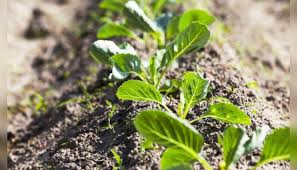
Many types of microorganisms are present in nature, but under normal conditions, a food harbors only a few types. These types include those naturally present in raw foods and those that enter from outside sources to which the foods are exposed from the time of production until consumption.
The relative numbers of a specific type of microorganism initially present in a food depend on the intrinsic and extrinsic factors the food is exposed to. If growth occurs, the predominant types will be those for which the optimum growth condition is present in the food.
This article aims to develop an understanding of the microbial types and their levels, where possible, that can be expected under normal conditions in different food groups. It must be recognized that microbial load in a food results from initial contamination from different sources and growth of the contaminants before testing.
Microbial Flora in Foods
1. Microorganisms in Raw and Ready-To-Eat Meat Products
Following slaughter and dressing, the carcasses of animals and birds contain many types of microorganisms, predominantly bacteria, coming from the skin, hair, feathers, gastrointestinal tract, etc.; the environment of the feedlot and pasture (feed, water, soil, and manure); and the environment at the slaughtering facilities (equipment, air, water, and humans).
Normally, carcasses contain an average of 10¹–³ bacterial cells/in². Different enteric pathogens, Salmonella serovars, Yersinia enterocolitica, Campylobacter jejuni, Escherichia coli, Clostridium perfringens, and Staphylococcus aureus, both from animals or birds and humans, can be present, but normally at a low level.
Carcasses of birds, as compared with those of animals, generally have a higher incidence of Salmonella contamination coming from fecal matter. Following boning, chilled raw meat and ground meat contain microorganisms coming from the carcasses as well as from different equipment used during processing, personnel, air, and water.
Some of the equipment used can be important sources of microorganisms, such as conveyors, grinders, slicers, and similar types that can be difficult to clean. Chilled meat has mesophiles, such as Micrococcus, Enterococcus, Staphylococcus, Bacillus, Clostridium, Lactobacillus, coliforms, and other Enterobacteriaceae, including enteric pathogens.
However, because the meats are stored at low temperature (–1 to 5°C), the psychrotrophs constitute major problems. The predominant psychrotrophs in raw meats are some lactobacilli and leuconostocs, Brochothrix thermosphacta, C. laramie, some coliforms, Serratia, Pseudomonas, Alteromonas, Achromobacter, Alcaligenes, Acinetobacter, Moraxella, Aeromonas, and Proteus. Psychrotrophic pathogens include Listeria monocytogenes and Y. enterocolitica.
The microbial load of fresh meat varies greatly, with bacteria predominating. Ground meat can have 10⁴–⁵ microorganisms/g; Salmonella can be present at ca. 1 cell/25g. The frequency of the presence of Salmonella is higher in chicken than in red meats. If the products are kept under aerobic conditions, psychrotrophic aerobes will grow rapidly, especially Gram-negative rods, such as Pseudomonas, Alteromonas, Proteus, and Alcaligenes, as well as yeasts.
Under anaerobic packaging, growth of psychrotrophic facultative anaerobes and anaerobes such as Lactobacillus, Leuconostoc, Brochothrix, Serratia, some coliforms, and Clostridium predominates.
The pH of the meat (which is low in beef, ca. 5.6, but high in birds, ca. 6.0), high protein content, and low carbohydrate level, along with the environment, determine which types predominate during storage.
Low-heat-processed red meat and poultry products include perishable cured or uncured products that have been subjected to heat treatment (70°C), packaged aerobically or anaerobically, and stored at refrigerated temperature.
They include products such as franks, bologna, lunchmeats, and hams. The products, especially those packaged anaerobically and cured, are expected to have a long storage life of 50 days or more.
The microbial sources before heat treatment include the raw meat, ingredients used in formulation, processing equipment, air, and personnel. Heat treatment, especially at an internal temperature of 70°C or higher, kills most microorganisms, except some thermodurics, which include Micrococcus, some Enterococcus, and maybe some Lactobacillus and spores of Bacillus and Clostridium.
The microbial level can be 10¹–²/g. Following heating, the products, some of which are further processed (such as removing casing or slicing), come in contact with equipment, personnel, air, and water before final packaging. Different types of bacteria, yeasts, and molds, including pathogens, can enter these products, depending on the conditions of the processing plants.
Although the initial bacterial level normally does not exceed 10²/g, some of them can be psychrotrophic facultative anaerobic and anaerobic bacteria (Lactobacillus, Leuconostoc, some coliforms, Serratia, Listeria, Clostridium spp.). During extended storage in vacuum or modified-air packages, even from a low initial level, bacterial population can rise and adversely affect the safety and shelf life of products.
This is aggravated by fluctuation in storage temperature and in products having low fat, high pH, and high water activity (Aw).
Read Also: Types and Recommended Duration for your Physical Activity
2. Microorganisms in Raw and Pasteurized Milk

Raw milk can come from cows, buffalo, sheep, and goats, although the largest volume comes from cows. Pasteurized or market milk includes whole, skim, low-fat, and flavored milks, as well as cream, which are pasteurized according to regulatory specifications. Milk is high in proteins and carbohydrates (lactose), which many microorganisms can utilize for growth.
Because both raw milk and pasteurized milk contain many types of bacteria as predominant microorganisms, they are refrigerated; yet they have limited shelf life. In raw milk, microorganisms come from inside the udder, animal body surfaces, feed, air, water, and equipment used for milking and storage.
The predominant types from inside a healthy udder are Micrococcus, Streptococcus, and Corynebacterium. Normally, raw milk contains Flavobacterium, Alcaligenes, and some coliforms and Bacillus spp.
They can affect the acceptance quality of raw milk by making the flavor and texture undesirable. Some of them can produce heat-stable enzymes (proteinases and lipases), which can also affect the product quality, even after pasteurization of raw milk. Psychrotrophs can multiply in refrigerated raw milk during storage.
Microbiological quality of raw and pasteurized milk is monitored in many countries by regulatory agencies. In the U.S., the standard plate counts of raw milk for use as market milk are 1–3 x 10⁵/ml, and for use in product manufacturing are 0.5–1 x 10⁶/ml.
Grade A pasteurized milk can have standard plate counts of 20,000/ml and ≤10 coliforms/ml. Microorganisms present in pasteurized milk are those that survive pasteurization of raw milk (e.g., the thermodurics) and those that enter after heating and before packaging (e.g., post-pasteurization contaminants).
Thermodurics surviving pasteurization include Micrococcus, some Enterococcus (e.g., E. faecalis), Streptococcus, some Lactobacillus (e.g., L. viridescens), and spores of Bacillus and Clostridium. Post-heat contaminants can be coliforms as well as Pseudomonas, Alcaligenes, and Flavobacterium. Psychrotrophs can grow during refrigerated storage.
3. Microorganisms in Egg Shell and Liquid Egg
Eggshells are contaminated with microorganisms on the outer surface from fecal matter, nesting materials, feeds, air, and equipment. Each shell, depending on the contamination level, can have 10⁷ bacteria. Washing helps reduce bacterial levels considerably. Eggshells can harbor different types of bacteria, namely Pseudomonas, Alcaligenes, Proteus, Citrobacter, E. coli, Enterobacter, Enterococcus, Micrococcus, and Bacillus.
They can also have Salmonella from fecal contamination. Infected ovaries of laying hens can be the source of Salmonella enteritidis in the yolk. Liquid egg can be contaminated with bacteria from the shell of washed eggs as well as from the breaking equipment, water, and air. Pasteurization can reduce the numbers to 10³/ml. Bacteria, especially motile Gram-negative bacteria, can enter through pores of eggshells, particularly if the shells are wet. Several antimicrobial factors present in egg albumin, such as lysozyme, conalbumin (binds iron), avidin (binds biotin), or alkaline pH (8.0 to 9.0), can control bacterial growth.
However, if the storage temperature is favorable, they can grow in yolk that is rich in nutrients and has a pH of 7.0. Pasteurization of liquid egg has been designed to destroy pathogens (mainly Salmonella) and other Gram-negative rods. Thermoduric bacteria, namely Micrococcus, Enterococcus, and Bacillus, present in the raw liquid egg survive pasteurization.
4. Microorganisms in Fish and Shellfish
This group includes finfish, crustaceans (shrimp, lobster, crabs), and mollusks (oysters, clams, scallops) harvested from aquatic environments. Fish and shellfish are harvested from natural sources and aquacultures and are rich in protein and nonprotein nitrogenous compounds; their fat content varies with type and season.
They are very low in carbohydrates except for mollusks that contain about 3% glycogen. The microbial population in these products varies greatly with the pollution level and temperature of the water. Bacteria from many groups, as well as viruses, parasites, and protozoa, can be present in raw fish.
Muscles of fish and shellfish are sterile, but scales, gills, and intestines harbor microorganisms. Finfish and crustaceans can have 10³–⁸ bacterial cells/g. During feeding, mollusks filter large volumes of water and can thus concentrate bacteria and viruses.
Products harvested from marine environments can have halophilic vibrios as well as Pseudomonas, Alteromonas, Flavobacterium, Enterococcus, Micrococcus, coliforms, and pathogens such as V. parahaemolyticus, V. vulnificus, and C. botulinum type E. Freshwater fish generally have Pseudomonas, Flavobacterium, Enterococcus, Micrococcus, Bacillus, and coliforms. Fish and shellfish harvested from water polluted with human and animal waste can contain Salmonella, Shigella, C. perfringens, V. cholerae, and hepatitis A and Norwalk-like viruses.
They can also contain opportunistic pathogens such as Aeromonas hydrophila and Plesiomonas shigelloides. The harvesting of seafood, especially shellfish, is controlled by regulatory agencies, and water with high coliform populations is closed to harvest.
Following harvest, microorganisms can grow rapidly in fish and crustaceans because of high Aw and high pH of the tissue and availability of large amounts of nonprotein nitrogenous compounds.
As many of the bacterial species are psychrotrophs, they can grow at refrigerated temperature. Pathogens can remain viable for a long time during storage. Microbial loads are greatly reduced during their subsequent heat processing to produce different products.
5. Microorganisms in Vegetables, Fruits, and Nuts
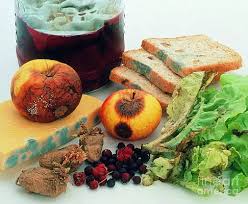
Vegetables include edible plant components such as leaves, stalks, roots, tubers, bulbs, and flowers. They are relatively high in carbohydrates, with pH values of 5.0 to 7.0. Thus, different types of bacteria, yeasts, and molds can grow if other conditions are favorable.
Fruits are high in carbohydrates and have a pH of 4.5 or below because of the presence of organic acids, and some also have antimicrobial essential oils. Nuts can be from the ground (peanuts) or from trees (pecans) and have protective shells and low Aw (0.7).
They are converted to nutmeats for further use or to products such as peanut butter. Microorganisms in vegetables vary with the types of vegetables and can come from several sources, such as soil, water, air, animals, insects, birds, and harvesting equipment.
A leafy vegetable has more microorganisms from the air, whereas a tuber has more from the soil. Microbial levels and types in these products also vary greatly, depending on environmental conditions and conditions of farming and harvesting. Generally, vegetables have 10³–⁵ microorganisms/cm² or 10⁴–⁷/g. Some of the predominant bacterial types are lactic acid bacteria, Corynebacterium, Enterobacter, Proteus, Pseudomonas, Micrococcus, Enterococcus, and spore formers. They also have different types of molds, such as Alternaria, Fusarium, and Aspergillus.
Vegetables can have enteric pathogens, especially if animal and human wastes and polluted water are used for fertilization and irrigation. They include L. monocytogenes, Salmonella, Shigella, Campylobacter, C. botulinum, and C. perfringens. They can also have pathogenic protozoa and parasites.
If the vegetables are damaged, then plant pathogens (e.g., Erwinia) can also predominate. Many of the microorganisms can cause different types of spoilage of raw products. Pathogens can grow in plant products and cause foodborne diseases (e.g., listeriosis or botulism).
Lactic acid bacteria have important roles in the natural fermentation of vegetables (e.g., sauerkraut). Different methods used to process vegetables and vegetable products greatly reduce the microbial population.
Because of their high carbohydrate content and low pH of fruits, it favors the growth of different types of molds, yeasts, and lactic acid bacteria. In general, microbial populations are 10³–⁶/g. Improperly harvested and processed fruits can have pathogens that survive, grow, and cause foodborne disease. Molds, yeasts, and bacteria can cause different types of spoilage.
Natural flora, especially yeasts in fruits, can be important in alcohol fermentation. Microorganisms enter nuts from soil (peanuts) and air (tree nuts). During processing, air, equipment, and water can also be sources of contamination.
Nuts are protected by shells, but damage on the shell can facilitate microbial contamination. Raw nuts and nutmeats can have 10³–⁴ microorganisms/g, with Bacillus and Clostridium spores, Leuconostoc, Pseudomonas, and Micrococcus predominating.
Because of a low Aw, bacteria do not grow in the products. However, when used as ingredients, they can cause microbiological problems in the products. Molds can grow in nuts and nutmeats and produce mycotoxins.
6. Microorganisms in Cereals, Starches, and Gums
Cereals include grains, flour, meals, breakfast cereals, pasta, baked products, dry mixes, and frozen and refrigerated products of cereal grains. Starches include flours of cereals (e.g., corn, rice), tapioca (from plant), potatoes, and other tubers.
Gums are used as stabilizers, gelling agents, and film and are obtained from plants, seaweeds, and microorganisms (e.g., tragacanth, pectin, xanthan, agar, and carrageenan) and as modified compounds (e.g., carboxymethyl cellulose).
They are rich in amylose and amylopectin but can also have simple sugars (e.g., in grains) and protein (e.g., in lentils). Microbial sources are mainly the soil, air, insects, birds, and equipment. Unprocessed products (grains) may contain high bacterial levels (aerobic plate count of about 10⁴/g, coliform of 10²/g, yeasts and molds of 10³/g).
They may also contain mycotoxins produced by toxigenic molds. Processed products may also contain a wide variety of yeasts, molds, and bacteria. Flours and starches may have higher microbial counts, similar to those of grains, whereas processed products such as breakfast cereals and pasta may contain aerobic plate count of 10²–³/g, coliform of coliforms/100 ml.
The indigenous flora are mainly Flavobacterium, Alcaligenes, and Micrococcus. They may also have some Pseudomonas as contaminants from outside. They should not have pathogens unless produced under poor sanitation.
7. Microorganisms in Mayonnaise and Salad Dressings
Water-in-oil emulsion products formulated with oil, water, vinegar (about 0.25% acetic acid) or lemon juice, sugar, salt, starch, gum, egg, spices, and vegetable pieces, mayonnaise and salad dressings have a pH between 3.5 and 4.0. Some low-calorie and less sour products containing less acid, less oil, and more water may have a pH of 4.5 or above.
Microorganisms are introduced into the products through ingredients, equipment, and air. However, except for aciduric microorganisms, most others die, especially when stored for a long time at room temperature.
Among aciduric microorganisms, molds (Geotrichum and Aspergillus spp.), yeasts (Saccharomyces spp.), and several species of Lactobacillus (L. fructivorans, L. brevis) and some Bacillus spp. (B. subtilis, B. mesentericus) have been isolated.
Normally, their numbers should not exceed 10/g. If pathogens are introduced (e.g., Salmonella through eggs), they are expected to be killed rapidly; however, they may survive longer in low-calorie, high-pH products kept at refrigerated temperatures.
8. Microorganisms in Spices and Condiments
Spices are plant products (seed, flower, leaf, bark, roots, or bulb) used whole or ground, singly or mixed. Condiments are spices blended with other components and have a sauce-like consistency (catsup, mustard). They are used in relatively small amounts for aroma and color.
Some spices, unless given antimicrobial treatments (irradiation, because ethylene oxide is not permitted anymore), may contain microorganisms as high as 10⁶–⁷/g. The most important are spores of molds, Bacillus, and Clostridium spp.
Also, micrococci, enterococci, yeasts, and several pathogens such as Salmonella spp., S. aureus, and B. cereus have been found. They can also have mycotoxins.
Although used in small amounts, they can be the source of spoilage and pathogenic microorganisms in food. Some spices, such as cloves, allspice, and garlic, have antimicrobial properties.
Read Also: Plant Breeding For Disease and Pest Resistance and Their Inheritance
9. Microorganisms in Canned Foods
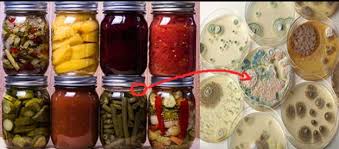
Canned foods include those packed in hermetically sealed containers and given high heat treatment. The products with a pH of 4.6 or above are given heat treatments to obtain commercial sterility, but those with a pH below 4.6 are given heat treatments ca.
100°C. Canned foods prepared and processed to obtain commercial sterility can have spores of thermophilic spoilage bacteria, namely Bacillus stearothermophilus, C. thermosaccharolyticum, and Desulfotomaculum nigrificans.
Their major sources in the products are soil and blanching water as well as sugar and starches used as ingredients. In canned products stored at 30°C or below, thermophilic spores do not germinate to cause spoilage.
However, if the cans are temperature-abused to 40°C or higher, the spores germinate; subsequently, the cells multiply and spoil the products. If the canned products are given lower heat treatment (ca. 100°C), spores of mesophilic bacteria that include both spoilage (B. coagulans, B. licheniformis, C. sporogenes, C. butyricum) and pathogenic types (B. cereus, C. perfringens, C. botulinum), along with the spores of thermophiles, survive.
In low-pH products, particularly in tomato products, B. coagulans spores can germinate and cells can multiply and cause spoilage. Other sporeformers can germinate and grow in high-pH products.
S. aureus toxins, if present in raw products, are not destroyed by the heat treatment of the canned products and can thus cause food poisoning following consumption of the products.
11. Microorganisms in Sugars and Confectioneries
Refined sugar is obtained from sugarcane and beets. Sugar can have thermophilic spores of B. stearothermophilus, B. coagulans, C. thermosaccharolyticum, and D. nigrificans, as well as mesophilic bacteria (e.g., Lactobacillus and Leuconostoc), yeasts, and molds.
When sugars are used as ingredients in food products, the spores can survive and cause spoilage of the products. Pathogens are not present in refined sugar unless contaminated. In liquid sugar, mesophiles can grow. Refined sugar, used in canned products or to make liquid sugar, has strict microbiological standards.
Confectioneries include a large variety of products with a sweet taste. These products have low Aw (≤0.84) and some have low pH. They may contain many types of bacteria, yeasts, and molds, but their microbiological standards are well regulated. Although they may harbor Lactobacillus, Leuconostoc, spores of Bacillus and Clostridium, and yeasts and molds, only a few osmotolerant yeasts and molds can grow.
However, when used as additives in other foods, confectioneries can be a source of these microbes. If ready-to-consume products are contaminated with pathogens, either from raw materials, environment, or personnel, they can cause foodborne diseases.
12. Microorganisms in Soft Drinks, Fruit and Vegetable Juices, and Bottled Water
Soft drinks are nonalcoholic beverages containing water, sweeteners, acids, flavoring, coloring, and emulsifying agents, and preservatives. Some may contain fruit juices and be carbonated or noncarbonated, with a pH of 2.5 to 4.0. Fruit juices (100%) have a pH of 4.0 or below. Vegetable juices (e.g., tomato) can have a pH of 4.5 or above.
Bottled water is obtained from either natural springs or drilled wells and handled under conditions that prevent contamination. Soft drinks can have different types of microorganisms, but only aciduric microorganisms, such as molds, yeasts, lactic acid bacteria, and acetic acid bacteria, can multiply.
In carbonated beverages, some yeasts, being microaerophilic, can grow; in beverages with fruit juices, Lactobacillus and Leuconostoc species can grow. In noncarbonated beverages, molds (Geotrichum) and Acetobacter and Gluconobacter spp. can also grow. Most of these come from the processing environment and equipment.
In fruit juices, molds, yeasts, Lactobacillus spp. (L. fermentum, L. plantarum), Leuconostoc spp. (L. mesenteroides), and acetic acid bacteria can grow.
Spoilage of fruit juices by acid-resistant spore-forming species from the genus Alicyclobacillus has currently been recognized. Some pathogens (e.g., acid-tolerant Salmonella spp. and E. coli O157:H7 strains in orange juice and apple cider) can remain viable for a long time (30 days or more) in the acid products.
Vegetable juices can have molds, yeasts, and lactic acid bacteria along with B. coagulans, C. butyricum, and C. pasteurianum. Bottled water should not contain more than 10 to 100 bacteria and >10 coliforms/100 ml.
The indigenous floras are mainly Flavobacterium, Alcaligenes, and Micrococcus. They may also have some Pseudomonas as contaminants from outside. They should not have pathogens unless produced under poor sanitation.
Do you have any questions, suggestions, or contributions? If so, please feel free to use the comment box below to share your thoughts. We also encourage you to kindly share this information with others who might benefit from it. Since we can’t reach everyone at once, we truly appreciate your help in spreading the word. Thank you so much for your support and for sharing!