


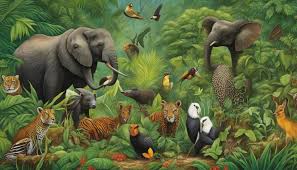
Nigeria boasts a remarkable biological diversity due to its varied physical environment, climate, and vegetation zones. This article explores the country’s ecosystems, unique species, and the evolution of its protected areas, including forest reserves, game reserves, and national parks, highlighting their significance and challenges.
The diverse habitats support species found nowhere else, but high population density and agricultural demands have strained natural areas.
Conservation efforts, rooted in traditional practices and formalized in the late 19th century, aim to protect these ecosystems. This article traces the history and structure of Nigeria’s conservation framework.
From sacred groves to modern national parks, Nigeria’s conservation journey reflects both cultural heritage and organized efforts. The article examines the establishment of forest and game reserves, their distribution, and the ecological importance of national parks, alongside challenges like funding and poaching.
This exploration provides insights into Nigeria’s commitment to preserving its natural heritage. It details the historical context, key protected areas, and their ecological significance, offering a comprehensive overview for readers interested in environmental conservation.
Forest Reserves in Nigeria
Nigeria’s forest reserves are critical for conserving its rich biodiversity. Organized conservation began in the late 19th century to address pressures from agricultural expansion. This section outlines the history, growth, and distribution of forest reserves across Nigeria’s geopolitical zones.
The establishment of forest reserves started in 1899, expanding significantly by 1950. These reserves protect vital ecosystems and resources, but their growth slowed post-independence. Understanding their distribution and significance helps highlight Nigeria’s conservation efforts and challenges.
A. Historical Development
1. Early Forestry Efforts: Organized conservation in Nigeria began with Sir Alfred Maloney’s 1887 work, “A Sketch of the Forestry of West Africa.” In 1897, Sir George Denton proposed a forestry department, marking the start of structured conservation.
2. First Forest Reserve: The first forest reserve was established in 1899. By 1902, H.N. Thompson, appointed Conservator of Forests, expanded reserves from 97,125 hectares in 1900 to 7,332,310 hectares by 1950.
3. Post-Independence Trends: After Nigeria’s independence, forest reserve creation slowed, stabilizing at about 11% of the total land area by 1980, reflecting shifts in national priorities and resource management.
B. Distribution by Geopolitical Zones
1. Reserve Coverage: Forest reserves cover approximately 10.992% of Nigeria’s land area, with significant variation across geopolitical zones, as detailed in Onochie’s 1984 data.
2. Zone-Specific Data: The South West has the highest reserve percentage (16.69%), while the South East has the lowest (1.63%), likely due to high population density limiting available land.
3. Notable Reserves: Examples include Olokemeji, Omo, Akure/Ofosu, Idanre, and Ngel-Nyaki forest reserves, each contributing to the preservation of Nigeria’s diverse ecosystems.
4. Regional Disparities: The North West and South South zones also have significant reserve areas (15.21% and 15.61%, respectively), reflecting varied ecological and demographic influences.
C. Challenges and Significance
1. Population Pressure: High population density, especially in the South East, restricts forest reserve expansion, increasing pressure on existing natural areas for agricultural use.
2. Conservation Importance: Forest reserves protect unique species and ecosystems, supporting biodiversity and providing resources like timber, medicine, and habitat for wildlife.
3. Management Issues: Inadequate funding and staffing hinder effective management, necessitating improved policies and resources to sustain these critical conservation areas.
Read Also: 15 Medicinal Health Benefits Of Aspidosperma quebracho-blanco (Quebracho Blanco)
Game Reserves in Nigeria
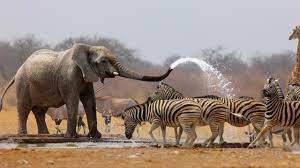
Game reserves are vital for protecting Nigeria’s wildlife, particularly in savanna regions. Established to curb habitat loss and poaching, they face management challenges. This section explores their historical background, development, and current status.
Initiated in the mid-20th century, game reserves like Yankari and Borgu evolved from forest reserves. They aim to safeguard wildlife, though issues like funding and poaching persist. Understanding their role highlights Nigeria’s wildlife conservation efforts.
A. Historical Background
1. Initial Surveys: In 1932, Col. A.H. Haywood surveyed West Africa’s wildlife, recommending game reserves in Northern Nigeria’s savanna areas, though implementation was delayed.
2. First Game Reserve: Yankari Game Reserve, established in 1957 in Bauchi State, was Nigeria’s first, followed by Borgu in 1962, both upgraded from forest reserves.
3. Rapid Expansion: By 1967, Nigeria had ten game reserves, increasing to 35 by 1980, covering about 2.7% of the land area, as per NARESCON 1992.
B. Current Status and Challenges
1. Coverage and Conversion: Game reserves span 25,356.39 km², with many, like Yankari, converted to national parks, reflecting a shift toward broader conservation strategies.
2. Management Issues: Poor funding, inadequate staffing, and lack of equipment hinder reserve management, with poaching remaining a widespread challenge despite regulations.
3. Regional Distribution: Fewer reserves exist in southern states due to high population density, concentrating most game reserves in less populated northern savanna regions.
C. Notable Game Reserves
1. Key Reserves: Examples include Falgore, Akpaka, Lame-burra, Kwaiambana, and Wase Rock Game Reserves, each protecting diverse wildlife species.
2. Wildlife Protection: These reserves prohibit hunting, except under permit, to safeguard species like antelopes, baboons, and birds, critical for ecological balance.
3. Ecological Role: Game reserves preserve habitats and support biodiversity, contributing to Nigeria’s environmental stability and tourism potential.
Read Also: 10 Medicinal Health Benefits Of Astrocaryum aculeatissimum (Tucum)
National Parks in Nigeria
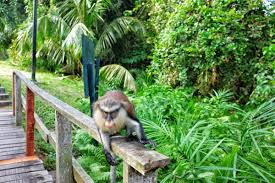
Nigeria’s eight national parks, derived from game reserves, are pivotal for conserving diverse ecosystems and wildlife. This section provides an overview of their establishment, ecological significance, and key features, focusing on major parks.
National parks like Kainji Lake and Cross River protect unique flora and fauna, from savanna woodlands to rainforests. They face challenges like poaching but remain vital for biodiversity. Detailed descriptions highlight their ecological and cultural importance.
A. Overview of National Parks
1. Origin and Number: Nigeria’s eight national parks, including Kainji Lake and Yankari, evolved from game reserves, established to protect wildlife and habitats.
2. Ecological Diversity: These parks span diverse ecosystems, from savanna to rainforest, supporting a wide range of species unique to Nigeria and globally significant.
3. Conservation Role: National parks are critical for preserving endangered species and ecosystems, contributing to biodiversity and environmental education.
B. Kainji Lake National Park
1. Location and Size: Located in Niger and Kwara States, Kainji Lake National Park covers 5,340.82 km², formed from Borgu and Zugurma game reserves.
2. Vegetation and Wildlife: It features Northern Guinea Savanna with Burkea/Detarium woodlands, hosting buffalo, roan antelope, hippopotamus, and lions.
3. Ecological Complexes: The park includes diverse ecological zones like Acacia/Anogeissus woodlands and the Oli River complex, supporting varied biodiversity.
C. Yankari National Park
1. Location and Size: In Bauchi State, Yankari spans 2,244 km² within Sudan Savanna, featuring Burkea africana woodland and 350 flora species.
2. Wildlife Diversity: It hosts buffalo, baboons, elephants, and a rich bird population in Gaji Valley, though rinderpest decimated buffalo in 1984.
3. Management Status: Reverted to a game reserve, Yankari is now managed by Bauchi State, facing challenges like poaching and resource constraints.
D. Cross River National Park
1. Location and Size: Covering 4,000 km² in Cross River State, this rainforest park has Okwangwo and Oban Hills divisions, rich in biodiversity.
2. Unique Flora: It includes six new plant species for Nigeria, like Asplenium cornutum, and globally significant species like Anceistocladskorupensis.
3. Wildlife Significance: Home to 78% of Nigeria’s primates, including drills, lowland gorillas, and forest elephants, it’s a biodiversity hotspot.
E. Gashaka Gumti National Park
1. Location and Size: Located in Adamawa and Taraba States, this 6,731 km² park on the Mambila Plateau is Nigeria’s largest and most scenic.
2. Ecological Zones: It spans scrub, savanna, rainforest, and montane zones, supporting rare species like colobus monkeys and wild dogs.
3. Conservation Importance: The park protects endangered species and diverse habitats, making it a critical site for biodiversity preservation.
Frequently Asked Questions
1. What is the significance of Nigeria’s forest reserves?
Forest reserves protect Nigeria’s biodiversity, preserving unique ecosystems and species while supporting resources like timber and medicine, despite population pressures.
2. When did organized conservation begin in Nigeria?
Organized conservation started in 1899 with the creation of the first forest reserve, following Sir Alfred Maloney’s 1887 forestry work in Lagos.
3. Why does the South East have the smallest forest reserve area?
High population density in the South East limits land availability for forest reserves, resulting in only 1.63% of its land being reserved.
4. What are game reserves, and what challenges do they face?
Game reserves are areas protecting wildlife, prohibiting hunting except by permit. They face challenges like inadequate funding, staffing, and widespread poaching.
5. How many national parks are in Nigeria, and what is their origin?
Nigeria has eight national parks, all derived from former game reserves, established to conserve diverse ecosystems and wildlife species.
6. What makes Cross River National Park unique?
Cross River National Park is a biodiversity hotspot with unique plant species and 78% of Nigeria’s primates, including lowland gorillas and chimpanzees.
7. What is the largest national park in Nigeria?
Gashaka Gumti National Park, covering 6,731 km² in Adamawa and Taraba States, is Nigeria’s largest and most scenic national park.
8. How do national parks contribute to conservation?
National parks preserve endangered species, protect diverse ecosystems, and support environmental education, enhancing Nigeria’s biodiversity and tourism potential.
Do you have any questions, suggestions, or contributions? If so, please feel free to use the comment box below to share your thoughts. We also encourage you to kindly share this information with others who might benefit from it. Since we can’t reach everyone at once, we truly appreciate your help in spreading the word. Thank you so much for your support and for sharing!