


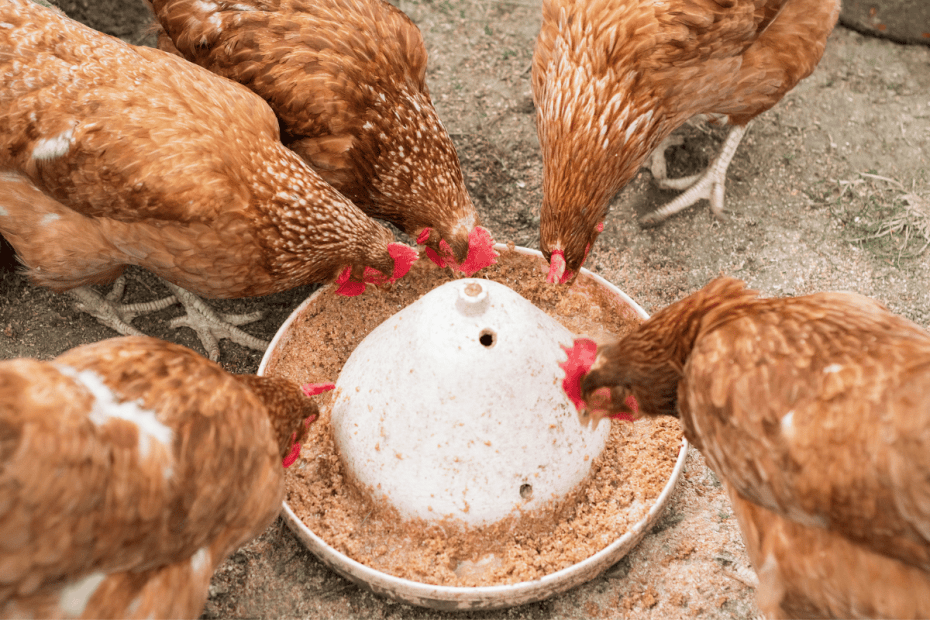
Nutrition is the process that provides nourishment to a living organism. For poultry, this means supplying specific food elements called nutrients that the bird’s body absorbs and uses to perform normal life functions. Whatever the body doesn’t use right away gets stored in the tissues.
Getting nutrition right in poultry farming is not optional. It’s the foundation of every other aspect of your operation. No matter how good your housing, biosecurity, or management practices are, poor nutrition will undermine everything. Birds that don’t get what they need can’t grow properly, can’t produce eggs consistently, and are more susceptible to disease.
Poultry nutrition is both a science and a practical skill. Science tells you what birds need. The practical skill is knowing how to provide it through the right feed formulation, quality ingredients, and proper management.
Understanding what goes into poultry feed helps you make better decisions. Many farmers buy commercial feed without really knowing what’s in it or why.
This is fine when the feed quality is reliable. But when you’re troubleshooting poor performance, understanding nutrition helps you identify whether a feed issue might be contributing to the problem.
Nutrition affects every measurable production outcome. Growth rate in broilers depends heavily on protein quality and energy levels. Egg production in layers depends on the right balance of energy, protein, calcium, and vitamins.
Feed conversion, which measures how much feed it takes to produce a kilogram of meat or a dozen eggs, reflects how well the diet matches the bird’s actual requirements.
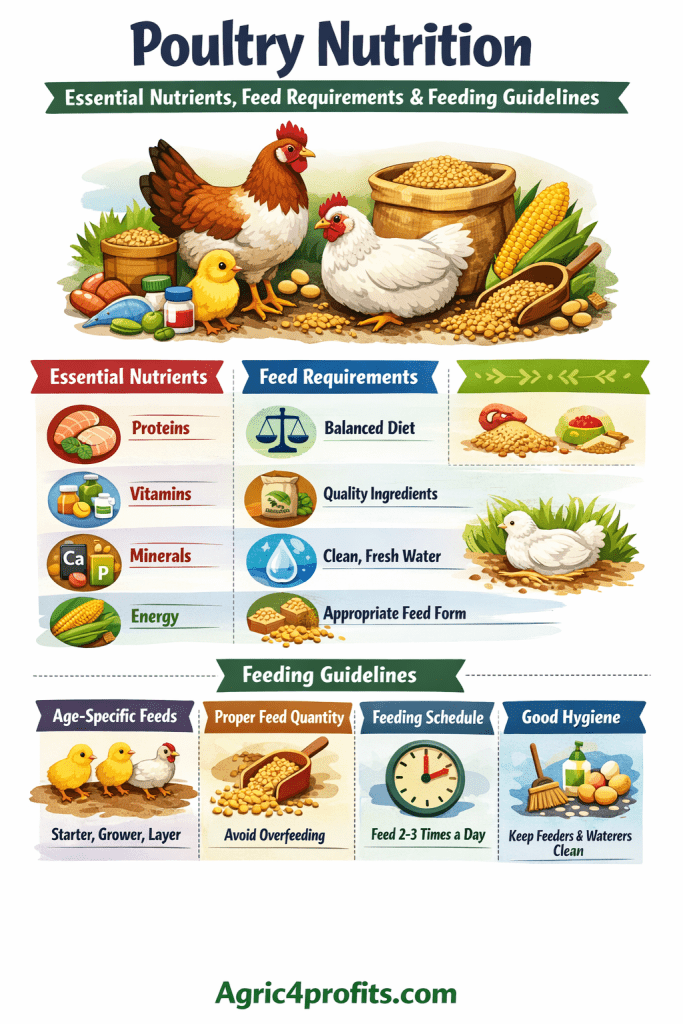
The nutrients required by poultry fall into five main categories: energy, protein, water, minerals, and vitamins. Feed additives like antioxidants and coccidiostats also play an important role in modern poultry production. Each category does a different job. Miss one and you’ll see the effects in production results.
This guide covers each nutrient category in detail. You’ll learn what each nutrient does, where it comes from, what signs point to deficiency, and what the recommended allowances are for different classes of birds.Tables
Tables at the end give you specific nutrient allowances for tropical conditions along with feed requirement data for broilers and pullets. Use this information to evaluate your current feeding program and identify any gaps.
1. The Nutrients Required by Poultry
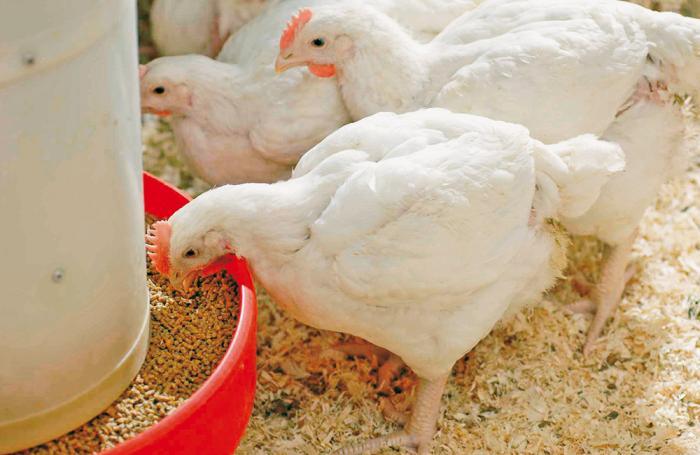
Poultry require five main categories of nutrients to grow, reproduce, and stay healthy. Each one plays a specific role that the others can’t replace.
i. Energy: Fuels body functions, growth, and production
ii. Protein: Builds muscle, feathers, and supports egg production
iii. Water: The most critical nutrient; makes up 70% of a chicken’s body
iv. Minerals: Build bone structure and support metabolic functions
v. Vitamins: Support growth, health, and reproductive function
A. Energy
Energy is what keeps birds alive and productive. It powers everything from breathing and walking to egg laying and feather growth. The energy requirement of poultry comes primarily from carbohydrates and fats (lipids). In adverse conditions, when carbohydrates and fats are insufficient, protein gets broken down to supply energy instead. This is wasteful because protein is expensive and serves other important functions.
Energy in poultry nutrition is normally expressed in units of metabolizable energy per unit weight, such as kilojoules per gram (KJ/G), or as a daily requirement (KJ/day). Metabolizable energy refers to that portion of feed available to the bird for producing meat and eggs, maintaining vital body functions, and regulating body temperature. Not all energy in feed is metabolizable. Some is lost in feces and urine.
Birds are usually given free access to feed and they eat to satisfy their energy requirements. This is important to understand. If you increase the energy density of the feed, birds will eat less of it.
If you reduce energy density, they’ll eat more. Birds are naturally good at regulating their energy intake, but this also means that protein and other nutrient levels in the diet need to be adjusted when energy levels change.
Sources of energy for poultry:
i. Maize: The most common energy source in tropical regions, highly digestible
ii. Sorghum: Good alternative to maize, widely available in many areas
iii. Millet: Useful energy source, especially where maize is expensive
iv. Wheat: Good energy value with some protein contribution
v. Barley: Lower energy than maize but widely used where available
vi. Maize bran: By-product with moderate energy, good for reducing feed costs
vii. Wheat bran: Useful fiber source with some energy contribution
viii. Brewers dried grain (BDG): By-product of beer brewing, contains energy and some protein
ix. Cassava: High starch content, good energy source when properly processed
x. Yam: Energy-rich tuber useful in some regions
xi. Vegetable oils: Highly concentrated energy sources including groundnut, coconut, soybean, and cottonseed oil
B. Protein
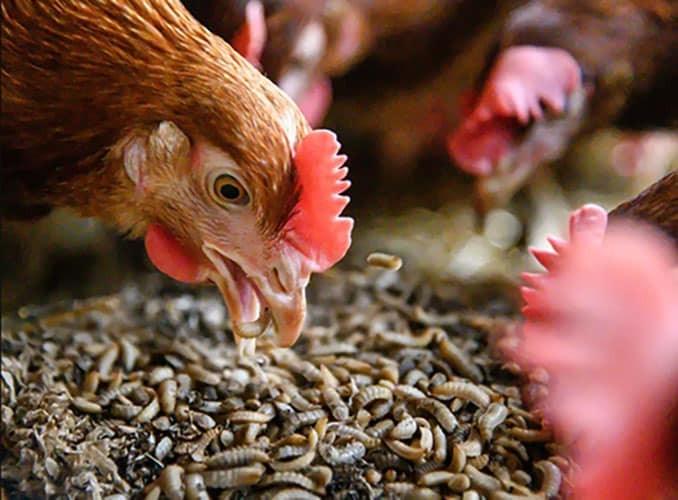
Proteins are nitrogen-containing compounds that promote growth and flesh formation. They build muscle tissue, feathers, and contribute to egg white and yolk formation. Proteins are made up of units called amino acids, linked together in chains.
The synthesis of proteins in the body requires about twenty different amino acids. Ten of these cannot be made by the birds themselves and must be provided in the diet. These are called essential amino acids. The body can make the other ten (non-essential amino acids) from other raw materials if given enough building blocks.
Essential amino acids that must be in the diet:
i. Phenylalanine: Important for protein synthesis and feather formation
ii. Valine: Critical for muscle development and nervous system function
iii. Threonine: Supports intestinal health and immune function
iv. Tryptophan: Needed for niacin synthesis and protein metabolism
v. Isoleucine: Works with leucine in muscle metabolism
vi. Methionine: Critical for feather quality and liver function; often the first limiting amino acid in plant-based diets
vii. Histidine: Important for tissue repair and red blood cell production
viii. Arginine: Essential for growth and immune function; poultry cannot synthesize this unlike mammals
ix. Leucine: Key role in protein synthesis and muscle development
x. Lysine: Critical for growth and muscle development; often limited in cereal-based diets
Non-essential amino acids (synthesized by the bird):
i. Alanine: Energy metabolism and glucose production
ii. Aspartic acid: Nitrogen metabolism
iii. Glycine: Important for young chicks despite being non-essential for adults
iv. Proline: Structural role in collagen
v. Hydroxyproline: Connective tissue structure
vi. Tyrosine: Feather pigmentation and thyroid hormone production
vii. Serine: Involved in fat and carbohydrate metabolism
viii. Cysteine: Feather protein structure, can spare methionine in the diet
ix. Cystine: Related to cysteine, feather structure
x. Glutamine: Gut health and immune system support
Of all the essential amino acids, lysine, methionine, and tryptophan are called critical amino acids because they are the most limiting in typical feedstuffs. This means feed ingredients usually don’t contain enough of them to meet bird requirements. Deficiency in essential amino acids leads to poor growth, poor egg production, and low feed efficiency.
Plant sources of protein:
i. Soybean meal: The most widely used plant protein, excellent amino acid profile
ii. Groundnut cake: Good protein source, widely available in West Africa
iii. Sunflower meal: Useful protein source with good methionine content
iv. Palm kernel meal: By-product with moderate protein, limits must apply due to fiber
v. Cottonseed cake: Available protein source but must be detoxified to remove gossypol
vi. Bambara nut meal: Traditional African protein source
vii. Locust bean meal: Available in some regions, useful supplementary protein
viii. Cowpea: Good plant protein with reasonable amino acid balance
ix. Ben seed meal: Alternative protein source in some regions
x. Shea butter meal: By-product with protein value
Animal sources of protein:
i. Fish meal: The highest quality animal protein, excellent amino acid balance, and palatability
ii. Meat meal: Good protein source from processed animal tissues
iii. Meat and bone meal: Combined protein and calcium/phosphorus source
iv. Blood meal: Very high protein content but limited amino acid balance; use in small amounts
v. Feather meal: Processed feathers, high protein but poor digestibility unless hydrolyzed
vi. Chicken offal meal: By-product from poultry processing with good protein value
vii. Maggot meal: Emerging protein source with good nutritional profile
viii. Termite meal: Traditional supplement in some African farming systems
ix. Grasshopper meal: Insect protein with good amino acid balance
C. Water
Water is the most important nutrient for farm animals, including poultry. The body of a chicken is composed of at least 70% water. Eggs are also mostly water. Despite this, water is often the most overlooked nutrient in poultry management.
Water intake of birds varies with age, temperature, body size, diet composition, and rate of egg production. Hot weather significantly increases water requirements. Birds on high-protein diets drink more water to excrete excess nitrogen. Laying hens need more water than non-layers because egg production requires water.
Estimated water intake at 21°C:
| Age (Week) | Water Intake per 100 Birds (Litres/Day) |
|---|---|
| 0-2 | 4-5 |
| 2-5 | 7-10 |
| 5-10 | 15 |
| 10-20 | 18-22 |
| Adult layers | 20-30 |
Lack of water can seriously retard growth rate and impair egg production. In tropical countries, water deprivation can lead to death within a very short period. A bird deprived of water for even a few hours in hot weather will reduce feed intake and production. Birds should always have free access to clean, fresh water.
D. Minerals
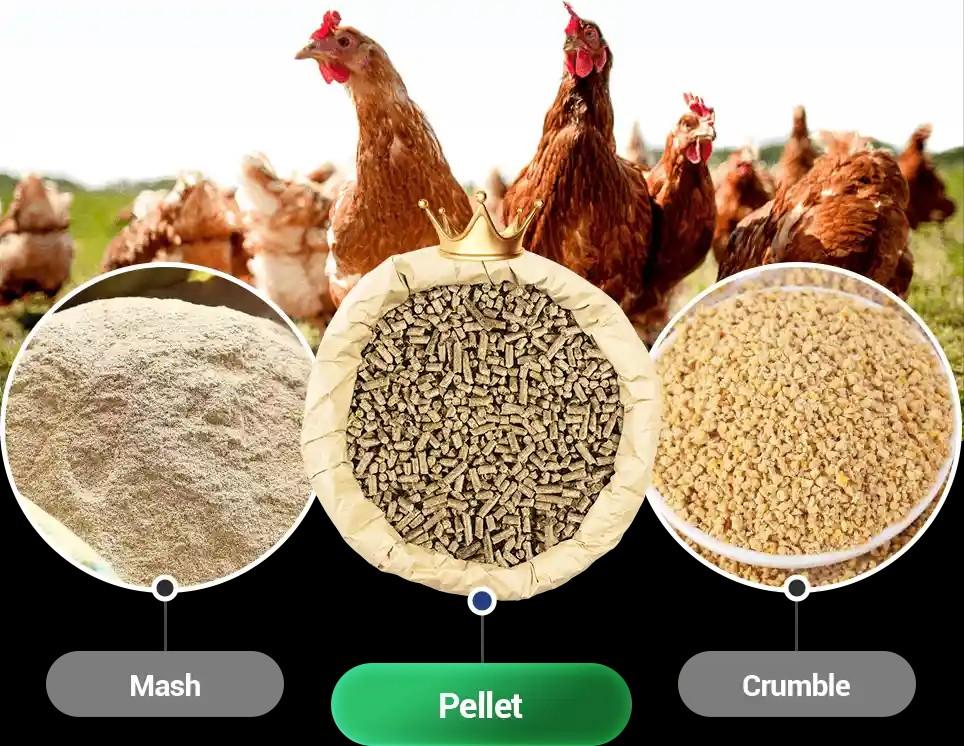
Minerals are inorganic substances required by farm animals to build their skeleton and perform various metabolic functions. Minerals are classified into two groups based on how much is required.
Macro or major elements are minerals required in relatively large quantities. These are calcium, potassium, magnesium, sodium, chlorine, and sulphur. These minerals serve structural and physiological functions throughout the body.
Micro or minor elements are required in small quantities. These include iron, zinc, copper, molybdenum, selenium, iodine, manganese, cobalt, and fluorine. The major minerals in poultry feeding are calcium and phosphorus.
Calcium is critical for bone development and eggshell formation. Layers need significantly more calcium than growers because each eggshell contains about 2g of calcium. Phosphorus works closely with calcium in bone formation and energy metabolism.
Read Also: Digestive System of Poultry
Common sources of minerals:
i. Bone meal: Good source of both calcium and phosphorus in a balanced ratio
ii. Oyster shell: Excellent calcium source for layers, improves eggshell quality
iii. Limestone: Widely used calcium source, very affordable
iv. Dicalcium phosphate: Provides both calcium and phosphorus in available form
v. Common salt (sodium chloride): Provides sodium and chlorine for fluid balance
vi. Wood ash: Traditional mineral supplement with calcium and some trace minerals
vii. Green grass: Provides some trace minerals and contributes to overall mineral intake
The micro minerals are usually incorporated as a premix. This premix contains most of the trace minerals in the right proportions required by the various classes of chicken. Using a quality mineral premix is the most practical way to ensure trace mineral adequacy.
E. Vitamins
Vitamins are organic compounds that the body cannot synthesize in sufficient quantities but needs for normal growth and good health. They are required in small amounts. There are thirteen vitamins required by poultry, divided into fat-soluble and water-soluble groups.
Fat-soluble vitamins are stored in body fat and liver tissue, which means they can build up to toxic levels if over-supplemented. Water-soluble vitamins are not stored as well, so they need to be supplied more regularly.
Fat-soluble vitamins:
i. Vitamin A: Essential for vision, immune function, and respiratory health. Deficiency causes poor growth, eye problems, and increased susceptibility to disease
ii. Vitamin D: Critical for calcium and phosphorus absorption. Deficiency causes rickets in young birds and soft bones in adults. Birds need sunlight or dietary supplementation
iii. Vitamin E: Antioxidant that protects cell membranes, supports immune function, and fertility. Works closely with Selenium
iv. Vitamin K: Required for normal blood clotting. Deficiency leads to hemorrhaging. Coccidiosis and some medications can deplete vitamin K
Water-soluble vitamins:
I. Thiamine (B1): Energy metabolism and nerve function. Deficiency causes star-gazing (head tilted back) in chicks
ii. Riboflavin (B2): Critical for growth and curled toe paralysis occurs with deficiency. One of the most important B vitamins in poultry
iii. Pyridoxine (B6): Protein metabolism and amino acid utilization. Deficiency causes nervous system problems
iv. Pantothenic acid: Part of coenzyme A, involved in energy and fat metabolism. Deficiency causes skin and feather problems
v. Nicotinic acid (Niacin): Energy metabolism. Deficiency causes poor growth and leg problems
vi. Biotin: Fat metabolism and glucose production. Deficiency causes foot pad and skin lesions
vii. Folic acid: Cell division and red blood cell formation. Deficiency reduces growth and feathering
viii. Cobalamin (B12): Works with folic acid in cell division. Deficiency causes poor growth and anemia
ix. Ascorbic acid (Vitamin C): Helps with stress response and immune function. Poultry can synthesize this vitamin but may need supplementation under heat stress
Some vitamins are available in green feeds, grains, and animal proteins. But to be safe and consistent, all thirteen vitamins are available in synthetic form as a vitamin premix. Using a quality premix is the most reliable way to ensure vitamin adequacy across your flock.
2. Feed Additives
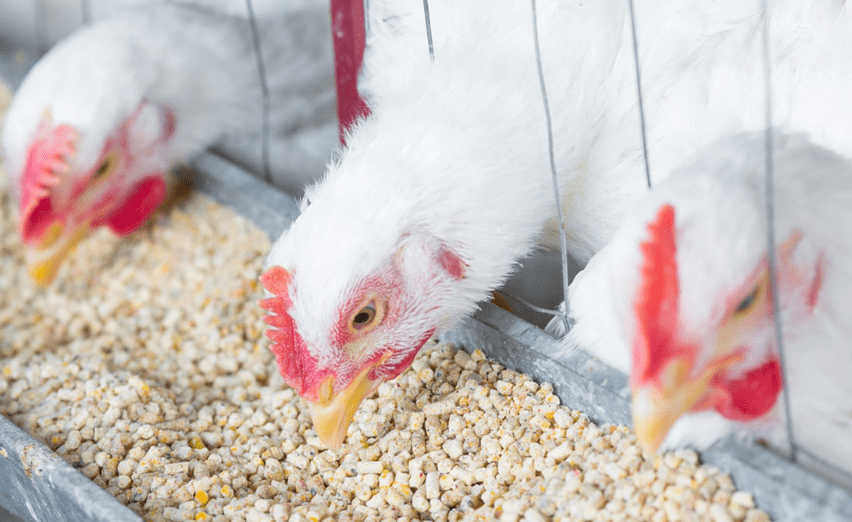
Beyond the core nutrients, certain additives play an important role in poultry feed formulation. These are not nutrients in the traditional sense but they protect feed quality and bird health.
I. Antioxidants: Examples include ethoxyquin or butylated hydroxytoluene (BHT) at the rate of 112g per tonne of feed to prevent oxidation of vulnerable vitamins, especially vitamin A. Fats and oils in feed oxidize over time, producing rancid compounds that reduce feed palatability and destroy vitamins. Antioxidants prevent this breakdown and extend feed shelf life.
ii. Coccidiostats: These are usually introduced at prophylactic levels in broiler diets according to the recommendation of manufacturers. They prevent coccidiosis, a serious intestinal disease caused by protozoan parasites. Coccidiostats are completely withdrawn towards the end of the fattening period to ensure no drug residues remain in the meat at slaughter.
3. Recommended Nutrient Allowances for Poultry Under Tropical Conditions
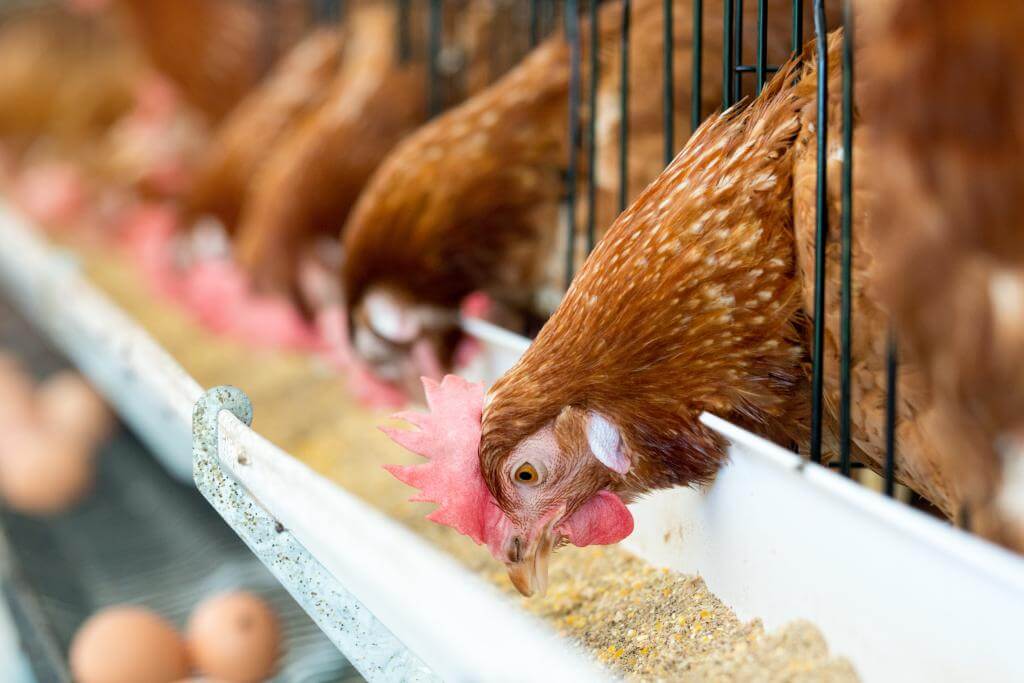
These tables give you the specific nutrient targets to aim for when formulating or evaluating feed for different classes of birds under tropical climatic conditions.
Table: Nutrient Allowances for Poultry Under Tropical Climatic Conditions
| Nutrients | Chick Ration | Growers Ration | Layers Ration | Broiler Starter | Broiler Finisher |
|---|---|---|---|---|---|
| Crude protein (%) | 19.5 | 15.0 | 16.5 | 22.0 | 20.0 |
| Crude fibre (%) | 5.0 | 6.0 | 5.0 | 5.5 | 5.5 |
| Metabolizable energy (kcal/kg) | 2700 | 2650 | 2600 | 2850 | 2900 |
| Calcium (%) | 1.0 | 0.80 | 3.20 | 1.0 | 0.80 |
| Phosphorus (%) | 0.45 | 0.50 | 0.50 | 0.70 | 0.50 |
| Sodium (%) | 0.15 | 0.10 | 0.15 | 0.15 | 0.12 |
| Vitamin A (IU) | 5000 | 3500 | 4000 | 5000 | 3500 |
| Lysine (%) | 1.00 | 0.65 | 0.70 | 1.30 | 1.10 |
| Methionine (%) | 0.40 | 0.30 | 0.35 | 0.50 | 0.40 |
| Tryptophan (%) | 0.20 | 0.15 | 0.18 | 0.25 | 0.20 |
Notice that layers require significantly more calcium (3.20%) than other bird classes. This supports eggshell formation. Broiler starters need the highest protein levels (22%) to support rapid early muscle growth.
Table: Feed Requirement and Body Weight of Broilers
| Age (Weeks) | Average Weight/Bird (kg) | Feed Requirement/100 Birds (kg) | Feed Requirement Cumulative/100 Birds (kg) |
|---|---|---|---|
| 1 | 0.036 | 10 | 10 |
| 2 | 0.080 | 18 | 28 |
| 3 | 0.140 | 21 | 49 |
| 4 | 0.200 | 26 | 75 |
| 5 | 0.350 | 39 | 140 |
| 6 | 0.510 | 52 | 166 |
| 7 | 0.90 | 58 | 224 |
| 8 | 1.5 | 67 | 286 |
| 9 | 2.1 | 67 | 358 |
| 10 | 2.5 | 71 | 424 |
This table helps you plan feed purchases and monitor whether your broilers are growing on target. By week 8, a well-managed broiler should weigh 1.5kg and the flock will have consumed 286kg of feed per 100 birds cumulatively.
Table: Growth Rate, Feed Intake, and Floor Space Requirement of Pullets
| Age (Week) | Body Weight (g) | Feed/Bird/Day (g) | Floor Space (cm²/bird) |
|---|---|---|---|
| 1 | 45 | 10 | 232 |
| 2 | 90 | 16 | 232 |
| 3 | 126 | 22 | 232 |
| 6 | 270 | 44 | 464 |
| 10 | 427 | 63 | 0.10 m² |
| 15 | 652 | 69 | 0.18 m² |
| 18 | 780 | 75 | 0.30 m² |
| 20 | 850 | 79 | 0.30 m² |
Note: An average layer consumes 100g of feed per day or up to 130g for heavy breeds.
Understanding Poultry Digestion and Nutrient Absorption
The fowl is a simple-stomach animal. Digestion starts in the mouth and ends in the small intestine, where nutrients are absorbed through the intestinal wall. The caecum handles the digestion of fiber and water absorption, while the large intestine absorbs water and stores fecal matter before excretion.
This digestive structure explains why fiber levels in poultry feed need to stay within certain ranges. Too much fiber reduces the energy and nutrient density of the diet. But some fiber supports gut health and function.
The energy required by poultry comes from carbohydrates, lipids, and sometimes proteins. Essential amino acids must come from the diet because birds can’t make them. Lysine, methionine, and tryptophan are the critical amino acids to watch because they’re most often deficient in typical feedstuffs.
Minerals classified as macro elements are required in large quantities. Microelements are needed in small amounts but are still essential for health and production. Vitamins are either fat-soluble or water-soluble and must be supplied through feed or premix to meet requirements.
Read Also: Poultry Equipment Requirements and Maintenance
Summary on Poultry Nutrition
| Nutrient | Role | Key Sources | Deficiency Effects |
|---|---|---|---|
| Energy | Powers body functions, growth, production | Maize, sorghum, cassava, vegetable oils | Poor growth, reduced production, weight loss |
| Protein | Builds muscle, feathers, egg formation | Soybean meal, fish meal, groundnut cake | Poor growth, low egg production, bad feed conversion |
| Water | Body composition, metabolic reactions | Drinking water (free access) | Growth retardation, egg production drop, death |
| Calcium | Bone structure, eggshell formation | Limestone, oyster shell, bone meal | Soft bones, thin-shelled eggs, rickets |
| Phosphorus | Bone formation, energy metabolism | Dicalcium phosphate, bone meal | Leg weakness, poor growth |
| Vitamins A, D, E, K | Fat-soluble; vision, immunity, clotting | Green feed, premix | Eye problems, soft bones, hemorrhage |
| B Vitamins | Water-soluble; energy metabolism | Grains, premix | Nerve problems, poor growth, skin lesions |
| Lysine | Critical amino acid for growth | Fish meal, soybean meal | Poor growth, muscle development problems |
| Methionine | Critical amino acid for feathers, liver | Fish meal, synthetic supplement | Poor feathering, fatty liver |
| Antioxidants | Protect feed vitamins from oxidation | Feed additive | Vitamin A destruction, rancid feed |
| Coccidiostats | Prevent intestinal parasites in broilers | Feed additive | Coccidiosis outbreak, high mortality |
Frequently Asked Questions About Poultry Nutrition
1. What is the most important nutrient for poultry?
Water. It’s easy to overlook because it’s not in the feed bag, but a chicken’s body is at least 70% water. A bird can survive longer without food than without water. In tropical heat, water deprivation for even a few hours reduces production and can kill birds within a short time. Always ensure clean, fresh water is freely available.
2. Why do layers need more calcium than other birds?
Layers use about 2g of calcium for every eggshell they produce. At peak production of one egg per day, this adds up fast. The layer ration contains 3.20% calcium compared to just 0.80-1.0% for growers and broilers. Insufficient calcium leads to thin or soft eggshells, shell-less eggs, and eventually bone damage as the bird draws calcium from her own skeleton to support production.
3. What are the critical amino acids and why do they matter?
Lysine, methionine, and tryptophan are the most limiting amino acids in typical poultry feed ingredients. Most cereal grains and plant proteins don’t contain enough of these to meet bird requirements on their own. Feed formulation focuses heavily on meeting these three amino acid levels first. Deficiency causes poor growth, low egg production, and poor feed conversion efficiency.
4. How do I know if my birds have a nutritional deficiency?
Common signs include poor growth rates below breed targets, reduced egg production, poor feather condition, soft or thin eggshells, increased disease susceptibility, unusual behaviors like feather pecking, and high mortality in young birds. Specific deficiencies cause specific symptoms. Riboflavin deficiency causes curled-toe paralysis. Vitamin A deficiency causes eye discharge. Calcium deficiency causes thin shells. When you see these signs, check your feed formulation and ingredient quality.
5. What’s the difference between metabolizable energy and gross energy?
Gross energy is the total energy in feed measured by complete combustion. Not all of this is available to birds. Some energy is lost in feces and urine. Metabolizable energy (ME) is what’s left after these losses and what’s actually available for body functions, growth, and production. ME is the value used in poultry feed formulation because it reflects what birds can actually use.
6. Can I feed kitchen scraps or farm waste to poultry?
You can use some by-products like maize bran, wheat bran, and brewers’ dried grain. These are established feed ingredients. Kitchen scraps from a household are different. They may contain nutrients but you can’t control the composition, so balancing the ration becomes difficult. Some scraps may also carry disease risk or contain harmful substances. If you use non-standard ingredients, do so in small proportions and supplement with a balanced commercial feed or premix.
7. Why do broilers need higher protein than layers?
Broilers are bred for rapid muscle growth. Muscle is mostly protein. Broiler starters need 22% crude protein to support the intense growth rate in the first weeks. Layers are bred for egg production, not muscle growth. Their protein requirement (16.5%) is lower because they’re maintaining body condition and producing eggs rather than building muscle mass. Feeding excess protein to layers wastes money and can cause kidney problems over time.
8. What does a vitamin premix actually contain?
A standard poultry vitamin premix contains all thirteen vitamins in concentrated form. This includes vitamins A, D, E, and K (fat-soluble) plus the nine B vitamins and vitamin C. The premix is formulated so that the recommended inclusion rate per tonne of feed delivers the required level of each vitamin. Quality premixes also often include trace minerals. Using a reputable brand premix is the most practical way to ensure your birds get all vitamins in the right amounts.
9. How does heat stress affect poultry nutrition needs?
Heat stress reduces feed intake but increases water consumption. When birds eat less, they get fewer nutrients overall. At the same time, heat stress increases the need for vitamin C, electrolytes (sodium, potassium, chloride), and some B vitamins. In hot climates, you may need to increase nutrient density in the feed to compensate for reduced intake, or supplement specific vitamins and electrolytes in the drinking water during hot periods.
10. What happens if I use too much fish meal in my feed?
Fish meal is an excellent protein source but too much causes problems. High fish meal inclusion can give eggs and meat a fishy off-flavor, which makes them unacceptable in the market. Fish meal is also expensive, so excessive use increases feed costs unnecessarily. Trimethylamine from fish meal causes the fishy flavor. Most nutritionists recommend keeping fish meal below 5-8% in layer and broiler rations. Use soybean meal and other plant proteins as the primary protein source, with fish meal as a supplement.
Do you have any questions, suggestions, or contributions? If so, please feel free to use the comment box below to share your thoughts. We also encourage you to kindly share this information with others who might benefit from it. Since we can’t reach everyone at once, we truly appreciate your help in spreading the word. Thank you very much for your support and for sharing!
Read Also: Anatomy of Fishes: Female Fish and their Reproductive Strategies