


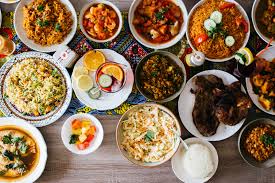
West Africa is endowed with a diverse array of foods, reflecting the region’s rich agricultural and cultural heritage. The variety of foods consumed in the region, such as tubers, fruits, vegetables, cereals, meat, and fish, highlights this diversity. These foods can be classified into five basic food groups based on similarities in their nutrient composition.
This article discusses the classification of typical West African foods, focusing on their structure, composition, and nutritional significance. Understanding the composition and structure of these foods is crucial for ensuring adequate nutrition, as well as for effective food storage, processing, and transportation.
This article outlines the classification of West African foods, their major constituents, and examples of foods in each group.
Classification Overview of West African Foods
West African foods can be classified into the following five groups:
- Milk and Milk Products
- Meat, Fish, Nuts, and Beans
- Cereals and Grains
- Roots, Starchy Fruits, and Tubers
- Fruits and Vegetables
Nutritional Benefits of Milk and Milk Products
This group comprises all dairy products, including fresh milk, skim milk, buttermilk, condensed milk, powdered milk, local and foreign cheeses, butter, yoghurt, and ice-cream.
Individuals with varying degrees of lactose intolerance have a choice of cheeses, buttermilk, and yoghurt. However, for those who must watch their weight, the use of ice-cream and other milk-containing beverages should be restricted.
Read Also: How to Extract and Package Snail Slime (Snail filtrate) for Commercial Use
Nutritional Benefits of Meat, Fish, Nuts, and Beans
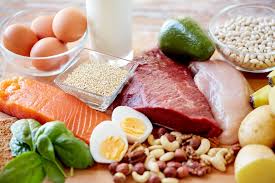
This group includes meats, poultry, fish, snails, shrimp, termites, grubs, edible insects such as caterpillars, locusts, crickets, and grasshoppers, crabs and other sea products, eggs, legumes (pulses), seeds, and nuts.
Although the nutritional contributions of the members of this group vary, they all provide valuable amounts of energy, protein, iron, and B-complex vitamins. The various cuts of meat compare favorably with the amounts of protein available in poultry or fish.
While legumes contain only about 30 percent of the protein available in animal protein foods of equivalent weight, other valuable components of the various foods in this group compare quite favorably with meats, particularly in light of the high cost and variable prices of the latter.
Furthermore, since large amounts are consumed, legumes are perhaps the most important sources of protein in many African diets, partly because they are relatively cheap, palatable, and keep fairly well.
Greater use of legumes, nuts, poultry, and fish would help reduce the intake of saturated fat, which is abundant in meats (beef contains 20–30 percent saturated fat, compared with poultry and fish, which contain 6 percent and 2–8 percent, respectively).
Nutritional Benefits of Cereals and Grains
The separation of cereals and grains from tubers, roots, and starchy fruits is based on differences in their ease of storage and protein content. Although of plant origin, this group contributes not only carbohydrates but also B-complex vitamins, iron, magnesium, and generous amounts of protein and energy to the diet.
Members of this group include bread and other wheat products such as Semovita, rice, maize, guinea-corn (sorghum), and millet. It is believed that there is hardly any village in Africa where one cereal or another is not used as a staple.
As a group, cereals constitute the most important food for people worldwide, with approximately half of the global population depending heavily on rice. The survival of the peoples of the Sahel regions has been attributed to the use of cereals, limited only in lysine and sulfur-containing amino acids.
Nutritional Benefits of Roots, Starchy Fruits, and Tubers
This group includes yams, sweet potatoes, cassava, plantains, and breadfruit. They are common staples in the wetter, more humid regions of Africa but are readily perishable and cannot be stored for long periods. Because of storage limitations, they are seasonal foods.
As a group, they are mainly starchy foods and major sources of readily available energy, with high caloric density, supplying about 385 kilocalories per 100 grams of dry matter and very low amounts of other nutrients.
Thus, they are limited in their contribution to a balanced diet. In general, cereals and grains, along with roots, starchy fruits, and tubers, constitute the largest portion of the typical Nigerian diet.
These foods, especially the latter, due to their limited contributions to a balanced diet, are usually consumed alongside typical African sauces and soups like egusi soup, bitter leaf soup, ewedu soup, and tomato sauce, which provide additional nutrients to the diet.
Read Also: The Health Benefits of Using Accent Seasoning on your Cooking
Nutritional Benefits of Fruits and Vegetables
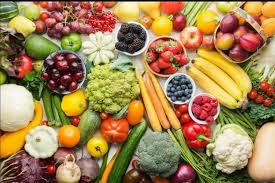
This group provides nutritionally important quantities of water-soluble vitamins, especially folic and ascorbic acids, carotene (the precursor of vitamin A), and minerals. Furthermore, many members of this group make substantial contributions of roughage to the diet in the form of cellulose.
Fruits have low protein content, while the protein content of vegetables, often overlooked, may be significant. Common fruits include mangoes, pawpaws, guavas, coconuts, oranges, grapefruit, tangerines, bananas, pineapples, imported apples, African pears, cashew fruits, avocado pears, and watermelon.
Common vegetables include tomatoes, spinach, mushrooms, pumpkins, onions, okra, collard greens, bitter leaf, water leaf, carrots, cabbage, fluted pumpkin leaves, and lettuce.
West Africa is blessed with a great variety of foods, classified into five groups: milk and milk products; meat, fish, nuts, and beans; cereals and grains; roots, starchy fruits, and tubers; and fruits and vegetables.
Each group provides essential nutrients that contribute to the survival and well-being of people in the West African region, including Nigeria. Examples of foods in the first group include raw milk, yoghurt, and ice-cream. The second group includes muscle meat, fish, cowpea, and nuts.
The third group comprises rice, maize, and sorghum. The fourth and fifth groups include yams, cassava, potatoes, watermelon, oranges, and carrots. The first two groups are significant for their protein content, while the third and fourth groups provide substantial amounts of carbohydrates.
The fifth group is vital for vitamins and minerals. The variety of foods available should be appropriately harnessed to ensure adequate nutritional intake for the populace.
Do you have any questions, suggestions, or contributions? If so, please feel free to use the comment box below to share your thoughts. We also encourage you to kindly share this information with others who might benefit from it. Since we can’t reach everyone at once, we truly appreciate your help in spreading the word. Thank you so much for your support and for sharing!