


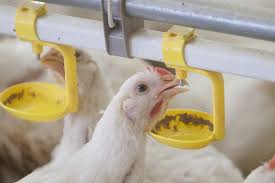
Broiler nutrition has evolved significantly, moving beyond traditional metrics like growth and feed conversion ratio (F.C.R.). Today’s nutritionists face complex challenges, including genetic improvements, consumer demands for diverse products, and environmental regulations.
This article explores key aspects of broiler nutrition, offering practical insights for optimizing feed formulations and management practices to enhance performance and carcass quality.
Modern broiler production requires balancing genetic potential with economic efficiency. Factors such as feed presentation, amino acid profiles, and environmental controls play critical roles.
By addressing these, producers can meet consumer expectations for antibiotic-free, high-quality products while maintaining sustainable practices. This guide provides detailed recommendations for achieving these goals.
Challenges in Broiler Nutrition
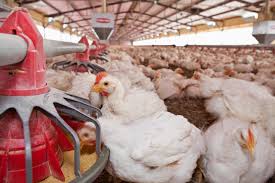
The broiler industry has seen rapid genetic advancements, leading to birds that grow faster but are prone to overeating, causing production issues. Consumer preferences have shifted toward diverse, high-quality products, including cut-up and further-processed items, often requiring antibiotic-free or vegetarian diets. Additionally, environmental regulations demand reduced nitrogen and phosphorus discharges, complicating feed formulation.
Meeting these challenges involves balancing high-energy pellet feeds with low-energy mash feeds. Ad libitum feeding may not always optimize feed efficiency or carcass quality. Nutritionists must adapt formulations to specific production goals, considering economic efficiency and the limitations of standard nutritional guidelines.
A. Genetic Advancements and Feed Intake
1. Genetic Improvements: Advances in broiler genetics have increased growth rates, but overeating can lead to health and production issues. Nutritionists must adjust feed to prevent excessive intake.
2. Feed Efficiency Challenges: Ad libitum feeding often reduces feed efficiency. Controlled or restricted feeding methods can improve carcass quality and F.C.R., aligning with production goals.
3. Economic Considerations: Standard nutritional recommendations serve as a reference but must be tailored for economic efficiency, as maximum genetic potential may not always be cost-effective.
4. Production Network Impact: Overeating due to genetic predispositions can strain the production network, necessitating precise feed management to maintain bird health and performance.
B. Consumer and Environmental Demands
1. Diverse Product Needs: Consumers demand a variety of products, including cut-up and processed items, often free from meat products, growth promoters, or antibiotics, requiring specialized diets.
2. Environmental Regulations: Stricter controls on nitrogen and phosphorus discharges necessitate careful feed formulation to minimize environmental impact while maintaining bird performance.
3. Biosecurity and Management: Enhanced grower controls over climatic conditions, housing, and biosecurity influence feed formulation, requiring alignment with these management practices.
4. Feed Presentation Options: High-energy pellet feeds versus low-energy mash feeds offer different benefits, with formulation needing to account for pelleting processes and feeding methods.
Read Also: How Does a Farmer Know His Fish Is Diseased?
Practical Feed Formulation Strategies
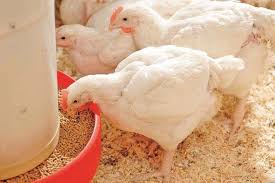
Practical feed formulation relies on continuous feedback from field results, slaughterhouse data, and raw material analysis. Close monitoring of flock performance is essential to ensure feed quality. By integrating real-time data, nutritionists can adapt formulations to optimize costs and performance across the production network.
This approach minimizes performance variations over time, ensuring consistent outcomes. Regular evaluation of feed and flock data allows for dynamic adjustments, aligning nutritional strategies with production goals and economic considerations.
A. Data-Driven Formulation
1. Field Result Integration: Regular field data collection ensures feed formulations reflect real-world performance, allowing for timely adjustments to meet production targets.
2. Slaughterhouse Feedback: Analysis of slaughterhouse results provides insights into carcass quality, guiding formulation changes to enhance yield and reduce defects.
3. Raw Material Analysis: Evaluating raw ingredients and final feed ensures nutritional consistency, addressing variations that could impact broiler performance.
4. Continuous Monitoring: Ongoing flock control and feed evaluation are critical for maintaining quality, reducing variability, and optimizing production costs.
B. Optimizing Feed Quality
1. Feedback Loop Importance: Close follow-up of field results is the cornerstone of feed quality, ensuring formulations meet the specific needs of each flock.
2. Economic Optimization: Properly applied formulation strategies limit performance fluctuations, offering an economical way to enhance production efficiency.
3. Actionable Insights: Combining information, analysis, and action enables nutritionists to refine feed formulations, addressing challenges like nutrient assimilation and carcass quality.
4. Adaptive Formulations: Dynamic adjustments based on field and analytical data ensure feed aligns with environmental, genetic, and consumer-driven demands.
Feeding Strategies for Young Chicks
Early feeding is critical for young chicks, stimulating digestive system development and optimizing yolk utilization. Providing starter feed quickly after hatching enhances the function of the intestine, villi, liver, and pancreas, supporting essential systems like the nervous and immune systems.
Young chicks face challenges in nutrient assimilation due to limited enzyme production in the first two weeks. Selecting highly digestible raw materials and avoiding high-energy saturated fats are key to supporting early growth and development.
A. Importance of Early Feeding
1. Digestive Development: Early feeding stimulates the intestine, villi, liver, and pancreas, enhancing digestive capacity and nutrient absorption in young chicks.
2. Yolk Utilization Efficiency: Prompt feeding post-hatching optimizes yolk use for developing critical systems, such as the nervous and immune systems, improving chick vitality.
3. Growth Performance Impact: Early access to feed improves weight gain and overall health, setting the foundation for better performance throughout the growing period.
4. Feeding Practices: High light intensity, appropriate feeder sizes, regular feeding, and easy water access encourage feed intake, supporting early chick development.
B. Nutrient Assimilation Challenges
1. Enzyme Deficiency: Young chicks lack sufficient enzymes in the first two weeks, leading to poor assimilation of nutrients like proteins and lipids.
2. Digestibility Variations: Apparent digestible values improve with age, with organic material, protein, and lipids showing significant increases by 20–21 days.
3. Raw Material Selection: Ingredients high in non-amylase polysaccharides (N.A.P.) are poorly assimilated, requiring careful selection of digestible raw materials.
4. Energy Value Considerations: Energy values of feeds like soya cake, wheat, and maize increase with age, necessitating tailored formulations for young chicks.
Protein and Amino Acid Requirements
The concept of ideal protein defines amino acid requirements relative to lysine, with sulphur amino acids (S.A.A.) becoming more critical as broilers age due to feather growth. Protein levels should be adjusted to minimize litter deterioration and nitrogen excretion, using a mix of raw materials and synthetic amino acids.
Sulphur amino acids, particularly methionine and cystine, are the first limiting amino acids in poultry feed. Proper ratios and levels are essential for optimizing growth, F.C.R., and breast meat yield while reducing fat content.
A. Ideal Protein Concept
1. Amino Acid Ratios: The ideal protein concept sets amino acid requirements relative to lysine, with S.A.A. increasing in importance due to feather growth demands.
2. Feather Growth Needs: Feathers, rich in S.A.A., require a higher S.A.A./lysine ratio as broilers age, impacting overall protein formulation strategies.
3. Synthetic Amino Acids: Using synthetic lysine, methionine, and threonine allows for reduced protein levels while meeting essential amino acid requirements.
4. Age-Based Adjustments: Amino acid needs shift with age, with methionine and cystine requirements rising to support feather development in later growth stages.
B. Sulphur Amino Acids and Lysine
1. S.A.A. Limitations: Sulphur amino acids are the first limiting factor in poultry feed, requiring careful formulation to meet growth and feathering needs.
2. Methionine and Cystine Balance: Formulations should maintain a methionine/S.A.A. ratio of at least 0.55, especially when using cystine-rich raw materials.
3. Lysine Requirements: Lysine, the second limiting amino acid, decreases in importance with age due to lower feather content, but excess lysine increases arginine needs.
4. Impact on Performance: Deficiencies in S.A.A. or lysine increase F.C.R., reduce breast meat yield, and elevate fat levels, affecting carcass quality.
C. Other Essential Amino Acids
1. Threonine and Valine: These become limiting when synthetic lysine is used, requiring careful consideration in maize-soya or meat meal-based rations.
2. Arginine Considerations: Arginine may become the third or fourth limiting amino acid, particularly in rations using peas or fishmeal, impacting formulation strategies.
3. Non-Limiting Amino Acids: Isoleucine and tryptophan are generally not limiting, simplifying formulation for these nutrients in most broiler diets.
4. Optimizing F.C.R. and Yield: Higher amino acid levels are needed to optimize F.C.R. and breast meat yield compared to those required for maximum growth.
Read Also: Types of Fishes Diseases and Methods of Prevention/Treatment
Feed Presentation and Energy Levels
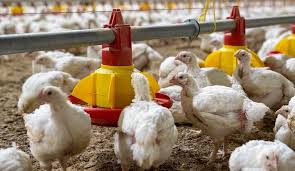
Feed presentation significantly impacts feed consumption and digestibility. Pelleted feeds improve ingestion rates and growth, particularly with low-energy diets. Particle size and raw material characteristics also influence digestibility, with larger particles aiding the breakdown of complex feeds.
In hot climates, nutritional strategies must account for reduced feed intake and increased water consumption. Using high-quality pellets or large-particle mash, along with higher protein levels, can mitigate the negative effects of heat on growth and F.C.R.
A. Feed Presentation Effects
1. Pellet vs. Mash: Pelleted feeds enhance consumption and growth compared to fine mash, with benefits most pronounced in low-energy diets.
2. Particle Size Impact: Larger particle sizes improve growth rates in mash feeds, while fine particles can reduce digestibility in high-energy formulations.
3. Energy Efficiency: Pelleting reduces the energy required for feed ingestion, improving overall performance, especially in feeds with lower metabolizable energy.
4. Whole Grain Benefits: Incorporating whole grains reduces ingestion energy and enhances digestibility, particularly for feeds high in non-amylase polysaccharides.
B. Digestibility and Raw Materials
1. Raw Material Influence: Feeds like corn and soya are easily digested, requiring less gizzard action, while N.A.P.-rich cereals need larger particle sizes for proper breakdown.
2. Enzyme Use: Enzymes like cellulase and xylanase improve starch digestion in cereals like wheat and barley, reducing intestinal viscosity and enhancing nutrient assimilation.
3. Bacterial Flora Control: Proper feed digestibility limits undigested particles in the lower intestine, reducing the risk of harmful bacterial growth like E. coli.
4. Risky Formulations: Using difficult-to-digest raw materials requires precise grinding and pelleting to maintain digestibility and prevent increased intestinal viscosity.
C. Hot Weather Nutrition
1. Heat Impact on Performance: High temperatures reduce feed intake by 1.5–2.5% per °C above 20°C, increasing water consumption and worsening F.C.R.
2. Protein Level Adjustments: Increasing protein and amino acid levels in hot weather improves muscle development and reduces fat deposits, countering heat stress effects.
3. Feed Presentation Strategies: Good-quality pellets or large-particle mash reduce eating time, conserving energy and improving nutrient utilization in hot conditions.
4. Arginine/Lysine Ratio: Increasing the arginine/lysine ratio by 10–15% enhances liveability and performance during hot weather, supporting broiler health.
Nutritional Specifications for Broilers
Below are detailed nutritional specifications for broilers across different slaughter weights and conditions, ensuring optimal growth, F.C.R., and carcass quality. These recommendations account for age-specific needs, feed presentation, and environmental factors like hot climates or certified production.
A. Broilers Slaughtered Up to 1.5 kg
1. Starter Phase (0–10 Days):
- Metabolizable Energy: 3,000–3,050 kcal/kg
- Crude Protein: 22–24%
- Lysine (Crude/Digestible): 1.40/1.23%
2. Grower Phase (11–26 Days):
- Metabolizable Energy: 3,050–3,100 kcal/kg
- Crude Protein: 20–22%
- Methionine + Cystine: 0.98/0.85%
3. Finisher Phase (>26 Days):
- Metabolizable Energy: 3,150–3,200 kcal/kg
- Crude Protein: 18–20%
- Threonine (Crude/Digestible): 0.77/0.64%
4. Mineral and Vitamin Levels: Calcium (0.85–0.90%), available phosphorus (0.40%), and vitamins like A (10,000 IU) and E (30–100 mg) are tailored to support growth and immunity.
B. Broilers Slaughtered Up to 2.0 kg
1. Starter Phase (0–10 Days):
- Metabolizable Energy: 3,000–3,050 kcal/kg
- Crude Protein: 22–24%
- Tryptophan (Crude/Digestible): 0.24/0.22%
2. Grower and Finisher Phases: Progressively reduce protein (17–19% in withdrawal) and adjust amino acids, with lysine dropping to 0.95/0.81% in the withdrawal phase.
3. Feed Presentation Guidelines: Use crumble for 0–10 days (<10% <0.5mm) and pellets (2.8 mm after 10–12 days) to optimize ingestion and digestibility.
4. Sex-Specific Adjustments: Males follow the standard program, while females transition to finisher feed after 30 days to meet growth requirements.
C. Hot Climate and Certified Production
1. Hot Climate Adjustments: Maintain higher arginine levels (1.20/1.06% in withdrawal) and use sodium bicarbonate (up to 0.5%) to counter heat stress and respiratory alkalosis.
2. Certified Broilers (56 Days): Lower energy (2,850–3,100 kcal/kg) and protein (17–18% in finisher) with crumble presentation for both sexes to meet certification standards.
3. Label Production Specifications: Use 30% wheat complement in finisher phase, with adjusted calcium (1.20%) and lysine (0.97%) to support slower growth.
4. Enzyme and Vitamin Enhancements: Incorporate enzymes to improve digestibility and higher vitamin E (30–100 mg) to enhance meat shelf life and immunity.
Frequently Asked Questions
1. Why is early feeding important for young chicks?
Early feeding stimulates digestive system development, improving nutrient absorption and yolk utilization for critical systems like the immune and nervous systems, enhancing overall growth.
2. How do genetic advancements affect broiler nutrition?
Improved genetics lead to faster growth but can cause overeating issues, requiring controlled feeding and tailored formulations to balance health, efficiency, and carcass quality.
3. What role does feed presentation play in broiler performance?
Pelleted feeds improve consumption and growth compared to mash, especially in low-energy diets, while larger particle sizes enhance digestibility for complex raw materials.
4. How do environmental regulations impact feed formulation?
Regulations limiting nitrogen and phosphorus discharges require precise nutrient management, using digestible raw materials and synthetic amino acids to minimize environmental impact.
5. Why are sulphur amino acids critical in broiler diets?
Sulphur amino acids (methionine and cystine) are the first limiting amino acids, essential for feather growth and optimizing F.C.R., breast meat yield, and fat reduction.
6. How does hot weather affect broiler nutrition?
High temperatures reduce feed intake and worsen F.C.R., necessitating higher protein levels, good-quality pellets, and adjusted arginine/lysine ratios to support growth and liveability.
7. What are the benefits of using enzymes in broiler feed?
Enzymes like cellulase and xylanase improve starch digestion in cereals, reduce intestinal viscosity, and enhance nutrient assimilation, particularly in feeds with non-amylase polysaccharides.
Do you have any questions, suggestions, or contributions? If so, please feel free to use the comment box below to share your thoughts. We also encourage you to kindly share this information with others who might benefit from it. Since we can’t reach everyone at once, we truly appreciate your help in spreading the word. Thank you so much for your support and for sharing!