


Creating a suitable environment for goat kids is essential for their health and growth. Properly designed enclosures, combined with effective feeding and management practices, can significantly reduce kid mortalities and promote their well-being. This article provides detailed guidance on constructing and managing goat enclosures.
This article outlines the key components of a goat enclosure, including design specifications, usage protocols, feeding practices, and disease prevention strategies. By following these recommendations, farmers can ensure a clean, safe, and comfortable space for kids, enhancing their survival rates and overall health.
Designing Effective Goat Enclosures
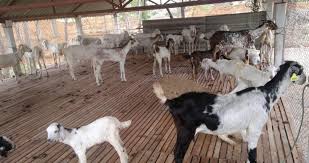
A well-designed goat enclosure is critical for maintaining a healthy environment for kids. It should be built outside the kraal to avoid dust, manure, and diseases. Local materials and labor can be used to keep costs reasonable, ensuring accessibility for farmers.
A. Structural Requirements
1. Flooring: A concrete floor, angled for easy cleaning, prevents the accumulation of waste. This design promotes hygiene and reduces disease risks.
2. Protective Barriers: Wire netting on the outside stops other animals from accessing the kids’ food, ensuring it remains uncontaminated.
3. Environmental Protection: Shade cloth blocks wind and cold drafts while preventing chickens from eating the kid food, maintaining a comfortable environment.
4. Feeding Infrastructure: Gutters on brackets, with stop ends, hold food and water at an appropriate height, making them accessible for kids.
5. Weather Shielding: A roof protects against rain and direct sunlight, keeping the enclosure dry and comfortable.
6. Safety Features: An extra shelf above the gutters prevents kids from climbing into them, reducing contamination and injury risks.
Read Also: How to Grow, Use and Care for Whiteedge Flatsedge Grass (Cyperus flavicomus)
Managing Goat Enclosures
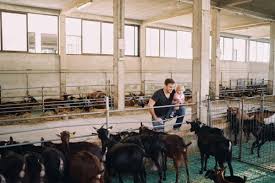
Proper management of goat enclosures ensures kids thrive during their early development. Kids should be placed in the enclosure from 2 weeks to 3 months of age, with specific protocols to maintain hygiene and nutrition.
A. Enclosure Usage Guidelines
1. Age and Duration: Kids should stay in the enclosure from 2 weeks to 3 months, ensuring they receive adequate care during this critical period.
2. Space Requirements: A 2-meter by 2-meter enclosure can accommodate 10-20 kids. For every additional 14 kids, the enclosure size should be doubled.
3. Feeding Protocols: Supplement kids with stover and blocks, ensuring each kid receives no more than a handful of food daily to prevent overfeeding.
4. Water Availability: Clean water must always be available, changed daily to prevent diseases like orf and coccidiosis.
5. Daily Cleaning: Uneaten and soiled food should be cleaned out daily to maintain a hygienic environment and prevent waste.
B. Feeding Trough Management
1. Trough Design: Use open troughs, such as pieces of gutter or PVC pipe with blocked ends, cleaned and filled at least once daily.
2. Preventing Contamination: Kids may urinate or defecate in troughs, leading to feed wastage. A board above the trough forces kids to stand on their hind legs, keeping feed clean.
3. Safety Considerations: Deep troughs or those with sloping bottoms can trap kids, risking suffocation. Troughs should be raised off the ground.
Preventing Diseases in Goat Enclosures
Disease prevention is vital for maintaining healthy kids. Regular hygiene practices and, when necessary, medical interventions can control outbreaks of diseases like orf and coccidiosis.
A. Hygiene Practices
1. Regular Disinfection: Pens should be disinfected regularly to control diseases such as coccidiosis, ensuring a clean environment for kids.
2. Water Management: Clean and change water daily to prevent the spread of diseases like orf, which can be transmitted through shared water sources.
3. Feed Control: Monitor supplement feeding to avoid contamination and ensure kids receive appropriate portions, reducing disease risks.
B. Medical Interventions
1. Vaccination: If orf outbreaks are a significant issue, vaccinate kids with a vaccine like Scabivax Forte to reduce disease incidence.
2. Medicated Feed: Use commercial feed containing coccidiostats to prevent coccidiosis, particularly in high-risk environments.
3. Monitoring Health: Regularly check kids for signs of illness, especially during stressful periods like weaning, to address issues promptly.
Read Also: How To Grow, Use and Care For Threeawn Grass (Aristida Spp.)
Weaning Kids Effectively
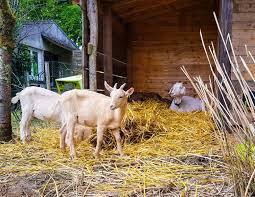
Weaning is a critical phase in a kid’s development, typically occurring around 3 months of age. This process can be stressful, requiring careful attention to ensure kids transition smoothly.
A. Understanding Weaning
1. Natural Process: Weaning occurs naturally when kids stop suckling, typically around 3 months, marking the end of their dependency on milk.
2. Stress Management: Farmers should monitor kids for signs of stress during weaning, as this period can impact their health and growth.
3. Supportive Care: Provide extra attention to kids showing stress signs, ensuring they have access to adequate nutrition and a comfortable environment.
B. Post-Weaning Care
1. Encouraging Browsing: After weaning, encourage kids to browse with their mothers to develop natural foraging behaviors and maintain health.
2. Continued Monitoring: Keep observing kids post-weaning to ensure they adapt well to their new diet and environment, addressing any issues promptly.
3. Nutritional Support: Provide supplementary feed as needed to support growth, ensuring kids receive balanced nutrition after weaning.
Frequently Asked Questions
1. Why should goat enclosures be built outside the kraal?
Building enclosures outside the kraal avoids dust, manure, and diseases, creating a cleaner and healthier environment for kids.
2. What is the ideal size for a goat enclosure?
A 2-meter by 2-meter enclosure can house 10-20 kids. For every additional 14 kids, the enclosure size should be doubled.
3. How often should water be changed in the enclosure?
Water should be cleaned and changed daily to prevent diseases like orf and coccidiosis, ensuring kids have access to fresh water.
4. What are the risks of improper trough design?
Deep or sloping troughs can trap kids, leading to suffocation. Improperly cleaned troughs may also cause feed contamination and disease spread.
5. How can farmers prevent coccidiosis in goat enclosures?
Regular disinfection of pens and using commercial feed with coccidiostats can effectively control coccidiosis in goat enclosures.
6. What should farmers do during the weaning process?
Monitor kids for stress signs, provide adequate nutrition, and encourage browsing to ensure a smooth transition during weaning.
7. Why is shade cloth important in goat enclosures?
Shade cloth blocks wind and cold drafts while preventing chickens from eating kid food, maintaining a comfortable and clean environment.
Do you have any questions, suggestions, or contributions? If so, please feel free to use the comment box below to share your thoughts. We also encourage you to kindly share this information with others who might benefit from it. Since we can’t reach everyone at once, we truly appreciate your help in spreading the word. Thank you very much for your support and for sharing!