


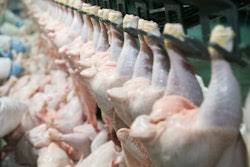
Effective poultry processing maximizes broiler flock value by minimizing losses during catching, transport, and slaughter. Poor management in these phases can significantly impact yield and quality.
This article outlines best practices for catching and transporting broilers. It covers fasting protocols, catching techniques, transport logistics, and factors affecting carcass yield and quality.
Read Also: Pincushion Flowers (Scabiosa Spp): Complete Growing and Care Guide
Catching and Transport Best Practices
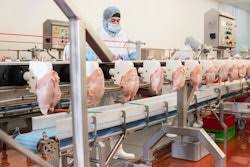
Catching and transporting broilers is highly stressful and must be managed carefully. The process requires coordination between growers and slaughterhouses to minimize losses and contamination risks.
Key objectives include reducing stress, preventing injuries, and ensuring clean transport conditions. Proper planning and execution are critical for maintaining animal welfare and product quality.
A. Fasting Protocols
A minimum 4-hour fasting period after removing feed is required. Water should remain available until catching begins to prevent dehydration and reduce contamination from fecal ejection.
In some cases, birds may eat litter waste. Dimming lights during fasting helps minimize this behavior, ensuring cleaner crops and reduced slaughterhouse contamination risks.
The fasting period typically lasts 8–12 hours before slaughter. Beyond 8 hours, weight loss averages 0.2% per hour, leading to dehydration and excessive water loss through feces.
B. Catching Techniques
Catching should be swift and careful to reduce stress and injuries. Loading rates must align with truck capacity and slaughter line speed, with maximum densities of 50 kg/m² in temperate climates.
In hot climates, density should not exceed 40 kg/m². Clean transport materials and mandatory protective gear for crews, especially during partial pickups, are essential for hygiene.
Key Catching Guidelines:
1. Injury Prevention: Remove equipment that could harm birds during catching to avoid trauma like broken wings or torn skin.
2. Proper Handling: Catch heavy broilers by both legs, supporting the breast, and place—not throw—them into crates to prevent suffocation or scratches.
3. Night Catching: Catching at night reduces bird stress and resistance, lowering the risk of injuries and improving handling efficiency.
C. Transport Logistics
Transport must be synchronized to minimize waiting time before slaughter. Clean crates and appropriate bird density relative to weight, distance, and temperature are critical for quality.
During hot weather, trucks should avoid direct sunlight, and ventilation fans may be needed. In winter, tarpaulins protect birds from cold during transport and at the processing plant.
Processing plants should provide shaded, ventilated waiting areas with fogging equipment to maintain bird comfort and reduce weight loss during delays.
D. Responsibilities Split
Growers ensure accurate weight and number estimates, correct fasting periods, and supervision of catching crews. Slaughterhouses manage crate cleanliness, transport synchronization, and quality control.
Shared Responsibilities:
1. Grower Duties: Accurate broiler counts, proper fasting, and organized catching crew supervision to ensure efficient and humane handling.
2. Slaughterhouse Duties: Maintaining clean transport crates, optimizing transport schedules, and ensuring appropriate bird density to minimize stress and contamination.
Carcass Yield and Quality Factors
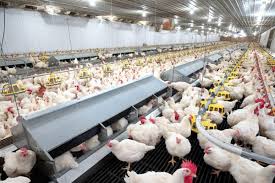
Carcass yield and quality vary based on breed, feed, transport, and slaughter management. Understanding these factors helps optimize output and reduce losses.
Slaughter losses, such as blood (4%), feathers (6.2%), and viscera (8.5–9.5%), are relatively stable. However, other factors like fasting duration and handling impact overall yield.
A. Yield Variations by Age and Weight
Carcass yield changes with slaughter age and weight gain. For every additional day (65 g gain), breast fillet yield increases by 0.090%, while giblets decrease slightly.
Yield Changes per Day (as % of Live Weight):
1. Breast Fillet: +0.090, reflecting higher meat yield with age.
2. Drumstick + Thighs: +0.062, contributing to increased carcass value.
3. Gizzard and Liver: -0.015 and -0.023, respectively, due to proportional reduction.
4. Carcass with Giblets: +0.170, showing overall yield improvement.
B. Feather Weight Variations
Feather weight varies by age and sex. At 49 days, males have 5.9% and females 6.7% feather weight, impacting carcass yield calculations.
Feather Weight (% of Live Weight):
1. Males (49 Days): 5.9%, lower than females due to physiological differences.
2. Females (49 Days): 6.7%, reflecting higher feather mass.
3. As Hatched (49 Days): 6.3%, an average for mixed flocks.
C. Impact of Feed Withdrawal
Feed withdrawal causes a 3% weight loss in the first 4 hours, then 0.35% per hour up to 30 hours. This primarily affects digestive tract and giblet weight.
Carcass weight loss is linear at 0.2% per hour with giblets and 0.17% without. A 4–5-hour withdrawal period is optimal for minimizing contamination.
D. Transport and Waiting Effects
Delays during transport and waiting reduce carcass yield by 0.2% per hour with giblets and 0.17% without, emphasizing the need for efficient logistics.
Factors Reducing Yield:
1. Prolonged Waiting: Extended delays increase dehydration and weight loss, lowering carcass quality.
2. Poor Ventilation: Inadequate cooling during transport exacerbates stress and weight loss.
Read Also: Economic Importance, Uses, and By-Products of Mushroom Gills
Carcass and Flavor Quality Management
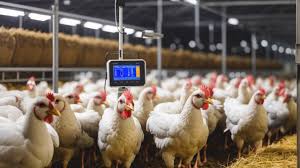
Carcass and flavor quality are influenced by handling, stunning, and environmental factors. Proper management ensures high-quality meat and minimizes defects.
A. Carcass Quality Issues
Several factors contribute to carcass defects, which can be mitigated through careful handling and equipment adjustments during processing.
Common Carcass Defects:
1. Pustules: Caused by poor litter quality or burns, affecting skin appearance.
2. Bruises and Fractures: Result from rough handling or improper stunning equipment, leading to broken bones or hemorrhages.
3. Skin Tears: Caused by poorly adjusted plucking fingers or ionophore presence, reducing carcass appeal.
B. Flavor and Meat Quality
Meat pH affects flavor and appearance. High pH from transport stress results in darker, drier meat, while low pH from slaughter stress causes pale, wet meat.
Stunning voltage above 80 volts reduces bleeding quality, and prolonged stunning darkens meat. Vitamin E supplements can extend shelf life, improving flavor quality.
C. Stunning and Bleeding
Proper stunning ensures quality bleeding and meat color. Voltage and stunning time must be optimized to avoid hemorrhages or poor bleeding, which affect carcass quality.
Stunning Best Practices:
1. Voltage Control: Keep below 80 volts to ensure effective bleeding within 80 seconds.
2. Stunning Time: Avoid prolonged stunning to prevent dark meat and maintain pH balance.
Frequently Asked Questions
1. Why is fasting important before slaughter?
Fasting for 4–5 hours reduces crop and fecal content, minimizing slaughterhouse contamination while limiting weight loss to maintain carcass yield.
2. How does catching at night benefit broilers?
Night catching reduces bird stress and resistance, lowering injury risks like scratches and suffocation, especially in diseased flocks.
3. What causes carcass weight loss during transport?
Delays and poor ventilation cause dehydration, resulting in a 0.2% hourly weight loss with giblets and 0.17% without, reducing overall yield.
4. How do stunning practices affect meat quality?
High voltage or prolonged stunning can cause poor bleeding or dark meat, while optimal settings ensure better color and flavor.
5. What are common carcass defects and their causes?
Pustules, bruises, and skin tears result from poor litter, rough handling, or improper plucking finger adjustments, impacting carcass quality.
6. How does feed withdrawal impact digestive contents?
Feed withdrawal reduces digestive contents to 2% in 4 hours and stabilizes at 2.9% after 12 hours, minimizing contamination risks.
7. Why is protective gear mandatory for catching crews?
Coveralls and boots prevent contamination, especially during partial pickups, ensuring hygiene and reducing disease transmission risks.
Do you have any questions, suggestions, or contributions? If so, please feel free to use the comment box below to share your thoughts. We also encourage you to kindly share this information with others who might benefit from it. Since we can’t reach everyone at once, we truly appreciate your help in spreading the word. Thank you so much for your support and for sharing!