


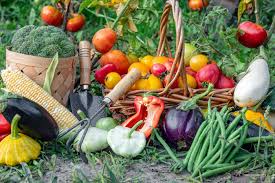
Organic gardening promotes healthy crops through natural methods. This article outlines techniques for growing peppers and squashes, focusing on soil preparation, planting, and pest control. By following these steps, gardeners can achieve bountiful harvests. Emphasis is placed on prevention and sustainable practices.
Maintaining healthy soils is key to successful gardening. Thick mulch and nutrient-rich compost create stress-free plants. This guide provides detailed instructions for peppers and squashes. Each section covers specific techniques to ensure optimal growth.
Regular observation prevents pest and disease issues. Removing affected plants quickly is crucial. These practices apply to both peppers and squashes, which share similar needs. The article draws from proven organic methods.
Crop rotation and proper spacing enhance plant vigor. This guide offers practical steps for beginners and seasoned gardeners. Follow these techniques to cultivate thriving pepper and squash crops.
Read Also : Ecological Effects of Parasites on Fish
Pepper Cultivation Techniques
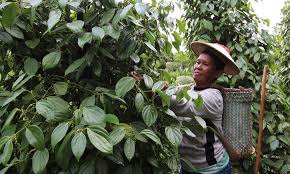
This section covers growing peppers, including soil preparation, planting, and pest management. Peppers require specific conditions for optimal growth, such as fertile soils and warm temperatures. The following subheadings detail each step to ensure a successful harvest.
A. Preparing the Soil
Healthy soil is the foundation for growing peppers. Deep, well-drained, fertile soils support robust plants. Spring or early summer planting suits peppers best, with temperatures between 20-27°C. Proper soil preparation enhances nutrient availability and plant vigor.
To prepare soil effectively, focus on fracturing and amending it. Fracturing loosens compacted soil, allowing roots to spread. Adding compost or manure boosts fertility. These steps create an ideal environment for pepper seedlings to thrive.
Acidic soils need correction for optimal growth. Wood ash or lime balances pH, making nutrients accessible. Each planting station requires careful attention to ensure peppers have the best start. These practices prevent stress and promote healthy development.
B. Planting Peppers
Peppers need precise planting techniques for success. They are planted at a higher density than eggplants, with 45cm between seedlings and 75cm between rows. This spacing ensures adequate sunlight and air circulation, reducing disease risk.
1. Setting Up Planting Stations: Use a 45cm measuring rope to mark planting stations. Dig 15cm deep, 12cm wide, and 15cm long holes at each 45cm interval. Move soil downslope for reuse, keeping it neatly heaped.
Proper spacing prevents overcrowding and supports healthy growth. Peppers are vulnerable to lodging late in the season. Building a trellis along row lines provides necessary support, ensuring plants remain upright and productive.
2. Adding Nutrients: Apply 500ml of compost or mature manure to each station. If using manure, avoid fresh types to prevent excessive leaf growth. Cover inputs with soil from the downslope heap to level the surface.
Correct nutrient application promotes fruit development. Compost is preferred for consistent results. A 2.5cm mulch layer, referred to as God’s Blanket, is replaced over stations to retain moisture and suppress weeds.
C. Pest and Disease Management
Peppers are susceptible to pests and diseases, like other solanaceous crops. A two-year crop rotation break prevents buildup of similar pests. Regular observation and removal of diseased plants are critical for maintaining crop health.
Organic pest control focuses on prevention. Healthy soils and thick mulch reduce plant stress. If diseases appear, remove affected plants immediately and dispose of them far from the garden to prevent spread.
Nutrient-rich soils strengthen plants against pests. Monitoring ensures early detection of issues. By maintaining a proactive approach, gardeners can minimize losses and keep pepper crops thriving throughout the season.
Read Also: Complete List of Popular Common Foods and their Fiber Contents
Squash Cultivation Techniques
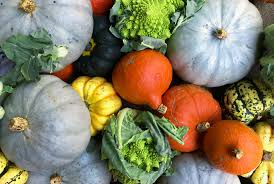
This section explores growing squashes, including pumpkins, zucchini, and watermelons. These crops require warm conditions and specific planting methods. The subheadings below outline soil preparation, planting, and pest control for successful squash cultivation.
A. Soil Preparation for Squashes
Squashes thrive in warm, frost-free conditions, planted in spring or early summer at 18-28°C. Well-prepared soil ensures strong growth. Compost or manure enriches the soil, while correcting acidity supports nutrient uptake for healthy plants.
1. Correcting Soil Acidity: Mix 2 tablespoons of wood ash or 3 teaspoons of lime into each planting station. This balances pH, making nutrients readily available. Proper soil correction is essential for vigorous squash growth.
Soil preparation sets the stage for success. Digging deep planting stations allows roots to establish. Adding organic matter like compost or manure enhances fertility, creating an ideal environment for squashes to flourish.
2. Mixing Compost or Manure: Use a spade full of compost or manure per station. For manure, leave a 6cm depth and add a 3cm plain soil layer to prevent seed burn. Compost can fill to a 3cm depth.
Proper nutrient application supports robust squash plants. A well-mixed soil blend ensures seeds have access to nutrients without risk of burning. These steps promote healthy germination and early growth.
B. Planting Squashes
Squashes require wider spacing than peppers, with 120cm between plants and 150cm between rows. This diamond arrangement maximizes space and sunlight. Planting stations are prepared with care to support vigorous growth and high yields.
1. Digging Planting Stations: Dig 20cm deep and 20cm wide holes every 120cm along rows, spaced 150cm between rows. Remove soil carefully, keeping it for later use. This spacing accommodates the sprawling nature of squash plants.
Wide spacing allows squashes to spread without competition. A 60cm measuring rope marks stations accurately. Moving God’s Blanket 30cm downslope exposes soil, preparing it for planting and nutrient application.
2. Planting Seeds: Place three seeds 10cm apart in a triangle within each station. Cover with plain soil from the downslope heap. After germination, thin to two plants per station for optimal growth.
Thinning ensures stronger plants with better yields. Replacing God’s Blanket around 10cm-tall plants suppresses weeds and conserves moisture. A 2.5cm-thick mulch layer is essential for maintaining soil health and plant vigor.
C. Controlling Pests and Diseases
Squashes face pest and disease challenges, including powdery mildew. A two-year crop rotation prevents pest buildup. Regular monitoring and organic methods, like milk sprays, keep issues under control, ensuring healthy crops.
1. Preventing Powdery Mildew: Spray a mixture of 1 part milk to 9 parts water with a teaspoon of liquid soap twice weekly after rain or misty conditions. This controls powdery mildew effectively, protecting squash plants.
Proactive pest management reduces crop losses. Healthy soils and mulch minimize stress, strengthening plants. Removing diseased plants promptly prevents disease spread, maintaining a productive squash garden throughout the season.
2. Regular Monitoring: Observe plants frequently for signs of pests or diseases. Remove and dispose of affected plants far from the garden. This prevents contamination and protects remaining crops from infection.
Consistent monitoring catches issues early. Organic practices, like maintaining thick mulch and nutrient-rich soils, enhance plant resilience. These steps ensure squashes remain healthy and productive, yielding abundant harvests.
Frequently Asked Questions
1. What is the best time to plant peppers and squashes?
Peppers thrive when planted in spring or early summer at 20-27°C. Squashes should be planted in spring to early summer at 18-28°C, after frost risks have passed, to ensure optimal growth.
2. How does crop rotation benefit peppers and squashes?
A two-year crop rotation prevents pest and disease buildup, as both crops are susceptible to similar issues. This practice maintains soil health and reduces the risk of crop failure.
3. Why is God’s Blanket important in gardening?
God’s Blanket, a 2.5cm mulch layer, suppresses weeds, retains moisture, and protects soil. It reduces plant stress, promoting healthier peppers and squashes with better yields.
4. How can I correct acidic soils for planting?
For peppers, apply 1 tablespoon of wood ash or 1 teaspoon of lime per station. For squashes, use 2 tablespoons of wood ash or 3 teaspoons of lime to balance pH.
5. What is the purpose of thinning squash seedlings?
Thinning to two plants per station after germination prevents overcrowding. This ensures stronger plants with better access to nutrients, sunlight, and space, leading to higher yields.
6. How can I control powdery mildew on squashes?
Spray a mixture of 1 part milk to 9 parts water with a teaspoon of liquid soap twice weekly after rain or misty conditions to effectively manage powdery mildew.
7. Why is trellising important for peppers?
Peppers are prone to lodging late in the season. A trellis along row lines supports plants, keeping them upright and ensuring continued growth and fruit production.
8. Can I use fresh manure for planting?
Avoid fresh manure, as it causes excessive leaf growth and reduced fruit yield. Use mature manure or compost to provide balanced nutrients without harming peppers or squashes.