


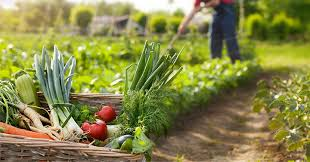
Organic gardening is a method of growing plants that relies on natural processes and inputs, avoiding synthetic chemicals and genetically modified organisms (GMOs). This approach emphasizes sustainability, biodiversity, and ecological balance, creating a harmonious relationship between plants, soil, and the environment.
The foundation of organic gardening is healthy soil. Organic gardeners enrich their soil using natural fertilizers such as compost, manure, and green manure. These materials provide essential nutrients, improve soil structure, and enhance its ability to retain moisture. By maintaining healthy soil, gardeners create an environment where plants can thrive. Composting kitchen scraps, yard waste, and other organic materials is a common practice in organic gardening, turning waste into valuable fertilizer.
Organic gardening also involves using crop rotation and companion planting. Crop rotation means growing different types of plants in succession on the same plot of land. This practice prevents soil depletion and reduces the buildup of pests and diseases. Companion planting involves growing certain plants together to benefit each other. For example, planting marigolds with tomatoes can help deter pests, while beans can fix nitrogen in the soil, benefiting other plants.
Pest and weed management in organic gardening rely on natural methods. Gardeners use biological control by encouraging beneficial insects such as ladybugs, predatory beetles, and spiders that prey on pests. They also use physical controls, such as hand-picking pests, using barriers like row covers, and employing traps. Organic gardeners avoid synthetic pesticides and herbicides, opting instead for natural alternatives like neem oil, insecticidal soap, and diatomaceous earth. Mulching is another important practice, helping to suppress weeds, retain soil moisture, and regulate soil temperature.
Water management is crucial in organic gardening. Gardeners use efficient irrigation methods, such as drip irrigation or soaker hoses, to deliver water directly to plant roots, reducing water wastage. Rainwater harvesting systems can collect and store rainwater for garden use. Mulching also helps conserve soil moisture, reducing the need for frequent watering.
Biodiversity is a key principle of organic gardening. By planting a diverse range of plants, gardeners create a balanced ecosystem that attracts beneficial insects, birds, and other wildlife. This diversity helps control pests and diseases naturally, reducing the need for chemical interventions. Organic gardeners also practice intercropping, growing different plants together to enhance biodiversity and improve soil health.
Using heirloom and open-pollinated seeds is common in organic gardening. These seeds have been selected over generations for their flavor, resilience, and adaptability to local conditions. By growing these traditional varieties, gardeners help preserve genetic diversity and protect heritage plants.
The benefits of organic gardening extend to the environment and human health. Organic gardens are free from synthetic chemicals, making them safer for gardeners, their families, and wildlife. Organic practices also reduce pollution, conserve water, and promote healthy soil. Additionally, organic produce is often richer in nutrients and flavor compared to conventionally grown produce.
Despite its advantages, organic gardening can present challenges. It may require more time and effort than conventional gardening methods, and gardeners need to be knowledgeable about soil health, pest management, and plant care. However, the rewards are significant. Organic gardening fosters a deeper connection with nature, promotes sustainable living, and produces healthy, flavorful food.
Organic gardening is a sustainable and holistic approach to growing plants. By focusing on soil health, biodiversity, and natural pest management, organic gardeners create thriving ecosystems that benefit plants, people, and the environment. The principles and practices of organic gardening offer a way to grow food and ornamental plants that are healthy, sustainable, and in harmony with nature.
Principles of Organic Gardening
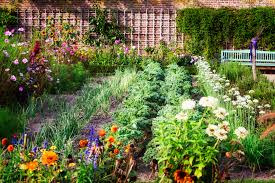
1. Soil Health: The foundation of organic gardening is healthy soil. Use compost, mulch, cover crops, and minimal tillage to enhance soil fertility and structure.
2. Crop Diversity: Growing a variety of plants increases biodiversity, reduces the risk of pests and diseases, and improves soil health.
3. Natural Pest Control: Implement integrated pest management (IPM) techniques, such as introducing beneficial insects, using organic-approved pesticides, and practicing companion planting.
4. Water Management: Employ efficient irrigation methods like drip irrigation or soaker hoses to conserve water and maintain consistent soil moisture.
5. Organic Seeds and Planting Materials: Use organic seeds and planting materials to ensure compliance with organic standards and enhance plant resilience.
Steps to Start an Organic Garden
1. Soil Testing: Conduct soil tests to determine pH, nutrient levels, and texture. Amend soil based on test results to optimize fertility.
2. Selecting Plants: Choose plants suited to your climate, soil, and gardening goals. Consider a mix of vegetables, fruits, herbs, and flowers.
3. Garden Planning: Develop a plan for garden layout, including spacing, trellising (if needed), and crop rotation to maintain soil health and manage pests and diseases.
4. Composting: Create compost from organic matter like kitchen scraps, yard waste, and manure to enrich soil.
5. Pest Management: Use natural pest control methods such as beneficial insects, organic pesticides, and companion planting to manage pests.
6. Irrigation: Install efficient irrigation systems, such as drip or soaker hoses, to provide consistent moisture while conserving water.
7. Organic Certification: If you plan to sell your produce, obtain organic certification by following organic standards, maintaining detailed records, and undergoing regular inspections.
8. Harvesting and Storage: Harvest your produce at peak ripeness and store it properly to maintain freshness and quality.
Read Also: American Bullies: Description, Health, Origin and Complete Care Guide
Watering Techniques for Organic Gardens
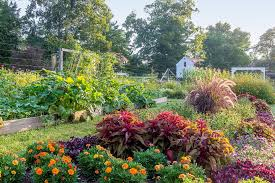
1. Deep Watering: Water deeply and less frequently to encourage plants to develop deep, resilient root systems. This method helps plants withstand drought and improves overall soil health.
2. Drip Irrigation: Use drip irrigation systems to deliver water directly to the plant roots. This reduces water wastage, minimizes weed growth, and ensures that water reaches the root zone efficiently.
3. Mulching: Apply organic mulch, such as straw, leaves, or compost, around plants to retain soil moisture, regulate soil temperature, and reduce evaporation. Mulching also helps suppress weeds and adds organic matter to the soil.
4. Watering Early: Water plants early in the morning or late in the afternoon to minimize evaporation and allow leaves to dry before nightfall, reducing the risk of fungal diseases.
5. Rainwater Harvesting: Collect and use rainwater to reduce reliance on municipal water supplies. Install rain barrels or other collection systems to capture and store rainwater for garden use.
Companion Planting
1. Pest Control: Plant pest-repellent species alongside vulnerable crops. For example, marigolds can deter aphids and nematodes, while basil can repel mosquitoes and flies.
2. Enhanced Growth: Some plants, like beans and corn, benefit from each other’s presence. Beans fix nitrogen in the soil, which corn uses for growth, while corn provides support for bean vines.
3. Improved Soil Health: Certain companion plants, such as legumes, can improve soil fertility by fixing nitrogen. Incorporating these plants can help maintain nutrient balance in the soil.
Harvesting and Storing Organic Produce
1. Timing: Harvest produce at its peak ripeness for optimal flavor and nutritional value. For example, pick tomatoes when they are fully colored but still firm.
2. Handling: Handle produce gently to avoid bruising and damage. Use clean, sharp tools for harvesting to minimize plant stress and injury.
3. Storage: Store produce in cool, dry conditions to extend shelf life. Use breathable containers for fruits and vegetables to prevent mold and rot.
4. Preservation: Preserve excess produce through organic methods such as canning, freezing, or drying. Use natural preservatives and avoid synthetic additives.
5. Seed Saving: Save seeds from heirloom and open-pollinated varieties for future planting. Properly dry and store seeds in a cool, dark place to maintain viability.
Sustainable Practices in Organic Gardening
1. Composting: Use compost to enrich soil with organic matter and nutrients. Composting kitchen scraps, garden waste, and manure reduces waste and enhances soil fertility.
2. Integrated Pest Management (IPM): Employ IPM strategies to manage pests using natural methods. Introduce beneficial insects, use organic sprays, and implement physical barriers like row covers.
3. Soil Health: Focus on building and maintaining healthy soil through practices such as adding organic matter, avoiding chemical fertilizers, and implementing cover cropping.
4. Energy Efficiency: Minimize energy use by adopting efficient gardening practices. For example, use manual tools instead of gas-powered equipment and rely on natural methods for pest and weed control.
5. Water Conservation: Practice water-saving techniques such as rainwater harvesting, drip irrigation, and mulching to reduce water consumption and protect water resources.
6. Biodiversity: Promote biodiversity by growing a variety of plants and incorporating native species. This supports a healthy ecosystem and provides habitats for beneficial organisms.
Organic gardening embraces practices that enhance soil health, conserve resources, and support ecological balance. By employing effective watering techniques, utilizing companion planting and crop rotation, and focusing on sustainable practices, gardeners can cultivate healthy, productive gardens while contributing to environmental sustainability.
Proper harvesting and storage techniques ensure that organic produce remains fresh and nutritious, reflecting the commitment to quality that defines organic gardening.
Read Also: English Bulldog: Description, Health and Origin
Frequently Asked Questions (FAQs) About Organic Gardening
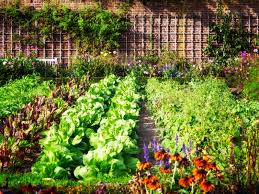
1. What is organic gardening?
Organic gardening involves growing plants without synthetic chemicals, using natural methods to enhance soil health, control pests, and promote biodiversity.
2. How does organic gardening differ from conventional gardening?
Organic gardening excludes synthetic pesticides and fertilizers, promotes biodiversity, and emphasizes ecological balance, while conventional gardening often relies on chemical inputs and monocultures.
3. What are the main benefits of organic gardening?
The main benefits include improved soil health, increased biodiversity, reduced chemical exposure, higher nutrient content in produce, and economic advantages like cost savings and market demand.
4. Is organic gardening more labor-intensive?
Yes, organic gardening can be more labor-intensive due to practices like manual weeding, detailed management of soil health, and natural pest control methods.
5. Can organic gardening be profitable?
Yes, organic gardening can be profitable due to cost savings from growing your own produce and potential income from selling organic products.
6. How does organic gardening impact the environment?
Organic gardening positively impacts the environment by reducing pollution, conserving water, enhancing soil health, and supporting biodiversity.
7. Are organic vegetables and fruits healthier than conventionally grown ones?
Organic produce is often healthier as it contains fewer pesticide residues and can have higher levels of certain nutrients, though overall health benefits can vary.
8. What is the cost of starting an organic garden?
Starting an organic garden can involve costs related to soil amendments, seeds, tools, and irrigation systems, but long-term benefits and savings often outweigh these initial costs.
9. How do I get certified as an organic gardener?
If you plan to sell your produce, follow organic standards set by a certification body, maintain detailed records, and undergo regular inspections to ensure compliance.
10. What are the challenges of organic gardening?
Challenges include managing pests and diseases without synthetic chemicals, maintaining soil fertility, achieving consistent yields, and navigating certification processes.
Read Also: How Long Does It Take a Hazelnut Tree to Produce Nuts?