


Organic gardening tips emphasizes natural methods that promote environmental sustainability and plant health. The key to a thriving organic garden starts with healthy soil. Enrich the soil by adding organic matter such as compost, aged manure, and leaf litter.
Regular soil testing helps monitor pH and nutrient levels, allowing for adjustments with natural amendments. Well-structured soil supports robust plant growth and improves water retention.
Choosing the right plants is crucial. Select varieties suited to your local climate and soil conditions, opting for native plants and those resistant to common pests and diseases. This approach minimizes the need for interventions and increases the likelihood of a successful garden.
Companion planting can enhance garden health by pairing plants that benefit each other. For example, marigolds planted alongside vegetables can help deter pests, while nitrogen-fixing legumes can enrich the soil for other crops. Research compatible plant pairings to maximize the benefits of companion planting.
Managing pests with natural methods is another essential practice. Introduce beneficial insects like ladybugs and lacewings that prey on harmful pests. Use physical barriers such as row covers to protect plants and apply homemade solutions like neem oil or garlic sprays to deter pests.
Maintaining good garden hygiene helps prevent pests and diseases. Regularly remove dead or diseased plants, fallen leaves, and weeds. Practice crop rotation to avoid the buildup of pests and diseases in the soil, promoting a healthier garden environment.
Efficient water management is key to plant health. Use methods like drip irrigation or soaker hoses to deliver water directly to the root zone. Water early in the day to reduce evaporation and minimize fungal diseases. Applying mulch around plants helps retain moisture and suppress weeds.
Encouraging beneficial wildlife such as birds, bees, and butterflies can support pollination and pest control. Provide habitats like birdhouses, water sources, and flowering plants to attract these helpful creatures, enhancing overall garden health.
Avoid synthetic fertilizers and chemicals by opting for organic alternatives. Organic fertilizers, such as compost, fish emulsion, bone meal, and seaweed extract, support plant health without synthetic additives. Steering clear of chemical pesticides and herbicides helps preserve beneficial organisms and soil health.
Proper plant spacing is important for reducing disease risk and improving air circulation. Crowded plants can increase humidity and create conditions favorable for fungal infections. Adequate spacing allows for better light penetration and access to nutrients.
Incorporating organic mulch, like straw, wood chips, or grass clippings, helps cover the soil surface. Mulch retains moisture, regulates soil temperature, and suppresses weeds while adding organic matter to the soil as it decomposes.
Regular monitoring of your garden for pests, diseases, and nutrient deficiencies is crucial. Keep an eye on plant growth and make adjustments as needed. Staying attentive helps address issues early, maintaining a healthy and productive garden.
Generally, organic gardening involves using natural methods to enhance plant health and environmental sustainability. Key practices include improving soil health, choosing suitable plants, practicing companion planting, managing pests naturally, maintaining garden hygiene, managing water efficiently, encouraging beneficial wildlife, avoiding synthetic chemicals, ensuring proper plant spacing, and using organic mulch. These approaches contribute to a thriving organic garden that benefits both plants and the environment.
Organic Gardening Tips
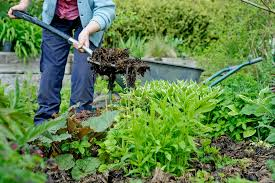
Organic gardening is a sustainable method of growing plants without synthetic chemicals or GMOs, promoting environmental health, soil fertility, and biodiversity. It involves incorporating organic matter like compost, aged manure, or leaf mold to improve soil structure, nutrient content, and water-holding capacity.
Regularly incorporating organic matter boosts fertility and supports beneficial microorganisms. Soil tests determine nutrient levels and pH, and can be adjusted using organic amendments like lime or sulfur. Organic mulch, like straw, wood chips, or grass clippings, helps retain soil moisture, suppress weeds, and regulate soil temperature. Mulch gradually adds organic matter to the soil as it decomposes.
1. Plant Selection and Placement Tips
Choose plant varieties that are suitable for your climate and soil conditions, opting for disease-resistant and pest-tolerant varieties. Native plants are often more resilient and attract beneficial insects.
Practice companion planting to enhance plant health and productivity, such as planting marigolds with tomatoes to deter nematodes. Space plants properly, following recommended guidelines, to improve air circulation, reduce fungal diseases, and allow easier access for maintenance.
2. Pest and Disease Management Tips
To maintain a healthy garden, attract beneficial insects like ladybugs, lacewings, and bees to control pests naturally. Provide habitat and food sources for these creatures. Use organic pest control methods like neem oil, insecticidal soap, or diatomaceous earth, which target pests without harming beneficial insects.
Follow manufacturer’s instructions and monitor effectiveness. Practice crop rotation to prevent pest buildup and reduce soil-borne diseases by changing plant types in specific areas. Plan rotations to include a variety of plant families and types.
3. Watering and Irrigation Tips
Efficient watering techniques, such as drip irrigation or soaker hoses, can minimize evaporation and ensure deep root penetration in plants. Avoid over-watering, which can lead to root rot, and water plants according to their specific needs and soil moisture levels. Mulch can help retain soil moisture and reduce watering frequency.
4. Fertilization Tips
Organic fertilizers like compost, bone meal, blood meal, and fish emulsion are beneficial for soil health and nutrient supply without synthetic additives.
Apply them according to soil test results and plant requirements. Follow recommended application rates and methods to avoid nutrient imbalances and environmental harm. Apply fertilizers before planting or during the growing season for plant growth support.
5. Weeding Tips
To manage weeds effectively, apply mulch and regular weeding to suppress weed seeds and reduce competition for nutrients and water. Hand-weeding or using tools can also be effective. Organic weed control methods like vinegar or salt can be used for persistent problems, but be careful not to harm desirable plants. Cover crops can also improve soil health when used in a rotation plan.
6. Harvesting and Maintenance Tips
Harvest fruits, vegetables, and herbs at peak ripeness for optimal flavor and nutritional value. Regular harvesting encourages continued production and prevents pests. Maintain garden tools and equipment cleanly, sharpening blades, cleaning handles, and storing them properly to extend their lifespan and reduce disease spread.
Read Also: Blackleg (cruciferous plants): Description, Damages Caused, Control and Preventive Measures
Common Organic Gardening Mistakes to Avoid
1. Overwatering: Too much water can lead to root rot and fungal diseases. Ensure proper drainage and only water when necessary.
2. Ignoring Soil Health: Neglecting soil health leads to poor plant growth. Regularly add compost and organic matter to maintain nutrient levels.
3. Planting Too Close: Crowding plants can lead to poor air circulation and disease. Follow recommended spacing guidelines for each plant.
4. Using Non-Organic Inputs: Avoid synthetic fertilizers and pesticides. Stick to organic alternatives to maintain soil health and ecological balance.
5. Neglecting Crop Rotation: Replanting the same crops in the same spot can deplete soil nutrients and increase pest and disease risk. Rotate crops annually to maintain soil fertility.
Tools and Supplies for Organic Gardening
1. Hand Tools: Essential tools include a trowel, hand fork, pruners, and a weeder. Choose high-quality, ergonomic tools for comfort and durability.
2. Watering Equipment: Invest in a good quality watering can, soaker hoses, or a drip irrigation system to ensure efficient watering.
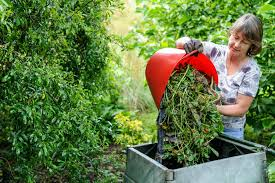
3. Compost Bin: A compost bin or tumbler is vital for creating nutrient-rich compost from kitchen scraps and garden waste.
4. Mulch: Organic mulches like straw, wood chips, or grass clippings help retain moisture, suppress weeds, and improve soil health.
5. Organic Seeds and Plants: Use certified organic seeds and seedlings to ensure they are free from synthetic chemicals and GMOs.
6. Soil Test Kit: Regular soil testing helps you understand nutrient levels and pH, guiding you in making necessary soil amendments.
Maintaining Soil Health Naturally
1. Composting: Regularly add compost to your garden to improve soil structure, provide nutrients, and support beneficial microorganisms.
2. Cover Crops: Plant cover crops like clover, rye, or legumes to add organic matter, fix nitrogen, and prevent soil erosion.
3. Crop Rotation: Rotate crops annually to avoid nutrient depletion and reduce the buildup of pests and diseases.
4. Mulching: Use organic mulches to conserve moisture, suppress weeds, and add organic matter as they decompose.
5. Natural Fertilizers: Use natural fertilizers like compost, manure, fish emulsion, and bone meal to provide essential nutrients without harming the soil ecosystem.
6. Soil Aeration: Periodically aerate the soil to improve water infiltration and root growth. This can be done manually with a garden fork or with a mechanical aerator.
Read Also: Different Types of Effective Range Fencing For Animals
Frequently Asked Questions (FAQs) About Organic Gardening Tips
1. What are some basic tips for improving soil health in organic gardening?
To improve soil health, use compost and organic fertilizers to enrich the soil with nutrients. Apply mulch to retain moisture and suppress weeds. Practice crop rotation and incorporate green manures to enhance soil fertility and structure.
2. How can I manage pests organically without using chemicals?
Manage pests by introducing natural predators like ladybugs and lacewings, using companion planting to deter pests, and applying organic solutions such as neem oil or insecticidal soap. Regular monitoring and early intervention are also important.
3. What are some water conservation tips for organic gardening?
Water conservation tips include using drip irrigation systems to target plant roots directly, mulching to reduce evaporation, and collecting rainwater for irrigation. Watering early in the morning or late in the evening can also minimize water loss.
4. How can I choose the right plants for organic gardening?
Choose plants that are well-suited to your local climate and soil conditions. Opt for disease-resistant varieties and native plants that require less water and maintenance. Consider companion planting to enhance growth and reduce pest problems.
5. What is crop rotation, and how does it benefit organic gardening?
Crop rotation involves changing the types of crops grown in a specific area each season. It benefits organic gardening by preventing soil nutrient depletion, reducing pest and disease buildup, and improving soil health and fertility.
6. How does composting benefit organic gardening?
Composting adds organic matter to the soil, improving its structure and fertility. It provides essential nutrients for plant growth, enhances soil moisture retention, and supports beneficial soil microorganisms that contribute to healthy plant development.
7. Can organic gardening tips help reduce gardening costs?
Yes, organic gardening tips can help reduce costs by minimizing the need for synthetic fertilizers and pesticides. Practices such as composting, mulching, and using natural pest control methods can lower input expenses and improve cost efficiency.
8. How can I increase productivity in my organic garden?
Increase productivity by improving soil health with compost and organic fertilizers, practicing efficient watering techniques, and managing pests and diseases organically. Choosing high-yield and disease-resistant plant varieties can also enhance overall productivity.
9. What are the market opportunities for organic produce?
Organic produce often commands higher prices in markets due to growing consumer demand for chemical-free food. Selling directly to consumers through farmers’ markets, local grocery stores, or community-supported agriculture (CSA) programs can provide better financial returns.
10. How can organic gardening practices ensure long-term sustainability?
Organic gardening practices ensure long-term sustainability by promoting soil health, reducing resource depletion, and minimizing environmental impact. Practices such as composting, crop rotation, and water conservation support ongoing productivity and ecosystem health.
Read Also: Hydroponics Guide 101: All You Need to Know About it