


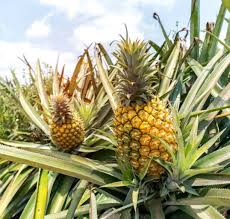
This article, sourced from an FAO-commissioned manual by AgroEco, provides practical guidance for organic pineapple farming in Ghana. It emphasizes sustainable practices to enhance soil fertility, manage pests, and ensure high-quality yields. Aimed at smallholder farmers, it promotes environmentally friendly methods to boost income and food security.
Organic farming avoids synthetic chemicals, focusing on ecological balance and long-term soil health. This guide outlines key practices like composting, mulching, and crop rotation, tailored for pineapple production. It also addresses community involvement and certification processes to access premium organic markets.
The manual offers step-by-step instructions for land preparation, planting, and post-harvest handling. By adhering to organic standards, farmers can achieve sustainable production while minimizing environmental impact. The following sections break down these practices for easy application on your farm.
Introduction to Organic Farming
Organic farming is a sustainable approach to agriculture that prioritizes ecological balance and social responsibility. It avoids synthetic pesticides and fertilizers, focusing on healthy food production with minimal environmental impact. This guide helps Ghanaian farmers adopt organic methods for pineapple cultivation.
By following organic principles, farmers can improve soil fertility, reduce health risks, and access premium markets. The practices outlined here ensure high-quality yields while respecting the natural ecosystem. Below are key aspects of organic pineapple farming for smallholder farmers.
A. What Is Organic Agriculture?
Organic agriculture avoids synthetic pesticides and chemical fertilizers. It emphasizes farming in an ecologically and socially responsible manner. The goal is to provide a sustainable supply of safe, healthy food with minimal nutrient and energy losses.
This approach respects the integrity of plants, animals, and soil. It is regulated by certification agencies to ensure compliance. Organic farming promotes environmentally friendly practices while maintaining high-quality food production standards.
Organic methods reduce negative environmental impacts. They focus on long-term sustainability and ecological balance. By adopting these practices, farmers contribute to healthier ecosystems and safer food for consumers.
B. Principles of Organic Agriculture
1. Nutritional Quality: Organic farming produces high-quality, nutritious food while working in harmony with natural ecosystems.
2. Soil Fertility: It promotes long-term soil fertility through biological cycles and organic matter management.
3. Environmental Protection: Organic practices minimize pollution, avoid over-exploitation, and reduce non-renewable energy use.
4. Biological Diversity: Farmers use diverse crop varieties and biological plant protection to prevent issues rather than treat symptoms.
5. Natural Methods: Synthetic chemicals, genetic engineering, and harmful processing aids are prohibited in organic farming.
C. Benefits of Organic Farming
Organic farming offers numerous advantages despite challenges like time-intensive pest management or potential storage losses. Below are key benefits for farmers:
1. Lower Costs: Requires less capital due to reduced input needs.
2. Premium Prices: Organic products fetch higher market prices, increasing income.
3. Health Safety: Reduces health risks for farmers and consumers by avoiding chemicals.
4. Environmental Care: Minimizes environmental damage and builds on traditional knowledge.
5. Market Access: Opens new opportunities in organic markets, boosting profitability.
Read Also: 15 Medicinal Health Benefits Of Echinacea purpurea (Purple Coneflower)
Land Preparation and Planting
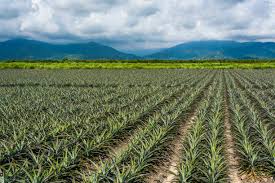
Proper land preparation and planting are critical for successful organic pineapple farming. These steps ensure a healthy foundation for crops, maximizing yield and quality. This section covers clearing, weeding, and planting techniques tailored for organic systems.
By preparing the land thoughtfully, farmers can enhance soil fertility and reduce weed issues. The following subheadings detail recommended practices for clearing, weeding, mulching, and planting pineapples effectively.
A. Clearing and Weeding
Land preparation starts with clearing and weeding to create an ideal growing environment. On new land, clear vegetation and uproot stumps. Use plant residues as mulch or organic fertilizer to enrich the soil naturally.
For previously cropped areas, weeding and reshaping old ridges are essential. Incorporate compost during this stage to boost soil fertility. These practices prepare the land for successful pineapple planting.
Effective weeding reduces competition for nutrients. Organic methods like hand-weeding or mulching are preferred to maintain soil health. Proper land preparation supports robust plant growth and higher yields.
B. Mulching and Bush Burning
Mulching conserves moisture and suppresses weeds, using plant residues or polythene sheets. It enhances soil health and reduces the need for frequent weeding, saving time and labor for farmers.
Bush burning is not recommended in organic farming. It can harm soil structure and beneficial organisms. Instead, use plant residues for mulching to improve soil fertility and water retention.
Mulching materials should be applied evenly across the field. This practice supports sustainable farming by maintaining soil moisture and reducing weed growth effectively.
C. Planting Techniques
1. Material Selection: Choose large planting materials (500-550g) for early bearing within 18 months. Source from your farm or certified organic farms.
2. Field Design: Divide fields into four parts, with 30 cm between plants and rows, and 75 cm between double rows for optimal spacing.
3. Planting Method: Press shoots into lightly loosened soil, ensuring the vegetation point remains above the surface. Avoid water-logged or dry soil.
4. Spacing Consistency: Plant pineapples at regular intervals to improve productivity and maximize yield, following a production planning manual.
Organic Fertilization and Weed Management
Organic fertilization and weed management are vital for healthy pineapple crops. These practices rely on natural methods to enrich soil and control weeds without synthetic chemicals. This section outlines composting, fertilization, and weed control strategies.
Using compost and mulching ensures sustainable nutrient supply and weed suppression. The following subheadings provide detailed guidance on preparing and applying compost and managing weeds effectively.
A. Compost Preparation
Compost is a cornerstone of organic farming, boosting soil fertility and pineapple production. It’s made from decomposed organic matter, providing a balanced, cost-effective fertilizer that raises soil pH and suppresses diseases.
1. Ingredients: Use green (nitrogen-rich) and brown (carbon-rich) materials, like crop residues and manure, in moderation.
2. Pit Setup: Dig three pits (50 cm deep, 150 cm wide) and layer with clay, branches, plant matter, manure, and soil.
3. Decomposition Process: Water thoroughly, cap with grass, and turn the pile every 21-28 days for 70 days total.
4. Quality Check: Ensure compost is dark, crumbly, and sweet-smelling before use to maximize nutrient benefits.
B. Fertilization Methods
Organic fertilizers include compost, manure (poultry, cow, or goat), and pruning waste. Spread compost before planting or in two lots—one before planting and one during flower induction for optimal results.
Apply compost annually during land tilling to incorporate it into the soil. For established pineapples, place compost two inches away in a circular form to enhance nutrient uptake.
Compost can also serve as mulch if not fully decomposed. This practice supports soil health and ensures a steady nutrient supply for pineapple growth.
C. Weed Management
Weed management in organic pineapple farming avoids chemical herbicides. Tilling weeds is challenging, so preventive measures like mulching and sowing non-climbing legumes (e.g., beans, peas) before planting are effective.
When weeds accumulate, cut or pull them by hand and use them for mulching. Dense planting reduces weed growth by occupying available niches, supporting a healthy crop ecosystem.
Mulching with plant residues or polythene sheets conserves moisture and suppresses weeds. These practices maintain soil health and reduce labor-intensive weeding tasks.
Pest, Disease, and Harvest Management
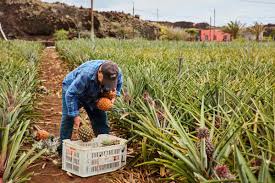
Managing pests, diseases, and harvesting organically ensures high-quality pineapples while adhering to certification standards. This section covers identification, control, and proper harvesting techniques to maintain fruit quality and farm sustainability.
Organic methods prioritize prevention over treatment, using crop rotation and natural inputs. The following subheadings detail pest control, crop rotation, and harvesting practices for organic pineapple farmers.
A. Pest and Disease Control
Improving observational skills is key to identifying pests and diseases early. Monitor your pineapple ecosystem closely and make decisions based on these observations to prevent issues effectively.
Use organic practices like fertilization and crop rotation to reduce pest problems. Avoid synthetic chemicals, and consult your internal control officer before using botanical pesticides, documenting all inputs.
Monitor neighboring conventional farms to prevent chemical spill-over. This ensures your farm remains compliant with organic standards while protecting crop health.
B. Crop Rotation and Flower Induction
1. Crop Rotation: Avoid pineapple monoculture to reduce pest issues. Rotate with crops like groundnuts, beans, or vegetables, and allow a two-to-three-year fallow period.
2. Flower Induction: Use ethylene to induce flowering, as synthetic preparations and carbide are prohibited. Consult organic partners for approved methods to ensure compliance.
3. Benefits: Crop rotation enhances soil health and reduces pest buildup, while controlled flower induction ensures timely fruit development for better yields.
C. Harvesting and Post-Harvest Handling
1. Harvesting Technique: Chop pineapples with a clean knife cut to avoid fungal growth. Harvest when green-ripe or half-ripe for export or processing.
2. Hygiene Standards: Maintain high personal hygiene, with clean clothing, headscarves for women, and hats for men. Wash hands before and after handling fruits.
3. Sorting and Packing: Clean fruits, cut stalks to 2 cm, and sort by size (above 1.5 kg, 1-1.5 kg, below 1 kg). Pack in crates to prevent bruising.
4. Post-Harvest Care: Avoid mixing organic and conventional fruits. Do not smoke, eat, or drink while handling produce, and ensure personnel are free from infectious illnesses.
Read Also: 15 Medicinal Health Benefits Of Echinacea purpurea (Purple Coneflower)
Quality Assurance and Community Engagement

Quality assurance and community engagement are essential for maintaining organic certification and building sustainable farming networks. This section covers certification standards, group collaboration, and community relations for organic pineapple farmers.
By adhering to strict standards and fostering community ties, farmers can ensure market access and long-term success. The following subheadings outline key practices for quality control and community involvement.
A. Quality Assurance
Collaborate with Internal Control System (ICS) staff to maintain organic certification. Document all activities, inputs, and yields to support compliance with international organic standards.
1. Organic Standards: Supply only organic fruits and avoid mixing with conventional produce to meet market requirements.
2. Record-Keeping: Maintain detailed records of farming activities to assist ICS staff in certification processes.
3. Certification Role: Work closely with ICS staff to ensure your farm meets organic standards, enhancing market trust and credibility.
B. Organic Groups and Associations
Strengthening organic groups through regular meetings fosters growth and compliance. Effective communication with group executives ensures long-term success and market expansion.
1. Group Benefits: Discuss common challenges, find solutions, and ensure compliance with certification standards to increase income.
2. Certification Process: Register with a recognized organic producers’ association, abide by standards, and allow farm inspections.
3. Collaboration: Work together to expand market share, ensuring premium prices and sustainable livelihoods for members.
C. Capacity Building and Community Relations
1. Capacity Building: Participate in training to improve farming practices and stay updated on organic standards for better yields.
2. Community Engagement: Involve your community in organic discussions to build trust and promote sustainable development.
3. Environmental Education: Educate your community on environmental issues to support conservation and sustainable livelihoods.
4. Sustainable Impact: Encourage others to adopt organic farming to conserve the environment and ensure long-term benefits.
Frequently Asked Questions
1. What is organic pineapple farming?
Organic pineapple farming avoids synthetic pesticides and fertilizers, focusing on ecological balance, soil health, and sustainable practices to produce safe, high-quality fruit.
2. Why use compost in organic farming?
Compost boosts soil fertility, increases organic matter, raises soil pH, suppresses diseases, and provides a cost-effective, balanced fertilizer for pineapple production.
3. How can I control weeds without chemicals?
Use mulching with plant residues or polythene sheets, sow non-climbing legumes, and hand-weed to suppress weeds while maintaining soil health.
4. What are the benefits of crop rotation?
Crop rotation reduces pest buildup, enhances soil fertility, and prevents monoculture issues, ensuring sustainable pineapple production over time.
5. How do I ensure organic certification?
Register with a certified organic association, document all activities, collaborate with ICS staff, and avoid mixing organic and conventional produce.
6. What is the best time to harvest pineapples?
Harvest when fruits are green-ripe or half-ripe, using a clean knife cut to avoid fungal growth and ensure quality for export or processing.
7. How can I improve my organic farming skills?
Participate in capacity-building programs, attend association meetings, and learn from ICS staff to stay updated on organic standards and practices.
8. Why is community engagement important?
Engaging your community builds trust, promotes environmental awareness, and supports sustainable development, ensuring long-term success for organic farming.
Do you have any questions, suggestions, or contributions? If so, please feel free to use the comment box below to share your thoughts. We also encourage you to kindly share this information with others who might benefit from it. Since we can’t reach everyone at once, we truly appreciate your help in spreading the word. Thank you very much for your support and for sharing!