


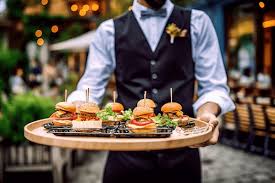
Beverage service encompasses the entire process from purchasing a beverage to its delivery and presentation to the customer. It focuses primarily on the effective delivery and presentation of the beverage to the customer, following the completion of its production.
Pricing Strategies for Beverages
Bar drinks should be priced to maintain a steady profit margin and simplified for both staff and customers. There is no set rule for the exact price of a bar drink. A drink with identical ingredients at another establishment may have a vastly different price. Beverage pricing tiers help create a pattern that is easy to explain and understand.
The pricing of beverages is similar to the pricing of foods. The first step is usually to set the desired profit target and the gross profit percentage. Then, the differential profit margins based on the achievable sales mix are established. From this, the drink price can be determined.
An alternative method for setting the price is outlined below:
Divide the cost of each bottle by the total number of fluid ounces to calculate the price per ounce of each ingredient. For example, a bottle costing N25 and holding around 25 oz. would be N1 per ounce.
Total the cost for the ingredients in each drink. For example, a drink containing 1 oz. of liquor at 70 kobo per ounce and 1 oz. of liquor at N1 per ounce would have a total cost of N1.70. Multiply the price per ounce by the number of ounces the serving glass holds to set the cost.
Multiply the cost by four for a 25 percent liquor cost or five for a 20 percent cost margin. Triple the drink cost to maintain a 67 percent profit over alcohol cost at discount establishments and for temporary happy hour pricing. Multiply the cost by six or seven for high-end restaurants and hotel bars.
Round up the prices to the nearest quarter. Customers and bar staff get slowed down if they have to deal with small change.
Create groups of liquors, beers, and wines with similar prices to establish two or three pricing tiers. Increase the prices of all other drinks in each tier to match the price of the most expensive drink in the group.
Read Also: Sheep gene insights could help farmers breed healthier animals
Methods for Charging for Drinks
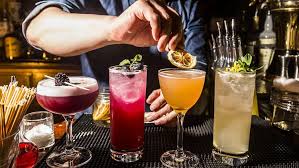
Several methods for charging for drinks can be applied in open bars or used to price drinks for events. These include:
1. Charging Per Drink
Cash bars typically charge per drink. The price is set high enough to cover other expenses. The facility tallies the per-drink charge and presents a single check to the function host or guests.
When setting prices, facilities ensure the cost is a standard percentage of total beverage sales to guarantee a certain profit margin. For example, mixed-drink prices are usually based on a beverage cost percentage of 12 percent to 18 percent of total sales; wines and beers are typically priced to yield a beverage cost percentage of 25 percent.
Some facilities waive bartender charges if beverage sales reach a predetermined amount. A meeting planner may negotiate to have the facility waive corkage fees (charge to open bottles).
The price-per-drink method can also be used for open bars. Bartenders track all drinks served by ringing up each one on a pre-check machine. At the end of the event, the count is computed, and the number of drinks consumed is multiplied by the agreed-upon price per drink, adding consumption taxes and gratuities for the final accounting.
2. Charging Per Bottle
An inventory of all liquor is made at the beginning and end of the beverage function to determine liquor use. Most facilities charge the client for each opened bottle, whether empty or not. In a hotel, remaining liquor can be sent to the host’s suite or a hospitality suite.
Alternatively, if the client has booked several catering events during a convention, leftover opened liquor can be used at the next function.
This pricing method may save money. For example, if a liter of gin yields 27 one-and-a-quarter ounce drinks at a price of $5 each, the expected revenue is $135 per liter. Generally, the per-bottle charge in this situation will be slightly less.
3. Charging Per Person
This pricing option is typically available for clients who want to offer an open bar. Since an open bar reduces the facility’s control over liquor consumption, the price per person is usually set high to ensure profitability.
The amount charged per guest may also include a charge for food and beverage. The client’s final billing is usually based on the type and amount of foods and liquors desired and the duration the bar must remain open.
4. Charging Per Hour
The primary difference between per-person pricing and this method is a sliding scale of charges. For instance, for 150 guests, a client may pay N20,000 for the first hour of standard bar service and N15,500 for the second hour.
Since most guest consumption occurs in the first hour, the caterer can offer a lower price for the second hour and still earn a fair profit.
When using this pricing procedure, a guaranteed minimum number of guests must be expected before a quote can be received.
The per-hour pricing strategy may be combined with the per-person pricing method. For example, a client might pay N250 per person for the first hour, N200 per person for the second hour, and so forth.
5. Flat-Rate Charging
This method is similar to per-guest pricing. In this approach, a single bottom-line charge is paid for the function. The flat-rate charge is usually based on the assumption that each guest will consume an average of two drinks during the first hour and one drink per hour thereafter.
The charge typically varies according to the number of guests expected and the amount of call and premium brands requested. The flat-rate charge is the easiest way to purchase a beverage function: regardless of how many drinks guests consume, the price is known in advance. There is no need to worry about exceeding the budget, and no liquor inventory or drink audit is required.
Read Also: 17 Medicinal Health Benefits Of Mucuna pruriens (Monkey Tamarind)
Beverage Menus and Lists

The primary aim of a beverage menu or list is to clearly inform customers about available options. Typically, the beverage menu serves as a selling tool, and with well-planned advertising techniques, it directs the customer toward what to buy.
However, the sommelier’s ability to engage and gain the confidence of a customer significantly influences their likelihood to purchase a drink. Beverage profits are higher than food profits; thus, adequate attention should be given to this area to maximize benefits.
Beverage lists should be tailored specifically to the area where they are sold, as requirements vary greatly. For example, a restaurant themed in the Italian style, serving authentic Italian food, should prominently feature Italian drinks. Using a general-purpose drink list would not be suitable and would not significantly aid sales.
Types of Beverage Menus
Beverage menus can be grouped into the following categories:
i. Wine Menus: Wine menus may be subdivided into:
ii. Full Wine Menu: This type of wine menu is used where customers have high spending power and meal times exceed 1½ hours. Designing full wine menus can be challenging because certain wines must be included, and selecting wines within various types to ensure balance and restrict choices to reasonable limits adds complexity.
A full wine list is bulky. Due to its size and cost, most establishments prefer having the menu in loose-sheet form inside a quality cover. This allows individual pages to be easily updated and replaced when needed.
It is also common to provide a brief description of the major wines on this list.
iii. Restricted Wine Menu: This menu is used where demand for a full wine menu is limited or when a highly skilled wine waiter is not required. It is prepared by analyzing previous wine sales and features only a few well-known branded wines that many customers recognize. The price range is lower than that of a full wine menu and aligns with the food menu prices. Wine is sold by the carafe and by the glass.
iv. Banquet/Function Wine Menu: This menu is of the restricted type, offering fewer wines than the full wine menu. The items relate to the type of banquet. A general rule is to offer wines with varying price ranges to suit a wide range of customers and their tastes.
Banquet wine menus also feature well-known branded wines. Care must be taken with mark-ups to avoid customer annoyance, as many customers are familiar with the prices of these wines in local supermarkets.
Bar Menus and Lists
There are two main types of bar menus:
- A large display of beverages and their prices, typically located at the back of the bar or to the side. In some countries, this is a legal requirement.
- A small printed menu placed on the bar and on tables in the bar area.
The large display is used in general bars serving everyday drinks, while small printed menus are found in lounge and cocktail bars.
The cocktail bar menu typically includes cocktails, mixed drinks, sherries and ports, liqueurs and brandies, wines, minerals, and cordials. This menu does not need to follow a particular pattern; the emphasis should be on merchandising specific items.
1. Room Service Beverage Menu
The size and type of this menu depend on the hotel’s standard and the level of room service offered. In a luxury hotel, the room service menu is extensive, combining items from the full wine list and the bar menu. Due to the high labor cost of room service staff, most hotels provide a small refrigerator stocked with a limited quantity of basic drinks.
Many beverage units in bedrooms include a computer-based control system that automatically records the removal of any item and charges it to the customer.
2. Special Promotion Beverage Menu
This takes forms ranging from free pre-function receptions to promote a particular beverage to the promotion of after-lunch and after-dinner liqueurs using attractive tent cards or the promotion of cocktails of the month.
Suppliers often assist with beverage promotional menus by providing free advertising and promotional materials or offering the particular beverage free or at a special purchase price.
General Rules for Serving Beverages
Practices for serving different kinds of wine with each food course are seldom observed today, except on very formal occasions or for special gastronomic events. However, some aspects of the practice have endured:
- The progression of wines in a menu typically involves serving white and delicate wines before fuller-bodied wines, simple wines before higher-quality wines, and young wines before older wines.
- When multiple wines are served with a meal, the accepted order is dry wines first, followed by red wines, and finishing with sweet wines.
- Wines from several countries may be served with a meal, provided there is an affinity between the wines and they pair well with the meal.
- Champagne may be served throughout a meal, with dry champagne accompanying all courses except the sweet course, where a semi-sweet champagne is most suitable.
- Rosé wines may also be served throughout a menu, though this is unusual for formal or gastronomic occasions.
- Dry wines are typically served with fish, shellfish, and white meats such as poultry, pork, and veal.
- Red wines are typically served with red meats, such as beef and game.
- Sweet wines are typically served with the sweet course.
- Port is considered ideal for serving with cheese and dessert.
Detailed Wine Service Procedures
Wine is an integral part of a fine dining experience in a restaurant. While wine service in many restaurants is more relaxed than formal service, the basics remain the same.
1. Serving Wine at Correct Temperatures
Serving wines at the correct temperature is crucial. The following temperatures are recommended:
- 18°C: Top-quality red wine – Burgundy, Bordeaux
- 16°C: Sweet dessert wine – Port, Sweet Sherry, Marsala
- 14°C: Red wine
- 12°C: Table red wine, aperitif wines – Vermouth, Dry Sherry
- 11°C: Rosé and Blanc de Noir
- 10°C: Top-quality white wine
- 8°C: White wine
- 6°C: Sparkling red wine
- 5°C: Champagne and sparkling wine
2. Presenting the Wine List
After the guest is seated, the wine list is presented by the maître d’, hostess, sommelier, or waiter.
3. Ordering Wine
Once the wine is selected, ordered, and verified, the wine waiter proceeds with the subsequent steps.
4. Handling the Cork
After the bottle is approved, the waiter removes the cork with a corkscrew. The bottle may be placed on the table for stability, or a skilled waiter may hold it in the air. The waiter typically stands to the right of the wine host. Once the cork is removed, it is placed next to the wine host for inspection.
5. Opening the Wine
- Hold the bottle in one hand at a 45° angle, at waist height. If right-handed, hold in the left hand and vice versa.
- Open the blade on the waiter’s friend (bottle opener).
- Carefully cut the foil/plastic on the top of the bottle, just on the ridge below the top.
- Place the cut foil in the pocket and close the knife of the waiter’s friend.
- Wipe the top of the bottle with a service cloth, per organizational requirements.
- Open the corkscrew on the waiter’s friend.
- Hold the neck of the bottle firmly and insert the corkscrew in the center of the cork.
- Turn the corkscrew clockwise, ensuring it goes down the center of the cork.
- Tilt the arm of the waiter’s friend and rest the lever on the lip of the bottle, holding it in place with the index finger.
- Pull the opposite end of the waiter’s friend to extract the cork carefully to avoid damage.
- Perform this process quietly, avoiding a loud “pop” when removing the cork.
- Remove the cork from the corkscrew and place it on a side dish for the host to inspect, with the winery name facing the host if present.
- Return the waiter’s friend to the pocket.
- Wipe the lip of the bottle with the service cloth if required by organizational standards.
6. Tasting the Wine
Once the bottle is opened, pour a small amount (a mouthful) into the host’s glass without the bottle touching the glass. This allows the host to approve or reject the wine.
A wine may be “corked,” oxidized, light-struck, or have other flaws, making it unsuitable for consumption. Such conditions are rare but more likely in older or poorly stored wines. If the host detects an issue, the waiter should be informed, and the bottle rejected.
The rejected bottle is replaced with another of the same wine or a different wine suggested by the waiter. In most cases, the wine will be perfect, and this should be communicated to the waiter.
7. Pouring the Wine
When the host approves the wine:
- Fill guests’ glasses—two-thirds for white wine and half for red wine.
- Follow proper etiquette by pouring for ladies first, starting with the guest on the host’s left and moving clockwise, finishing with the host. An exception is that a guest of honor is served first, regardless of gender. In a banquet setting with eight or more guests, pour clockwise from the wine host to all guests regardless of gender.
- Pour all glasses from the guest’s right.
- Ensure enough wine for all guests. A bottle contains five glasses, but if there are more than five people and only one bottle, the waiter may suggest another bottle to the host. Regardless of the decision, ensure all guests receive nearly equal amounts, even if less than a normal pour.
- Avoid running out of wine before completing the table.
- Place the bottle in an ice bucket, cooler, on a sideboard, or on the table per organizational requirements.
- Drape a napkin around the neck of red wine bottles and over the ice bucket for white wine per organizational requirements.
- Refill wine glasses as needed, checking with guests rather than assuming they want more.
8. Reordering Wine
At several points during the meal, the sommelier should check with the host to determine if additional wine is needed, either the same wine or a different one for comparison or another course.
If more of the same wine is ordered (same selection and vintage), it is appropriate to pour into the same glasses, but the host requires a new glass for tasting. If a new wine is ordered, all glasses must be changed, and the opening and tasting process repeated.
9. Serving Champagne and Sparkling Wine
i. Presenting Champagne
Ensure champagne glasses are on the table before presenting the bottle. Follow the same method as for presenting a bottle of wine.
ii. Opening and Pouring Champagne
- Hold the bottle in the left hand (or right if left-handed) at a 45° angle, at waist height.
- Point the bottle away from customers.
- Find the wire ring at the neck and untwist it.
- Remove the foil and wire cage (muselet), keeping a thumb on the cork to prevent it from popping out.
- Place the foil and muselet in the pocket.
- Use a service cloth to cover and firmly hold the cork with the palm.
- Hold the base of the bottle with the left (or right) hand and twist the bottle and cork in opposite directions to loosen the cork.
- Ease the cork out gently without a loud pop.
- Place the cork in the pocket.
- Wipe the lip of the bottle with the service cloth.
- Allow the host to taste the champagne/sparkling wine.
- Serve other guests once the host approves, as with red or white wine.
- Place the champagne/sparkling wine in an ice bucket with the service cloth over it per organizational requirements.
- When pouring, hold the bottle with the thumb in the punt (indentation at the bottom) and fingers supporting the bottle, or hold it as a normal wine bottle. Never pour by holding the neck.
- Pour slowly to prevent overflow, allowing bubbles to subside.
10. Serving Beer
Beer should be served at 12.5°C–15.5°C, with lagers generally cooler at 8.0°C–10.5°C. Many bottled beers are served chilled. Draught beer, en route from the keg/cask to the pump, often passes through a chilling unit.
Draught beers should have a small head, and the bar person should ensure the correct quantity is served with a small head, not a large one to compensate for volume. Good beer condition is indicated by the head clinging to the inside of the glass.
When pouring bottled beer, pour down the inside of a slightly angled glass slowly, especially for beers like Guinness and stouts that produce a large head quickly if not poured carefully. Glasses must be spotlessly clean, as a dirty glass causes beer to go flat quickly.
Extra care is needed in hot weather, as beer works more. The bottle neck should not touch the beer, especially when pouring from two bottles held in one hand. For beers with sediment, leave a little beer in the bottle to hold back the sediment.
Types of Beer Glasses
i. Pint Glass: A standard, all-purpose beer glass with slightly tapered walls, used for English- and American-style lagers and ales, from light lagers to imperial stouts.
Pint Glass (Mixing), Pint Glass (Pub)
ii. Pilsner Glass: Long, narrow glasses with walls tapering toward the base, used to consolidate volatiles and support delicate heads of pilsners and other lagers.
Pilsner Glass (Standard), Pilsner Glass (Footed)
iii. Weizen Glass: A large, curvaceous glass, bulbous near the mouth to support and showcase the heads of weizens and other wheat beers.
Pilsner Glass (Weizen), Seidel
iv. Seidel: A German-style mug, often large, with handles and thick walls to maintain a cool temperature. An earthenware, ceramic, or metal version is called a stein.
v. Tulip Glass: A bulbous glass with a trumpeted mouth and short stem, used to capture aromas and support large heads of artisanal Belgian ales. Often etched on the bottom to stimulate carbonation for head retention. Can be substituted with an oversized snifter.
vi. Chalice or Goblet: A wide-mouthed, bowl-like, stemmed glass, often with metal linings, used for Trappist ales and other abbey-style ales. Often etched to stimulate carbonation. Can be substituted with an oversized red wine glass.
Stocking the Bar Essentials
Everything needed to stock a bar falls into three basic groups: alcohol, mixers, and bar accessories. The specific items depend on the drinks served most, but a basic list provides a starting point.
Alcohol Selection
A bar requires a basic assortment of spirits to offer customers a broad range of choices in price, quality, and vintage:
i. Spirits: Gin, Vodka, Flavored Vodka (Citrus, Cherry, Blueberry, Vanilla, etc.), Rum (Light, Dark, Spiced), Tequila (Light & Dark), Whiskey (Canadian, Irish), Scotch, Bourbon, Cognac, Brandy
ii. Wine: White, Red, Sparkling
iii. Liqueurs/Cordials: Jägermeister, Kahlúa, Kirschwasser, Midori, Amaretto, Chambord, Campari, Cointreau, Curaçao (Blue & Orange), Crème de Banana, Crème de Cacao, Crème de Cassis, Irish Cream, Rumple Minze, Sambuca, Schnapps (Peach, Pear, Pomegranate, Sour Apple, Butterscotch, Mango), Southern Comfort, Crème de Menthe, Frangelico, Galliano, Godiva
Mixers and Garnishes
Tonic Water/Club Soda, Soda (Coke, 7up, Ginger Ale), Grenadine, Lime Juice (fresh or Rose’s), Cinnamon, Nutmeg, Salt/Sugar, Mint, Olives/Onions, Sweet and Sour, Tabasco, Bitters, Milks, Cream of Coconut, Fruit Juice (Cranberry, Orange, Pineapple, Grapefruit, Tomato), Fruit (Pineapple/Orange slices, Cherries, Strawberries, Bananas, Apples, Lemon/Limes), Vermouth, Worcestershire Sauce
Bar Accessories
To mix and serve drinks, bartending tools are essential:
Shot glasses, Cocktail shaker, Bar caddy, Bottle openers, Bar mats, Blender, Bottle pourers, Straws and stirrers, Margarita glass rimmer, Glassware (beer mugs, stemware, rocks glasses), Cocktail napkins