


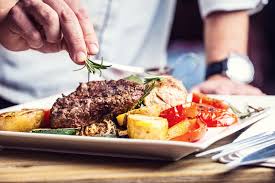
The Food and Beverage (F&B) Department is responsible for maintaining high quality of food and service, food costing, and managing restaurants, bars, and other outlets. Food and Beverage Service involves serving food prepared in the kitchen and drinks made in the bar to customers at various premises.
This article explores different types of food and beverage outlets, including restaurants, bars, hotels, airlines, cruise ships, trains, companies, schools, colleges, hospitals, prisons, and takeaways.
Read Also: How to determine if your Housing is Conducive for your Fishes
Categories of Food and Beverage Outlets
Food and Beverage Outlets are divided into the following categories:
1. All Day Dining Restaurants in Hospitality
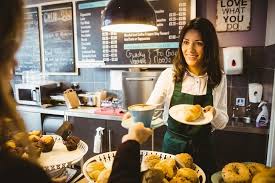
All Day Dining Restaurants, often called Coffee Shops or Cafes in hotels, are typically large with many covers (seats) compared to other restaurants in the same hotel.
They are named All Day Dining Restaurants due to their hours of operation, open for breakfast in the morning, lunch in the afternoon, and dinner in the evening.
2. Fine Dining Restaurants in Hospitality
Fine Dining Restaurants are characterized by their elaborate and exclusive menus, emphasizing high-quality food. The focus is on fresh ingredients, natural flavors, or specific cuisines, or both. Operations typically revolve around the Head Chef or Chef De Cuisine of the outlet.
3. Specialty Restaurants in Hospitality
Specialty Restaurants often reflect a national or regional character or cuisine, such as Italian or Chinese Specialty Restaurants.
Some hotels feature Multi-Cuisine Specialty Restaurants, serving dishes from multiple countries or showcasing food specialties from various regions.
4. Lounges in Hospitality Settings
Lounges, found in various hotels, offer food and drinks in comfortable, cozy seating within relaxed surroundings. Types include Lobby Lounges, Cocktail Lounges, Cigar Lounges, and Executive or Club Lounges on special floors.
5. Bars in Hospitality Environments
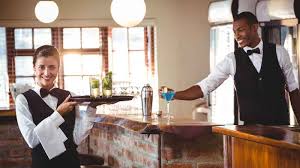
Bars are places where drinks are served, often accompanied by a small snacks menu. Service is fast and efficient. Types of bars include Formal Bars, Club Bars, Pubs, Pool Bars, Wine Bars, Cocktail Bars, Beach Bars, Juice Bars, and more.
6. Discotheques and Nightclubs in Hospitality
Discotheques and Nightclubs prioritize music and entertainment alongside food and drink. Operations are fast-paced with large guest numbers, and security is a key concern. Entertainment ranges from DJs to live bands.
7. Room Service and In-Room Dining in Hospitality
Room Service, also known as In-Room Dining, involves delivering food and drinks to guest rooms in hotels or resorts.
8. Meeting and Conference Rooms in Hospitality
Meeting and Conference Rooms, along with Ballrooms, fall under the Banquets and Conference section. They are significant revenue sources in the Food and Beverage Department, particularly in corporate and city hotels. MICE (Meetings, Incentives, Conferences, and Exhibitions) can generate substantial revenue compared to other hotel outlets.
9. Ballrooms for Events in Hospitality
Ballrooms are large function rooms primarily used for functions and weddings. Staffing is minimal due to the seasonal nature of events, with extra staff often hired casually. This section is dynamic, physically demanding, and creatively oriented.
10. Delicatessens in Hospitality
Delicatessens, or Delis, offer fresh produce such as freshly baked bread, cold meats, fresh salads, cakes, homemade ice creams, and light, healthy drinks.
11. Other Food and Beverage Outlets
Other outlets include Fast Food Outlets, Food Courts, and Snack Bars, which often operate independently or within shopping centers.
Responsibilities and Objectives of Food and Beverage Management
- Provide food and beverage facilities for a clearly defined market.
- Handle purchasing, receiving, storing, issuing, and preparing food and beverages for sale.
- Formulate efficient control systems within the department.
- Monitor prices to ensure competitive rates while maintaining quality standards.
- Price restaurant and special function menus to achieve desired profit margins.
- Compile daily, weekly, and monthly data on costs and sales for forecasting, planning, and budgeting.
- Reconcile actual and forecasted costs and sales, initiating control procedures for discrepancies, such as poor portion control or incorrect pricing.
- Train, motivate, and control all department staff.
- Coordinate with other departments to contribute to the organization’s short-term and long-term profitability.
Read Also: How many plots of land do I need to start fish farming?
Functions of the Food and Beverage Manager
The Food and Beverage Manager’s functions involve planning, organizing, motivating, and controlling. Planning includes setting marketing, financial, and catering policies to define the market, profitability, and operational objectives. These policies are decided at senior management levels.
Tasks are assigned to individuals with job descriptions outlining their purpose and responsibilities. The manager collaborates with the personnel department to produce job descriptions and appoint on-the-job trainers for new staff.
Motivating staff is critical, achieved by fostering team spirit through group tasks, encouraging staff-management committee meetings, and providing thorough training to reduce job anxieties.
Control involves checking performance against budgets or forecasts, identifying problem areas, rectifying issues, and preventing recurrence. The manager uses tools like organization charts, which graphically depict the department’s structure, and job descriptions, which detail duties and responsibilities.
In larger establishments, departmentalization occurs, with the control department consisting of four to five full-time employees for manual systems or two for computerized systems.
In smaller hotels, the owner often manages all departments, including food and beverage, overseeing revenues and costs.
Work schedules outline tasks, procedures, and time requirements, particularly for training new employees or lower-grade jobs, but have limited application at supervisory or management levels.
Example Work Schedule for Food and Beverage Manager
Job Title: Food and Beverage Manager
Date: 3/3/12
Name of Establishment: Levelley’s Hotels, Lagos, Nigeria
Responsible To: The General Manager
Responsible For: All personnel within the Food and Beverage Department
Duties:
- Maintain efficient catering services for identified markets.
- Control raw material, labor, and equipment costs.
- Liaise with department heads to produce budgets for approval by the Chief Accountant.
- Ensure required profits for all selling outlets while maintaining standards outlined in the catering policy.
- Uphold hygiene and safety standards, ensuring legal compliance.
- Attend staff meetings with department heads and other meetings arranged by the General Manager.
- Collaborate with the Personnel Department for recruiting and training new staff.
Constraints to Food and Beverage Management in Hospitality
Managing food and beverage departments is complex due to external and internal pressures.
A. External Factors Affecting Food and Beverage Management
1. Political: Government legislation (e.g., fire regulations, health and safety acts, EEC regulations, HCITB training levy), changes in taxation structure, and specific taxes like VAT.
2. Economic: Rising costs for food, beverages, labor, fuel, rates, and insurance; sales instability; changes in expenditure patterns; credit facility fluctuations; and higher interest rates.
3. Social: Population shifts, changes in socio-economic groupings, growth of ethnic minorities increasing demand for varied foods, and evolving food trends like take-away popularity.
4. Technical: Mechanization of food production and service equipment, computer technology for data processing, and product development like textured vegetable protein (TVP).
B. Internal Factors Impacting Food and Beverage Operations
1. Food and Beverage: Perishability requiring adequate stock turnover, wastage, poor portion control, and pilferage from kitchens, restaurants, bars, and stores.
2. Staff: Shortages during peak sales, surpluses during low activity, absenteeism, illness, reliance on part-time or casual staff, and poor supervision.
3. Control: Cash collection and control, pricing menus amid fluctuating food prices, and stores control for food and liquor.
Effective management involves identifying potential problems in advance, planning for them, and addressing causes rather than symptoms to ensure efficient operations.
Do you have any questions, suggestions, or contributions? If so, please feel free to use the comment box below to share your thoughts. We also encourage you to kindly share this information with others who might benefit from it. Since we can’t reach everyone at once, we truly appreciate your help in spreading the word. Thank you so much for your support and for sharing!