


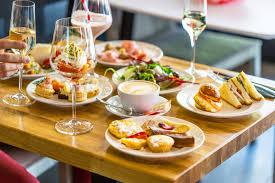
In the food industry, particularly within agriculture-driven establishments, understanding food and beverage service is critical. Knowledge of requirements for success in this field is essential.
Working in food and beverage service provides numerous opportunities for professional growth and advancement for those dedicated to the hospitality sector. For individuals committed to this area, a fulfilling, exciting, and enjoyable career awaits.
This article explains the meaning of food and beverage service and explores various types of food service operations relevant to agricultural products. It also briefly addresses how to achieve success in this domain.
Read Also: Poultry Management during Winter Cold
Defining Food and Beverage Service in Agriculture
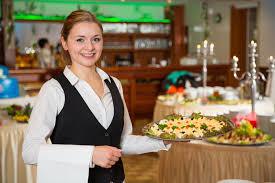
Food and beverage service serves as the essential link between customers and the menu, beverages, and other services offered in an establishment. The server acts as the primary point of contact between customers and the establishment, playing a significant role in a profession with growing national and international recognition.
The skills and knowledge required for food and beverage service, and thus career opportunities, are transferable across establishments, sectors, and globally.
To excel in food and beverage service within agricultural contexts, the following are required:
- Sound product knowledge, particularly of farm-sourced ingredients.
- Well-developed interpersonal skills.
- A range of technical skills.
- The ability to work as part of a team.
Types of Food Service Operations Utilizing Agricultural Products
The industry serves millions of meals daily across a diverse array of food service operations, many of which rely on agricultural produce.
1. Food Offerings: These encompass a wide range of styles and cuisine types, often sourced from local farms. They can be classified by country, such as traditional British or Italian; by cuisine type, like oriental; or by specialties such as fish, vegetarian, or health-focused foods.
2. Beverage Offerings: These include all alcoholic and non-alcoholic drinks. Alcoholic beverages encompass wines, cocktails, beers, ciders, spirits, and liqueurs. Non-alcoholic beverages include bar beverages like minerals, water, juices, squashes, and aerated water, as well as tea, coffee, chocolate, milk, milk drinks, and proprietary drinks such as Bovril, many of which may incorporate agricultural ingredients.
Food and beverage (or food service) operations include various types of establishments, such as restaurants (bistros, brasseries, coffee shops, fine dining), function rooms, tray service operations, lounge service operations, and home delivery for hotel guests. Examples of these operations are detailed in the table below.
Read Also: Poultry Management during Winter (Cold)
Examples of Food Service Operations

| Types of Operations | Description |
|---|---|
| Bistro | Often a smaller establishment with check tablecloths, bentwood chairs, cluttered décor, and friendly, informal staff. Offers honest, basic, and robust cooking, often using local farm produce. |
| Brasserie | A largish, styled room with a long bar, typically serving one-plate items rather than formal meals (though some offer both). Customers can enjoy drinks, coffee, or snacks. Service is often by waiters in traditional long aprons and black waistcoats. |
| New Wave Brasserie (Gastrodome) | Features slick, modern interior design paired with contemporary cuisine and service. Busy, bustling, and often large and multi-leveled, emphasizing fresh agricultural ingredients. |
| Coffee Shop | Similar to brasserie-style operations, often themed. May operate all day, serving meals from breakfast to supper, often incorporating farm-fresh products. |
| First-Class Restaurant | Formal fine dining restaurants with classical food preparation and presentation, offering high-level table service (silver, guéridon, or plated). Often associated with haute cuisine and premium agricultural produce. |
| Restaurant | Covers a wide variety of operations. Price, service level, décor, styles, cuisines, and choice vary greatly. Service ranges from full table service to assisted service, such as carvery-style, often showcasing regional farm products. |
| Ethnic Restaurant | Features cuisines like Indian, Oriental, Asian, Spanish, Greek, Italian, Creole, or Cajun, often reflecting ethnic origins and incorporating local or imported agricultural ingredients. Many standard dishes now appear in diverse menu types. |
| Themed Restaurant | Often international in orientation, such as Icelandic hot rock or Benihana-style oriental, with food prepared and cooked at the table. Themes like jungle, rainforest, or music/opera involve staff performing while serving, often using specialty farm products. |
| International Destination Restaurant | Often Michelin-starred fine dining restaurants offering distinctive personality, cuisine, ambiance, beverages, and service. Features high-level table service and is considered a hub of gastronomy, using premium agricultural ingredients. Expensive but value-laden. |
| Health Food and Vegetarian Restaurants | Increasingly specialized operations catering to vegetarian or health-focused diets (though vegetarian food is not always healthy). Meets lifestyle and dietary needs, heavily reliant on fresh, local produce. |
| Cafeteria | Primarily self-service, with customers choosing selections from counters in various designs and layouts. Originally developed for industrial feeding but now seen in multiple sectors, often using locally sourced ingredients. |
| Popular Catering and Fast Food Outlets | Evolved from table service tea shops and cafés to steakhouses, snack bars, kiosks, diners, takeaways, and cafeterias. Modern concepts include burgers, chicken, fish, and ethnic foods, meeting all-day meal (grazing) and grab-and-go needs, especially for leisure, industrial, and travel markets, often using agricultural products. |
| Public Houses | Licensed environments primarily for drinking alcoholic beverages. May range from simple serving bars to plush establishments offering a variety of foods, from plated dishes to full restaurant service (gastropubs), often featuring farm-sourced ingredients. |
| Wine Bars | A mix of bar and brasserie-style operations with a wine theme, serving a variety of foods, often paired with agricultural produce. |
Food and beverage service is vital as the link between customers and the menu, beverages, and other services offered in an establishment.
This article has briefly outlined the meaning of food and beverage service and the various types of food service operations, emphasizing their connection to agricultural products.
Do you have any questions, suggestions, or contributions? If so, please feel free to use the comment box below to share your thoughts. We also encourage you to kindly share this information with others who might benefit from it. Since we can’t reach everyone at once, we truly appreciate your help in spreading the word. Thank you so much for your support and for sharing!