


Processing, packaging, and exporting sesame seeds involves several critical steps to ensure that they meet international standards and reach their destination in top condition. This guide provides a detailed overview of each stage, from harvesting to shipping, to help you successfully navigate the process.
To process sesame seeds for export, start with harvesting when the pods are brown and dry, as timing is crucial for maintaining seed quality. Next, dry the harvested pods in a shaded area to prevent mold and ensure the seeds remain in good condition. Once dry, thresh the seeds by separating them from the pods manually or with machinery, and remove any debris.
Clean the seeds using seed cleaners that involve air cleaning and screening to eliminate impurities. Depending on the market requirements, hull the seeds to remove the outer shell using mechanical methods.
After hulling, sort the seeds to discard any that are damaged or of poor quality. Pack the cleaned and sorted seeds in appropriate containers to keep them fresh. Perform a final quality check to ensure the seeds meet export standards, checking for moisture content and cleanliness.
Prepare all necessary export documentation, including certificates of origin and phytosanitary certificates. Finally, store the packaged seeds in a cool, dry place until they are ready for shipment.
Effective packaging is essential to preserve sesame seed quality during export. Choose durable, food-grade materials like plastic bags, burlap sacks, or cardboard boxes. For smaller quantities, use plastic or paper bags and ensure they are properly sealed. For larger quantities, use heat sealing machines to protect the seeds from contamination and moisture.
Clearly label each package with details such as product name, weight, origin, and handling instructions. Place sealed bags or sacks into sturdy cardboard boxes for bulk packaging. Stack these boxes on pallets and secure them with shrink wrap or straps to facilitate handling.
Before shipping, inspect the packages to ensure they are sealed, labeled correctly, and free from damage. Store the packaged seeds in a clean, dry area until they are ready to be shipped. Ensure that all packaging complies with regulations of the destination country.
To maximize profits from exporting sesame seeds, start by researching potential markets to find countries with high demand and favorable trade conditions. Understand the export regulations and quality standards of your target markets to ensure compliance.
Calculate the costs involved in processing, packaging, and shipping the seeds, including production costs, shipping fees, and any tariffs or taxes. Set competitive prices based on this cost analysis and market research. Identify potential buyers through trade fairs, industry contacts, or online platforms.
Negotiate contracts with buyers, covering payment terms, delivery schedules, and quality requirements. Arrange reliable transportation and ensure timely delivery. Prepare and submit all required export documentation for smooth customs clearance.
Promote your sesame seeds through various marketing channels, highlighting their quality and benefits. Finally, provide excellent customer service to build strong relationships and encourage repeat business.
How to Process Sesame Seeds for Exportation

1. Harvesting: Start by harvesting sesame seeds when the seed pods have turned brown and dry. Timing is crucial as harvesting too early or late can affect the quality of the seeds.
2. Drying: Spread the harvested sesame pods in a dry, shaded area to ensure they dry completely. Proper drying helps prevent mold and maintains the seed quality.
3. Threshing: Once the seeds are dry, remove them from the pods. This can be done manually or with a threshing machine. Ensure that the seeds are separated from any debris or pod fragments.
4. Cleaning: Clean the seeds using a seed cleaner to remove dirt, stones, and other impurities. This can involve several stages, including air cleaning and screening.
5. Hulling: Depending on the requirements of your export market, you may need to hull the seeds to remove the outer shell. Hulling can be done mechanically or using a hulling machine.
6. Sorting: After hulling, sort the seeds to remove any that are damaged or of poor quality. This ensures that only high-quality seeds are sent for export.
7. Packaging: Pack the cleaned and sorted seeds in appropriate containers. This is an important step to ensure the seeds remain fresh and uncontaminated.
8. Quality Control: Perform a final quality check to ensure the seeds meet export standards. This may involve testing for moisture content, cleanliness, and other quality parameters.
9. Documentation: Prepare the necessary export documentation, including certificates of origin, phytosanitary certificates, and any other required paperwork.
10. Storage: Store the packaged seeds in a dry, cool place until they are ready for shipment. Proper storage helps maintain seed quality and prevents spoilage.
How to Package Sesame Seeds for Exportation
Proper packaging is crucial for maintaining the quality of sesame seeds during export. Here’s a detailed guide to help you package sesame seeds effectively:
1. Choose Packaging Materials: Select high-quality packaging materials such as food-grade plastic bags, burlap sacks, or cardboard boxes. Ensure the materials are durable and suitable for preserving the seeds.
2. Bagging: For smaller quantities, use plastic or paper bags. Make sure each bag is properly sealed to prevent air and moisture from entering.
3. Sealing: For larger quantities, use heat sealing machines to seal the bags or sacks. This helps protect the seeds from contamination and moisture.
4. Labeling: Clearly label each package with important information such as the product name, weight, country of origin, and expiration date. Labels should also include handling instructions.
5. Boxing: If packaging in bulk, place the sealed bags or sacks into sturdy cardboard boxes. Ensure the boxes are strong enough to handle the weight of the seeds.
6. Palletizing: For easier handling and shipping, stack the boxes on pallets. Use shrink wrap or straps to secure the boxes on the pallets.
7. Inspection: Before shipment, inspect the packages to ensure they are properly sealed and labeled. Check for any signs of damage or contamination.
8. Storage: Store the packaged seeds in a clean, dry area until they are ready to be shipped. Proper storage conditions help maintain the seeds’ quality.
9. Shipping Preparation: Ensure that all packages are ready for shipment and that any necessary shipping documents are prepared.
10. Compliance: Follow any specific packaging regulations required by the destination country to ensure compliance with their import standards.
Read Also: How to Improve Fertile Egg Survival Rate
How to Export Sesame Seeds for Profits
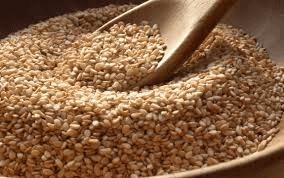
1. Market Research: Start by researching potential markets for sesame seeds. Identify countries with high demand and favorable trade conditions.
2. Regulations and Standards: Understand the export regulations and quality standards of the target markets. Ensure your sesame seeds meet these requirements.
3. Cost Analysis: Calculate the costs involved in processing, packaging, and exporting the seeds. This includes production costs, shipping costs, and any tariffs or taxes.
4. Pricing Strategy: Set competitive prices based on your cost analysis and market research. Consider factors such as demand, competition, and profit margins.
5. Find Buyers: Identify potential buyers or distributors in your target markets. Attend trade fairs, connect with industry contacts, or use online platforms to find buyers.
6. Negotiate Contracts: Negotiate contracts with buyers, including terms of payment, delivery schedules, and quality requirements. Ensure all agreements are clearly documented.
7. Logistics: Arrange for the transportation of the sesame seeds from your processing facility to the buyers. Choose reliable shipping partners and ensure timely delivery.
8. Export Documentation: Prepare and submit all required export documentation, including invoices, packing lists, and certificates of origin. Proper documentation is essential for smooth customs clearance.
9. Marketing: Promote your sesame seeds through various marketing channels, such as online platforms, trade shows, and industry publications. Highlight the quality and benefits of your product.
10. Customer Service: Provide excellent customer service to build strong relationships with buyers. Address any issues promptly and ensure customer satisfaction to encourage repeat business.
Read Also: Poultry Management During Winter (Cold)
Frequently Asked Questions (FAQs) About Sesame Seeds

1. What are sesame seeds? Sesame seeds are small, oil-rich seeds harvested from the sesame plant. They are used in various cuisines and have numerous health benefits.
2. How are sesame seeds processed? Sesame seeds are processed by harvesting, drying, threshing, cleaning, hulling, sorting, and packaging.
3. What are the health benefits of sesame seeds? Sesame seeds are rich in healthy fats, proteins, vitamins, and minerals. They can help improve heart health, support digestion, and provide antioxidant benefits.
4. How can I store sesame seeds? Store sesame seeds in a cool, dry place in an airtight container to maintain freshness and prevent spoilage.
5. How do I export sesame seeds? Exporting sesame seeds involves processing, packaging, finding buyers, arranging logistics, and preparing necessary documentation.
6. What is the best way to package sesame seeds? Use food-grade packaging materials, seal the packages securely, and label them clearly. For bulk quantities, use sturdy boxes and palletize if needed.
7. What are the common uses of sesame seeds? Sesame seeds are used in baking, cooking, as a topping for dishes, and in making sesame oil and tahini.
8. Are there different types of sesame seeds? Yes, sesame seeds come in different colors, including white, black, and brown. Each type has slightly different flavors and uses.
9. How can I find buyers for sesame seeds? Find buyers through trade fairs, online platforms, industry contacts, or by connecting with distributors in target markets.
10. What are the export regulations for sesame seeds? Export regulations vary by country. Ensure compliance with quality standards, obtain necessary certificates, and follow import regulations of the destination country.
Read Also: Comparison between E-Business vs. E-Commerce