


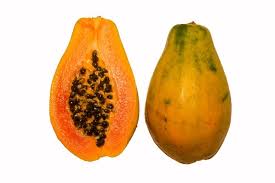
Pawpaw fruit, also known as papaya (Carica papaya), is a nutrient-dense tropical fruit celebrated for its sweet flavor, digestive enzymes like papain, high vitamin C, antioxidants, and fiber. While it offers impressive health benefits, excessive consumption or use by certain individuals can lead to side effects and risks that warrant caution and moderation.
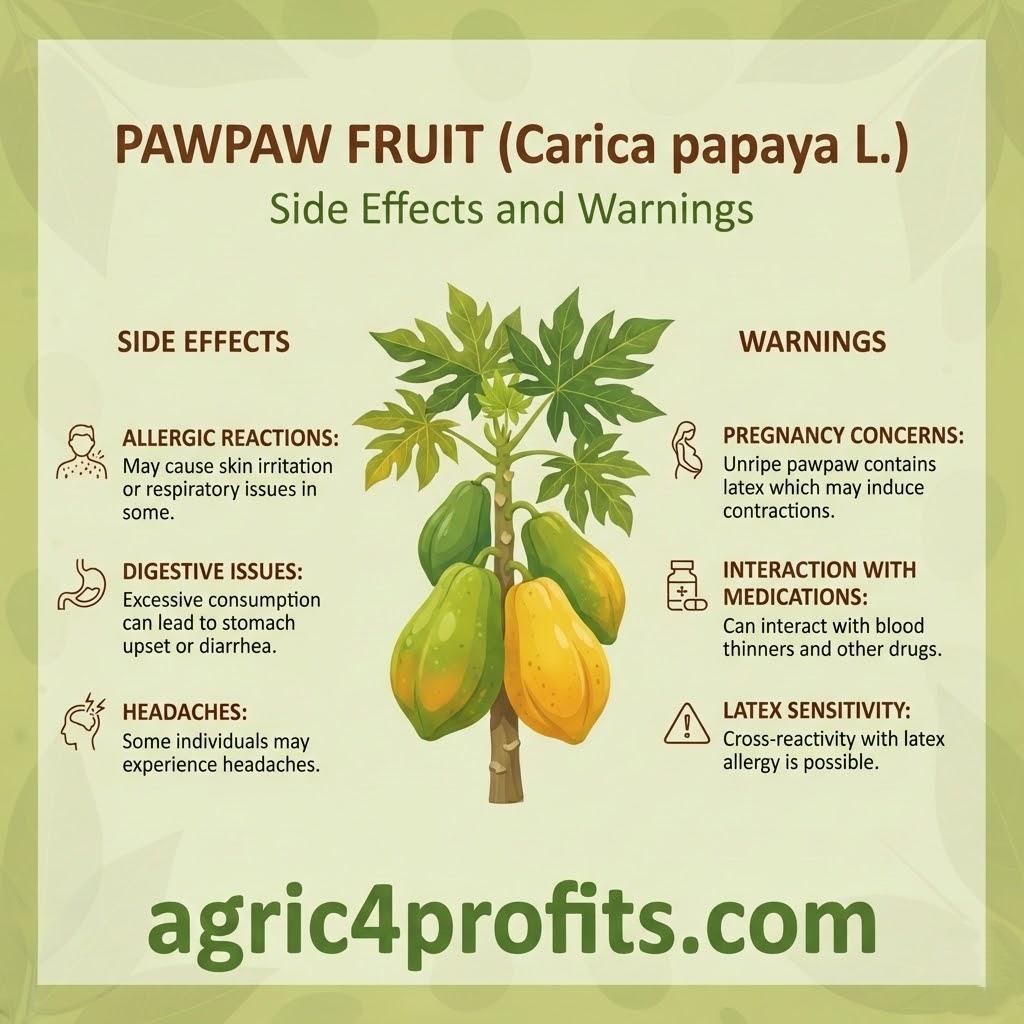
Common concerns include allergic reactions, especially in people with latex-fruit syndrome (cross-reactivity with papaya’s proteins), causing itching, swelling, hives, oral irritation, or in rare cases anaphylaxis.
Digestive issues may arise from overeating due to high fiber and papain—leading to diarrhea, stomach cramps, bloating, or loose stools in sensitive people.
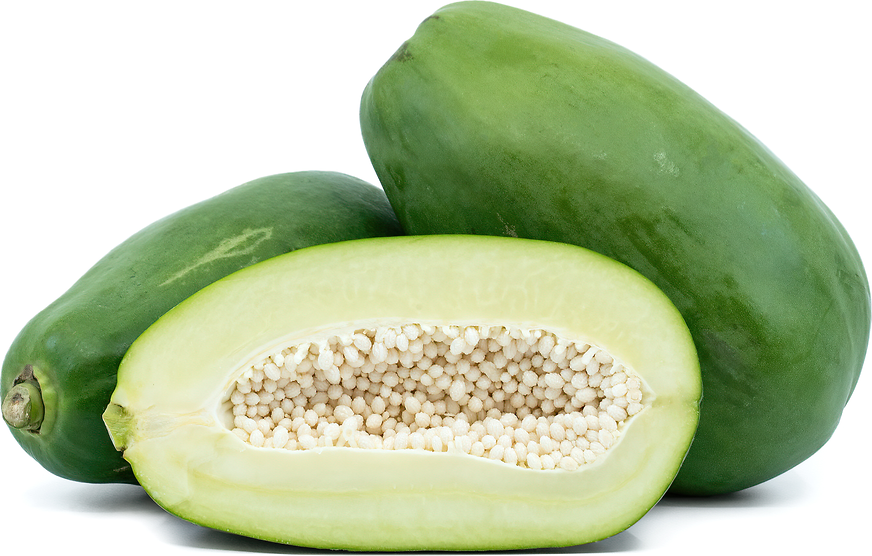
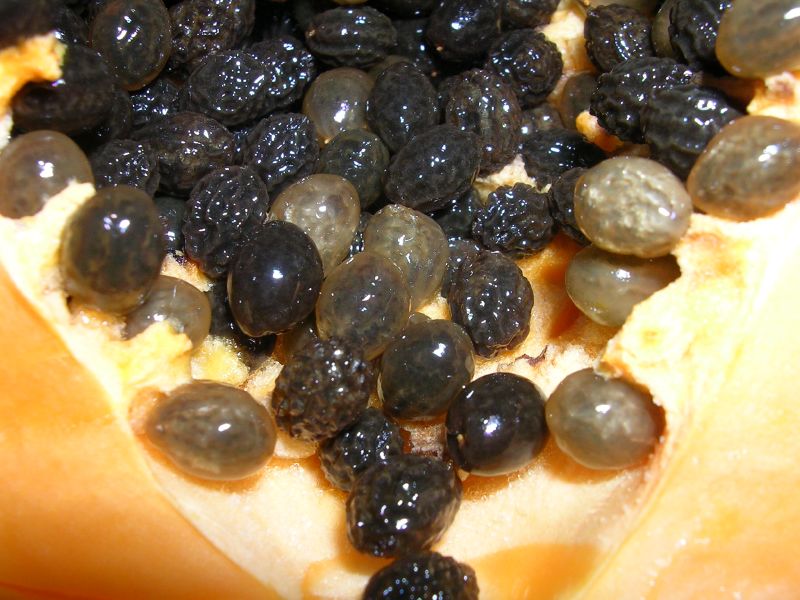
Unripe papaya and seeds pose greater risks: unripe fruit contains higher latex and carpaine (an alkaloid), potentially causing uterine contractions; seeds in large amounts may induce nausea, vomiting, or neurotoxic effects from compounds like annonacin.
Medication interactions are possible—papaya may enhance anticoagulant effects (increasing bleeding risk with warfarin), inhibit certain liver enzymes (cytochrome P450), or alter absorption/efficacy of drugs for diabetes, cholesterol, or hypertension.
Pregnancy and breastfeeding require special care: unripe papaya is traditionally avoided due to potential uterine stimulation; ripe fruit in moderation is generally considered safer but should be discussed with a healthcare provider.
Other effects include carotenemia (harmless yellow-orange skin tint from excess beta-carotene), mild skin irritation from handling sap, or tooth sensitivity from acidity.
Enjoy pawpaw safely by choosing ripe fruit, starting with small portions, and consulting a doctor if you have allergies, take medications, are pregnant/nursing, or have digestive/kidney conditions.
Read Also: Recommended Fertilizer Placement Methods
Nutritional Profile of Pawpaw
1. Rich in Vitamins: Excellent source of vitamin C (immune support, collagen formation) and vitamin A (vision, skin health) from beta-carotene.
2. High in Dietary Fiber: Promotes digestion, prevents constipation, supports gut microbiome.
3. Antioxidant Properties: Carotenoids, flavonoids, and vitamin C combat oxidative stress and chronic disease risk.
4. Minerals Content: Provides potassium (heart/muscle function), magnesium, and calcium for bone and metabolic health.
5. Low in Calories: Nutrient-rich yet low-energy option, ideal for weight management.

Common Side Effects of Pawpaw
1. Gastrointestinal Issues: Excess fiber/papain can cause diarrhea, cramps, nausea, bloating in sensitive individuals.
2. Laxative Effect: High fiber may lead to loose stools or upset stomach when overconsumed.
3. Interaction with Medications: May affect liver enzyme activity or enhance blood-thinning drugs.
4. Skin Irritation: Sap or handling can cause redness, rash in sensitive skin.
5. Tooth Sensitivity: Acidity may temporarily increase sensitivity; rinse mouth after eating.
Risks for Pregnant and Nursing Women
1. Limited Research: Safety data is insufficient; moderation or avoidance advised.
2. Potential Uterine Stimulation: Unripe papaya may trigger contractions—avoid during pregnancy.
3. Allergen Awareness: Possible transfer of allergens to breast milk; monitor infant reactions.
4. Nutritional Benefits: Ripe fruit offers vitamins/fiber but prioritize balanced intake.
5. Individual Sensitivities: Monitor personal response; consult healthcare provider.
Read Also: 14 Medicinal Health Benefits of Epimedium grandiflorum (Horny Goat Weed)
Scientific Evidence and Case Studies on Pawpaw Fruit Side Effects
1. Latex-fruit syndrome and allergies: Cross-reactivity with latex causes oral allergy syndrome, itching, swelling; documented in sensitive populations.
2. Gastrointestinal distress from excess: High fiber and papain linked to diarrhea, cramps in overconsumption reports.
3. Unripe papaya and pregnancy risks: Carpaine and latex may stimulate uterine contractions; traditional avoidance supported by case observations.
4. Seed toxicity concerns: Alkaloids (e.g., annonacin) in large doses associated with nausea, neurotoxic potential in animal/preliminary human data.
5. Drug interaction potential: Papaya compounds inhibit cytochrome P450 enzymes, potentially altering metabolism of anticoagulants, antidiabetics.
Summary of Pawpaw Fruit Side Effects And Warnings
| Section | Key Points |
|---|---|
| Introduction | Nutrient-rich papaya offers benefits but risks allergies, digestive upset, interactions, pregnancy concerns; moderation essential. |
| Nutritional Profile | High vitamin C/A, fiber, antioxidants, potassium/magnesium/calcium; low calories. |
| Common Side Effects | GI discomfort (diarrhea, cramps), laxative effect, skin irritation, medication interactions. |
| Allergic Reactions | Itching, swelling, hives; latex cross-reactivity; rare anaphylaxis. |
| Risks for Pregnant/Nursing Women | Avoid unripe fruit; limited safety data; possible uterine stimulation. |
| Other Aspects | Seed toxicity, carotenemia, blood sugar stability; consult professionals for risks. |
Frequently Asked Questions
1. What are the main side effects of eating pawpaw fruit? Common issues include digestive upset (diarrhea, cramps from excess fiber/papain), allergic reactions (itching, swelling), and skin irritation from sap.
2. Is pawpaw safe during pregnancy? Ripe pawpaw in moderation is usually considered safe, but unripe fruit should be avoided due to potential uterine contractions; consult your doctor.
3. Can pawpaw cause allergic reactions? Yes, especially in people with latex allergy (cross-reactivity); symptoms include oral itching, swelling, hives, or rarely anaphylaxis.
4. Are pawpaw seeds safe to eat? Small amounts may offer benefits, but large quantities can cause nausea, vomiting, or toxicity from alkaloids like annonacin—use sparingly.
5. Does pawpaw interact with medications? It may enhance blood thinners (bleeding risk), affect liver enzyme-metabolized drugs, or alter diabetes/cholesterol medication efficacy—check with a healthcare provider.
6. Can eating too much pawpaw turn your skin yellow? Yes, excess beta-carotene can cause harmless carotenemia (yellow-orange skin); it resolves when intake decreases.
7. Why might pawpaw cause stomach problems? High fiber and papain enzyme can lead to diarrhea, bloating, or cramps if consumed in large amounts, especially for sensitive digestive systems.
8. Is pawpaw good or bad for blood sugar? Generally beneficial—low glycemic index and fiber help stabilize levels—but monitor if diabetic, as responses vary.
9. Who should avoid pawpaw fruit? Pregnant/nursing women (especially unripe), those with latex/fruit allergies, people on blood thinners or certain medications, and individuals with kidney issues (due to potassium).
10. How much pawpaw is safe to eat daily? Moderation is key—typically one small to medium fruit per day; start small if new to it or sensitive.
Do you have any questions, suggestions, or contributions? If so, please feel free to use the comment box below to share your thoughts. We also encourage you to kindly share this information with others who might benefit from it. Since we can’t reach everyone at once, we truly appreciate your help in spreading the word. Thank you very much for your support and for sharing!
Disclaimer: This article is for educational and informational purposes only. The health benefits described are based on scientific research and traditional knowledge. They ayre not a substitute for professional medical advice, diagnosis, or treatment. Always consult a healthcare professional before using any herb or natural remedy for medical purposes.