


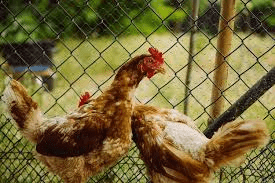
Pecking and cannibalism are among the most destructive behavioral problems a poultry farmer can face. What often starts as one bird picking at another can escalate within hours into a flock-wide habit that tears flesh, ruins feathers, and kills birds. Once blood is visible on an injured bird, the instinct to peck spreads rapidly through the entire flock, and at that point the problem becomes very difficult to reverse.
The damage caused by uncontrolled pecking is real and costly. Birds with torn flesh and poor feathering lose commercial value. Death losses climb when the behavior goes unchecked. Mortality rates and the financial impact on a farm operation can be significant, particularly in larger flocks where the habit spreads faster and affects more birds before a farmer notices.
Pecking can occur at any age and in any breed, strain, or sex of bird. It affects chickens, turkeys, game birds, and other poultry species. The root cause in almost every case is stress triggered by poor management. Overcrowding, excessive heat, inadequate feed and water access, nutritional imbalances, and social disruption from introducing new birds are among the most common triggers. Understanding these causes is the first step toward building a management program that prevents the problem before it starts.
This guide covers the twelve most common causes of pecking in poultry, preventive measures that reduce the risk of outbreaks, and practical treatment steps to stop cannibalism once it has begun. Making pecking control a standard part of your flock management will save time, reduce losses, and protect the health and productivity of your birds.
Read Also: Cold Weather Poultry Diseases and How to Manage them
1. Causes of Pecking Among Birds
Pecking is almost always triggered by one or more management failures. Identifying the specific cause in your flock is essential for choosing the right corrective action.
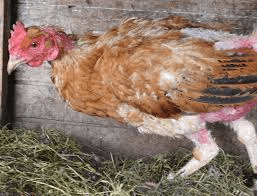
A. Common Causes and Contributing Factors
i. Overcrowding: Housing too many birds in a limited space forces them to compete for feed, water, and resting spots. This competition leads to aggression and injuries. Once a bird is wounded, others will immediately begin pecking at the wound. Large breed chickens need at least 0.25 sq. ft. per bird for the first two weeks, 0.75 sq. ft. from weeks three to eight, 1.5 sq. ft. from eight to sixteen weeks, and 2 sq. ft. per bird from sixteen weeks onward. Bantam chickens require half these amounts. Game birds need double the space of large chickens, and pheasants over twelve weeks old should be given 25 to 30 sq. ft. per bird or fitted with pick prevention devices such as plastic peepers or blinders.
ii. Excessive Heat: High temperatures make birds restless and irritable. Heat stress increases aggression, which leads to fighting. Any bird injured during a fight becomes a target for pecking by the rest of the flock. Ensuring proper ventilation and temperature control in the house significantly reduces this risk.
iii. Excessive Light: Too much light generates additional heat and keeps birds stimulated for longer periods than is healthy. Over-stimulated birds become aggressive more easily. Reducing light intensity and duration, particularly in the resting area, helps keep the flock calmer and less prone to pecking.
iv. Absence of Feed, Water, or Inadequate Feeder Space: Birds that have to fight for access to feed and water become stressed and aggressive. Birds at the bottom of the pecking order may be consistently pushed away from feeders and never allowed to eat properly. Always provide enough feeder and drinker space for all birds to eat and drink without competition, and ensure fresh feed and water are available at all times.
v. Unbalanced Diets: High-energy, low-fiber diets make birds overly active and aggressive. Feed lacking protein, particularly the amino acid methionine, causes birds to pick at each other’s feathers in search of the nutrients they are missing. Always use a feed formula matched to the age and type of bird being raised, and review the nutritional profile regularly to ensure it remains appropriate as birds grow.
vi. Mixing Different Types, Sizes, and Colors of Fowl: Combining birds of different ages, sizes, breeds, or physical traits disrupts the natural pecking order and leads to conflict. Curiosity about unfamiliar traits, such as feathered legs, crests, or beards, often triggers pecking, particularly in young birds. Toe pecking in the first few weeks is commonly started by curiosity about different colors or physical differences. Always brood similar species and breeds together and avoid mixing birds with very different physical characteristics.
vii. Abrupt Changes in Environment or Management: Sudden moves to a new location or changes in equipment can cause stress and disorientation. When transferring young birds, bring some of their feeders and waterers along to help them adjust faster. When upgrading to larger equipment, leave the old feeders and waterers in place for a few days alongside the new ones so birds can adapt gradually without added stress.
viii. Brightly Lit Nests or Shortage of Nesting Boxes: Bright light near nesting areas attracts attention to hens in the act of laying and can trigger vent pecking. Keep nesting areas dim and provide one nesting box for every five hens to reduce competition and prevent overcrowding at laying time.
ix. Allowing Crippled, Injured, or Dead Birds to Remain in the Flock: Injured or dead birds attract immediate attention from flock mates. The social order of poultry naturally draws birds to pick at weaker or abnormal members of the group. Remove any injured, crippled, or dead birds from the pen immediately. Leaving them in place accelerates the spread of pecking behavior and increases the risk of cannibalism developing across the whole flock.
x. Slow-Feathering Birds: Slow-feathering birds retain immature, tender pin feathers for longer periods, leaving exposed skin that is easily noticed and targeted by flock mates. Most cannibalism in young birds occurs during the feather growth phase. Take extra precautions with slow-feathering breeds and avoid raising them alongside faster-feathering birds that may target their exposed follicles.
xi. Introducing New Birds to the Flock: Adding or removing birds always disrupts the established pecking order and triggers conflict as the flock works to re-establish its social hierarchy. The safest way to introduce new birds is to divide the pen with a wire partition for at least one week so birds can see and hear each other before making direct contact. Adding new birds to the perch at night can also ease the transition. Always supervise new introductions closely and be prepared to separate birds if pecking escalates.
xii. Prolapse Pecking: Prolapse occurs when the uterus does not fully retract into the body cavity after an egg is laid. This is most common in young flocks that begin laying before twenty weeks of age and in overly fat hens. When the uterus remains exposed, other birds pick at it out of curiosity. The tissue bleeds quickly and the situation can escalate to cannibalism within a short time. Blood streaks on eggshells may be an early warning sign. Managing feed intake to prevent excessive weight gain and bringing birds into production at the correct age are the most effective preventive steps.
Read Also: Layers or Broilers which One is More Profitable in Poultry Farming? Find Out!
2. Preventive Measures for Pecking and Cannibalism
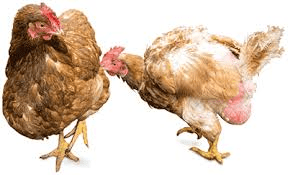
Prevention is always more effective than treatment. A proactive management program that addresses the causes of pecking before they escalate will save far more birds and money than corrective action after an outbreak begins.
A. Practical Prevention Strategies
i. Provide outdoor access and environmental enrichment: Allow birds access to an enclosed outdoor run where they can peck at grass, soil, and insects. Physical activity and natural foraging behaviors keep birds occupied and release energy that would otherwise be channeled into aggression toward flock mates.
ii. Offer fresh greens daily: Give birds a large daily portion of fresh greens such as clover, grass, or leafy weeds. High-fiber diets keep the gizzard full and reduce restlessness. Small amounts of baled green leafy hay also give birds something to peck at throughout the day, reducing their focus on each other.
iii. Use pick prevention devices: For naturally aggressive species like game birds, plastic peepers or blinders fitted to individual birds restrict their forward vision enough to prevent accurate targeting of flock mates. These devices are humane, reusable, and highly effective for problem birds or high-risk breeds.
iv. Hang shiny or colorful objects in the pen: Giving birds something interesting to interact with redirects their curiosity and pecking behavior away from other birds. Shiny cans or colorful items hung just above eye level work well as simple, low-cost enrichment tools.
v. Beak trimming in problem flocks: As a last resort, beak trimming can be used to reduce the physical damage birds can cause each other. Remove approximately one third of the tip of the beak to leave a square edge. This does not prevent pecking but makes it much harder for birds to cause serious injury. Beak trimming must be done by someone with proper training and experience to avoid pain, stress, or complications.
3. Treatment for a Cannibalism Outbreak
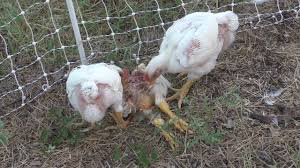
Once cannibalism has started, quick and decisive action is essential. Since stress is almost always the underlying cause, reducing stress across the flock is the first priority alongside removing the immediate triggers.
A. Steps to Stop an Active Outbreak
i. Correct the underlying management problem: Review all aspects of housing, feeding, lighting, temperature, and flock composition. Identify any factors that may have triggered the outbreak and correct them immediately. Without addressing the root cause, any other treatment will only provide temporary relief.
ii. Reduce light intensity: Switch to red light bulbs in the housing area. Red light makes it harder for birds to see blood and open wounds on other birds, which significantly reduces the stimulus to peck. Dimming the overall light level also calms an agitated flock.
iii. Remove badly injured birds: Any bird with visible, open wounds must be removed from the pen immediately and housed separately until fully healed. Injured birds in the flock will continue to attract pecking and worsen the outbreak.
iv. Apply anti-peck ointment: Coat any damaged areas on affected birds with an anti-peck ointment. These products are typically dark-colored to obscure wounds and contain ingredients that discourage other birds from pecking at the treated area. They are effective at breaking the cycle once applied correctly.
v. Lower pen temperature: If the house temperature is above the recommended range, reduce it where possible. Cooler conditions reduce aggression and restlessness, which are two of the primary drivers of pecking behavior during an active outbreak.
Summary on Pecking in Poultry and How to Control It
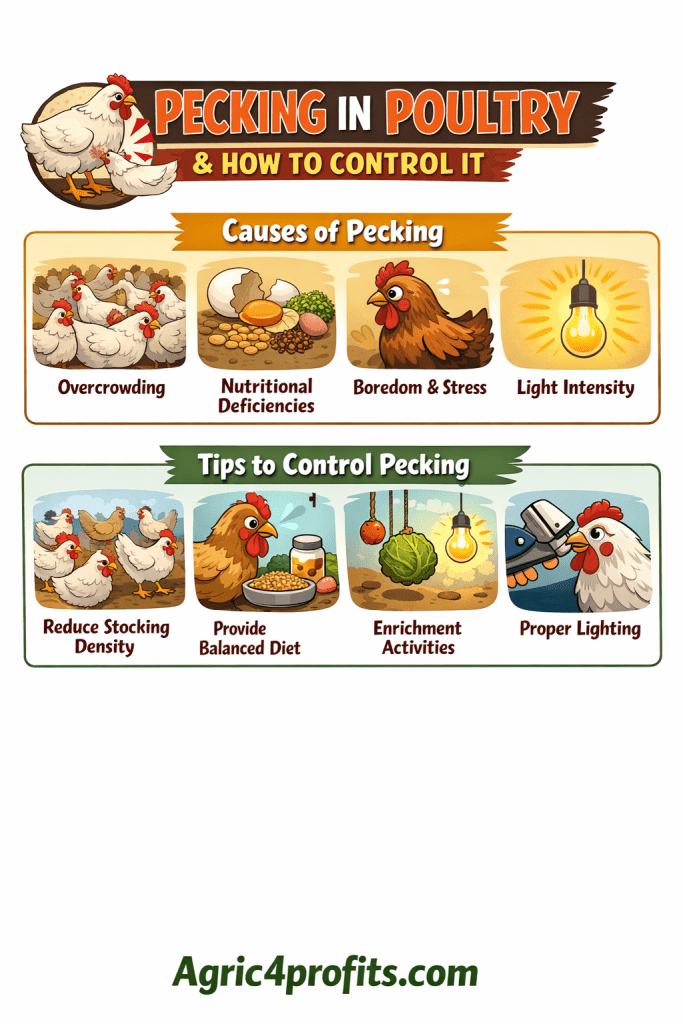
| Topic | Key Points |
|---|---|
| Overcrowding | Too many birds in limited space causes competition and injury. Follow recommended space allowances by breed and age group. Game birds need double the space of large chickens. |
| Excessive Heat and Light | Heat and over-stimulation from bright light increase aggression. Ensure proper ventilation, temperature control, and appropriate lighting schedules. |
| Feed and Water Access | Competition for feed and water drives pecking. Provide enough feeder and drinker space for all birds at all times, with no crowding at access points. |
| Unbalanced Diets | High-energy, low-fiber, or low-protein diets increase aggression and feather picking. Match feed formulation to the age and type of bird being raised. |
| Flock Mixing | Mixing different ages, sizes, breeds, or physical traits disrupts the pecking order and triggers curiosity-driven pecking. Brood similar birds together. |
| Environmental Changes | Abrupt moves or equipment changes cause stress. Transition gradually by keeping familiar feeders and waterers in place during changes. |
| Nesting and Lighting | Bright nests attract attention to laying hens. Keep nesting areas dim and provide one box per five hens to reduce vent pecking. |
| Injured or Dead Birds | Remove injured, crippled, or dead birds immediately. Their presence draws pecking from flock mates and escalates cannibalism rapidly. |
| Slow-Feathering Birds | Exposed pin feathers attract pecking. Raise slow-feathering birds separately from faster-feathering breeds. |
| New Bird Introductions | Use a wire divider for at least a week before full integration. Supervise closely and separate if pecking escalates. |
| Prolapse Pecking | Prevent by managing body weight and bringing birds into production at the right age. Blood-streaked eggshells may signal risk. Fat layers need a low-energy diet. |
| Preventive Measures | Outdoor access, daily greens, pick prevention devices, shiny enrichment objects, and beak trimming are all effective tools for reducing pecking risk. |
| Outbreak Treatment | Correct root causes, use red bulbs, remove injured birds, apply anti-peck ointment, and lower pen temperature to stop an active cannibalism outbreak. |
Frequently Asked Questions About Pecking in Poultry and How to Control It
1. Why do chickens peck at each other?
Pecking is almost always a stress response caused by poor management conditions. Overcrowding, excessive heat or light, inadequate feed and water access, nutritional deficiencies, and social disruption from mixing different birds are the most common triggers. Once a wound or blood is visible on a bird, the behavior spreads quickly through the flock as other birds are attracted to the sight of blood.
2. What is the difference between pecking and cannibalism?
Pecking refers to the general behavior of birds picking at each other’s feathers, combs, toes, or vents. Cannibalism is the more severe form where birds actively consume the flesh, tissue, or organs of flock mates. Pecking can escalate into cannibalism rapidly once an open wound develops, which is why early intervention is critical.
3. How much space do chickens need to prevent overcrowding?
Large breed chickens need 0.25 sq. ft. per bird in the first two weeks, 0.75 sq. ft. from weeks three to eight, 1.5 sq. ft. from eight to sixteen weeks, and 2 sq. ft. per bird from sixteen weeks onward. Bantam chickens require half these amounts. Game birds need double the large chicken allowances, and pheasants over twelve weeks old need 25 to 30 sq. ft. per bird.
4. Can diet cause pecking in poultry?
Yes. High-energy, low-fiber diets make birds overly active and aggressive. Feed that is deficient in protein, particularly the amino acid methionine, causes birds to pick at each other’s feathers in an attempt to obtain missing nutrients. Reviewing and adjusting feed formulation to match the age and species of your birds is one of the most effective ways to reduce diet-related pecking.
5. How do I safely introduce new birds to an existing flock?
The safest method is to use a wire divider to separate new birds from the existing flock for at least one week. This allows birds to see and hear each other without making direct contact, which helps establish familiarity before integration. Adding new birds to the perch after dark can also ease the transition. Always supervise the first few days of full integration and be ready to separate birds if pecking becomes serious.
6. What is prolapse pecking and how can I prevent it?
Prolapse occurs when the uterus does not fully retract into the body after laying, leaving it exposed. Other birds peck at the exposed tissue out of curiosity, quickly causing bleeding and escalating to cannibalism. It is most common in young hens that begin laying before twenty weeks of age and in overweight hens. Prevention involves managing feed intake to avoid excess body fat and ensuring birds reach laying age at the correct weight and maturity.
7. What is an anti-peck ointment and how does it work?
Anti-peck ointments are products applied directly to wounded or targeted areas on a bird’s body. They are typically dark-colored to help conceal wounds and contain ingredients that taste or smell unpleasant to other birds, discouraging further pecking. They are most effective when applied early in an outbreak and used alongside other corrective measures like removing injured birds and adjusting lighting.
8. Does beak trimming hurt the birds?
When performed correctly by an experienced person, beak trimming causes minimal lasting discomfort. The procedure involves removing approximately one third of the beak tip to leave a square edge that limits the bird’s ability to cause serious injury during pecking. Improper trimming can cause pain, stress, and difficulty eating, which is why it should only be carried out by someone trained in the correct technique.
9. Why does red lighting help during a cannibalism outbreak?
Red light makes it much harder for birds to distinguish the color of blood on wounds. Since the sight of blood is one of the main triggers that attracts pecking from other birds, reducing their ability to see wounds clearly significantly slows the spread of cannibalism through a flock. Switching to red bulbs is one of the quickest and simplest interventions available during an active outbreak.
10. Can pecking be completely eliminated from a flock?
Some degree of pecking is a natural social behavior in poultry and cannot be completely eliminated. Birds establish dominance through the pecking order, and minor pecking during this process is normal. What can be controlled is pathological pecking and cannibalism caused by management failures. By addressing the root causes of stress, providing adequate space, feed, water, and enrichment, and responding quickly when problems appear, a farmer can keep pecking at manageable levels and prevent it from becoming costly or deadly.
Do you have any questions, suggestions, or contributions? If so, please feel free to use the comment box below to share your thoughts. We also encourage you to kindly share this information with others who might benefit from it. Since we can’t reach everyone at once, we truly appreciate your help in spreading the word. Thank you very much for your support and for sharing!
Read Also: The Ultimate Step-by-Step Guide to Vegetable Gardening