


Peperomia inaequalifolia, commonly known as Red Edge Peperomia, is a captivating perennial plant renowned for its distinctive foliage and ornamental appeal. Belonging to the Piperaceae family, this evergreen species is native to South America, where it thrives in the warm and tropical climates of countries like Brazil and Peru.
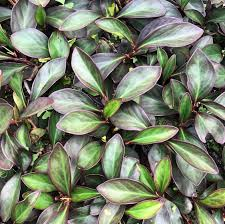
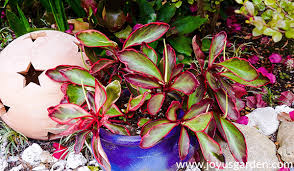
The Red Edge Peperomia is characterized by its compact growth habit, making it an ideal choice for both indoor and outdoor cultivation. Its elliptical, succulent leaves boast a vibrant green hue with striking red margins, providing a visually striking contrast. The leaves are fleshy and have a glossy texture, further enhancing the plant’s aesthetic charm.
This peperomia species is popular among plant enthusiasts for its ease of care and adaptability to various environmental conditions. It thrives in well-draining soil and prefers moderate light, making it suitable for placement in indoor spaces with indirect sunlight. Additionally, Red Edge Peperomia has a moderate tolerance for drought, making it a resilient choice for those who may occasionally forget to water their plants.
In terms of size, this peperomia typically reaches a height of 8 to 12 inches, creating a compact and bushy appearance. Its low-maintenance nature makes it an excellent choice for novice gardeners or individuals with busy lifestyles.
Beyond its visual allure, Peperomia inaequalifolia also possesses air-purifying qualities, contributing to a healthier indoor environment. It has the ability to filter and cleanse the air by removing pollutants, promoting a sense of well-being.
Whether used as a standalone ornamental piece or incorporated into a mixed arrangement, the Red Edge Peperomia stands out as a charming and resilient plant, adding a touch of nature’s beauty to any space.
The Botanical Description of Peperomia inaequalifolia
1. Leaves: Peperomia inaequalifolia, commonly known as the Red Edge Peperomia, is characterized by its striking leaves. The leaves are succulent, glossy, and typically have a deep green color with a distinctive red edge, giving the plant its common name.
2. Growth Habit: This peperomia species has a compact and bushy growth habit, making it an ideal choice for indoor cultivation. The plant generally stays small, reaching a height of around 6 to 12 inches, with a similar spread.
3. Leaf Shape: The leaves of Peperomia inaequalifolia are fleshy and have a heart-shaped or elliptical form. The succulent nature of the leaves aids in water retention, allowing the plant to thrive in relatively low-humidity environments.
4. Texture: The leaves have a smooth, waxy texture, adding to their visual appeal. The glossy surface reflects light, giving the plant an attractive sheen. The contrasting red edge enhances the overall aesthetic of the foliage.
5. Flowering: While the primary attraction of this peperomia species is its foliage, it can produce inconspicuous flower spikes. The flowers are typically small and are borne on upright spikes, emerging amidst the lush greenery.
6. Root System: Peperomia inaequalifolia has a well-developed root system that aids in nutrient absorption and provides stability to the plant. The roots are generally compact and adapt well to container cultivation.
7. Variegation: Some variations of Peperomia inaequalifolia may exhibit variegation on the leaves, adding further visual interest. Variegation can include patterns of lighter green, cream, or yellow, enhancing the plant’s overall appeal.
8. Petioles: The stems of Peperomia inaequalifolia, known as petioles, are sturdy and support the succulent leaves. The petioles can vary in color, often matching the green tones of the leaves, contributing to the plant’s cohesive appearance.
9. Inflorescence: The flower spikes emerge from the center of the plant and can reach a height above the foliage. While the flowers themselves may not be showy, the overall inflorescence adds a vertical dimension to the plant.
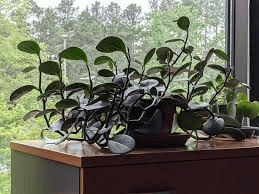
10. Overall Form: Peperomia inaequalifolia maintains a neat and tidy overall form, making it a popular choice for desktops, shelves, or as part of indoor plant displays. The compact growth habit and attractive leaves make it a visually pleasing addition to any space.
11. Adaptability: This peperomia species is adaptable to different light conditions, including low light, making it suitable for indoor environments with limited natural light. Its adaptability contributes to its popularity as a houseplant.
12. Cultivation Features: Peperomia inaequalifolia is relatively easy to care for, making it an excellent choice for both beginner and experienced plant enthusiasts. It is known for its resilience and ability to thrive in indoor conditions.
The Geographic Distribution of Peperomia inaequalifolia
1. Native Habitat: Peperomia inaequalifolia is native to parts of South America, particularly found in regions with tropical and subtropical climates. Its natural habitat includes countries such as Brazil and Colombia.
2. Tropical Regions: The plant thrives in tropical regions where temperatures are consistently warm, and humidity levels are relatively high. It is often found in the understory of forests, taking advantage of filtered sunlight.
3. Rainforest Ecosystems: Peperomia inaequalifolia is well-suited to rainforest ecosystems, where it can be found growing on forest floors or attached to trees. The humid conditions and abundant rainfall in these regions support its growth.
4. Altitude Range: While primarily found at lower elevations, Peperomia inaequalifolia may also occur at slightly higher altitudes within its native range. Its adaptability to different altitudes contributes to its distribution.
5. Human Cultivation: Due to its ornamental value, Peperomia inaequalifolia is often cultivated by plant enthusiasts and horticulturists. It has become a popular choice for indoor gardens and as a decorative houseplant.
6. Global Presence: Beyond its native range, Peperomia inaequalifolia is now cultivated and appreciated globally. It has become a sought-after ornamental plant, available in nurseries and plant shops in various parts of the world.
7. Container Cultivation: The adaptability of Peperomia inaequalifolia to container cultivation makes it a versatile choice for homes and offices worldwide. Its ability to thrive in indoor conditions has contributed to its widespread popularity.
8. Ornamental Landscaping: In regions with suitable climates, Peperomia inaequalifolia may also be used in outdoor ornamental landscaping, adding lush greenery to gardens and shaded areas.
9. Greenhouse Cultivation: The plant’s tolerance for controlled environments has led to its cultivation in greenhouses, ensuring optimal conditions for growth and providing a continuous supply for plant enthusiasts.
10. Conservation Status: As a widely cultivated and adaptable species, Peperomia inaequalifolia is not currently considered endangered. However, conservation efforts should still prioritize protecting its natural habitats and genetic diversity.
11. Indoor Presence: Peperomia inaequalifolia’s popularity as a houseplant means it can be found in homes and indoor spaces around the world. Its ability to thrive in indoor conditions contributes to its global presence.
The Chemical Composition of Peperomia inaequalifolia
1. Essential Oils: Peperomia inaequalifolia contains essential oils, contributing to its distinct aroma. These oils may have potential benefits, including antimicrobial properties and potential use in aromatherapy.
2. Sucrose Esters: Sucrose esters are compounds found in Peperomia inaequalifolia that may have surfactant properties. These compounds can contribute to the plant’s ability to repel pests and protect itself.
3. Alkaloids: Some variations of Peperomia inaequalifolia may contain alkaloids. Alkaloids are nitrogenous organic compounds that can have diverse pharmacological effects, although their specific roles in this plant are still under investigation.
4. Triterpenoids: Triterpenoids, a class of compounds with potential health benefits, are present in Peperomia inaequalifolia. These compounds may have anti-inflammatory and antioxidant properties.
5. Polyphenols: Peperomia inaequalifolia contains polyphenols, including flavonoids and phenolic acids. These compounds have antioxidant properties, protecting the plant from oxidative stress.
6. Tannins: Tannins are polyphenolic compounds found in Peperomia inaequalifolia. These compounds may contribute to the plant’s defense mechanisms against herbivores and pathogens.
7. Terpenes: Terpenes are aromatic compounds found in Peperomia inaequalifolia, contributing to the plant’s fragrance. Some terpenes may have therapeutic properties and play a role in the plant’s natural defense mechanisms.
8. Steroids: Steroids, including sterols, are part of the chemical composition of Peperomia inaequalifolia. These compounds may have structural and regulatory functions within the plant.
9. Phenolic Compounds: Peperomia inaequalifolia contains various phenolic compounds, known for their antioxidant properties. These compounds contribute to the plant’s ability to neutralize harmful free radicals.
10. Organic Acids: Organic acids, such as citric acid and malic acid, are present in Peperomia inaequalifolia. These acids may play a role in the plant’s metabolism and contribute to its overall chemical profile.
11. Saponins: Some variations of Peperomia inaequalifolia may contain saponins. These compounds have detergent-like properties and may be involved in the plant’s defense against herbivores.
12. Amino Acids: Amino acids, the building blocks of proteins, are part of Peperomia inaequalifolia’s chemical composition. These compounds are essential for the plant’s growth and development.
13. Flavonoids: Peperomia inaequalifolia contains flavonoids, which are secondary metabolites with antioxidant and anti-inflammatory properties. Flavonoids contribute to the plant’s defense against environmental stressors.
14. Carotenoids: Carotenoids, including beta-carotene, are present in Peperomia inaequalifolia. These compounds contribute to the plant’s coloration and have antioxidant properties.
Read Also: Rose Chafer: Description, Damages Caused, Control and Preventive Measures
The Medicinal Health Benefits Of Peperomia inaequalifolia (Red Edge Peperomia)
1. Air Purification: Peperomia inaequalifolia is known for its air-purifying abilities. The plant can help remove common indoor pollutants, promoting a healthier indoor environment.
2. Stress Reduction: Indoor plants, including Peperomia inaequalifolia, have been associated with stress reduction and improved mental well-being. The presence of greenery can create a calming atmosphere.
3. Respiratory Health: The plant’s air-purifying properties contribute to better respiratory health by reducing airborne pollutants. This can be especially beneficial for individuals with respiratory conditions.
4. Humidity Regulation: Peperomia inaequalifolia helps regulate indoor humidity levels. The plant releases water vapor during transpiration, contributing to a more comfortable and balanced indoor environment.
5. Visual Appeal: Beyond its health benefits, the Red Edge Peperomia adds visual appeal to indoor spaces. The glossy, succulent leaves with a red edge make it a decorative addition to homes and offices.
6. Low Maintenance: One of the medicinal benefits of Peperomia inaequalifolia is its low maintenance requirements. The plant is resilient and adaptable, making it an ideal choice for those new to plant care.
7. Adaptability to Indoor Conditions: The plant’s ability to thrive in indoor conditions, including low light, makes it suitable for various settings. It can be placed on desks, shelves, or windowsills with minimal sunlight.
8. Aesthetic Enhancement: Peperomia inaequalifolia enhances the aesthetic appeal of indoor spaces. Its compact growth habit and vibrant foliage make it a popular choice for interior decoration.
9. Emotional Well-being: Caring for indoor plants like Peperomia inaequalifolia can have positive effects on emotional well-being. The act of nurturing plants promotes a sense of responsibility and connection with nature.
10. Natural Decor Element: The Red Edge Peperomia serves as a natural decor element, bringing a touch of nature into interior design. Its presence contributes to a more inviting and harmonious atmosphere.
11. Adaptation to Small Spaces: For those with limited space, Peperomia inaequalifolia’s small size and compact growth make it a suitable choice. It can thrive in smaller pots and still exhibit its ornamental qualities.
12. Connection to Biophilic Design: The use of Peperomia inaequalifolia aligns with biophilic design principles, fostering a connection between indoor spaces and the natural world. This connection positively impacts occupant well-being.
13. Educational Value: Having Peperomia inaequalifolia as a houseplant provides educational opportunities. Observing its growth, understanding its care requirements, and learning about its native habitat can be enriching.
14. Enhanced Productivity: Studies suggest that the presence of indoor plants can enhance productivity and concentration. Peperomia inaequalifolia, with its appealing foliage, contributes to a conducive work or study environment.
15. Natural Focal Point: The Red Edge Peperomia can serve as a natural focal point in interior design. Its vibrant colors and unique leaf structure draw attention, adding interest to any room.
16. Biodegradable Stress Relief: Unlike synthetic stress-relief methods, caring for a living plant like Peperomia inaequalifolia is a biodegradable and sustainable way to manage stress. It encourages a deeper connection with nature.
17. Budget-Friendly Ornament: Peperomia inaequalifolia provides an affordable yet stylish ornament for indoor spaces. Its availability and cost-effectiveness make it accessible to a wide range of plant enthusiasts.
18. Therapeutic Horticulture: Engaging with Peperomia inaequalifolia as part of therapeutic horticulture activities can have positive effects on mental health. It offers a hands-on and enjoyable way to connect with nature.
The Methods of Usage to Achieve the Provided Health Benefits Of Peperomia inaequalifolia (Red Edge Peperomia)
1. Indoor Placement: To enjoy the air-purifying benefits of Peperomia inaequalifolia, place the plant in indoor spaces where you spend the most time, such as living rooms, bedrooms, or home offices.
2. Grouping with Other Plants: Create a small indoor garden by grouping Peperomia inaequalifolia with other compatible plants. This not only enhances the visual appeal but also maximizes the combined air-purifying effects.
3. Regular Watering: Maintain proper watering practices to keep the plant healthy. Peperomia inaequalifolia prefers slightly moist soil, so water when the top inch of the soil feels dry.
4. Adequate Light Exposure: While adaptable to low light conditions, providing moderate indirect light can promote optimal growth and coloration. Avoid placing the plant in direct sunlight for extended periods.
5. Humidity Maintenance: As Peperomia inaequalifolia contributes to indoor humidity, ensure that the surrounding air is not excessively dry. Grouping plants together or using a humidifier can help maintain adequate humidity levels.
6. Pruning and Grooming: Remove any yellow or damaged leaves regularly to promote the plant’s overall health. Grooming also helps maintain its compact form and encourages new growth.
7. Fertilization: Feed Peperomia inaequalifolia with a balanced liquid fertilizer during the growing season (spring and summer). Follow the recommended dosage on the fertilizer packaging to avoid overfeeding.
8. Potting Mix: Use a well-draining potting mix suitable for succulents or cacti. This ensures proper aeration and prevents waterlogged soil, reducing the risk of root rot.
9. Rotation: Rotate the plant occasionally to ensure even exposure to light. This prevents the plant from leaning towards the light source and promotes symmetrical growth.
10. Propagation: Expand your collection or share the benefits of Peperomia inaequalifolia by propagating the plant. This can be done through leaf or stem cuttings placed in a suitable rooting medium.
11. Education and Awareness: Understand the specific care requirements of Peperomia inaequalifolia to effectively harness its health benefits. Educate yourself and others in your household or workspace about the plant’s characteristics and care.
12. Integration into Wellness Spaces: Incorporate Peperomia inaequalifolia into wellness spaces, such as meditation or relaxation areas. Its presence contributes to a soothing environment conducive to stress relief.
The Side Effects Of Using Peperomia inaequalifolia Medicinal Plant
1. Non-Toxicity: Peperomia inaequalifolia is generally considered non-toxic to humans and pets. However, individual reactions may vary, and it is advisable to keep the plant out of reach of small children and pets.
2. Potential Irritation: Some individuals may experience skin irritation upon contact with the plant’s sap. It is recommended to wear gloves when handling Peperomia inaequalifolia, especially if you have sensitive skin.
3. Allergic Reactions: While rare, allergic reactions to Peperomia inaequalifolia may occur. Individuals with known allergies to plants should exercise caution and monitor for any adverse effects.
4. Ingestion Risks: While not considered toxic, ingestion of Peperomia inaequalifolia is not recommended. Ingesting plant material may cause mild stomach upset, and it is crucial to seek medical attention if ingested in significant amounts.
5. Soil Contaminants: Contaminants in the soil, such as mold or fungi, may pose risks to individuals with respiratory conditions or allergies. Ensure proper ventilation and soil hygiene to minimize these potential risks.
6. Overwatering Issues: Overwatering can lead to root rot, a common issue with Peperomia inaequalifolia. Avoid waterlogged soil and ensure proper drainage to prevent this fungal infection.
7. Pests and Diseases: While relatively resistant to pests, Peperomia inaequalifolia may attract common indoor pests such as spider mites or aphids. Regular inspection and prompt treatment can prevent infestations.
8. Sensitivity to Temperature Extremes: Extreme temperatures, both hot and cold, can negatively impact Peperomia inaequalifolia. Protect the plant from drafts, sudden temperature changes, and exposure to harsh sunlight.
9. Potentially Invasive Root System: In some cases, the root system of Peperomia inaequalifolia may become invasive if not adequately controlled. Regular repotting and root maintenance can prevent issues related to overgrown roots.
10. Interaction with Chemicals: Avoid placing Peperomia inaequalifolia in areas where it may come into contact with chemicals or pollutants, as these can adversely affect the plant’s health and compromise its air-purifying abilities.
11. Staining Potential: The red edge of Peperomia inaequalifolia’s leaves may release color when in contact with surfaces or clothing. Avoid placing the plant on light-colored or porous surfaces to prevent potential staining.
12. Potential Attraction for Pets: While non-toxic, Peperomia inaequalifolia may attract the curiosity of pets. Monitor pets to prevent them from nibbling on the plant, which can lead to digestive discomfort.
13. Soil pH Sensitivity: Peperomia inaequalifolia may prefer slightly acidic to neutral soil. Monitoring soil pH and adjusting it accordingly can support the plant’s overall health.
14. Sensitivity to Overcrowding: Avoid overcrowding Peperomia inaequalifolia with other plants, as this can lead to increased humidity and create conditions favorable for pests and diseases.
Read Also: Rose Chafer: Description, Damages Caused, Control and Preventive Measures
The Scientific Research and Studies of Peperomia inaequalifolia
1. Air-Purifying Capacities: Scientific studies have explored the air-purifying capacities of indoor plants, including Peperomia inaequalifolia. Research suggests that certain plants can effectively reduce indoor pollutants, contributing to better air quality.
2. Psychological Benefits: Studies on the psychological benefits of indoor plants indicate that their presence can positively impact mood and well-being. Peperomia inaequalifolia, with its aesthetic appeal, may contribute to these psychological benefits.
3. Therapeutic Effects of Green Spaces: Research in environmental psychology highlights the therapeutic effects of green spaces and indoor plants. Peperomia inaequalifolia, when integrated into indoor environments, may contribute to stress reduction and improved cognitive function.
4. Succulent Physiology: Botanical studies on succulent plants, including Peperomia inaequalifolia, delve into their unique physiological adaptations. Understanding the water-storing capabilities and growth habits of succulents informs their care requirements.
5. Indoor Plant Wellness: The concept of indoor plant wellness has gained attention in research, emphasizing the positive impact of plants on human health. Peperomia inaequalifolia, as a wellness-oriented plant, aligns with this emerging field.
6. Antimicrobial Properties: Preliminary research has explored the antimicrobial properties of certain plant compounds. While specific to Peperomia inaequalifolia is limited, its essential oils and secondary metabolites may contribute to a healthier indoor environment.
The Safety Precautions and Recommendations In Using Peperomia inaequalifolia Medicinal Plant
1. Pet and Child Safety: While Peperomia inaequalifolia is considered non-toxic, it’s advisable to keep the plant out of reach of small children and pets. Preventing ingestion or contact can avoid potential risks.
2. Use of Gloves: When handling Peperomia inaequalifolia, especially during pruning or propagation, wearing gloves is recommended. This helps prevent potential skin irritation from the plant’s sap.
3. Allergy Testing: Individuals with known plant allergies should perform a patch test before prolonged contact with Peperomia inaequalifolia. This precaution helps identify potential allergic reactions.
4. Proper Watering Practices: Avoid overwatering Peperomia inaequalifolia, as excessive moisture can lead to root rot. Follow proper watering practices, allowing the top inch of the soil to dry out between waterings.
5. Adequate Drainage: Ensure that the plant’s container has adequate drainage holes. Well-draining soil and proper drainage prevent waterlogged conditions that can adversely affect the plant’s roots.
6. Regular Monitoring for Pests: Keep a vigilant eye for common indoor pests such as spider mites or aphids. Early detection allows for prompt treatment, minimizing potential damage to Peperomia inaequalifolia.
7. Avoiding Chemical Exposure: Place Peperomia inaequalifolia away from areas where it may come into contact with chemicals, cleaning agents, or pollutants. These substances can harm the plant and compromise its air-purifying abilities.
8. Controlled Temperature Conditions: Protect Peperomia inaequalifolia from extreme temperature fluctuations. Avoid placing the plant near drafts, heaters, or air conditioning vents, as sudden changes in temperature can stress the plant.
9. Appropriate Lighting: While adaptable to low light conditions, providing moderate indirect light enhances the plant’s growth and coloration. Avoid placing it in direct sunlight for extended periods, as this can lead to leaf burn.
10. Soil pH Consideration: Monitor and maintain the soil pH within the preferred range for Peperomia inaequalifolia. Slightly acidic to neutral soil conditions support the plant’s overall health and well-being.
11. Safe Pruning Practices: When pruning Peperomia inaequalifolia, use clean and sharp pruning tools. Remove yellow or damaged leaves to encourage new growth, but avoid excessive pruning that may stress the plant.
12. Rotation for Symmetrical Growth: Rotate the plant occasionally to ensure even exposure to light on all sides. This promotes symmetrical growth and prevents the plant from leaning towards the light source.
13. Adequate Ventilation: Ensure proper ventilation in indoor spaces where Peperomia inaequalifolia is placed. Good air circulation helps prevent the development of mold or fungal issues in the soil.
14. Controlled Humidity: While the plant contributes to indoor humidity, ensure that the surrounding air is not excessively dry or humid. Maintaining balanced humidity levels supports Peperomia inaequalifolia’s overall well-being.
15. Mindful Potting Mix: Use a well-draining potting mix designed for succulents or cacti. Avoid heavy or water-retentive soils that can lead to overwatering issues and negatively impact root health.
16. Awareness of Staining Potential: Be mindful of the red edge of Peperomia inaequalifolia’s leaves, which may release color when in contact with surfaces or clothing. Place the plant on surfaces that can withstand potential staining.
FAQs About Peperomia inaequalifolia (Red Edge Peperomia)
1. Is Peperomia inaequalifolia safe for pets?
Yes, Peperomia inaequalifolia is considered non-toxic to pets. However, it’s advisable to monitor pets and prevent them from nibbling on the plant.
2. Can Peperomia inaequalifolia survive in low light conditions?
Yes, Peperomia inaequalifolia is adaptable to low light conditions, making it suitable for indoor environments with limited natural light.
3. How often should I water Peperomia inaequalifolia?
Watering frequency depends on factors like temperature and humidity. Allow the top inch of the soil to dry out between waterings, and water when needed to maintain slightly moist soil.
4. Can I propagate Peperomia inaequalifolia at home?
Yes, Peperomia inaequalifolia can be propagated through leaf or stem cuttings. Place the cuttings in a suitable rooting medium, and roots will develop over time.
5. Does Peperomia inaequalifolia require fertilization?
Yes, feed Peperomia inaequalifolia with a balanced liquid fertilizer during the growing season (spring and summer). Follow the recommended dosage on the fertilizer packaging.
6. Is Peperomia inaequalifolia prone to pests?
While relatively resistant, Peperomia inaequalifolia may attract common indoor pests such as spider mites or aphids. Regular monitoring and prompt treatment can prevent infestations.
7. Can Peperomia inaequalifolia be placed outdoors?
In suitable climates, Peperomia inaequalifolia can be used in outdoor ornamental landscaping. However, it is commonly grown as a houseplant.
8. What is the ideal pH for Peperomia inaequalifolia soil?
Peperomia inaequalifolia prefers slightly acidic to neutral soil. Monitoring and maintaining soil pH within this range support the plant’s health.
9. How can I prevent potential staining from Peperomia inaequalifolia leaves?
Place Peperomia inaequalifolia on surfaces that can withstand potential staining, avoiding light-colored or porous materials.
10. Can Peperomia inaequalifolia be used in therapeutic horticulture?
Yes, engaging with Peperomia inaequalifolia as part of therapeutic horticulture activities can have positive effects on mental health, providing a hands-on and enjoyable connection with nature.
11. Does Peperomia inaequalifolia require a specific humidity level?
While the plant contributes to indoor humidity, maintain a balanced humidity level. Avoid excessively dry or humid conditions to support Peperomia inaequalifolia’s well-being.
12. Can Peperomia inaequalifolia tolerate temperature extremes?
Peperomia inaequalifolia prefers controlled temperatures and should be protected from extreme temperature fluctuations, including drafts and direct sunlight.
13. How can I enhance the visual appeal of Peperomia inaequalifolia?
To enhance visual appeal, group Peperomia inaequalifolia with other plants, provide adequate lighting, and practice regular grooming and pruning to maintain its compact and vibrant form.
14. Is Peperomia inaequalifolia suitable for small spaces?
Yes, Peperomia inaequalifolia’s small size and compact growth make it adaptable to small spaces, making it a suitable choice for apartments, offices, or areas with limited room.
15. What precautions should be taken when handling Peperomia inaequalifolia?
Wear gloves when handling Peperomia inaequalifolia to prevent potential skin irritation from the plant’s sap. Additionally, be mindful of its staining potential and place it on suitable surfaces.
16. Can Peperomia inaequalifolia be used for educational purposes?
Yes, having Peperomia inaequalifolia as a houseplant provides educational opportunities. Observing its growth, understanding its care requirements, and learning about its native habitat can be enriching.
Do you have any questions, suggestions, or contributions? If so, please feel free to use the comment box below to share your thoughts. We also encourage you to kindly share this information with others who might benefit from it. Since we can’t reach everyone at once, we truly appreciate your help in spreading the word. Thank you very much for your support and for sharing!
Disclaimer: This article is for educational and informational purposes only. The health benefits described are based on scientific research and traditional knowledge. They ayre not a substitute for professional medical advice, diagnosis, or treatment. Always consult a healthcare professional before using any herb or natural remedy for medical purposes.