


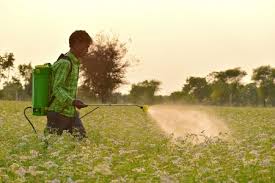
This article continues the exploration of Persistent Organic Pollutants (POPs), focusing on industrial chemicals and by-products, their impact on agriculture, and their implications for food safety and human health.
Read Also: Positive and Negative Effects of Drinking Garri
Industrial Chemicals in Agricultural Environments
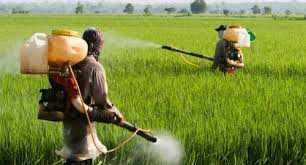
Industrial chemicals are substances used for various purposes, such as in fuels, lubricants, flame retardants, or as fumigants in agricultural products. An example of an industrial chemical is polychlorinated biphenyls (PCBs).
Polychlorinated Biphenyls (PCBs) in Agriculture
PCBs are a group of 209 synthetic organic compounds banned in various countries in the late 1970s. In the past, many industrial materials, such as sealing and caulking compounds, cutting oils, inks, and paint additives, contained PCBs.
They were also used to make coolants and lubricants for certain kinds of electrical equipment, such as transformers and capacitors. Today, trace levels of PCBs are found in the environment (air, soil, and water) due to improper disposal practices. Contamination by PCBs primarily results from long-range transport.
Once in the environment, PCBs are present as absorbed particles, easily moving between soil, water, air, and sediments. PCBs can be carried long distances from their release points, eventually returning to land and water through dust or precipitation, such as rain and snow.
Because PCBs do not readily break down, they may remain in the soil for months or years and bioaccumulate in the environment, increasing in concentration up the food chain.
This is of particular concern in areas where fish are exposed to PCB contamination and may be consumed by humans. PCBs can accumulate in the leaves and above-ground parts of plants, including food crops; lighter PCBs leave the soil through evaporation.
PCB Contamination in Humans via Agricultural Products
Humans are exposed to PCBs primarily through contaminated food, such as meat, dairy products, and fish caught in contaminated lakes or rivers, drinking contaminated well water near hazardous waste sites, and breathing contaminated air. PCBs tend to accumulate in the fatty tissues of animal-derived foods, and individuals consuming large amounts of sport fish, wildlife, or marine mammals may be exposed to higher dietary levels. Once in the body, some PCBs may be transformed into metabolites, which may be as harmful as some unchanged PCBs. Some metabolites may leave the body in feces within a few days, while others may remain in fatty tissues for months. PCBs may be stored for years, mainly in fat and liver, with smaller amounts in other organs. Effects of PCBs in humans may include skin conditions, liver, neurologic, and gastrointestinal effects.
By-Products of Industrial Processes Affecting Agriculture

Polychlorinated dibenzo-p-dioxins (PCDD) and polychlorinated dibenzofurans (PCDF), commonly known as dioxins and furans, are toxic chemicals. These are found in very small amounts in the environment, including air, water, and soil. Over 200 different dioxins and furans exist, but only 17 are known to be toxic and bioaccumulate in food. The most toxic chemical in the group is 2,3,7,8-tetrachlorodibenzop-dioxin (TCDD), and other dioxins are measured relative to TCDD.
Dioxins can also be produced from natural processes, such as forest fires and volcanic eruptions. The airborne chemical can attach to small particles that travel long distances in the atmosphere. Exposure to dioxins occurs through the consumption of food grown in contaminated soils. Levels of dioxins in soil are higher than in air and water.
Dioxins in Humans via Agricultural Food Chains
Humans are exposed to dioxins through consumption of contaminated foods, particularly dairy products, fish, and meat. Dioxins may also be present in fruits and vegetables, though at much lower levels. Low levels of dioxins have been measured in breast milk and infant formula.
Furans in Humans via Agricultural Food Sources
Humans are exposed to very low levels of furans through inhalation, drinking water, and consumption of furan-contaminated foods, such as meat, meat products, fish, fish products, and milk and milk products. Because furans concentrate in fatty tissues, consuming large amounts of fatty fish from water contaminated by furans may increase dietary exposure.
Impact of Dioxins and Furans on Animals in Agricultural Systems
Both dioxins and furans accumulate in the fatty portions of animals; hence, meat, milk products, and fish have higher levels than fruits, vegetables, and grains. Visible fat can be trimmed from foods such as meat and fish, and preparation methods should allow fat to drain. Effects of dioxins on animals include decreased food consumption and slowed growth.
Polybrominated Diphenyl Ethers (PBDEs) in Agricultural Settings
Polybrominated diphenyl ethers (PBDEs) are a group of chemical substances used as flame retardants and are persistent in the environment. PBDEs enter the environment during their manufacture and have been measured in air, soil, sediment, and water, often far from sources of release. They do not dissolve easily in water but can stick to particles and settle at the bottom of rivers or lakes, where some can accumulate in fish.
PBDEs in Humans via Agricultural Food Products
Primary sources of human exposure to PBDEs are through consumption of contaminated foods, such as the fatty tissues of meat, fish, dairy products, and food crops grown in contaminated soils.
Perfluorinated Chemicals (PFCs) in Agricultural Environments
Perfluorooctane sulfonic acid (PFOS) and perfluorooctanoic acid (PFOA) are man-made chemicals belonging to the family of perfluorinated chemicals (PFCs). PFOS and PFOA are the most common PFCs, extremely persistent, with bioaccumulating and biomagnifying properties. PFCs can be found in air, soil, and water after release from the use and disposal of products containing these chemicals. They do not break down in water or soil and may be carried long distances by ocean currents or through soil by groundwater. Due to their persistence and widespread use, PFCs have been detected in low concentrations in the environment, food, and wildlife, such as polar bears and some bird species.
PFOS/PFOA in Humans via Agricultural Sources
Exposure to PFOS/PFOA in humans may occur through consumption of contaminated food or drinking water or breathing contaminated air. PFOS/PFOA can remain in the body for many years. Exposure to certain PFCs, particularly PFOS and PFOA, has been associated with adverse health effects in laboratory animals, including immune, liver, and thyroid function.
Polycyclic Aromatic Hydrocarbons (PAHs) in Agricultural Systems
Polycyclic aromatic hydrocarbons (PAHs) belong to a group of over 100 chemicals released from sources such as forest fires, incomplete burning of coal, oil, gas, garbage, and organic substances like tobacco. Anthropogenic PAHs are found in coal tar, crude oil, creosote, roofing tar, and some are used in medicines, dyes, plastics, and pesticides (see Table 2). When released into the environment, PAHs can break down over a period ranging from days to weeks. Most PAHs do not dissolve in water and are found at the bottoms of rivers or lakes. Major sources of PAHs in aquatic and soil environments include creosote-treated products, spills of petroleum products, and metallurgical and cooking plants.
PAHs in Humans via Agricultural Food Consumption
Human exposure to PAHs occurs through breathing contaminated air from cigarette smoke, wood smoke, vehicle exhaust, smoke from agricultural burns, water or soil near hazardous waste sites, and consumption of contaminated foods, such as meats and fish from contaminated waters. PAHs can also be found in foods that have been grilled or charbroiled. The method of cooking, preservation, and storage of foods is a factor in PAH exposure. PAH exposure may cause lung cancer in humans.
Radionuclides in Agricultural Food Production
Radionuclides are radioactive contaminants that occur naturally as trace elements in rocks and soils (e.g., polonium and uranium) or result from the deposition of airborne, man-made radionuclides (e.g., cesium and strontium). Radionuclides release energy in the form of radiation. Examples include cesium, polonium, strontium, and radium.
Cesium in Agricultural Environments
Cesium is a persistent man-made radionuclide released during nuclear weapons testing and by the Chernobyl nuclear accident. Levels of cesium in the environment have dropped since the 1960s and are not considered a health risk to caribou or humans consuming them.
Polonium in Agricultural Food Chains
Polonium is the most commonly found natural radionuclide and is known to build up in caribou when they eat lichen.
Uranium in Agricultural Systems
Uranium is a natural radionuclide found in increased levels due to uranium mining, present in both groundwater and surface water. Humans are exposed to uranium through ingestion of contaminated food or water.
Strontium in Agricultural Contexts
Strontium is significant due to its long radiation half-life of 29 years. It is found in the environment from nuclear fallout during atmospheric weapons tests and accumulates in bones and teeth.
Radium in Agricultural Water Sources
Radium (including Radium-226 and Radium-228) is found in small amounts in natural groundwater. Most radionuclides in food sources are of natural origin.
Factors Leading to Radionuclide Ingestion in Agriculture
Factors contributing to ingestion of radionuclides include:
- Radioactively contaminated drinking water (e.g., polluted groundwater).
- Locally grown food plants that absorb soil radioactivity.
- Use of radioactively contaminated water to irrigate crops.
- Local livestock operations where radionuclides accumulate in animal tissue.
- Consumption of fish with radioactivity from local bodies of water.
Plants and lichens absorb radionuclides through soil and air. Humans can be exposed through consumption of contaminated foods, such as caribou feeding on lichens. Exposure to radionuclides in traditional food is not considered a health concern.
Read Also: How To Start A Piggery Project
Persistent Organic Pollutants (POPs) and Their Effects

| Persistent Organic Pollutants (POPs) | Source | Associated Foods for Animals | Associated Foods for Humans | Effects in Humans | Reducing Exposure |
|---|---|---|---|---|---|
| Polychlorinated Biphenyls (PCBs) | Capacitors, transformers, hydraulic fluids | Contaminated water, food crops grown in contaminated soil, caribou, muskox, moose, beluga whale, seal (blubber), migrating birds, bald eagle eggs, fish (e.g., Chinook salmon), sea otters | Meat, fish, dairy products, poultry, eggs | May cause: skin conditions, liver, neurologic, gastrointestinal effects | Remove visible fat from animals prior to cooking. Cook meat and fish using methods that allow fat to drain (e.g., broil, bake, boil, grill). Drain excess fat after cooking. Follow Federal/Provincial/Territorial (F/P/T) advice on consumption of wild game and sport fish. |
| Dioxins and Furans | Industrial processes (e.g., bleaching paper pulp, chemical and pesticide manufacture), combustion activities (e.g., forest fires, waste incineration), treated wood (dioxins) | Herring, mackerel, salmon, sardines, trout, tuna | Meat, dairy products, poultry, eggs | May include: skin disorders (e.g., chloracne), liver problems, impaired immune and endocrine systems, reproductive functions, effects on developing nervous system, certain cancers | Skin fish prior to cooking. Trim visible fat from meat and fish. Cook using methods that allow fat to drain (e.g., broil, bake, boil, grill). Drain excess fat after cooking. Follow F/P/T advice on consumption of wild game and fish. |
Polycyclic Aromatic Hydrocarbons (PAHs), Polybrominated Diphenyl Ethers (PBDEs), Perfluorinated Chemicals (PFOS/PFOA), Radionuclides, and Their Effects
| Contaminants | Source | Associated Foods for Animals | Effects in Humans | Reducing Exposure |
|---|---|---|---|---|
| Polycyclic Aromatic Hydrocarbons (PAHs) | Forest fires, burning coal, coal tar, crude oil, petroleum product spills, garbage, tobacco, creosote, creosote-treated products, roofing tar, medicines, dyes, plastics, pesticides, charbroiled foods | Grilled or charred meat, milk, cereals, flour, bread, vegetables, fruits, processed or pickled foods | May cause: lung cancer | Reduce consumption of grilled or charred meats or fish, cut away charred portions. Eat a variety of foods from different sources (Refer to Canada’s Food Guide or Eating Well with Canada’s Food Guide – First Nations, Inuit, and Métis). |
| Polybrominated Diphenyl Ethers (PBDEs) | Flame retardants added to plastics and foam products | Meat, fish, dairy products, food crops grown in contaminated soils | No information on health effects in people | Eat a variety of foods from different sources. Trim fatty tissue from meat before cooking and use methods that allow fat to drain. |
| Perfluorinated Chemicals (PFOS/PFOA) | Disposal of products containing perfluorinated compounds | Polar bears, some bird species, foods grown in contaminated soils | No significant risk to human health | Eat a variety of foods from different sources. |
| Radionuclides | Naturally in rocks or soils, man-made through nuclear weapons testing, nuclear waste dumping, mining | Lichen, caribou, fish, beluga, waterfowl | No effects at low levels | Eat a variety of foods from different sources. |
Sources of POPs in Agricultural and Industrial Activities
POPs, including industrial chemicals and by-products, primarily result from human activities such as manufacturing, handling, storing, and disposal of chemicals. These occur in industrial settings and activities such as oil refineries, coal power plants, construction, mining, smelting, and transportation.
Do you have any questions, suggestions, or contributions? If so, please feel free to use the comment box below to share your thoughts. We also encourage you to kindly share this information with others who might benefit from it. Since we can’t reach everyone at once, we truly appreciate your help in spreading the word. Thank you so much for your support and for sharing!