


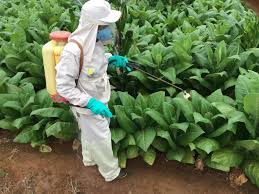
Pest and disease management is critical for farmers aiming to protect their crops. This article explores holistic approaches to maintaining healthy plants and soils.
Combining spiritual practices, ecological balance, and practical techniques, farmers can minimize losses. The following sections detail effective strategies for sustainable pest and disease control.
Understanding the challenges of pest and disease outbreaks is essential. Farmers often face the heartbreak of watching thriving crops succumb to destruction. A proactive approach, grounded in faith and practical methods, can safeguard yields. This guide emphasizes natural and integrated pest management techniques.
Healthy soils and diverse ecosystems form the foundation of pest resistance. By fostering living soils and beneficial organisms, farmers can reduce reliance on harmful chemicals. Crop rotations, regular inspections, and targeted interventions further enhance crop resilience. These practices align with sustainable farming principles.
This article provides actionable steps to manage pests and diseases effectively. From handpicking pests to using natural repellents, each method is designed for accessibility. By adopting these strategies, farmers can cultivate thriving gardens while maintaining ecological balance and honoring God’s creation.
Spiritual and Biological Foundations
This section highlights the importance of spiritual and biological practices in pest management. Prayer and alignment with God’s principles provide protection, while healthy soils support natural pest resistance. Understanding these foundations helps farmers create resilient agricultural systems.
A. Prayer and Godly Order
1. Spiritual Protection: Farmers should pray over crops and lands for God’s protection against pests and diseases. This spiritual covering is foundational to successful farming. Committing to prayer fosters a connection with divine guidance for agricultural endeavors.
2. Biblical Principles: Following Godly order, as outlined in the Trainer’s Reference Guide, ensures divine protection. Adhering to biblical keys aligns farming practices with spiritual values. This approach strengthens both faith and crop resilience against threats.
Prayer is a powerful tool, often overlooked in modern agriculture. By integrating spiritual practices, farmers invite divine intervention to shield their fields. This commitment complements biological strategies, creating a holistic defense against pest and disease challenges.
B. Importance of Living Soils
1. Biological Balance: Healthy soils host diverse organisms that maintain ecological balance. These living creatures support plant growth and naturally control pest populations. Sterile soils, however, encourage unchecked pest and disease outbreaks.
2. Natural Predators: Beneficial organisms like frogs, ladybirds, and parasitoid wasps control pests. Encouraging their presence prevents population explosions of harmful species. Destroying one pest can disrupt this balance, leading to secondary pest issues.
Living soils are the cornerstone of sustainable farming. High-quality compost and natural mulches, referred to as God’s blanket, enhance soil vitality. Over time, these practices restore ecological balance, reducing pest and disease pressures significantly.
C. Beneficial Organisms
1. Allies in the Garden: Frogs eat worms, flies, and slugs, while earthworms improve soil structure. Bees and butterflies aid pollination, ensuring fruit set. Ladybirds and spiders control aphids and other pests effectively.
2. Mindset Shift: The notion of bare, sterile gardens must change. Embracing diverse organisms fosters a balanced ecosystem. Farmers should view these creatures as allies, not nuisances, to achieve successful pest management.
Recognizing biological allies transforms garden management. By cultivating a habitat for beneficial organisms, farmers reduce pest damage naturally. This approach requires patience but yields long-term benefits for crop health and productivity.
Read Also : Fish Ponds and Public Health in General
Crop Management Practices
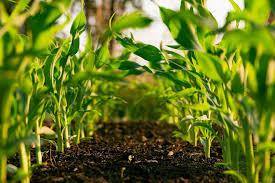
This section covers practical techniques to prevent pest and disease buildup. Crop rotations, regular inspections, and manual pest control methods are key. These practices disrupt pest cycles and promote healthy plants, ensuring sustainable yields.
A. Crop Rotations
1. Breaking Disease Cycles: Rotating fruit, leaf, and root crops every six months prevents pest and disease buildup. This practice disrupts the life cycles of harmful organisms. A 12-month break further enhances effectiveness.
2. Rotation within Rotations: Implementing rotations within the six-month cycle reduces disease accumulation. This layered approach minimizes risks even in shorter growing periods. Mono-cropping, conversely, invites severe pest attacks.
Crop rotations are a simple yet powerful strategy. Many farmers overlook this practice, leading to recurring pest issues. By diversifying crops, farmers can break disease cycles and maintain healthier fields over time.
B. Regular Inspections
1. Daily Monitoring: Farmers should inspect crops daily to observe pest and disease incidence. Early detection allows for timely interventions. This practice is crucial for effective integrated pest management.
2. Targeted Controls: Observing damage patterns helps farmers apply appropriate controls. Regular inspections ensure problems are caught before they spread. This proactive approach saves crops from significant losses.
Daily inspections empower farmers to act swiftly. By staying vigilant, they can identify and address issues early. This habit strengthens pest management efforts and protects yields from unexpected threats.
C. Manual Pest Control
1. Handpicking Pests: For small gardens, handpicking caterpillars, beetles, and slugs is effective. Snails and slugs are easiest to find at night. This method reduces pest populations without chemicals.
2. Henpecking: Allowing chickens into garden sections before planting controls cutworms and other pests. A few days of henpecking can significantly reduce pest numbers. This natural method is both practical and sustainable.
Manual pest control is labor-intensive but highly effective. By removing pests physically, farmers avoid chemical reliance. Combining handpicking with henpecking creates a robust, eco-friendly pest management system.
Read Also: The Ultimate Step-by-Step Guide to Vegetable Gardenin
Preventative and Control Measures
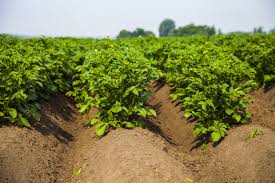
This section explores preventative and targeted control methods to manage pests and diseases. Traps, repellents, and spot spraying minimize outbreaks while preserving beneficial organisms. These strategies prioritize ecological balance and sustainable farming.
A. Traps and Deterrents
1. Pest Traps: Traps using light, smell, or physical barriers draw pests away from plants. For example, beer-filled cups attract and drown snails and slugs. These cups require daily cleaning and periodic beer replacement.
2. Physical Barriers: Smooth, moist structures like wooden planks attract slugs for easy harvesting. Scarecrows or CDs on fishing lines deter birds. These methods protect crops without harming ecosystems.
Traps and deterrents offer non-invasive pest control. By drawing pests away from plants, farmers protect their crops effectively. These methods are simple, affordable, and maintain ecological harmony in the garden.
B. Repellents
1. Plant-Based Repellents: Marigolds, lemongrass, and rosemary repel pests naturally. Planting these in rows or intervals integrates protection into garden design. They prevent outbreaks without chemical intervention.
2. Spray Repellents: Onion, garlic, and chili sprays deter pests effectively. Essential oils like neem and lavender also repel pests. These sprays double as control measures, offering versatile protection.
Repellents are a proactive defense against pests. Applying them every 7-14 days prevents infestations, especially in fields with pest history. These natural solutions safeguard crops while preserving beneficial organisms.
C. Spot Spraying
1. Targeted Application: Spot spraying affected areas prevents pest spread without blanket spraying. This method minimizes ecological damage. Late afternoon spraying with fine nozzles reduces plant stress.
2. Spray Formulations: Soap sprays control aphids and mites (2 tsp soap per liter water). Soap and oil sprays suffocate pests like whiteflies (1 tsp soap, 10ml oil, 1L water). Neem oil targets caterpillars without harming beneficial insects.
3. Milk and Baking Soda: Milk sprays (100ml milk, 900ml water) combat powdery mildew. Baking soda sprays (1 tsp bicarb, 1 tsp soap, 1L water) control fungal diseases. Test sprays ensure plant safety.
Spot spraying is precise and effective. By targeting only affected areas, farmers reduce harm to beneficial organisms. These natural formulations provide sustainable control, aligning with ecological farming goals.
D. Biological and Dusting Methods
1. Bacillus thuringiensis (Bt): Bt, a soil bacterium, targets insect larvae with no harm to other organisms. Sprayed on leaves, it disrupts pest digestion, offering a safe biological control option.
2. Wood Ash Dusting: Applying wood ash to maize controls stalk borers and fall armyworms. A pinch every two weeks until piping stage prevents infestations, even in challenging conditions.
3. Diatomaceous Earth: This powder dehydrates pests like cutworms and slugs. Sprinkling it around crop bases creates a protective barrier. It’s a natural, non-toxic pest control method.
Biological and dusting methods enhance pest management. These techniques target specific pests while preserving garden ecosystems. By integrating them, farmers achieve sustainable control with minimal environmental impact.
Frequently Asked Questions
1. Why is prayer emphasized in pest management?
Prayer aligns farming with spiritual principles, seeking divine protection for crops. It complements practical methods, fostering a holistic approach to managing pests and diseases effectively.
2. How do healthy soils reduce pest issues?
Healthy soils support diverse organisms that naturally control pests. They enhance plant resilience, reducing the need for chemical interventions and preventing pest population explosions.
3. What are the benefits of crop rotations?
Rotations break pest and disease cycles by alternating crop types. This prevents buildup in the soil, reducing infestations and promoting healthier, more resilient crops over time.
4. How often should farmers inspect their crops?
Daily inspections are recommended to catch pest and disease issues early. Regular monitoring allows for timely interventions, preventing widespread damage and saving crops.
5. Are natural repellents effective against all pests?
Natural repellents like marigolds and garlic sprays deter many pests but may not work for all. Combining them with traps and spot spraying ensures comprehensive pest control.
6. Why avoid blanket spraying fields?
Blanket spraying kills beneficial organisms, disrupting ecological balance. Spot spraying targets affected areas, minimizing harm and preserving natural predators that control pests.
7. How does diatomaceous earth work?
Diatomaceous earth dehydrates pests by sticking to their exoskeletons. Sprinkled around crop bases, it acts as a barrier against cutworms, snails, and slugs effectively.
8. Can chickens help with pest control?
Yes, chickens eat cutworms and other pests when allowed in garden sections before planting. This natural method, called henpecking, reduces pest populations sustainably.
Do you have any questions, suggestions, or contributions? If so, please feel free to use the comment box below to share your thoughts. We also encourage you to kindly share this information with others who might benefit from it. Since we can’t reach everyone at once, we truly appreciate your help in spreading the word. Thank you very much for your support and for sharing!